
Selecting the correct ZYKR cleaner for your car interior depends entirely on matching the specific product formulation to your seat material. Leather and fabric possess fundamentally different physical properties, meaning a cleaner designed to penetrate woven textiles can easily strip the essential oils from genuine leather, causing it to dry, harden, and crack. Conversely, a mild leather cleaner may lack the surfactant strength required to lift deep-set stains from porous fabric fibers. To maintain the appearance, comfort, and resale value of your vehicle, you must identify your seating material and verify the product label before application.
In tropical climates like Singapore, high humidity and heat accelerate the breakdown of interior materials and intensify the bonding of sweat, body oils, and dirt to your seats. This environmental factor makes regular, material-specific maintenance crucial. Using an incorrect cleaning agent under these conditions can lead to sticky residues that attract dust or promote mold growth. By taking a systematic approach to material identification and product selection, you can safely restore your car’s cabin without risking permanent chemical damage.
Identify Your Car Seat Material First
Before purchasing or applying any ZYKR cleaning product, you must accurately determine the exact composition of your car seats. Modern automotive interiors utilize a wide range of materials, including genuine top-grain leather, synthetic leather (such as polyurethane or vinyl), standard woven fabrics (like polyester or nylon), and specialty microfibers (such as Alcantara or ultrasuede). Each of these surfaces reacts differently to moisture, friction, and chemical agents, making a universal cleaning approach highly risky.
Products mentioned in this guide
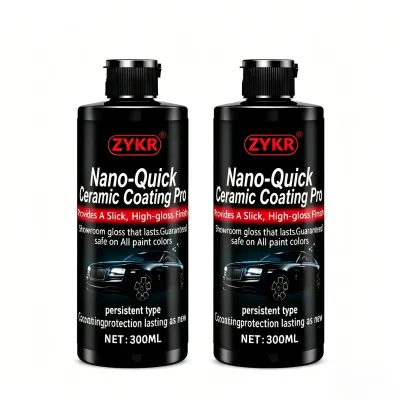
Prices are valid at publication and may change. Please refer to the product page for the latest price.
The most reliable way to confirm your seat material is to consult your vehicle owner’s manual or check the original build sheet from the manufacturer. Many modern vehicles also feature small fabric tags sewn into the seams of the seats, which indicate the presence of leather, synthetic blends, or side airbags that require specialized care. If you purchased your vehicle secondhand or the documentation is unavailable, you will need to perform a physical inspection of the seats to identify the material.
Visual texture and tactile feedback serve as excellent secondary verification methods when official documentation is missing. Genuine leather typically exhibits natural, irregular grain patterns, feels warm to the touch, and creases gently when pressed with a finger. Synthetic leather often displays a highly uniform, repeating pattern, feels slightly more plastic-like, and resists creasing under light pressure. Standard fabrics are easily identified by their woven threads, while specialty materials like Alcantara present a soft, suede-like nap that changes direction and color depth when brushed with your hand.
Matching ZYKR Variants to Seat Materials
Once you have verified your seat material, you must carefully match it to the appropriate ZYKR product variant by reading the manufacturer’s packaging. ZYKR offers distinct formulations tailored to different surfaces, and using a product outside its intended scope can compromise your interior. Look for explicit compatibility claims on the front and back labels, such as “Safe for Genuine Leather,” “Formulated for Fabric and Upholstery,” or “Synthetic Leather Approved.”

For leather seats, prioritize ZYKR variants that specify a pH-balanced formula. Genuine leather is naturally acidic, with a pH typically between 4.5 and 5.0, meaning highly alkaline cleaners can strip its protective topcoat and cause premature aging. A dedicated leather cleaner from ZYKR is designed to lift surface dirt gently while preserving the material’s natural moisture balance. If your seats are synthetic leather or vinyl, check the label to ensure the product does not contain harsh solvents that can dissolve the synthetic top layer or cause the material to stiffen.
For woven fabric seats, look for ZYKR upholstery cleaners that utilize active surfactants designed to break down organic stains, grease, and dirt embedded deep within the fibers. These formulations are engineered to dry without leaving a sticky film, which is essential for preventing rapid re-soiling. Avoid using unlabelled multi-purpose variants on fabric unless the ZYKR instructions explicitly confirm safety for porous textiles, as some general-purpose cleaners can cause fabric dyes to bleed or leave behind heavy residues that are difficult to extract.
Safety Checks and Application Rules
Even when you believe you have matched the correct ZYKR cleaner to your seat material, you must perform a localized spot test before treating the entire cabin. Select an inconspicuous area of the seat, such as the lower rear section, the underside of a headrest, or the deep fold between the seat cushion and the backrest. Apply a small drop of the cleaner to a clean microfiber cloth, gently wipe the test area, and let it dry completely to check for color transfer, fading, stiffening, or unusual residues.
When applying the chosen ZYKR product, strictly adhere to the dilution ratios, dwell times, and agitation methods specified on the label. If the product is a concentrate, use distilled water for dilution to prevent mineral spots on your seats. Never spray liquid cleaners directly onto perforated leather or heavily worn fabric, as excess moisture can seep into the underlying foam padding, leading to mold growth or electrical issues with heated and ventilated seat components. Instead, apply the cleaner to a soft-bristled brush or microfiber towel first, then work it into the surface using gentle, circular motions.
Establish clear stop conditions during the cleaning process to protect your vehicle’s interior from irreversible damage. If you notice any color bleeding onto your cleaning cloth, a sudden change in the texture of the material, or a strong chemical odor that does not dissipate, cease application immediately. Do not attempt to scrub harder or apply neutralizing chemicals to correct the issue. Instead, blot the area gently with a dry, clean microfiber towel to absorb as much excess product as possible, and allow the surface to air dry naturally.
When to Seek Professional Detailing Instead
While DIY cleaning with ZYKR products is highly effective for routine maintenance and light staining, certain interior conditions require professional intervention. Severe contamination, such as deep dye transfer from dark denim onto light-colored leather, extensive mold infestations, or chemical burns from spilled household products, cannot be safely resolved with consumer-grade cleaners. Attempting to scrub out these deep-seated issues at home often results in wearing away the leather’s protective finish or tearing fabric fibers.
You should also avoid DIY cleaning if your seat materials are already highly degraded. Heavily cracked, peeling, or brittle leather requires professional restoration, including color matching and topcoat re-application, rather than standard cleaning. Similarly, severely pilled, torn, or thinning fabric seats can easily disintegrate under the friction of manual agitation. Applying liquid cleaners to damaged surfaces allows moisture to penetrate deep into the seat structure, accelerating the deterioration of the internal foam and metal springs.
Professional detailers possess specialized extraction equipment, steam cleaners, and commercial-grade chemical neutralizers that can safely lift deep stains without oversaturating the seats. They can also accurately assess the structural integrity of your interior materials and apply advanced protective coatings that are not available over the counter. If your car seats exhibit signs of severe wear or complex staining, investing in a professional detailing service is the safest way to preserve your vehicle’s cabin.
Frequently Asked Questions (FAQ)
Can I use a single ZYKR multi-purpose cleaner for both leather and fabric seats?
It is generally recommended to use dedicated formulations for leather and fabric to ensure optimal material care. Leather requires mild, pH-balanced conditioning agents, whereas fabric demands penetrating surfactants to lift dirt from woven fibers. If you wish to use a single ZYKR multi-purpose cleaner, you must verify that the product label explicitly states it is safe for both leather and fabric surfaces, and always perform a spot test on each material before full application.
How often should I clean my car seats with ZYKR products?
The ideal cleaning frequency depends on your daily usage, environmental factors, and whether you regularly transport pets or children. In warm, humid climates like Singapore, sweat and body oils accumulate quickly, making a light maintenance wipe-down with a damp microfiber cloth beneficial every two weeks. A deeper clean using material-specific ZYKR products should generally be performed every three to six months to prevent dirt from becoming permanently embedded in the fibers or leather pores.
What should I do if the ZYKR cleaner leaves a sticky residue on the seats?
If a ZYKR cleaner leaves a sticky residue, it is usually due to over-application, insufficient rinsing, or using an incorrect dilution ratio. To resolve this, lightly mist a clean microfiber towel with distilled water and gently wipe the affected area to absorb the excess product. Avoid soaking the seat, and check the ZYKR product label for specific rinsing or buffing instructions, as some formulations require a dry microfiber buff to achieve a clean, matte finish.
Community discussion
Share your experience or ask a question. Comments are reviewed before publication.