
Selecting the correct motorcycle battery is essential for maintaining electrical stability and ensuring your bike starts reliably every time you turn the ignition key. Choosing the right Yusa battery requires matching your motorcycle’s original equipment manufacturer (OEM) specifications across five critical dimensions: voltage, physical dimensions, terminal configuration, capacity (Ah), and Cold Cranking Amps (CCA). While Yusa is a widely trusted brand in the motorcycle community, simply selecting a battery based on the brand name alone can lead to electrical mismatch, poor starting, or physical fitment issues.
A motorcycle’s electrical system operates on a delicate balance where the battery, stator, and regulator-rectifier must work in perfect harmony. Installing an incompatible battery can strain your charging system, damage sensitive onboard electronics, or leave you stranded. By systematically verifying your motorcycle’s requirements and understanding how to read Yusa’s product specifications, you can confidently select a replacement unit that matches your riding habits and vehicle configuration.
Understand Your Motorcycle's Power Requirements
To find the perfect Yusa battery, you must first understand the specific electrical demands of your motorcycle. The battery does not merely start the engine; it acts as a vital voltage stabilizer for the entire electrical circuit, absorbing voltage spikes and supplying continuous power when the engine is idling and the charging system cannot keep up with the demand. This stabilizing role is particularly important on modern motorcycles equipped with electronic fuel injection (EFI), engine control units (ECUs), and digital dashboards, which are highly sensitive to voltage fluctuations.
Products mentioned in this guide
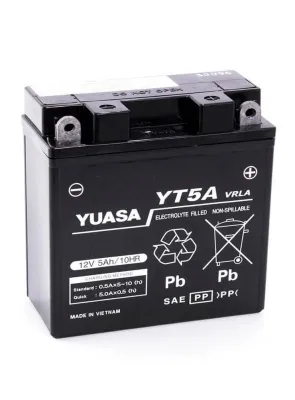
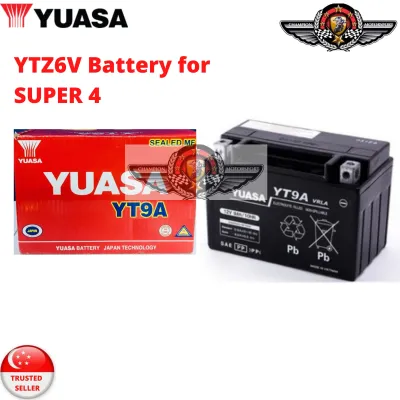
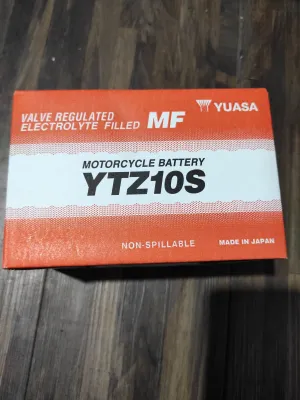
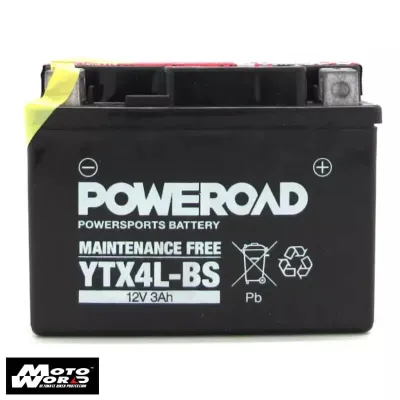
Prices are valid at publication and may change. Please refer to the product page for the latest price.
Before browsing any battery catalog, locate your motorcycle’s owner’s manual or inspect the label of the currently installed battery to find the OEM specifications. This label contains the exact baseline requirements set by the vehicle manufacturer. If the existing battery is not the original unit, or if the label is unreadable, refer to the manufacturer’s official workshop manual or contact an authorized dealer to verify the correct specifications for your specific model year.
Guessing these parameters instead of verifying them can lead to severe consequences. An undersized battery will struggle to crank the engine, leading to rapid drain and premature failure, while an oversized battery might not fit into the designated compartment or could demand more charging current than your motorcycle’s stator can safely provide. Selecting a Yusa battery is about matching these precise electrical and physical tolerances to preserve the health of your motorcycle’s starting and charging systems.
Step 1: Verify Voltage and Physical Dimensions
The first physical and electrical compatibility check involves verifying the system voltage and the physical space available in your motorcycle’s battery tray. Most modern motorcycles operate on a 12-volt (12V) electrical system, but smaller scooters, vintage bikes, or specialized off-road vehicles may use a 6-volt (6V) system. Attempting to install a 12V battery into a 6V system, or vice versa, will cause immediate and catastrophic damage to the ignition coils, bulbs, and electronic components. Always double-check this value in your vehicle documentation.

Physical dimensions—specifically length, width, and height—must be measured accurately down to the millimeter. Motorcycle battery compartments are designed with tight tolerances to keep the battery secure and prevent shifting during acceleration, braking, and cornering. A battery that is too large will simply not fit into the tray or may prevent the seat or side cover from closing properly. Conversely, a battery that is too small will slide around inside the compartment; this excessive vibration can crack the internal lead plates, sever internal connections, and lead to sudden electrical failure. If you must use a slightly smaller battery, ensure you use high-density foam spacers recommended by the manufacturer to eliminate any movement.
Terminal placement is another critical factor that is frequently overlooked. You must identify whether the positive (+) terminal is positioned on the left or the right side when the battery is facing you in its installed orientation. If the terminals are reversed, the motorcycle’s positive and negative battery cables will likely not reach the posts without being stretched tightly. Stretching cables puts unsafe tension on the terminals, which can cause them to break or lead to a short circuit if the positive cable rubs against the metal frame. Never attempt to force or splice cables to fit a battery with incorrect terminal placement.
Step 2: Match Capacity (Ah) and Cold Cranking Amps (CCA)
Once you have confirmed the physical dimensions, you must match the electrical performance metrics, starting with the Amp-Hour (Ah) capacity. The Ah rating measures the battery’s energy reserve, indicating how much current it can deliver over a specific period. Your replacement Yusa battery must meet the minimum Ah requirement specified by your motorcycle’s manufacturer. While a slightly higher capacity can provide a helpful buffer for running accessories, going excessively higher is not recommended, as it can overwhelm the stator and charging system, preventing the battery from ever reaching a full charge.
Cold Cranking Amps (CCA) represent the maximum current a battery can discharge for 30 seconds at a cold temperature while maintaining a minimum voltage. This burst of power is what allows the starter motor to turn over a cold engine. In Singapore’s tropical climate, where ambient temperatures remain consistently warm, extreme cold starting is not a primary concern. However, the CCA rating remains a crucial indicator of the battery’s overall health, internal resistance, and ability to deliver rapid power.
For riders in Singapore, a robust CCA rating is highly beneficial for handling modern electrical loads. Many motorcyclists install auxiliary lighting, GPS units, phone chargers, and dual-channel dash cameras, all of which draw power from the electrical system. A battery with a solid CCA rating ensures that the starter motor receives adequate power even when these accessories are active. When choosing your Yusa battery, aim to match or slightly exceed the OEM CCA rating to guarantee reliable starting performance under all riding conditions.
Step 3: Decode the Yusa Battery Model Number
Yusa uses a structured alphanumeric labeling system that conveys essential information about the battery’s chemistry, physical size, and performance characteristics. Understanding how to decode these model numbers allows you to verify that the battery you are purchasing matches your motorcycle’s exact requirements. A typical Yusa model number consists of a prefix, a series of numbers, and occasionally a suffix, each representing a specific design element.
The prefix of the model number generally indicates the battery’s construction and chemistry type. For example, prefixes such as YTX, YTZ, or YT typically designate sealed, maintenance-free Absorbed Glass Mat (AGM) or Gel batteries. These units are factory-activated or sealed after filling, meaning they do not require water top-ups and can resist high vibration. On the other hand, prefixes starting with YB or standard designations often indicate conventional, flooded lead-acid batteries that feature removable caps and require periodic maintenance, such as topping up with distilled water.
The numerical sequence following the prefix usually correlates to the battery’s physical size, terminal layout, and relative capacity. For instance, higher numbers in the same series generally indicate a larger physical casing or a higher Ah rating. Suffixes at the end of the model number may denote specific terminal configurations, high-performance upgrades, or integrated sensors. Always cross-reference the decoded model number with your motorcycle’s OEM part number or the spec sheet provided by Yusa to ensure absolute compatibility before making a purchase. Never assume that two models are interchangeable simply because their numbers look similar.
Pre-Installation Safety and Terminal Checks
Before installing your new Yusa battery, you must observe strict safety protocols to protect yourself and your motorcycle’s electrical components. Always wear appropriate safety gear, including protective gloves and eye protection, to guard against accidental contact with battery acid or electrical sparks. Work in a well-ventilated, dry area away from open flames or heat sources, as batteries can release flammable hydrogen gas during charging or handling.
Begin by inspecting the motorcycle’s battery compartment, cables, and terminal connectors. Look for signs of corrosion, which typically appears as a white, green, or blue powdery deposit on the metal surfaces. Use a wire brush and a dedicated terminal cleaning solution to remove any buildup, ensuring a clean, metal-to-metal connection. Check the cables for fraying, cracked insulation, or loose crimps; damaged cables must be replaced immediately to prevent electrical resistance, starting difficulties, or short circuits.
When connecting the new battery, always follow the correct sequence to minimize the risk of short circuits. Connect the Positive (Red) terminal first, secure the bolt, and then connect the Negative (Black/Ground) terminal. This sequence ensures that if your wrench accidentally touches the motorcycle’s metal frame while tightening the positive terminal, it will not create a dangerous short circuit. When removing an old battery, reverse this process by disconnecting the negative terminal first.
Stop Condition: If you discover that the motorcycle’s wiring harness is damaged, melted, or modified unsafely, or if you suspect that the charging system (such as a failing stator or regulator-rectifier) is not functioning correctly, do not install the new battery. Connecting a fresh battery to a faulty charging system can ruin the new unit rapidly or cause electrical fires. Stop immediately and consult a qualified motorcycle mechanic to diagnose and repair the underlying electrical issues before proceeding.
Frequently Asked Questions (FAQ)
Can I use a higher CCA Yusa battery than my motorcycle requires?
Selecting a Yusa battery with a slightly higher CCA rating than the OEM specification is generally safe and can improve starting reliability, especially if your motorcycle is equipped with aftermarket accessories. The starter motor will only draw the current it requires, so a higher starting capacity will not damage the motor. However, you must ensure that the higher CCA battery does not come with a significantly larger physical size or an excessively high Ah rating that might strain your motorcycle’s charging system. Prioritize matching the exact physical dimensions and terminal placement first.
How do I know if my Yusa battery is an AGM or conventional type?
You can determine the battery type by examining the model prefix and the physical construction of the casing. Sealed AGM (Absorbed Glass Mat) or Gel batteries, often carrying prefixes like YTX, YTZ, or YT, feature a completely sealed top cover with no removable caps, as they are designed to be maintenance-free and spill-proof. Conventional lead-acid batteries, typically designated by the YB prefix, have a row of removable plastic caps on top for adding distilled water and often feature a visible upper and lower fluid level line on a translucent casing. AGM batteries offer greater vibration resistance and can often be mounted at angles, whereas conventional batteries must always be kept upright to prevent acid leaks.
Community discussion
Share your experience or ask a question. Comments are reviewed before publication.