
Choosing a replacement YTZ7S motorcycle battery requires a systematic approach to ensure compatibility, reliability, and safety. While many riders assume that any battery sharing the same model code will perform identically, subtle differences in manufacturing quality, chemistry, and specifications can significantly impact your motorcycle’s electrical system. To make an informed decision, you must evaluate critical performance metrics such as Cold Cranking Amps (CCA) and Amp-hour (Ah) capacity, verify physical dimensions and terminal layouts, and select a battery chemistry that aligns with your riding habits and local climate conditions.
In Singapore’s demanding urban riding environment, characterized by high ambient temperatures and frequent stop-and-go traffic, battery health is put to the test. A premature battery failure can leave you stranded on a busy expressway or in a multi-story car park. By understanding how to decode battery specifications, compare different internal chemistries, and perform essential pre-purchase checks, you can confidently select a YTZ7S battery that provides reliable starting power and supports your motorcycle’s electrical accessories over a long service life.
Understanding the YTZ7S Specification Code
The alphanumeric code on a motorcycle battery is not an arbitrary sequence of characters; it is a standardized industry shorthand that conveys critical information about the battery’s design, dimensions, and performance characteristics. The “YTZ” prefix generally denotes a high-performance, sealed, maintenance-free lead-acid battery that utilizes Absorbed Glass Mat (AGM) technology. These batteries are factory-activated, meaning they are filled with acid, sealed, and charged at the factory, eliminating the need for riders to handle hazardous battery acid or perform initial charging steps before installation.
Products mentioned in this guide
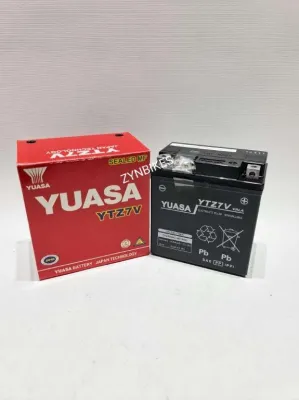
Prices are valid at publication and may change. Please refer to the product page for the latest price.
The number “7” in the YTZ7S designation serves as an indicator of the battery’s performance class and physical size category, though it does not directly represent a literal measurement like seven Amp-hours. The final letter, “S”, indicates a specific design variation, which often relates to a compact casing height and optimized internal plate design to deliver higher cranking power relative to its physical footprint. When searching for a replacement, it is vital to cross-reference this exact code with your motorcycle’s owner’s manual or the label on the existing battery to ensure you do not accidentally purchase a model with a slightly different suffix that could alter the terminal layout or physical dimensions.
Relying solely on online compatibility databases can sometimes lead to errors, as motorcycle specifications can vary by region, model year, and aftermarket modifications. Before placing an order, physically locate the battery in your motorcycle—typically under the seat or behind a side fairing—and read the printed label yourself. Take note of any additional letters or numbers appended to the code, as these can indicate specialized terminal configurations or reinforced casing designs that may be necessary for your specific motorcycle model.
Key Performance Indicators to Evaluate
When comparing different YTZ7S batteries, the most critical specification to evaluate is the Cold Cranking Amps (CCA) rating. CCA measures the battery’s ability to deliver a high burst of electrical current to start the engine under demanding conditions. While the standard test is conducted at low temperatures, a high CCA rating remains highly relevant in tropical climates. A higher CCA rating indicates lower internal resistance and a more robust internal structure, which translates to faster, more reliable engine starts, especially for high-compression single-cylinder engines or multi-cylinder sportbikes that require significant initial torque to turn over.

Amp-Hour (Ah) capacity is another vital metric, representing the total amount of electrical energy the battery can store and deliver over a sustained period. For a standard YTZ7S battery, this capacity typically hovers around 6 Ah. If your motorcycle is equipped with aftermarket electronic accessories, such as auxiliary LED lights, heated grips, a dashcam, or a GPS navigation unit, the charging system and battery will experience a higher continuous load. Choosing a battery that meets or slightly exceeds the original equipment manufacturer (OEM) Ah specification ensures that your electrical system has a sufficient buffer to handle these additional demands without draining the battery during idling or short trips.
Reserve Capacity (RC) is a secondary performance indicator that measures how many minutes a battery can continuously deliver a specific current before the voltage drops below a critical threshold. Although less frequently highlighted on motorcycle battery labels than CCA or Ah, Reserve Capacity is incredibly valuable if your motorcycle’s charging system, such as the stator or regulator-rectifier, experiences a partial or complete failure. A battery with a healthy reserve capacity can keep your ignition system, fuel pump, and essential safety lights functioning long enough for you to safely ride to a nearby workshop or pull over in a secure location.
Battery Chemistry Options for YTZ7S Replacements
The traditional and most common chemistry option for a YTZ7S replacement is the Absorbed Glass Mat (AGM) battery. In an AGM battery, the liquid electrolyte is completely absorbed into fine fiberglass mats sandwiched between the lead plates. This design makes the battery completely spill-proof, highly resistant to engine vibrations, and capable of being installed at various angles without risking acid leaks. AGM batteries are highly reliable for daily commuting, offering stable performance across a wide temperature range and requiring zero maintenance throughout their operational lifespan.
Lithium-ion alternatives, specifically Lithium Iron Phosphate (LiFePO4), have gained popularity as premium upgrades for the YTZ7S size class. These batteries offer a dramatic reduction in weight—often saving over a kilogram compared to an AGM equivalent—and deliver exceptionally high cranking currents. However, before upgrading to a lithium battery, you must verify that your motorcycle’s charging system is fully compatible. Lithium batteries require a stable charging voltage, typically between 14.0 and 14.6 volts, and can be permanently damaged if your motorcycle’s regulator-rectifier allows the voltage to spike or drop too low. Additionally, while lithium batteries perform exceptionally well, they require careful monitoring in intense tropical heat, as prolonged exposure to high engine bay temperatures can accelerate cell degradation.
Conventional flooded lead-acid batteries, which require periodic topping up with distilled water and feature external vent tubes, are not suitable replacements for a YTZ7S. These older battery designs are prone to spilling corrosive acid if the motorcycle tips over, have lower vibration resistance, and generally cannot match the high cranking output and compact dimensions of the YTZ7S standard. Attempting to install a conventional flooded battery in a space designed for a sealed YTZ7S can lead to acid damage to your motorcycle’s frame, wiring harness, and surrounding components.
Physical Fitment and Terminal Polarity Checks
Before purchasing a replacement YTZ7S battery, you must perform precise physical fitment checks to avoid installation headaches. Start by measuring the physical dimensions of your motorcycle’s battery tray or compartment using a caliper or a standard ruler. A standard YTZ7S battery typically measures approximately 113 mm in length, 70 mm in width, and 105 mm in height. Ensure that there is a small amount of clearance around the battery to allow for easy installation and removal, and to prevent the battery casing from rubbing against sharp metal edges or frame members under vibration.
Terminal polarity is a critical factor that cannot be overlooked, as connecting a battery backward can cause catastrophic damage to your motorcycle’s electrical system. On a standard YTZ7S battery, the positive terminal is located on the left side and the negative terminal is on the right side when viewing the battery from the front (with the terminals closest to you). Always double-check the orientation of your motorcycle’s battery cables before purchasing. Attempting to stretch or cross battery cables to reach reversed terminals can strain the wiring harness, cause short circuits, blow main fuses, or instantly destroy expensive electronic control units (ECUs).
Additionally, inspect the terminal type and the included mounting hardware. Motorcycle batteries use various terminal designs, including flush-mount terminals, solid brass posts, or hollow lead terminals that require a nut and bolt. Ensure that the replacement battery comes with the correct size of mounting screws and square nuts, and verify that your motorcycle’s cable eyelets can lay flat against the terminal surfaces. Because electrical work and battery replacement carry risks of short circuits, sparks, or electrical shock, always refer to your original vehicle instructions. If you are uncomfortable handling electrical components or routing cables, seek qualified professional installation at a licensed motorcycle workshop.
Where to Buy and What to Verify Before Checkout
When shopping for a YTZ7S battery, whether spending an extra S$15 to S$30 on a premium option at a local motorcycle workshop or browsing online marketplaces, verifying the freshness of the battery is essential. Lead-acid batteries, including AGM types, undergo a natural process called self-discharge when left sitting on a shelf. Over time, this self-discharge leads to sulfation, where lead sulfate crystals harden on the battery plates, permanently reducing the battery’s capacity and cranking power. Look for a manufacturing date code or hot-stamp on the battery casing, which typically indicates the month and year of production, and try to purchase a battery that is less than six months old.
Warranty terms are another crucial factor to verify before making your purchase. A reputable battery manufacturer or authorized distributor should offer a clear warranty period, typically ranging from six to twelve months. Be sure to ask the seller about the specific terms of the warranty, such as whether it covers a full replacement or a prorated refund, and what documentation is required to file a claim. Many local shops will require you to bring the motorcycle in so they can test your charging system, ensuring that a premature battery failure was not caused by a faulty stator or regulator-rectifier.
Finally, pay close attention to seller reputation and packaging quality, especially when purchasing from online platforms. A battery is a heavy, dense object containing chemical components, making it vulnerable to damage if dropped during transit. Choose sellers with high ratings and positive reviews that specifically mention secure, shock-absorbing packaging. When the battery arrives, inspect the outer box and the battery casing immediately for any signs of impact, cracks, bulging, or liquid residue, and contact the seller immediately if you notice any defects before attempting to install it on your motorcycle.
Frequently Asked Questions (FAQ)
Can I use a YTZ7S battery in a motorcycle that originally came with a YTX7L-BS?
While both batteries share similar electrical characteristics, they are not direct drop-in replacements for each other due to physical differences. A YTX7L-BS battery is physically taller than a YTZ7S, measuring approximately 131 mm in height compared to the YTZ7S’s 105 mm. Additionally, the terminal layouts and capacities may differ slightly. Attempting to use a YTZ7S in place of a YTX7L-BS may leave a large gap in your battery tray, requiring custom spacers to prevent the battery from bouncing around, while using a YTX7L-BS in a tray designed for a YTZ7S will likely prevent the seat or battery cover from closing. Always stick to the battery size specified by your motorcycle’s manufacturer unless you are prepared to safely modify the mounting bracket.
How long should a replacement YTZ7S battery last?
A quality YTZ7S AGM battery typically lasts between two and four years, depending on riding habits, maintenance, and environmental conditions. In tropical climates, high ambient temperatures accelerate the chemical reactions inside the battery, which can lead to faster water loss and grid corrosion, potentially shortening the lifespan toward the lower end of that range. To maximize your battery’s lifespan, avoid leaving your motorcycle parked in direct sunlight for extended periods, and ensure your charging system is operating correctly. If you do not ride your motorcycle daily or only take short trips that do not allow the stator to fully recharge the battery, connecting a smart trickle charger during periods of inactivity will help prevent sulfation and significantly extend the battery’s service life.
Community discussion
Share your experience or ask a question. Comments are reviewed before publication.