
Choosing the right windscreen sunshade requires balancing accurate windscreen measurements, high-performance reflective materials, a convenient folding mechanism, and safe attachment features. In Singapore’s intense tropical climate, where interior cabin temperatures can easily exceed 60°C when parked under the midday sun, a high-quality sunshade is an essential shield to protect your dashboard, electronics, and upholstery from UV degradation. By choosing a shade that offers a flush fit and maximum heat rejection, you can significantly reduce cabin heat-up times and protect your vehicle’s long-term resale value.
Step 1: Measure Your Windscreen for the Right Size
The efficacy of any windscreen sunshade depends entirely on its fitment. A shade that is too small leaves gaps that let in concentrated beams of sunlight, heating up specific spots like the steering wheel or gear shift, while an oversized shade will bunch up, sag, and eventually collapse.
To get an accurate measurement, use a flexible soft measuring tape inside your vehicle rather than measuring from the outside, as the interior dimensions of the glass are slightly smaller due to the trim and pillars. Measure the maximum vertical height from the base of the dashboard where it meets the glass up to the top edge of the windscreen near the headliner. Next, measure the horizontal width across the widest part of the glass, typically near the bottom, and then measure across the top edge near the sun visors, as many modern windscreens taper significantly toward the roofline.
Products mentioned in this guide
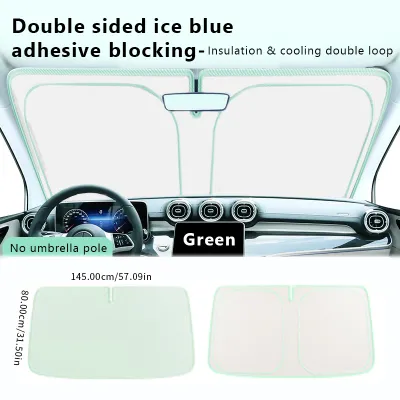
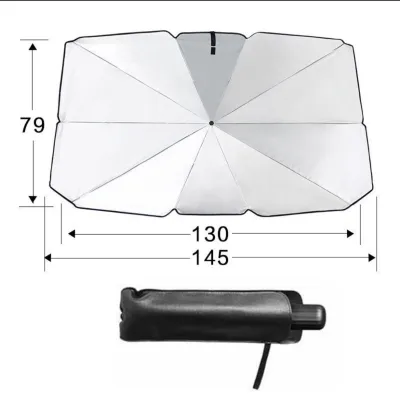
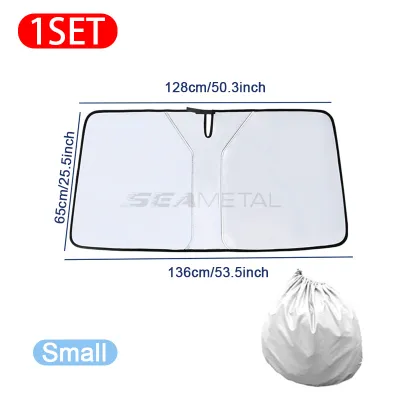
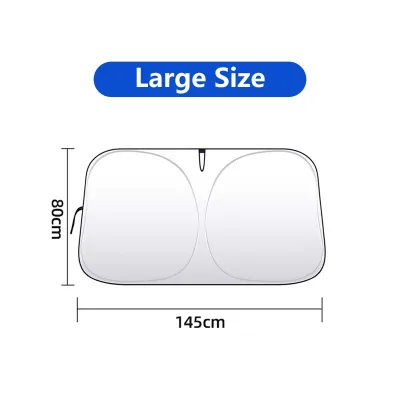
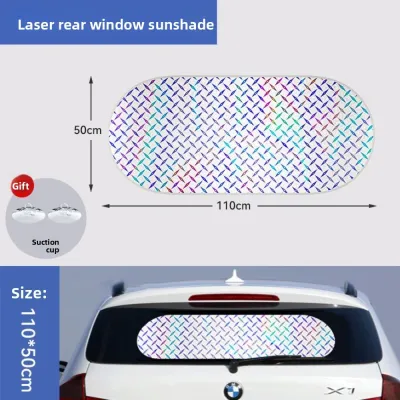
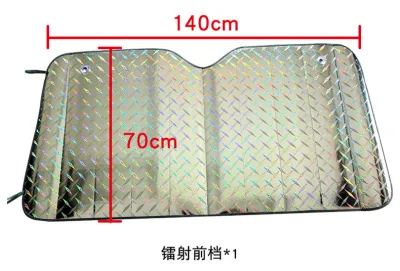
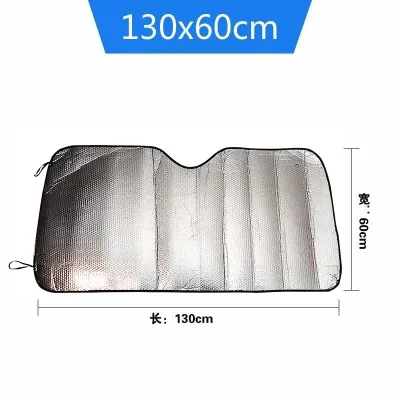
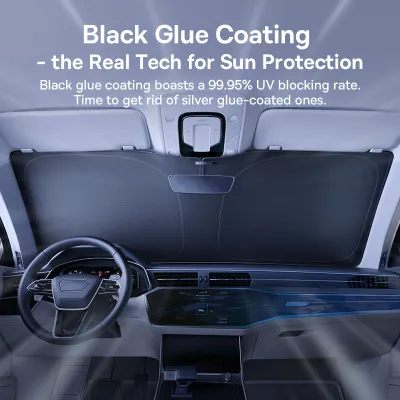
Prices are valid at publication and may change. Please refer to the product page for the latest price.
When shopping, you will encounter universal sizes (typically labeled small, medium, large, or extra-large) and custom-fit options that are laser-cut to match specific vehicle models. Universal shades are highly cost-effective, typically ranging from S$10 to S$25, but often require tucking or overlapping. Custom-fit shades, which can range from S$40 to S$80+, provide edge-to-edge coverage with zero light gaps.
Pay close attention to the area around your rearview mirror, rain sensors, and advanced driver assistance system (ADAS) camera housings located at the top center of the windscreen. A quality sunshade must feature a dedicated cutout or a flexible hook-and-loop strap to clear these sensor housings without putting physical pressure on the delicate mirror mount or blocking the camera’s alignment.
Step 2: Compare Materials for Heat and UV Protection
Not all sunshades combat heat in the same way, and understanding the science behind solar protection helps you choose the right material for your parking conditions. The primary functional distinction lies between heat reflection and heat absorption. Reflective materials bounce solar radiation back through the glass before it can turn into thermal energy inside the cabin, whereas absorptive materials soak up the heat, eventually radiating it into the car’s interior air.

To prevent interior fading, cracking, and premature aging of leather and plastics, look for materials designed to block both UVA and UVB rays. While many brands advertise high Ultraviolet Protection Factor (UPF) ratings, the most reliable indicators of performance are opaque barrier layers and highly reflective metallic coatings that physically block light transmission.
Reflective Foil and Accordion Shades
Traditional accordion-style shades typically feature a multi-layer construction consisting of a polyethylene bubble or closed-cell foam core sandwiched between two layers of reflective aluminum foil. The outer foil layer acts as a highly efficient mirror to bounce away incoming sunlight, while the internal bubble or foam layer provides thermal insulation, slowing down the transfer of heat into the cabin.
These shades are structurally rigid, meaning they stand up well against the glass without sagging over long hours of exposure. However, their stiff, accordion-folding design makes them relatively bulky when not in use, requiring dedicated storage space along the center console, passenger footwell, or boot.
Fabric and Mesh Roll-Up Shades
Fabric-based sunshades are generally constructed from lightweight, high-density woven nylon or polyester fabrics, often treated with a reflective silver coating on one side. Mesh variants are also available, though these are more commonly used for side windows because they allow some light transmission while reducing glare.
For the front windscreen, solid nylon or polyester shades are preferred because they block light completely and fold down easily into a compact circle using a flexible spring-wire frame. While fabric shades are exceptionally easy to store in seatback pockets, their thin profile means they offer less thermal insulation than thick, double-sided bubble foil shades.
Umbrella-Style Sunshades
Umbrella-style sunshades are a modern design option engineered to deploy rapidly using a folding metal frame covered in a highly reflective, heat-blocking fabric. To use them, you simply open the mechanism inside the cabin like a standard rain umbrella and press the flat, rectangular canopy against the windscreen.
While they offer excellent coverage and fold down into a tiny footprint that fits inside a glovebox, they present unique structural risks. The metal ribs and unpadded tips of the umbrella frame can easily scratch your dashboard, scrape the windscreen glass, or put undue pressure on delicate touchscreen infotainment displays if deployed carelessly.
Step 3: Choose a Folding and Storage Mechanism
A sunshade is only useful if you actually use it, making the ease of deployment and storage a crucial factor in your daily routine. If you frequently make short stops, a rapid deployment mechanism is essential to ensure you do not skip putting the shade up.
Accordion-style foil shades can be unfolded and positioned in under ten seconds, but folding them back up requires aligning the creases neatly, which can be awkward in a compact cabin. Roll-up fabric shades are similarly quick to deploy, but twisting the spring-steel frame back into a compact circle requires a specific technique that some drivers find frustrating to master. Umbrella-style shades offer the fastest setup and takedown times, opening with a single push and collapsing instantly into a neat sleeve.
Consider where you plan to store the shade when passengers are in the car. Compact fabric and umbrella-style shades can easily slide into door pockets, the glove compartment, or behind the front seats, keeping your cabin clutter-free. In contrast, rigid accordion or custom-fit roll-up shades often must be tossed into the back seat or the boot, which can be inconvenient if your vehicle is fully loaded.
Durability is another key consideration, as cheap foil shades can develop permanent creases that weaken their structure over time, leading to sagging. Regularly inspect the joints of accordion shades and the ribs of umbrella frames for signs of wear, bending, or tearing to ensure they remain safe to use inside your vehicle.
Step 4: Evaluate Attachment and Security Features
A sunshade must stay firmly in place to be effective, especially during hot afternoons when rising cabin temperatures can cause materials to expand or soften. The most reliable and common method is a tension-fit installation, where the shade is wedged tightly between the base of the dashboard and the windscreen, then secured at the top by flipping down the car’s built-in sun visors. This method requires no adhesives or extra hardware, eliminating the risk of leaving permanent marks on your interior trim.
Some universal models rely on suction cups that attach directly to the glass to hold the shade up. While suction cups provide a secure hold initially, they frequently fail in high heat as the air inside the cup expands, causing the shade to fall down and expose your interior to direct sunlight. Furthermore, suction cups can leave unsightly circular residue marks on the glass that attract dust and distort your view of the road.
Avoid any sunshades that require adhesive tapes, velcro strips, or plastic hooks mounted directly to your dashboard or leather trim. The intense heat inside a parked car can melt adhesives, leaving a sticky residue that is incredibly difficult to clean and can permanently stain or peel delicate soft-touch plastics, leather, or aftermarket window tints.
How to Install, Clean, and Maintain Your Sunshade
To maximize the lifespan of your windscreen sunshade and ensure safe operation, proper usage and maintenance are essential. Before installing any aftermarket accessory, always refer to your vehicle’s owner manual for specific warnings regarding dashboard materials and sensor locations.
To install the shade, place the bottom edge firmly against the base of the windscreen, ensuring it sits flush against the dashboard without pinching any wires or vent grilles. Unfold or open the shade fully across the glass, making sure the reflective silver or metallic side faces outward toward the street to bounce away the sun’s rays. Pull the top edge of the shade up to the headliner, carefully navigating around the rearview mirror, and flip down both the driver and passenger sun visors to lock the shade securely in place.
Keep the sunshade clean to maintain its reflective efficiency, as dust, dirt, and fingerprint oils can degrade the metallic coatings over time. Wipe down the surfaces regularly using a clean, dry microfiber cloth, or slightly dampen the cloth with mild soapy water for stubborn spots. Never use harsh chemical cleaners, glass sprays, bleach, or abrasive scrubbing sponges, as these will strip away the reflective coatings and damage the underlying fabric or foil. Always allow the shade to dry completely in a shaded, well-ventilated area before folding it up to prevent the growth of mold or mildew.
When folding your sunshade, follow the manufacturer’s original crease lines or twisting instructions precisely; forcing a shade into an improper shape can snap internal metal wires or permanently warp the structural core.
Safety Boundary: Never attempt to adjust, install, or fold a windscreen sunshade while the vehicle is in motion. You must completely remove the sunshade, fold it, and secure it in a designated storage area before starting the engine to ensure clear, unobstructed forward visibility and comply with local road safety regulations.
Frequently Asked Questions (FAQ)
Does a windscreen sunshade damage window tint?
When used correctly, standard tension-fit and fabric sunshades will not damage your vehicle’s window tint. However, if your windscreen has an aftermarket tint film applied to the inside surface, you must exercise extreme caution. Avoid using sunshades that rely on suction cups, as the suction pressure and the heat buildup beneath the cup can pull the film away from the glass, causing permanent bubbling, peeling, or creasing. Additionally, ensure that the edges of rigid custom-fit shades or the metal tips of umbrella-style shades do not scrape against the glass, as they can easily scratch or tear the delicate polyester tint film.
Can I use a universal sunshade for a heavily curved windscreen?
While a universal flat sunshade can be used on a curved windscreen, it is rarely the ideal choice because it cannot conform to the complex contours of the glass. This lack of flexibility leaves significant gaps at the outer edges and bottom corners, allowing sunlight and heat to bypass the shade and warm up your cabin. For vehicles with steeply raked or highly curved windscreens, a flexible fabric shade with a spring-steel frame or a custom-fit, model-specific shade is highly recommended. These options bend naturally to match the curvature of the glass, providing edge-to-edge coverage and preventing hot air pockets from forming.
Community discussion
Share your experience or ask a question. Comments are reviewed before publication.