
To choose the right wide-angle rear mirror for your car, you must balance a wider field of view with the physical limitations of your vehicle’s cabin and your own ability to judge distances. The ideal choice depends on your vehicle type, your preferred mounting method (clip-on, adhesive, or full replacement), and specific features like anti-glare coatings and weather-resistant properties. While a wider mirror significantly reduces blind spots, choosing an excessively wide or overly curved mirror can distort your depth perception, make approaching vehicles seem further away than they actually are, and physically block your forward line of sight.
By matching the mirror’s viewing angle (typically between 120 and 180 degrees) and its physical dimensions to your car’s interior space, you can dramatically improve your situational awareness on busy roads. This guide will walk you through the key specifications, mounting types, climate-specific features, and vehicle-specific recommendations to help you find the perfect wide-angle rear mirror for safe and comfortable driving.
Identifying Your Blind Spots and Visibility Needs
Every vehicle has inherent design limitations that restrict what the driver can see through a standard factory-installed (OEM) rearview mirror. Standard mirrors are engineered to provide a narrow, focused view directly behind the vehicle, which often leaves significant blind spots on both the rear-left and rear-right quarters. These blind spots are frequently exacerbated by structural elements of the vehicle, such as thick C-pillars, tall rear headrests, or cargo piled high in the boot. When passengers occupy the rear seats, or when the rear windscreen is small, your line of sight can be almost entirely obstructed, making lane changes and reversing maneuvers highly stressful.
Products mentioned in this guide
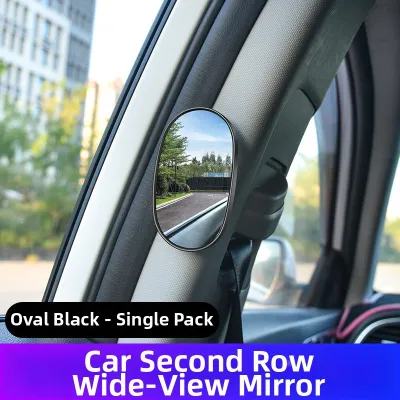
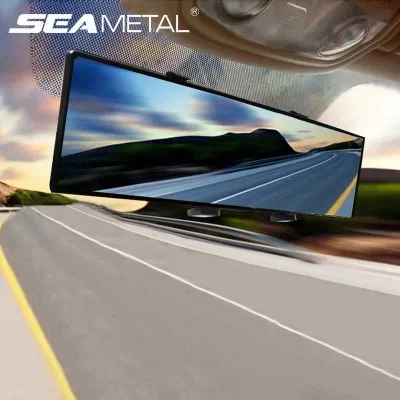
Prices are valid at publication and may change. Please refer to the product page for the latest price.
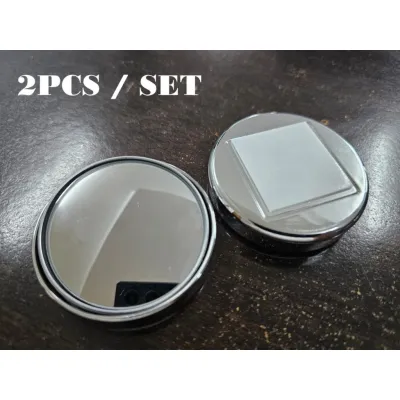
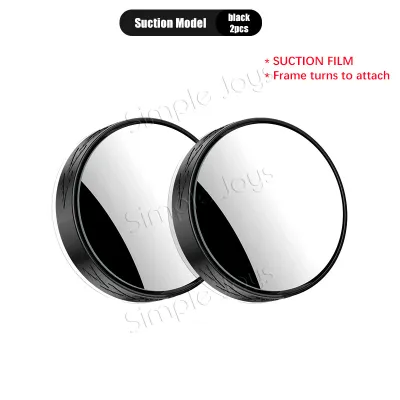
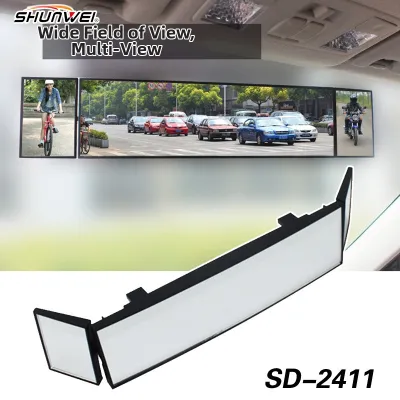
It is important to distinguish between interior wide-angle rearview mirrors and exterior blind-spot mirrors, as they serve different primary functions. An interior wide-angle rearview mirror replaces or clips over your existing central mirror, expanding your field of view to cover the entire rear cabin and the side windows. This allows you to monitor overall rear traffic patterns and see vehicles approaching from behind before they enter your side blind spots. In contrast, exterior blind-spot mirrors are small, convex mirrors attached directly to your side wing mirrors, specifically designed to show adjacent lanes and low-lying obstacles next to your rear wheels.
Certain drivers and vehicle profiles benefit far more from an interior wide-angle upgrade than others. If you drive a multi-purpose vehicle (MPV) or a sports utility vehicle (SUV), the long cabin and elevated seating position often create massive blind spots directly behind the rear passenger rows. Similarly, commercial vans or hatchbacks with small, highly angled rear windows suffer from severely restricted rear visibility. Upgrading to a properly sized wide-angle rear mirror helps restore this lost visibility, allowing you to navigate congested urban expressways with greater confidence and safety.
Decoding Specifications: Viewing Angle, Curvature, and Size
Selecting the right wide-angle mirror requires a clear understanding of three core technical specifications: viewing angle, curvature, and physical dimensions. These factors directly influence how much of the surrounding road is visible, how realistic the reflected image appears, and whether the mirror will physically fit into your car’s cabin without obstructing your forward view.

Viewing Angles: 120° vs. 170° vs. 180°
The degree markings on a wide-angle mirror represent the horizontal arc of the field of view that the mirror can capture and reflect to the driver’s eyes. A standard OEM rearview mirror typically offers a narrow viewing angle of around 60 to 90 degrees, which limits your view strictly to the rear windscreen. Upgrading to a wide-angle mirror increases this coverage significantly, but more is not always better, as there is a direct trade-off between the width of the view and the clarity of the image.
Wider angles, such as 170-degree and 180-degree mirrors, provide an expansive, panoramic view that covers almost the entire rear cabin, the rear passenger side windows, and parts of your side blind spots. However, to capture such a wide field of view within a standard-sized mirror frame, the glass must be highly curved. This extreme curvature causes a “fisheye” effect, making objects at the outer edges of the mirror appear highly distorted, bent, and significantly smaller than they actually are.
For most standard sedans, station wagons, and hatchbacks, a moderate viewing angle of 120 to 140 degrees offers the most balanced performance. These mirrors provide a noticeable expansion of your field of view—allowing you to see out of the rear-quarter windows—without causing excessive edge distortion or making vehicles behind you look deceptively far away.
Curvature and Depth Perception
Most wide-angle rearview mirrors utilize a convex glass design, which curves slightly outward to bend light rays and capture a wider field of view than flat glass. While this curvature is highly effective at eliminating blind spots, it introduces a well-known optical side effect: objects in the mirror are closer than they appear. Because the convex surface compresses the reflected image, vehicles behind you will seem smaller and further away, which can severely compromise your ability to judge their speed and distance accurately.
To compensate for this distance distortion, drivers must train themselves to use multiple reference points before making a maneuver. You should never rely solely on a convex wide-angle mirror to judge whether it is safe to change lanes or merge. Instead, use the wide-angle mirror as an initial warning system to detect the presence of a vehicle, and then verify its actual distance and speed using your flat side mirrors and a physical shoulder check.
Furthermore, highly curved convex mirrors should not be relied upon for precise reversing maneuvers, such as parallel parking or backing into tight spaces. The distortion makes it incredibly difficult to judge the exact distance between your rear bumper and an obstacle. For reversing, always combine your rearview mirror observations with your vehicle’s backup camera, parking sensors, and direct line-of-sight checks through the rear window.
Sizing and Proportions
Before purchasing any wide-angle mirror, you must measure your existing OEM setup to ensure a proper physical fit. Using a measuring tape, record the exact length and height of your original rearview mirror, paying close attention to its thickness and the design of the mounting arm behind it. Many modern vehicles feature bulky plastic housings behind the mirror that contain rain sensors, forward-facing cameras, or advanced driver assistance systems (ADAS), which can limit the clearance available for aftermarket mirrors.
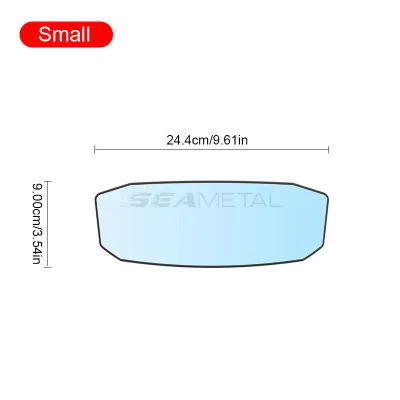
You must also consider the physical dimensions of the wide-angle mirror in relation to your car’s windscreen and sun visors. A mirror that is too long (such as those exceeding 300mm in length) may strike your sun visors when you try to fold them down, or it may block a significant portion of your forward line of sight through the windscreen. Ensure that the new mirror’s height does not obscure your view of the road ahead, particularly when navigating right-hand bends or looking out for pedestrians at crossings.
Additionally, check that the mirror’s placement does not block or conflict with the defroster lines on your rear windscreen. If the mirror is positioned too high or too low, the angle of reflection might align directly with a thick defroster wire, creating an annoying horizontal line across your main field of view.
Choosing the Right Mount: Clip-On, Adhesive, or Replacement
How the mirror attaches to your vehicle affects its stability, visual neatness, and compatibility with your car’s existing features. There are three primary mounting methods available on the market, each with distinct advantages and trade-offs.
Clip-On and Strap-On Mirrors
Clip-on and strap-on mirrors are the most popular and widely available aftermarket options due to their simplicity and non-destructive installation. These units feature spring-loaded clamps or adjustable rubber straps on the back that slide directly over your existing OEM rearview mirror, holding the new, wider glass firmly in place over the old one.
- Pros: Extremely easy to install without tools, highly affordable, and completely reversible, making them ideal for rental cars or leased vehicles where permanent modifications are prohibited.
- Cons: Because they add significant weight to the original mirror assembly, they can cause the mirror to vibrate or sag when driving over rough road surfaces or speed bumps. Additionally, the added bulk can look unappealing from the outside of the vehicle, and the clamps may not fit securely on modern OEM mirrors with thick, rounded casings or frameless designs.
Before purchasing a clip-on mirror, always verify the maximum clamp opening width and strap length specified by the manufacturer. Measure the thickness and height of your OEM mirror at its thickest point to ensure the clamps can grip the casing securely without slipping or putting excessive pressure on the original glass.
Adhesive and Suction Mounts
Adhesive and suction mounts are primarily utilized for small, exterior blind-spot mirrors, though some specialized interior wide-angle mirrors also use them. These mounts rely on high-strength double-sided tape (such as 3M automotive acrylic foam tape) or heavy-duty suction cups to attach directly to the existing glass surface or the windshield.
While adhesive tape provides a very firm hold, it can leave behind a stubborn, sticky residue that is difficult to clean if you ever decide to remove the mirror. Furthermore, suction cups are highly susceptible to environmental factors. In tropical climates with intense solar heat and high humidity, the air inside a suction cup can expand, causing the seal to fail unexpectedly and the mirror to fall while you are driving.
Because of these risks, adhesive and suction mounts are generally not recommended for heavy, full-size interior wide-angle mirrors. The constant vibrations of the vehicle, combined with the weight of the mirror, will eventually fatigue the adhesive or suction seal, leading to a sudden drop that can distract the driver or damage the center console.
Full Replacement Mirrors
For drivers seeking a clean, factory-installed look and maximum stability, a full replacement wide-angle mirror is the premium option. This method involves removing the entire OEM rearview mirror assembly from the windshield mount and installing a new, wider mirror unit directly onto the existing metal bracket (often called a wedge, button, or screw mount).
- Benefits: This setup offers the cleanest interior aesthetic, as there are no visible clamps, straps, or double-layered mirrors. Because the mirror is mounted directly to the windshield bracket, it is highly stable and virtually free of the annoying vibrations that plague clip-on models.
- Considerations: You must carefully verify the mounting bracket type on your windshield before purchasing, as different car manufacturers use proprietary mounting designs. Some brackets require specialized adapters to accept aftermarket mirrors.
Furthermore, you must be extremely cautious if your OEM mirror features integrated electronics. Many modern cars have auto-dimming glass, built-in compasses, rain sensors, or integrated dashcams wired directly into the rearview mirror housing. Replacing the entire unit will disconnect these features unless you purchase a highly specialized, compatible replacement mirror that supports your vehicle’s specific wiring harness and electronic functions.
Essential Features for Singapore's Tropical Climate and Traffic
Driving in Singapore presents unique environmental and road conditions that should actively influence your choice of a wide-angle rear mirror. From intense tropical weather to dense, fast-moving traffic, certain mirror features are essential for maintaining safety and visibility.
Night driving on local expressways like the PIE, AYE, or CTE can be highly fatiguing due to glare from the headlights of following vehicles, especially lifted SUVs, commercial vans, or vehicles with improperly aligned aftermarket LED lights. To combat this, look for wide-angle mirrors equipped with advanced anti-glare features. A blue-tinted mirror glass is a highly effective, passive solution that filters out harsh yellow and white light wavelengths, significantly reducing eye strain. Alternatively, premium replacement mirrors may offer electrochromic auto-dimming technology, which uses light sensors to automatically darken the glass when high beams are detected behind you.
Singapore’s tropical climate is characterized by sudden, heavy monsoon downpours and high relative humidity, which can quickly compromise your visibility. When warm, humid air inside the cabin meets a cold windscreen (often cooled by the air conditioning system), condensation can form on the surface of your interior mirrors. To prevent this, look for mirrors with anti-fog coatings. For exterior blind-spot mirrors, a hydrophobic coating is absolutely critical; this chemical treatment forces rainwater to bead up and roll off the glass instantly, ensuring your side views remain clear even during torrential rain.
Operating in a left-hand traffic system means that the driver sits on the right side of the vehicle. In this configuration, your primary blind spot is on the left (passenger) side of the car, which is further away from your natural line of sight. An interior wide-angle mirror is incredibly useful here, as it allows you to easily monitor the left-side rear cabin window and detect vehicles or motorcycles approaching from your left rear. However, because Singapore’s expressways feature heavy motorcycle filtering, you should always pair your interior wide-angle mirror with a high-quality, exterior right-side blind-spot mirror. This dual-setup ensures that you can safely monitor both sides of your vehicle before executing rapid lane changes in dense traffic.
Recommended Wide-Angle Mirror Setups by Vehicle Type
To help you make an informed decision, we have outlined the most effective wide-angle mirror configurations tailored to specific vehicle classes and driving environments.
Best Setup for Compact Sedans and Hatchbacks
For smaller passenger vehicles, such as compact sedans and hatchbacks, space is at a premium, and the distance between the driver and the rear window is relatively short.
- Recommended Angle: 120° to 140°
- Mounting Type: Frameless clip-on mirror
- Key Reason: In a small cabin, a mirror with a very wide angle (170° or 180°) will cause excessive image distortion, making cars directly behind you look much further away than they are. This makes merging highly dangerous. A moderate 120° to 140° angle provides the perfect amount of extra width to see out of your rear-quarter windows without compromising depth perception.
- Aesthetic Choice: A frameless design is highly recommended for compact cars. It reduces visual clutter on your windshield, maintains a modern, clean aesthetic, and ensures that the mirror does not interfere with the sun visors when they are deployed.
Best Setup for SUVs and MPVs
Large family vehicles like SUVs and MPVs feature long cabins, multiple rows of seats, and tall headrests that frequently block the driver’s line of sight through a standard mirror.
- Recommended Angle: 170° to 180°
- Mounting Type: Full replacement mirror or heavy-duty, large clip-on
- Key Reason: To see past multiple rows of passengers and headrests, you need a wide, panoramic field of view. A 170° to 180° mirror allows you to see the entire rear cabin and out of the far-left and far-right rear windows, effectively eliminating the blind spots caused by the vehicle's long body.
- Crucial Feature: Prioritise high-quality anti-glare coatings (such as blue tint or auto-dimming). Because these mirrors have a much larger surface area than standard mirrors, they collect and reflect significantly more headlight glare from vehicles behind you at night, which can be highly distracting without proper filtration.
Best Setup for Towing or Commercial Vehicles
Drivers of commercial vans, light trucks, or vehicles towing trailers face unique visibility challenges, as the rear window may be completely blocked by cargo, partitions, or the trailer itself.
- Recommended Setup: Highly convex 180° interior mirror paired with extended exterior towing mirrors
- Mounting Type: Heavy-duty mechanical clamp or direct bracket replacement
- Key Reason: Commercial vehicles generate significant vibrations, especially when unladen or driving on uneven industrial roads. A standard strap-on mirror will shake violently, making the reflected image unusable. You must use a heavy-duty mounting mechanism that locks securely onto the OEM arm or replaces it entirely.
- Safety Note: Because interior visibility may be completely obstructed by cargo, an interior wide-angle mirror must be treated as a secondary tool. It should always be supplemented with extended, wide-angle exterior towing mirrors mounted on both sides of the vehicle to provide a clear view of adjacent lanes and the length of the trailer.
Safe Installation and Pre-Drive Checks
Proper installation and adjustment are critical to ensuring that your aftermarket wide-angle mirror enhances your safety rather than creating new hazards. Follow these steps to secure and calibrate your mirror before driving on public roads.
First, prepare the mounting surface thoroughly. If you are installing a clip-on mirror, use a clean microfiber cloth and a small amount of isopropyl alcohol to wipe down the casing and glass of your original OEM mirror. This removes any dust, finger oils, or interior dressing sprays, allowing the rubber pads on the clips to grip the plastic securely. For adhesive mounts, cleaning the glass or windshield surface with isopropyl alcohol is absolutely mandatory to ensure a strong, permanent chemical bond. Allow the alcohol to dry completely before applying any adhesive tape.
Once the mirror is mounted, sit in your normal driving position to adjust its angle. Your goal is to maximize your view through the rear windscreen while minimizing the amount of the car’s interior—such as your own head, the front passenger seat, or the roof headliner—visible in the glass. The mirror should be angled so that you can see the entire width of the rear window, with the horizon line positioned roughly in the middle of the mirror’s vertical axis.
If you are installing a full replacement mirror, stop immediately and consult your vehicle’s manufacturer manual or a qualified automotive technician if the installation process requires you to work near airbag deployment zones (such as the A-pillars), or if it interferes with windshield-mounted ADAS sensors, rain sensors, or forward-facing cameras. Never force a bracket that does not fit perfectly; a loose or improperly installed mirror can fall off during a collision, potentially causing severe injury to the occupants.
Finally, always test the stability and visibility of your new mirror in a safe, stationary environment before merging into traffic. Start your engine and let it idle to check if engine vibrations cause the mirror glass to shake. If the image is blurry or vibrating, adjust the clamps or tighten the mounting screws. Drive slowly around a quiet carpark or residential street to get accustomed to the altered depth perception before entering busy expressways.
Frequently Asked Questions (FAQ)
Can I use a wide-angle rear mirror if my car has an auto-dimming OEM mirror?
Yes, but you must choose your mounting method carefully. If you install a standard clip-on wide-angle mirror, it will physically cover the light sensors built into your original auto-dimming mirror, completely disabling the automatic dimming function. To preserve this feature, you should avoid clip-on models and instead opt for a high-end full replacement wide-angle mirror that features its own integrated auto-dimming electronics, or rely on high-quality exterior blind-spot mirrors to expand your field of view.
Do wide-angle mirrors eliminate the need to check my side mirrors?
No, wide-angle mirrors do not eliminate the need for comprehensive mirror checks and physical shoulder checks. While an interior wide-angle mirror significantly reduces your blind spots, it cannot capture the areas immediately adjacent to your rear doors, especially in multi-lane traffic or when motorcycles are filtering between lanes. For safe lane changes, you must always combine the view from your interior mirror with your side wing mirrors and perform a physical head check over your shoulder.
Will a clip-on mirror damage my original rearview mirror?
In most cases, clip-on mirrors will not cause damage if they are designed with soft rubber or foam padding on the mounting clamps. However, prolonged use, over-tightening, or driving frequently on rough roads can cause the clamps to rub against the OEM mirror casing, potentially leaving minor scuff marks, scratches, or stress wear on the plastic. To prevent this, choose a clip-on mirror with high-quality, thick padding, and periodically remove the mirror to clean both the OEM casing and the clamps.
Community discussion
Share your experience or ask a question. Comments are reviewed before publication.