
Selecting the right wheel brush is the difference between maintaining a pristine, showroom-quality shine and covering your wheels in permanent micro-scratches. In Singapore’s tropical climate, frequent rain showers combine with intense stop-and-go city traffic to create a harsh environment for your vehicle. Brake dust, road grime, and environmental contaminants bond quickly to hot metal surfaces, making regular cleaning essential. However, using the wrong tool can permanently damage your wheel’s protective clear coat or delicate finish. To find the perfect wheel brush, you must match the bristle softness directly to your specific wheel finish and choose a brush shape that fits your wheel’s geometric design.
Diagnose Your Wheel Finish and Surface Condition
Before purchasing any detailing tool, you must accurately identify the exact finish applied to your wheels. Most modern passenger vehicles feature clear-coated alloy wheels, which have a protective layer of clear paint over the aluminum. Other common finishes include high-gloss chrome, polished bare metal (which lacks a protective clear coat), painted finishes, and modern matte or satin coatings. Each of these surfaces reacts differently to friction and chemical cleaners, meaning a brush that is safe for one finish could easily ruin another.
Take a close look at the current condition of your wheels under bright, direct lighting. Look for signs of wear such as peeling or bubbling clear coat, deep pitting from road salt or brake dust, and heavy, baked-on black residue. If the clear coat is already peeling or compromised, any mechanical agitation from a brush can accelerate the damage, lifting larger flakes of paint from the metal surface.
Products mentioned in this guide
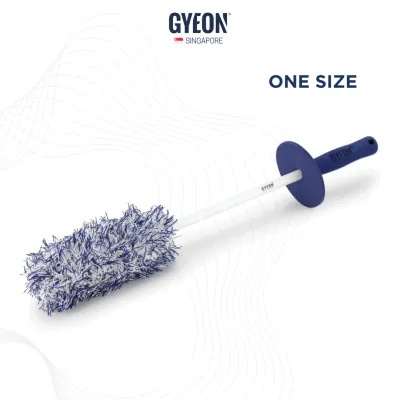
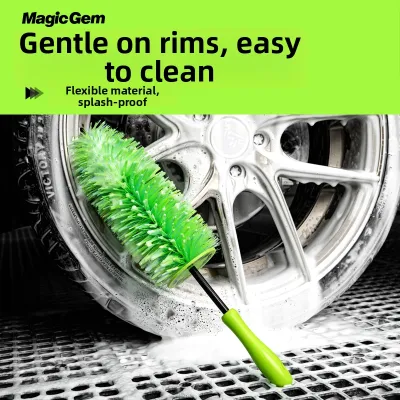
![[SG STOCK] Microfiber Wheel Brush Long Reach Rim Cleaning Brush | Scratch Safe Wheel Barrel Cleaner](https://img.lazcdn.com/g/p/f6ac70448454d1f1bdd7d2bb31ec0995.png_400x400q80.png_.webp)
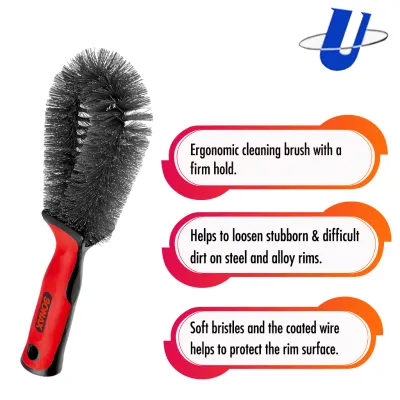
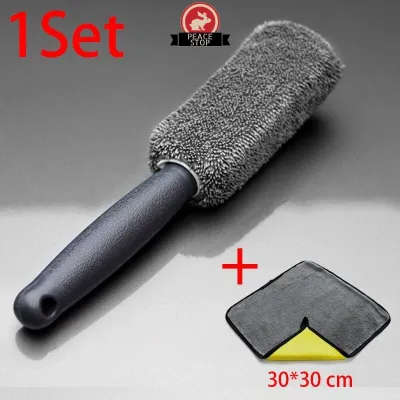
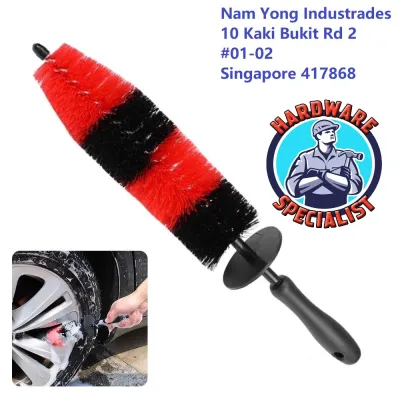
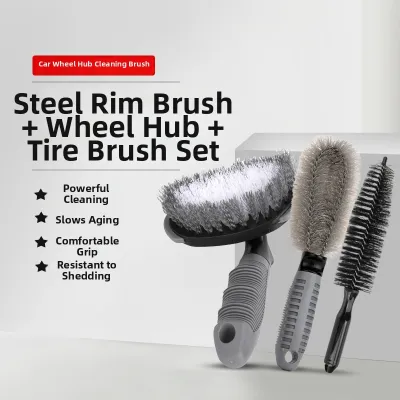
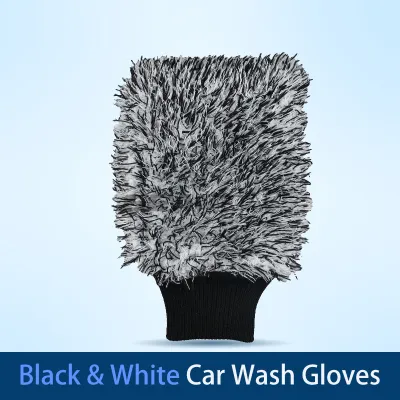
Prices are valid at publication and may change. Please refer to the product page for the latest price.
Always consult your vehicle manufacturer’s owner manual or specific wheel care documentation before introducing new tools or chemicals. Some manufacturers explicitly warn against using certain types of brushes or acid-based cleaners on their factory finishes. If you are dealing with aftermarket wheels, check the manufacturer’s website for care guidelines. If instructions conflict, the wheel finish is unidentified, or the intended use is not covered, stop and consult the manufacturer or a qualified professional detailing specialist to avoid costly damage.
Match Bristle Softness to Your Specific Wheel Finish
The stiffness of a brush’s bristles determines how safely and effectively it can agitate dirt without digging into the wheel’s surface. Choosing the wrong bristle type is the primary cause of unsightly swirl marks and dullness.

Soft Bristles for Delicate and Glossy Finishes
For painted, clear-coated, chrome, and polished bare metal wheels, soft bristles are absolutely mandatory. High-quality synthetic boar’s hair, ultra-soft microfiber, or flagged synthetic fibers are the preferred materials for these delicate surfaces. Flagged bristles have split ends that create a plush, cushion-like contact patch, which gently lifts abrasive brake dust away from the surface rather than dragging it across the finish.
Matte and satin finishes require exceptionally soft, non-abrasive bristles. These finishes rely on a rough microscopic surface texture to scatter light and maintain their flat appearance. If you use a stiff or moderately abrasive brush on a matte wheel, you risk polishing down these microscopic peaks over time. This creates permanent, patchy glossy spots that cannot be repaired without completely refinishing the wheel.
Medium to Stiff Bristles for Durable or Textured Surfaces
Medium-stiffness bristles should be approached with extreme caution. They are generally suitable only for rugged, unpainted steel wheels, heavy-duty textured alloys, or some industrial utility wheels. While they are highly effective at scrubbing away stubborn, baked-on grime, their rigid structure will easily scratch high-gloss clear coats and chrome.
Stiff bristles are generally unsafe for the face of any modern passenger car wheel. These rigid fibers should be reserved exclusively for heavy-duty commercial applications, agricultural vehicles, or the tough rubber sidewalls of your tires. Never allow a stiff-bristled tire brush to slip and make contact with the delicate face of your alloy wheels, as it will leave deep, highly visible scratches instantly.
Checking Bristle Safety Before Use
Before touching your wheels with a new brush, perform a simple physical check. Press the bristles firmly against the back of your clean hand and sweep them back and forth. If the fibers feel scratchy, prickly, or cause any discomfort on your skin, they are likely too harsh for a delicate clear-coated or painted wheel.
Additionally, always verify the brush manufacturer’s product packaging or official documentation for explicit finish compatibility claims. Do not rely solely on generic material descriptions like “nylon” or “plastic,” as these polymers can be manufactured in widely varying levels of stiffness and thickness.
Choose the Right Brush Shape for Your Wheel Geometry
The physical architecture of your wheels dictates the shape and size of the brushes you need. A single brush is rarely sufficient to clean every nook and cranny of a modern wheel design safely and thoroughly.
Barrel and Cylinder Brushes for Deep Barrels
The inner barrel of the wheel—the wide area behind the spokes—collects the vast majority of brake dust and road grime. Long, cylindrical barrel brushes, often called spoke brushes, are specifically engineered to reach deep into this cavity. They typically feature a flexible wire core covered in soft microfiber or non-scratch synthetic bristles, allowing you to clean the entire depth of the wheel without removing it from the car.
Before inserting a barrel brush, you must visually estimate or measure the clearance between your brake caliper and the inner surface of the wheel barrel. If the clearance is tight, forcing a large-diameter brush into the gap can compress the bristles completely, causing the metal core of the brush to scrape against the caliper or the wheel rim. Choose a slim-profile barrel brush with a rubber or plastic safety tip to prevent metal-on-metal contact.
Flat and Tapered Brushes for Faces and Spokes
For the broad, flat outer faces of your wheels and the wide surfaces of the spokes, a flat, short-handle wheel face brush is highly efficient. These brushes feature a large, dense block of soft bristles that covers a wide surface area, allowing you to quickly sweep away loose dirt with minimal effort.
If your wheels feature an intricate multi-spoke, mesh, or split-spoke design, flat brushes will struggle to reach into the narrow angles. In these scenarios, a tapered or wedge-shaped brush is invaluable. The narrow, angled profile of a tapered brush allows it to slide cleanly into tight V-shaped gaps and clean the sides of the spokes right down to the base where they meet the rim.
Detailing Brushes for Crevices and Lug Nuts
The small, recessed areas around your lug nuts, valve stems, center caps, and tire valves are notorious traps for stubborn brake dust. Standard wheel brushes are simply too bulky to penetrate these tight pockets, leaving unsightly dark rings of dirt behind.
A dedicated, small-diameter detailing brush with a round, soft bristle head is the ideal tool for these precision areas. Ensure the detailing brush has flagged tips to gently agitate the dirt without scratching the surrounding paint. Work the brush in gentle, circular motions around each lug nut to safely lift away accumulated debris.
Apply Safe Cleaning Techniques to Prevent Scratches
Even the highest-quality wheel brush can cause scratches if used with poor technique or under the wrong environmental conditions. Following a disciplined cleaning process is vital to preserving your wheels’ finish.
Always ensure your wheels are completely cool to the touch and parked out of direct sunlight before starting. In Singapore’s hot climate, applying water or cleaning chemicals to a hot wheel will cause them to evaporate almost instantly. This rapid drying can leave permanent chemical etching, unsightly water spots, and dried soap residue that is incredibly difficult to remove.
Begin by thoroughly rinsing the entire wheel and tire assembly with a strong stream of water to flush away loose, abrasive road grit and heavy mud. Skipping this step means your brush will trap these hard particles against the wheel face, turning your soft brush into a piece of sandpaper that grinds scratches into the clear coat.
Keep your wheel cleaning tools completely separate from the rest of your car wash equipment. Use a dedicated bucket for your wheels, and never use your wheel brushes on your car’s painted body panels, as the highly abrasive brake dust trapped in the bristles will severely scratch your vehicle’s paintwork. Furthermore, ensure you use a dedicated wheel cleaning solution that is compatible with your specific wheel finish, and use it strictly according to the product label’s dilution and dwell-time instructions.
Finally, establish a clear safety boundary for your DIY cleaning. If you observe that your wheel’s clear coat is actively peeling, or if the metal surface feels exceptionally rough, pitted, or structurally compromised, stop using mechanical brushes immediately. In these situations, further scrubbing will only worsen the damage; instead, consult a professional automotive detailer or a certified wheel restoration specialist to assess the wheels and recommend a safe course of action.
Frequently Asked Questions (FAQ)
Can I use a regular household scrub brush on my car wheels?
No, you should never use a household scrub brush on your car wheels. Household brushes are typically designed for durable surfaces like bathroom tiles or grout and feature stiff, unflagged synthetic bristles. These rigid fibers will quickly inflict heavy swirl marks, micro-scratches, and dullness on delicate automotive clear coats, painted finishes, and chrome. Always invest in brushes specifically designed and labeled for automotive wheel use.
How often should I replace my wheel brush?
You should replace your wheel brush as soon as the bristles become permanently splayed, flattened, or deformed, as they lose their cleaning efficiency and can expose the hard core of the brush. Additionally, if the bristles become deeply embedded with metallic brake dust or road grit that cannot be thoroughly washed out, discard the brush immediately. Continuing to use a contaminated brush will grind those trapped abrasive particles directly into your wheel’s finish, causing severe scratching.
Community discussion
Share your experience or ask a question. Comments are reviewed before publication.