
Navigating tight urban spaces, narrow multi-storey ramps, and crowded parallel parking lots requires precision. A reliable parking assist system is one of the most practical upgrades you can make to your vehicle, helping you avoid costly bumper scrapes and low-lying obstacles. VSysto offers a range of parking sensors and camera systems designed to improve rear and front visibility. However, choosing the right system is not a one-size-fits-all decision.
To find the ideal setup, you must evaluate your vehicle’s specific dimensions, your daily driving environments, and the technical compatibility of your car’s electrical system. This guide breaks down the key factors to consider, from sensor types and camera fields of view to critical installation safety boundaries, ensuring you select a system that integrates seamlessly with your vehicle. Taking the time to verify these details beforehand can prevent bumper repairs that can easily cost upwards of S$300 in local workshops.
Understanding the Main Types of VSysto Parking Systems
Ultrasonic sensor-only systems rely on high-frequency sound waves to detect obstacles behind or in front of your vehicle. The sensors emit acoustic pulses that bounce off nearby objects, and the system calculates the distance based on the return time of the signal. This data is translated into progressive audible beeps; the closer you get to an obstacle, the faster the beeps become. Sensor-only setups are highly effective for drivers who prefer to keep their eyes on their side and rearview mirrors while parking, using the audio cues as a supportive safety net without dashboard screen distractions.
Products mentioned in this guide
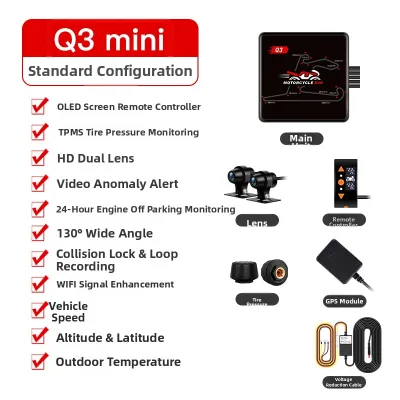
Prices are valid at publication and may change. Please refer to the product page for the latest price.
Reverse camera-only systems replace or supplement audio cues with a live video feed of the area directly behind your vehicle. The camera is typically mounted near the rear license plate or tailgate handle, sending a wide-angle visual feed to a dashboard monitor or an integrated rearview mirror display. This setup is exceptionally useful for identifying hazards that ultrasonic sensors might miss, such as thin metal poles, low curbs, or small objects on the ground. It provides a clear, real-time view of your blind spots, giving you visual confidence when backing into tight spaces.
Combined sensor and camera systems merge both technologies into a single interface for the highest level of situational awareness. These systems overlay real-time distance measurements, color-coded gridlines, and visual warning zones directly onto the live camera feed, while simultaneously providing progressive audible alerts. This dual-sensory feedback is incredibly valuable when navigating complex parking environments, such as busy loading bays or tight parallel spots where you must monitor multiple angles at once. By combining visual confirmation with acoustic warnings, these systems minimize the cognitive load on the driver during difficult maneuvers.
Matching the System to Your Vehicle Size and Blind Spots
Vehicles with smaller footprints, such as hatchbacks and compact sedans, naturally have smaller blind spots, but their low rear windows can still obscure short obstacles. For these vehicles, a standard 4-sensor rear setup or a basic wide-angle reverse camera is usually more than sufficient. Because the bumper surface area is limited, a 4-sensor configuration provides complete coverage across the rear width without requiring excessive drilling or cluttering the vehicle’s clean lines.

Larger vehicles present much more significant blind zones, particularly directly behind the tailgate and around the front corners. For mid-size to large SUVs and multi-purpose vehicles (MPVs), a more comprehensive setup is recommended. This often involves a 6-sensor or 8-sensor configuration, which adds front-facing sensors to assist with tight turns in narrow multi-storey car parks. Additionally, cameras with wider viewing angles or those featuring dynamic trajectory lines—which bend as you turn the steering wheel—are highly beneficial for guiding these larger bodies into standard-sized parking lots.
Pickups, vans, and light commercial vehicles present unique challenges due to their high ride heights, long wheelbases, and solid rear profiles. When selecting a system for these vehicles, you must verify the camera’s mounting height and angle to ensure it points downward enough to capture low-lying hazards. Sensor detection angles must also be carefully checked; if mounted too high or angled incorrectly, they may overshoot obstacles entirely or constantly detect the road surface. Furthermore, because of the extended wheelbase, you must verify that the system’s wiring harness is long enough to run from the rear bumper to the cabin display without requiring unsafe splicing.
Choosing Features Based on Your Daily Parking Scenarios
If your daily commute involves navigating tight multi-storey car parks in Singapore, narrow ramps, or parallel parking along busy streets, your system needs to offer rapid response times. Look for parking systems with high-refresh-rate distance displays that update instantly as you move. Front and side-facing sensors are also highly valuable in these scenarios, as they help you monitor bumper clearance against concrete pillars and adjacent vehicles while swinging into tight angles.
Many urban parking spaces feature low-lying concrete wheel stops, metal bollards, or folding parking locks. Standard parking sensors can sometimes fail to detect these objects if they fall below the sensor’s active field of view. Before purchasing, verify the vertical detection angle of the ultrasonic sensors in the product specifications. A wider vertical angle ensures that the system can register low obstacles before your bumper or undercarriage makes contact, saving you from expensive cosmetic or structural damage.
Dark basement car parks, unlit alleyways, and rainy nights can severely compromise rear visibility. If you frequently park in low-light conditions, a standard camera may produce a grainy, unusable image. It is essential to assess the camera’s low-light sensitivity or check if it features infrared night vision capabilities. A high-quality sensor can leverage the vehicle’s reverse lights to illuminate the area, providing a clear, high-contrast image on your dashboard screen even in near-total darkness.
Essential Specifications to Verify Before Purchase
Before purchasing any parking sensor kit, you must inspect your vehicle’s bumper material. Most standard ultrasonic sensors are designed for plastic bumpers, which do not interfere with the sensor’s acoustic vibrations. If your vehicle has a metal bumper—common on off-road vehicles, utility pickups, and commercial vans—standard flush-mount sensors can experience constant false alarms due to metal-to-metal contact and electromagnetic interference. You must verify if the kit includes specialized rubber isolation rings or if you need to purchase specific sensors engineered for metal surfaces.
Consider how you want to receive visual feedback inside the cabin. VSysto systems offer various display configurations, including standalone dashboard monitors, clip-on rearview mirror displays, or simple audio-only buzzers. Evaluate your vehicle’s dashboard layout and your personal sightlines. A standalone monitor must be positioned where it does not block your forward view of the road, while a rearview mirror display must fit securely over your existing mirror without interfering with sun visors or built-in sensors, such as auto-dimming features or rain sensors.
Parking assist systems typically draw power from the vehicle’s 12V reverse light circuit, activating automatically when you shift into reverse. However, many modern vehicles utilize complex CAN bus electrical systems that monitor bulb voltage. Directly tapping into these circuits can trigger dashboard error codes or cause the camera feed to flicker. You must verify your vehicle’s electrical specifications and determine if a specialized relay or power filter is required to stabilize the voltage. Additionally, always measure your vehicle’s wheelbase and compare it to the provided cable lengths to ensure a clean, continuous run without tension.
Installation Requirements and Safety Boundaries
Installing flush-mount parking sensors requires drilling precise holes into your vehicle’s bumper using a specialized hole saw. This modification is completely irreversible. Before drilling, you must verify what lies directly behind the bumper skin. Many modern vehicles house critical components in these areas, including blind-spot radar sensors, airbag impact sensors, and complex wiring harnesses. Because of the high risk of causing expensive, irreversible damage to these safety systems, professional installation by a qualified automotive technician is strongly recommended.
Splicing into your vehicle’s factory wiring harness carries inherent risks. Incorrect wiring can lead to short circuits, blown fuses, or even damage to the vehicle’s main electronic control unit (ECU). Always consult your vehicle’s original owner’s manual and official wiring diagrams to identify the correct power and ground sources. If your vehicle is still under manufacturer warranty, unauthorized electrical modifications can void your coverage. To maintain safety and warranty compliance, ensure all electrical connections are properly soldered, insulated with heat-shrink tubing, and routed away from moving parts or high-heat areas.
Once the physical installation is complete, you must not immediately rely on the system for daily driving. Proper calibration and testing are essential to ensure the sensors and camera are operating accurately. In a safe, open area, place physical obstacles of varying heights, such as cardboard boxes or traffic cones, behind the vehicle. Slowly reverse toward them to verify that the audible alarm thresholds and visual distance markers match the actual physical distance. Adjust the sensor angles if you experience false alarms from the ground or if the system fails to detect low-lying objects.
Frequently Asked Questions (FAQ)
Can I install a VSysto parking sensor on a car with a metal bumper?
Standard ultrasonic sensors cannot be mounted directly into a metal bumper. The metal surface conducts vibrations and causes electromagnetic interference, which leads to constant false alarms or system errors. To resolve this, you must use specialized sensors designed for metal bumpers, or install standard sensors using rubber isolation sleeves or non-metallic mounting brackets. These accessories physically decouple the sensor from the metal bumper, ensuring accurate acoustic readings.
Why is my reverse camera showing a blurred or flickering image?
A blurred image is usually caused by physical factors, such as road grime, water spots, or condensation trapped inside the camera lens housing. Cleaning the lens with a soft microfiber cloth often resolves this. Flickering, horizontal lines, or a rolling image, however, point to electrical issues. This is commonly caused by an unstable power supply from the reverse light circuit—frequent in vehicles with pulse-width modulation electrical systems—or a poor ground connection. Installing a power relay or a signal filter can stabilize the voltage and restore a clean video feed.
Do combined sensor and camera systems drain the car battery when parked?
When wired correctly, these systems do not drain the car battery. They are connected to the vehicle’s reverse light circuit or an accessory power source that only receives electricity when the ignition is turned on or when the reverse gear is engaged. The system shuts down completely when the vehicle is turned off. Parasitic battery drain only occurs if the system is incorrectly wired directly to a constant 12V battery source without a smart power-management relay or hardwire kit.
Community discussion
Share your experience or ask a question. Comments are reviewed before publication.