
The correct viscosity grade for your scooter engine oil is strictly determined by your manufacturer’s specifications for your exact model. There is no universal “best” oil thickness; instead, you must match the oil to the engine’s internal clearances, operating temperatures, and transmission design. Using the precise viscosity grade recommended in your owner’s manual ensures optimal lubrication, cooling, and wear protection.
In regions like Singapore, where warm weather and stop-and-go urban traffic are common, scooter engines face high thermal stress. These compact, high-revving engines rely heavily on the correct oil flow to dissipate heat. Deviating from the recommended viscosity can lead to accelerated engine wear, reduced fuel efficiency, or mechanical failure.
Decoding Viscosity Ratings on Scooter Engine Oil Bottles
Understanding the letters and numbers on a bottle of scooter engine oil is essential for making an informed choice. Most modern oils use the Society of Automotive Engineers (SAE) viscosity grading system, which features a multi-grade rating such as 10W-30 or 10W-40. This rating describes how the oil flows at both low and high temperatures.
Products mentioned in this guide
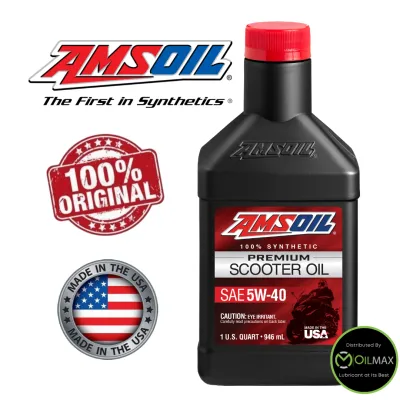
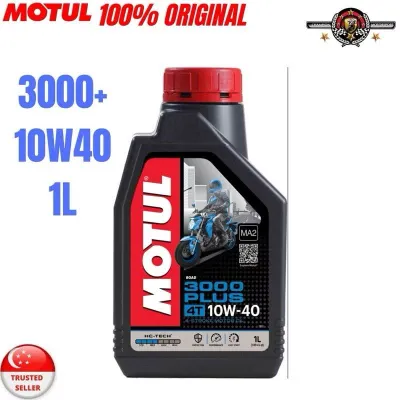
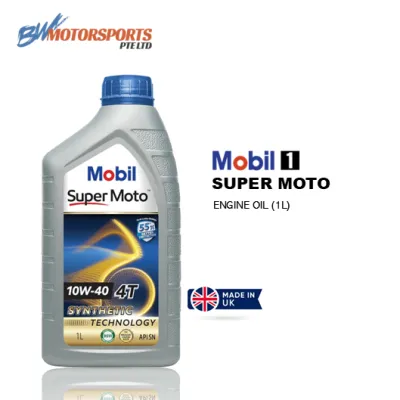
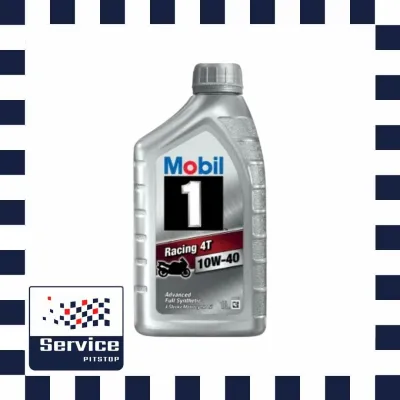
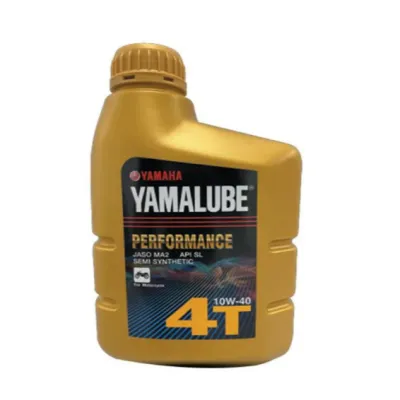
Prices are valid at publication and may change. Please refer to the product page for the latest price.
The first part of the rating, followed by the letter “W” (Winter), indicates the oil’s flow properties during cold starts. A lower number before the “W” means the oil remains more fluid at lower temperatures, allowing it to circulate rapidly through the engine immediately upon startup. The second number, such as 30 or 40, represents the oil’s viscosity at the engine’s normal operating temperature, typically measured at 100 degrees Celsius. A higher second number indicates a thicker oil film that provides robust protection under extreme heat.
Scooter engines require precise viscosity because they operate differently than standard motorcycles. Many scooters feature compact, high-revving engines that are either air-cooled or liquid-cooled, and they often utilize continuously variable transmissions (CVTs). Because these engines run at high revolutions per minute (RPM) to maintain speed, the oil must maintain a stable, protective barrier that does not shear or thin out excessively under intense thermal stress.
How to Find the Correct Viscosity for Your Scooter
To identify the exact oil specification required for your specific scooter model, always begin by consulting the lubrication specifications section of your owner’s manual. This document is the ultimate authority on your vehicle’s maintenance needs, detailing the exact viscosity grades tested and approved by the engineers who designed the engine. Using the specified grade is also crucial for maintaining any active manufacturer warranties.

If you do not have the physical owner’s manual, you can often find factory-printed viscosity recommendations directly on the scooter itself. Check the area around the oil filler cap, the engine casing, or the chassis nameplate located under the seat. Manufacturers frequently print the recommended viscosity grade, such as 10W-40, directly on these components to assist riders during routine maintenance.
In addition to the viscosity grade, you must understand the relationship between oil thickness and required performance standards. Scooters with automatic CVT transmissions typically use a dry clutch system, meaning the engine oil does not lubricate the clutch plates. Consequently, these models generally require oils certified under the JASO MB standard, which feature lower friction properties to maximize fuel efficiency. Always cross-reference the viscosity grade with the correct JASO standard specified in your manual.
When to Consider Alternative Viscosity Grades
While sticking to the factory-recommended oil is always the safest approach, there are specific scenarios where alternative viscosity grades within the manufacturer’s approved range may be considered. In consistently warm climates like Singapore, cold-start performance is rarely an issue, meaning the “W” rating is less critical than the high-temperature operating viscosity. If your manual provides a temperature chart showing multiple approved grades, you might select a slightly higher high-temperature rating, such as 10W-40 instead of 10W-30, if you frequently ride long distances under heavy loads.
However, you should avoid the common myth of using significantly thicker oil to compensate for a high-mileage engine. Some riders believe that switching to a very thick oil, such as a 15W-50, will automatically seal worn piston rings or stop minor oil leaks. Without a professional mechanical assessment, using an oil that is too thick can restrict oil flow through narrow internal passages, increase internal drag, raise operating temperatures, and accelerate wear on critical components like the oil pump.
The safety boundary for any oil change is clear: never switch viscosity grades outside the parameters explicitly permitted by the scooter manufacturer. If you are unsure whether a specific alternative grade is safe for your riding conditions, consult a qualified mechanic or an authorized service center. They can evaluate your scooter’s mechanical condition and recommend an approved oil that aligns with the original vehicle instructions.
Your Pre-Purchase Oil Verification Checklist
Before purchasing or pouring any oil into your scooter, perform a thorough verification check to ensure the product matches your vehicle’s requirements. First, match the primary viscosity grade (e.g., 10W-30) exactly to the manual’s primary recommendation or approved alternative list. Second, confirm the presence of the correct friction modifier standard, verifying whether your scooter requires JASO MB for dry-clutch CVT systems or JASO MA/MA2 for wet-clutch configurations.
Third, verify that the API (American Petroleum Institute) service classification meets or exceeds the minimum standard specified in your manual, such as API SL, SM, or SN. Finally, inspect the physical bottle to ensure the safety seal is intact, the packaging is free from damage, and the manufacturing or expiration date indicates the oil is fresh and free from contamination. Taking these steps prevents accidental engine damage and ensures your scooter runs smoothly.
Frequently Asked Questions (FAQ)
Can I mix two different viscosity grades of scooter engine oil?
Mixing two different viscosity grades is not recommended because it alters the final flow characteristics of the oil in unpredictable ways. Blending a 10W-30 with a 10W-40, for example, can disrupt the additive balance and compromise the oil’s ability to protect your engine under high heat. You should avoid topping up your engine with a different grade except in an absolute emergency; if you must do so, perform a complete oil and filter change as soon as possible to restore the correct viscosity.
Is thicker oil always better for protecting my scooter engine?
No, thicker oil is not inherently better and can actually harm your engine if it exceeds the manufacturer’s specifications. Oil that is too thick flows slowly during cold starts, leaving critical engine components temporarily unlubricated. It also increases internal fluid drag, which reduces fuel efficiency, lowers engine performance, and can cause the engine to run hotter. The specified grade in your manual is carefully engineered to match the precise clearances of your engine’s moving parts.
Does engine displacement change the required oil viscosity?
Engine displacement alone does not dictate the required oil viscosity. While larger maxi-scooters with higher displacements generate more heat, their internal clearances, cooling systems, and oil pumps are designed for specific oil flow rates. A 150cc scooter and a 300cc scooter might require completely different viscosity grades based on their unique engineering. Always refer to the specific model’s manual rather than making assumptions based on engine capacity.
Community discussion
Share your experience or ask a question. Comments are reviewed before publication.