
To choose the right tyre inflator in Singapore, you must match the device’s pressure capacity, valve compatibility, and power source to your specific vehicle type—whether it is a daily commuter car, a motorcycle, or a bicycle. Finding a practical balance between portability for roadside emergencies and stable power for routine maintenance ensures you are never left stranded with a flat tyre. By evaluating key specifications such as maximum pressure output, power delivery, and duty cycle, you can select a reliable tool that keeps your journeys safe and efficient.
Identify Your Vehicle's Pressure and Valve Requirements
To select a compatible tyre inflator, you must first understand the specific inflation needs of your vehicle. Every vehicle has distinct requirements for air pressure and valve connections, which dictate the type of inflator you should purchase.
The standard source for your vehicle’s correct tyre pressure is the manufacturer’s specification. For cars, this information is typically located on a placard inside the driver’s door jamb or in the owner’s manual. For motorcycles, you can often find these recommendations on a sticker on the swingarm or chain guard. Always refer to the recommended cold tyre pressure, which is the pressure measured before the vehicle has been driven or ridden, as driving heats up the tyres and temporarily increases the internal pressure.
Products mentioned in this guide
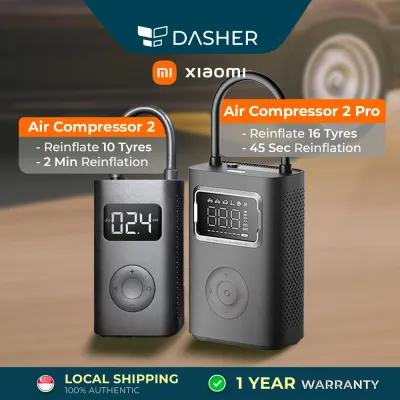
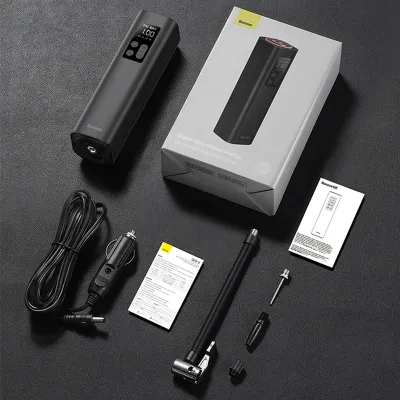
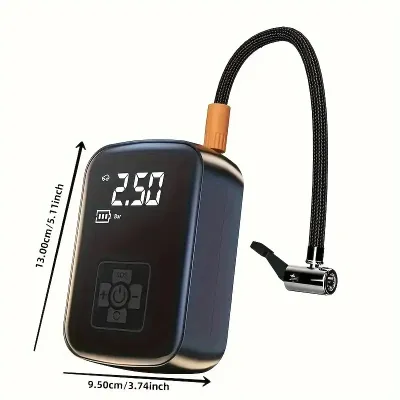
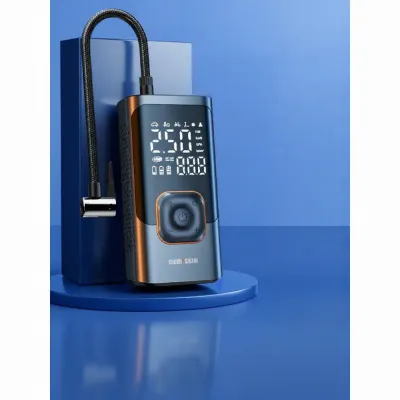
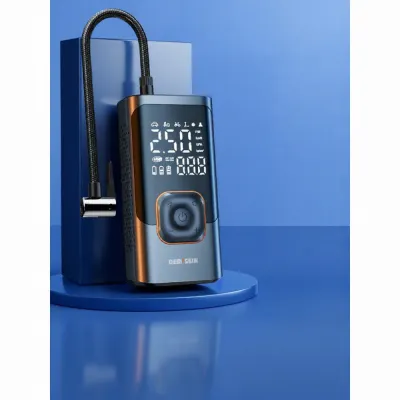
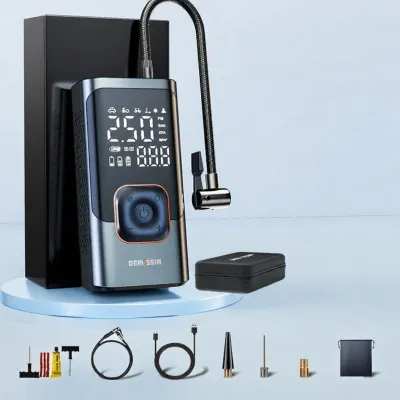
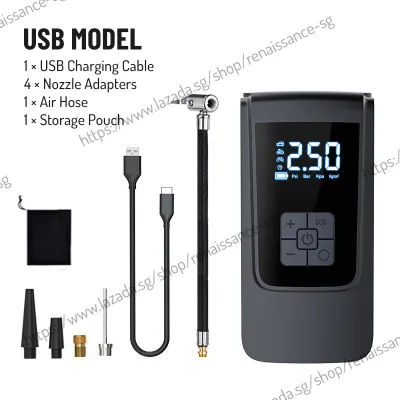
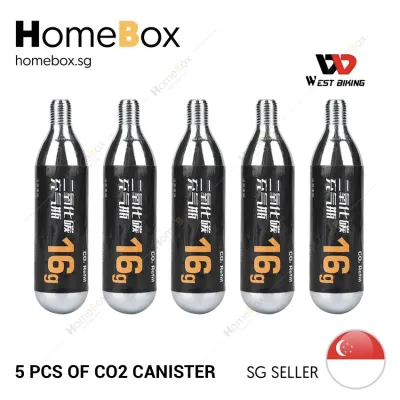
Prices are valid at publication and may change. Please refer to the product page for the latest price.
Next, identify the valve stem type on your tyres. The two most common types are Schrader and Presta valves. Schrader valves are wider with a threaded exterior and a spring-loaded central pin; they are the standard on almost all passenger cars, motorcycles, and utility vehicles. Presta valves are narrower, feature a lock nut that must be unscrewed before inflation, and are primarily found on high-pressure bicycle tyres, such as road bikes. Ensuring your chosen inflator natively supports your valve type, or comes with the correct adapters, is essential for a secure connection.
Finally, verify that the maximum pressure rating of the tyre inflator exceeds your vehicle’s requirements. While standard passenger cars typically require between 30 and 35 pounds per square inch (PSI), some high-performance vehicles, light commercial vans, or road bicycles may require 80 to over 100 PSI. Purchasing an inflator with a maximum output rating well above your highest target pressure ensures the motor does not struggle or overheat during use.
Choose the Right Power Source for Your Needs
Tyre inflators are powered in several ways, each offering distinct advantages depending on where and how you plan to use the device. Understanding these power configurations helps you choose a model that fits your lifestyle and storage habits.

A 12V car socket power inflator, often called a cigarette lighter plug-in model, is a practical choice for motorists. These units draw power directly from your vehicle’s electrical system, meaning you do not have to worry about keeping an internal battery charged. They are well-suited for storing in the car boot for unexpected roadside emergencies. However, their reach is limited by the length of the power cable and the air hose, so you must ensure the combined length can comfortably reach all four tyres from the cabin socket. Additionally, you must keep the vehicle’s engine running during operation to avoid draining the car battery.
Built-in battery, or cordless, tyre inflators offer high portability and convenience. These compact devices run on rechargeable lithium-ion batteries, making them popular among motorcyclists and cyclists who do not have access to a 12V socket while on the move. They allow you to inflate tyres anywhere without dealing with tangled cords. The primary trade-off is battery management; you must regularly check and recharge the unit, especially since extreme heat in a parked car or storage compartment can accelerate battery self-discharge over time.
Mains (AC) power inflators connect directly to standard household wall outlets. These units provide stable, continuous power and are practical for home garage maintenance, allowing you to inflate multiple tyres without worrying about battery life or vehicle ignition. However, they lack portability and cannot be used for roadside emergencies unless you have access to a portable generator or an inverter. Some hybrid models offer dual-power options, such as both 12V DC and AC inputs, providing the flexibility of home garage use and roadside backup in a single unit.
Assess Portability, Duty Cycle, and Practical Features
Beyond power and pressure, the physical design and operational limits of a tyre inflator determine how practical it is to use and store in Singapore’s unique environment.
Portability is a key consideration, especially if you have limited storage space. Motorcyclists and cyclists require lightweight, pocket-sized cordless inflators that can easily fit into a backpack, under-seat compartment, or pannier. Car owners have more flexibility but should still consider how much boot space a unit occupies. A compact, self-contained unit with dedicated storage slots for hoses and cables prevents clutter and protects the components from damage.
The duty cycle is a critical performance metric that represents the amount of time an inflator can operate continuously before it must be turned off to cool down. For example, a device with a 10-minute duty cycle requires a cooling period after 10 minutes of continuous running. Small, budget-friendly inflators often have shorter duty cycles and may overheat if you attempt to inflate four large SUV tyres consecutively. Understanding this limit prevents premature motor failure and ensures you choose a robust enough unit for your vehicle size.
Practical features can significantly improve the usability of a tyre inflator in challenging conditions. Look for models with a clear, backlit digital display that allows you to monitor pressure readings accurately, even in direct sunlight or at night. An automatic shut-off feature is highly beneficial, as it stops the inflator automatically once the pre-set pressure is reached, preventing over-inflation. Other valuable features include built-in LED work lights for nighttime roadside repairs, a flexible and durable air hose, and high-quality brass screw-on or quick-release connectors that minimise air leakage during attachment.
Match the Inflator to Your Specific Vehicle Type
To get optimal performance, you should select a tyre inflator tailored to the specific demands of your primary vehicle type.
For passenger cars, SUVs, and family vehicles, a 12V DC plug-in inflator is generally the most practical choice. Look for a model with a generous power cord length—typically three metres or more—paired with a flexible air hose to ensure you can reach the rear tyres of longer vehicles easily. The inflator should comfortably support pressures up to 50 PSI to handle standard tyres and temporary spare tyres, which often require higher pressures around 60 PSI.
Motorcyclists should prioritise compact, cordless battery-powered units or ultra-compact 12V models that connect directly to the motorcycle’s battery terminals or a dedicated accessory port. Because motorcycle wheels often have limited clearance around the brake discs and sprockets, a flexible air hose with a 90-degree right-angle chuck or a slim screw-on connector is recommended to access tight valve stem areas without bending the valve.
For bicycles, the requirements vary widely between commuter, mountain, and road bikes. Road bikes require high pressures, often between 80 and 120 PSI, which means you need an inflator capable of reaching these high limits without stalling. Mountain bikes require lower pressures but benefit from highly precise digital gauges that allow adjustments in half-PSI increments. Ensure the inflator includes a native Presta valve connector or a high-quality brass Presta adapter to avoid damaging the delicate valve cores during inflation.
Follow Safe Operation and Maintenance Practices
Operating a tyre inflator safely protects both your equipment and your personal safety. Always follow the manufacturer’s instructions and observe basic safety boundaries during use.
First, actively monitor the tyre pressure during the inflation process. Never rely solely on the inflator’s automatic shut-off; keep an eye on the gauge to ensure it does not exceed the maximum pressure limit moulded onto the tyre’s sidewall. This sidewall rating is the maximum pressure the tyre can safely hold, which is different from the manufacturer’s recommended running pressure found on the door jamb. Over-inflating a tyre can lead to a harsh ride, uneven wear, or a dangerous blowout.
Second, respect the device’s cooling intervals. If the inflator body or hose feels excessively hot to the touch, turn off the unit and allow it to cool completely before resuming. Running a hot inflator continuously can melt internal seals, damage the piston, or burn out the electric motor. This is especially important in Singapore’s warm, humid climate, where ambient temperatures can accelerate heat buildup in electrical appliances.
Finally, perform regular maintenance checks on your equipment. Inspect the power cords for fraying and the air hose for cracks, dry rot, or leaks before each use. Keep the connectors clean and free of dirt or debris that could prevent a tight seal. Store the inflator in a cool, dry place away from direct sunlight, as prolonged exposure to high cabin temperatures in a parked vehicle can degrade plastic housings, rubber hoses, and internal battery cells.
Frequently Asked Questions (FAQ)
Can I use a car tyre inflator on a bicycle?
Yes, you can use a car tyre inflator on a bicycle, provided you have the correct valve adapter. Most car inflators are designed for Schrader valves, which are standard on cars and some mountain bikes. If your bicycle uses Presta valves, which are common on road and hybrid bikes, you will need to screw a Presta-to-Schrader adapter onto the valve stem before connecting the inflator. When inflating bicycle tyres, monitor the pressure closely, as the low air volume in bicycle tyres means they inflate extremely quickly compared to car tyres.
How often should I check and inflate my tyres?
You should check your tyre pressure at least once a month and before any long road trips. Tyres naturally lose air over time due to permeation through the rubber and temperature fluctuations. For the most accurate reading, always check and adjust your tyre pressure when the tyres are cold—meaning the vehicle has been parked for at least three hours or driven less than two kilometres. Checking hot tyres will give an artificially high reading, which can lead to under-inflation once the tyres cool down.
Community discussion
Share your experience or ask a question. Comments are reviewed before publication.