
Choosing the right tire valve cap is a small but critical step in maintaining your vehicle’s safety, tire longevity, and fuel efficiency. A tire valve cap primarily protects the delicate valve core from road dirt, debris, water, and road grime, preventing slow air leaks that can compromise your handling. While many drivers view these caps as minor cosmetic details, they serve as the first line of defense for your tire’s inflation system. Selecting the ideal cap requires evaluating three decision-defining dimensions: thread compatibility, material durability under local environmental conditions, and your specific driving needs.
In a tropical, high-humidity environment like Singapore, where heavy downpours and coastal air are common, this choice becomes even more important. Moisture and salt can quickly degrade low-quality materials, leading to seized caps or damaged valve stems. Understanding how different materials interact with your vehicle’s valve stems will help you avoid costly repairs and ensure your tires remain properly inflated. By focusing on compatibility and environmental resilience, you can select a cap that offers reliable protection and peace of mind on every journey.
Identifying the Correct Size and Thread Type
To select a compatible tire cap, you must first identify the physical specifications and thread type of your vehicle’s valve stems. The vast majority of passenger cars, SUVs, and motorcycles use a standard Schrader valve. This valve type features a threaded metal outer cylinder with a spring-loaded internal valve core that controls airflow. While Schrader valves are nearly universal in the automotive world, some specialized or older vehicles, as well as certain high-performance bicycles, may use Presta or Dunlop valves. Confirming that your vehicle utilizes a standard Schrader setup is the first step before purchasing any replacement caps.
Products mentioned in this guide
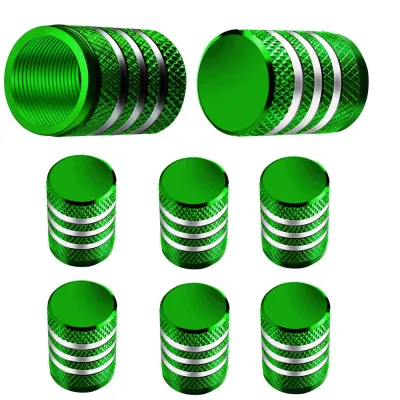
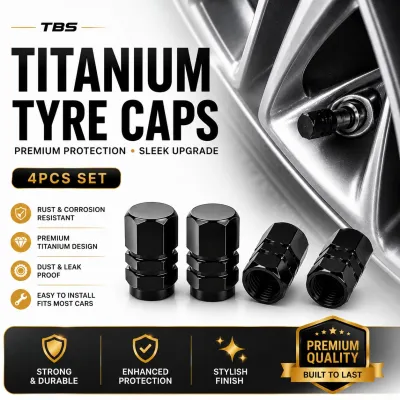
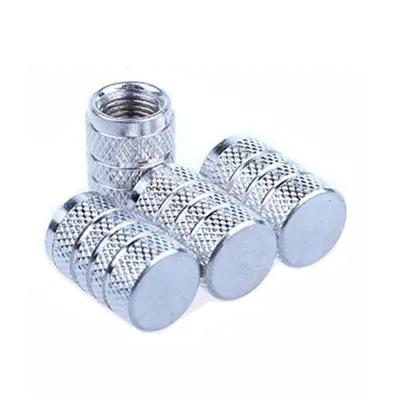
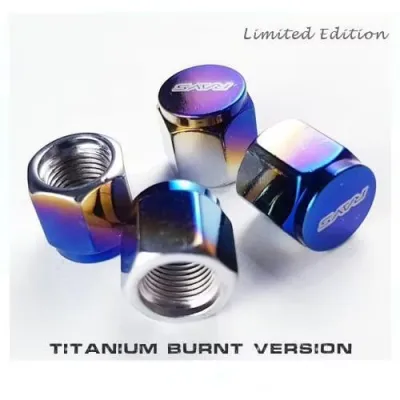

Prices are valid at publication and may change. Please refer to the product page for the latest price.
Standard automotive Schrader valves typically feature a specific thread designation known as 8V1, which measures approximately 0.305 inches (7.7 mm) in outer diameter with a thread pitch of 32 threads per inch. You can verify this compatibility by consulting your vehicle owner’s manual, checking with a qualified tire professional, or simply inspecting your existing caps. If you are driving a standard passenger vehicle with original factory wheels, standard replacement caps designed for automotive use will almost certainly fit. However, aftermarket wheels or custom valve stems may occasionally require specialized dimensions, making a quick visual check or manual reference essential.
Attempting to force an incorrect cap size onto your valve stem carries significant mechanical risks. If a cap is too small or has a different thread pitch, cross-threading can easily occur. Cross-threading happens when the threads of the cap and the stem do not align correctly, stripping the softer metal or plastic threads as the cap is tightened. This can permanently damage the valve stem, preventing a proper seal and requiring a complete replacement of the valve stem assembly. For vehicles equipped with direct Tire Pressure Monitoring Systems (TPMS), where the sensor is integrated directly into the valve stem, replacing a damaged stem can be a complex and expensive procedure. Ensuring a smooth, hand-threaded fit is crucial to protecting these sensitive components.
Comparing Material Options for Humid and Wet Conditions
When selecting a tire cap, the material you choose plays a major role in how well it withstands environmental wear. In Singapore’s tropical climate, characterized by high humidity, frequent rain, and ambient heat, materials are subjected to constant moisture. Plastic caps, typically made from high-grade nylon or acrylonitrile butadiene styrene (ABS), are an excellent choice for daily driving. Plastic is entirely immune to rust and chemical corrosion, meaning it will never seize or bond to the metal valve stem. Additionally, plastic caps are lightweight, highly cost-effective, and easy to replace, making them a practical, low-maintenance option for most passenger cars.

Metal caps, such as those made from aluminum, brass, or stainless steel, offer superior physical durability and a more premium appearance. However, using metal caps introduces the conditional risk of galvanic corrosion. Galvanic corrosion occurs when two dissimilar metals—such as an aluminum cap and a brass valve stem—come into contact in the presence of an electrolyte like water or humid air. Over time, an electrochemical reaction causes the metals to fuse together, effectively seizing the cap onto the stem. To prevent this, high-quality metal caps often feature internal plastic liners, specialized anti-corrosion coatings, or require the application of a thin layer of non-conductive lubricant during installation.
Regardless of the outer shell material, the most critical component of any tire valve cap is its internal seal. High-quality caps feature a small, integrated rubber O-ring or silicone gasket seated deep within the cap’s threads. This internal seal is what actually creates an airtight barrier, preventing pressurized air from escaping if the primary valve core experiences a minor leak. When shopping for caps, always inspect the interior to ensure a rubber seal is present. A metal or plastic cap without an internal gasket provides dust protection but lacks the secondary sealing capability necessary to maintain optimal tire pressure over long periods.
Matching the Cap to Your Driving Needs
Your daily driving habits and vehicle setup should guide your final selection of a tire valve cap. For standard city commuting, where vehicles are driven primarily on paved roads and parked in sheltered or open-air car parks, standard OEM-style plastic caps or basic metal caps with internal plastic liners are highly suitable. These caps require minimal maintenance, do not interfere with tire balance, and provide ample protection against everyday road dust and rain. They are also less likely to attract unwanted attention or theft compared to highly decorative aftermarket options.
For drivers who frequently travel on unpaved roads, visit construction sites, or engage in light off-roading, heavy-duty caps are highly recommended. These specialized caps often feature extended outer sleeves, double-barrier seals, or secondary dust covers designed to block fine sand, mud, and heavy grit from reaching the valve core. In these demanding environments, keeping debris out of the valve stem is critical, as even a single grain of sand can lodge in the valve core during pressure checks, causing a persistent and troublesome air leak.
If you have customized your vehicle with aftermarket alloy wheels or custom paint, aesthetic or anodized metal caps can complement your car’s styling. Anodized aluminum caps come in various colors and finishes, allowing you to match them to your wheels or bodywork. However, when installing custom metal caps, you must consider the weight and balance implications for high-speed driving. Extremely heavy or oversized decorative caps can exert centrifugal force on rubber valve stems at highway speeds, potentially causing the stem to bend or crack over time. Additionally, ensure that any custom cap does not interfere with the wireless signals or physical clearance of your vehicle’s TPMS sensors.
Installation, Maintenance, and Safety Checks
Proper installation and routine maintenance are essential to ensure your tire valve caps perform their job without causing damage. When installing a new cap, always tighten it by hand. Hand-tightening provides sufficient torque to compress the internal rubber O-ring and create a secure seal. Never use pliers, wrenches, or other tools to tighten a valve cap. Applying excessive force can easily strip the threads, crack plastic caps, or bend the metal valve stem. If a cap does not thread smoothly by hand, stop immediately, inspect the threads for dirt or damage, and realign the cap before trying again.
Incorporating a quick visual inspection of your valve caps into your regular tire pressure checks is an excellent habit. During these checks, look for signs of wear such as cracked rubber seals, stripped threads, or hairline cracks in plastic caps. If you are using metal caps, check for any signs of white powdery residue, which indicates the onset of galvanic corrosion. Gently unscrew and re-install metal caps at least once a month to ensure they remain free-spinning and have not begun to seize onto the valve stems. If you notice resistance, clean the threads thoroughly and apply a tiny amount of thread lubricant if recommended by the manufacturer.
Knowing when to replace your valve caps can prevent unexpected tire issues down the road. It is highly recommended to replace your caps whenever you install new tires or have your valve stems replaced, as tire shops typically provide fresh caps as part of the service. Additionally, replace any cap immediately if you notice a missing internal rubber seal, damaged threads, or physical deformation. Keeping a spare set of basic plastic caps in your glove compartment is a practical and inexpensive way to ensure your valve stems are always protected, even if a cap is lost during a routine pressure check at a petrol station.
Frequently Asked Questions (FAQ)
Do tire valve caps actually keep air in?
The primary component responsible for holding air pressure inside your tire is the spring-loaded valve core located inside the stem. However, the tire valve cap plays a vital role as a secondary barrier. It prevents dirt, dust, and moisture from entering the valve stem, which could otherwise damage or clog the valve core and lead to slow, persistent air leaks. Additionally, if the valve core develops a minor leak, a high-quality cap with an internal rubber O-ring can help contain the pressure and prevent the tire from deflating rapidly.
Can I use metal caps on standard rubber or plastic valve stems?
Yes, you can use metal caps on standard rubber valve stems, but you must exercise caution regarding the metal insert inside the stem. Most rubber valve stems have a brass threaded core. If you screw an aluminum cap onto a brass stem in a humid environment, galvanic corrosion can occur, causing the cap to seize. To avoid this, choose metal caps that feature an internal plastic liner, or apply a very thin layer of non-conductive anti-seize lubricant to the threads. Alternatively, high-quality plastic caps offer a completely risk-free option for rubber stems.
Are tire valve caps completely universal for all passenger cars?
Most modern passenger cars use standard Schrader valves, meaning that standard automotive valve caps are highly interchangeable. However, they are not completely universal across all vehicle types or custom setups. Vehicles equipped with direct Tire Pressure Monitoring Systems (TPMS) require caps that are compatible with their specific sensor stems to avoid galvanic corrosion or signal interference. Additionally, some aftermarket wheels or high-performance vehicles may feature recessed or non-standard valve stems that require specialized, low-profile, or extended caps for proper fitment.
Community discussion
Share your experience or ask a question. Comments are reviewed before publication.