
Choosing the right throttle lock requires balancing your motorcycle’s physical architecture, your typical riding distances, and your comfort with manual mechanical engagement versus electronic systems. Unlike true electronic cruise control, which actively manages engine speed to maintain a constant velocity up and down hills, a standard mechanical throttle lock simply holds the throttle grip in a fixed position. Selecting the correct device ensures you reduce wrist fatigue on long highway stretches without compromising your ability to react instantly to changing road conditions.
To make an informed decision, you must evaluate how different mechanisms operate, verify compatibility with your specific handlebar setup, and understand the safety protocols required for safe operation. Whether you ride a lightweight commuter or a heavy touring machine, the right choice depends on a clear understanding of your motorcycle’s controls and your personal riding habits.
Understanding Throttle Lock Mechanisms and Operating Types
To select the most suitable device, you must first understand the fundamental differences between mechanical friction locks and electronic cruise control systems. Mechanical throttle locks are passive devices designed to hold the throttle sleeve in place using friction. They do not monitor vehicle speed or adjust engine output; instead, they counteract the tension of the throttle return spring, allowing you to remove your hand from the grip temporarily.
Products mentioned in this guide
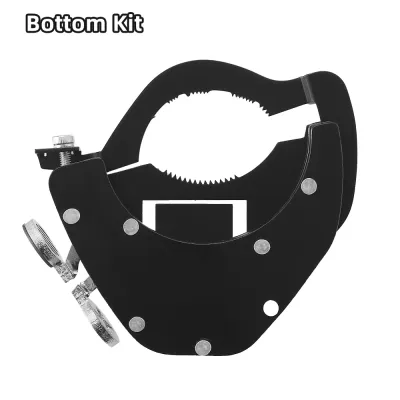
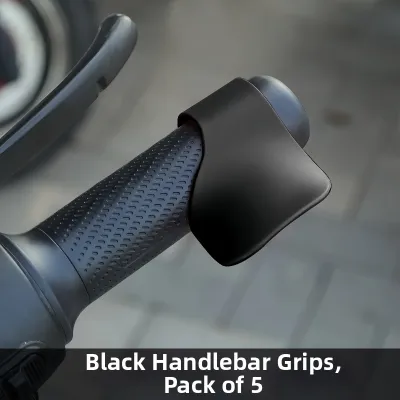
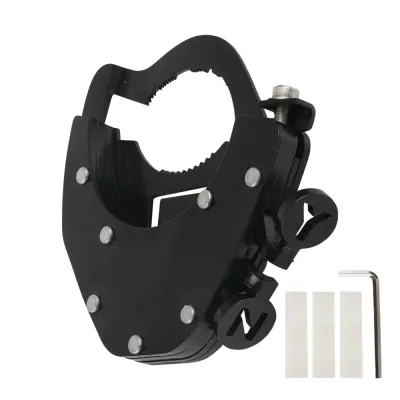
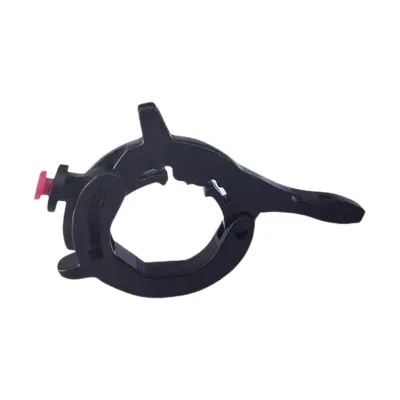
Prices are valid at publication and may change. Please refer to the product page for the latest price.
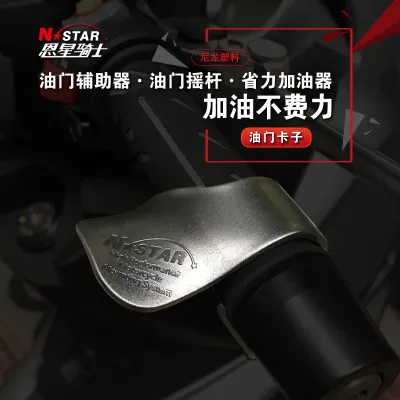
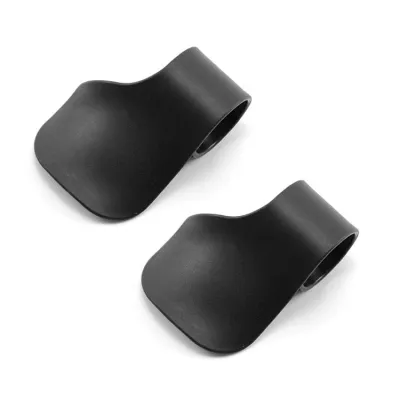
These mechanical devices generally fall into two design categories: bar-end locks and clamp-style locks. Bar-end locks replace or attach directly to your motorcycle’s existing bar-end weights. They are typically engaged by rotating a heavy bezel or flipping a small lever integrated into the end of the handlebar. This action applies axial pressure against the end of the throttle sleeve, holding it in place. Because they are positioned at the very edge of the handlebar, they rarely interfere with your hand placement or switchgear.
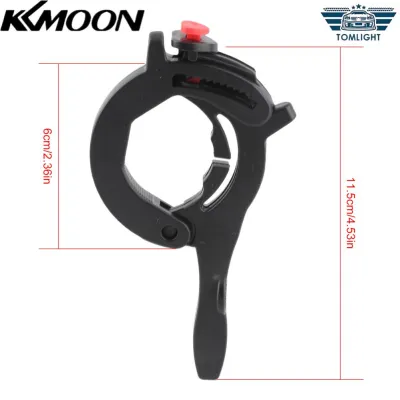
Clamp-style locks mount directly onto the throttle sleeve itself, usually between the grip and the switch housing. When you want to set your speed, you use your index finger or thumb to push a lever down until it rests against your front brake lever bracket or handlebar. This physical stop prevents the throttle from rolling back. These devices are highly popular due to their universal fitment and ease of transfer between different motorcycles, though they do occupy a small amount of space on the grip.
In contrast, electronic cruise control is an active system that integrates with your motorcycle’s engine management system. On modern bikes equipped with ride-by-wire throttles, electronic cruise control uses wheel speed sensors and the engine control unit to adjust the throttle opening dynamically, maintaining a precise speed regardless of wind resistance or road incline.
For older cable-actuated motorcycles, aftermarket electronic systems require installing an external vacuum or electric servo motor to physically pull the throttle cables. While electronic systems offer unmatched convenience and safety features—such as automatic disengagement when you touch the brakes, clutch, or shift gears—they are significantly more expensive, complex to install, and require tapping into your motorcycle’s electrical wiring.
Matching Throttle Control to Your Riding Distance and Frequency
Your typical riding environment and the distance of your journeys should dictate the type of throttle control you choose. Not every riding scenario benefits from a throttle lock, and in some cases, using one can introduce unnecessary operational hazards.

For short daily commutes and stop-and-go city traffic, a throttle lock is highly impractical and generally unsafe. Urban riding requires constant speed adjustments, frequent braking, and rapid maneuvering to navigate traffic, pedestrians, and intersections. In these environments, your hand must remain firmly on the throttle grip at all times to maintain immediate control over the vehicle. Engaging a throttle lock in city traffic serves no practical purpose and increases your reaction time during sudden stops.
If your riding consists of medium-distance touring, weekend getaways, or regular highway stretches of an hour or more, a mechanical friction lock is often the ideal solution. These rides typically involve sustained speeds on relatively flat, open roads where wrist fatigue can begin to set in. A simple bar-end or clamp-style lock allows you to temporarily release your grip to stretch your fingers, shake out tension, or adjust your visor. Because these stretches are predictable, the manual engagement and disengagement of a mechanical lock are easy to manage safely.
For long-distance endurance riding, cross-border touring, or multi-day journeys, the physical demands on your body increase exponentially. Sustained hours on the highway can lead to repetitive strain injuries, cramping, and numbness in your right hand and wrist. In this category, upgrading to an electronic cruise control system or a highly refined, premium mechanical lock is highly beneficial. Electronic systems excel here because they maintain a constant speed over varying terrain without requiring manual adjustments as you climb or descend hills, allowing you to focus entirely on lane positioning and road hazards.
Verifying Motorcycle Compatibility and Installation Clearances
Before purchasing any throttle lock, you must perform a thorough physical and mechanical audit of your motorcycle’s handlebar assembly. Compatibility cannot be assumed based on a universal fitment label, as minor variations in grip thickness, switchgear design, and cable routing can prevent proper installation.
The first step is to identify your motorcycle’s throttle type. Traditional cable-pull throttles use physical steel cables to open the throttle bodies. These systems are highly compatible with almost all mechanical friction locks, as the mechanical return spring provides a predictable resistance. Ride-by-wire systems, however, use electronic sensors inside the grip housing to transmit signals to the engine computer. While mechanical locks can still be used on ride-by-wire grips, you must ensure that the clamping mechanism does not compress the electronic components or interfere with the sensitive return sensors.
Next, measure your handlebar diameter and grip clearance. Most motorcycles use either 7/8-inch (22mm) or 1-inch (25.4mm) handlebars, and throttle locks are sized specifically to these dimensions. You must also check the clearance between the throttle grip and the switchgear housing. Clamp-style locks require a precise gap—often between 1mm and 3mm—to sit securely without binding against the housing. If your motorcycle is equipped with aftermarket heated grips, the heating elements and power wires often make the grip thicker and can restrict the rotation of clamp-style devices.
Additionally, inspect the area around your handlebars at full steering lock. Turn your handlebars completely to the left and right to ensure that any installed throttle lock will not contact your fuel tank, fairings, windscreen, or tank bag. Any physical interference at full lock can restrict your steering and lead to a dangerous loss of control.
Finally, review your motorcycle’s warranty and manufacturer specifications. Installing aftermarket accessories that modify your throttle assembly can affect your vehicle’s warranty. Always refer to the official product documentation and vehicle manual to verify that the installation does not violate manufacturer guidelines or compromise safety systems.
Establishing Safety Boundaries and Emergency Disengagement Protocols
Operating a motorcycle with a throttle lock requires strict adherence to safety protocols. Because these devices temporarily override the automatic return-to-idle function of your throttle, you must understand how to manage them safely under all riding conditions.
The absolute priority for any throttle lock is instant, intuitive disengagement. In an emergency braking situation, you cannot afford to fumble with a complex latch or dial. The friction setting on a mechanical lock must be adjusted so that it is tight enough to hold the throttle against the return spring, but loose enough that you can easily override it by manually twisting the grip closed. You must practice this manual override motion until it becomes muscle memory, ensuring you can shut the throttle instantly without needing to disengage the lock’s lever first.
There are several riding conditions where using a throttle lock is strictly unsafe. Never engage a throttle lock in wet weather, on gravel, in heavy traffic, or on winding roads. Wet and loose surfaces require precise, immediate throttle modulation to maintain traction. In heavy traffic, the distance between vehicles changes constantly, requiring active speed management. On twisty roads, locking your throttle prevents you from using engine braking to settle the chassis before entering a corner, which can lead to running wide or losing control.
Routine maintenance and inspection are vital to ensure the continued safety of your throttle assembly. Before every ride, perform a physical check with the engine off. Twist the throttle fully open and release it; it must snap shut instantly and completely in all steering positions. Inspect the throttle lock for any signs of dirt, road grime, or wear that could cause it to bind or slip.
If you encounter any resistance, binding, or difficulty during the installation process, or if the instructions are unclear, stop immediately. Do not attempt to ride the motorcycle if the throttle does not return to idle smoothly and automatically when the lock is disengaged. In these situations, consult a qualified motorcycle technician to inspect the assembly and complete the installation safely.
Frequently Asked Questions (FAQ)
Is an aftermarket throttle lock legal for road use in Singapore?
In Singapore, vehicle modifications are strictly regulated by the Land Transport Authority (LTA) to maintain safety standards. Any modification that alters the primary control systems of a motorcycle—including the throttle, braking, and steering mechanisms—must comply with official guidelines. While simple, non-permanent ergonomic accessories that do not interfere with the default return-to-idle function of the throttle may be tolerated, you must verify the current regulatory status of any aftermarket device before installation. It is highly recommended to consult an authorized vehicle inspection center or refer to the LTA’s official guidelines on approved modifications.
Can I retrofit electronic cruise control on a cable-throttle motorcycle?
Retrofitting a true electronic cruise control system onto a traditional cable-throttle motorcycle is technically possible but highly complex. Unlike modern ride-by-wire motorcycles that manage speed electronically, a cable-throttle bike requires an aftermarket kit equipped with an electric or vacuum-operated servo motor to physically pull the throttle cables. These kits also require installing wheel speed sensors, a dedicated control module, and wiring connections to your brake and clutch switches. Because of the high risk of throttle binding or electrical malfunction, this installation requires advanced mechanical and electrical expertise and should be completed by a qualified professional motorcycle technician.
Community discussion
Share your experience or ask a question. Comments are reviewed before publication.