
Selecting an effective adhesive remover for your vehicle’s paintwork in Singapore requires balancing chemical strength with clear coat preservation. The ideal approach involves identifying the specific adhesive type, choosing a dedicated automotive-grade formulation, and using controlled heat alongside non-marring tools. Because Singapore’s tropical climate subjects vehicles to intense sunlight and high ambient temperatures, stickers and decals can bake rapidly into the clear coat, making safe removal a delicate process. By matching the chemical remover to the residue and following a systematic application method, you can restore your car’s exterior finish without causing permanent paint damage or costly clear coat etching.
Understanding Adhesive Types and Paint Condition
Different stickers utilize distinct chemical backings, which dictate how they respond to various removers. Paper stickers, often used for temporary parking permits or event passes, feature water-based or light acrylic glues that absorb liquid easily but tear during removal. Vinyl decals, such as custom graphics, stripes, or commercial wraps, use a durable polymer layer that blocks liquid penetration, requiring heat to soften the vinyl before any chemical can reach the underlying adhesive. Factory badges and emblems are secured with thick, double-sided acrylic foam tapes designed to withstand extreme weather, demanding targeted solvent penetration to break down the dense foam core. Aftermarket window tint films, while applied to glass, leave behind a tough, sticky adhesive residue that requires specialized treatment to avoid damaging surrounding trim or defroster lines.
The residue itself falls into several categories. Water-based glues are relatively easy to dissolve, whereas acrylic adhesives are engineered for long-term bonding and resist mild cleaners. Tar-like substances, which can accumulate from road debris or mix with degraded adhesive, require strong hydrocarbon solvents to break their molecular bonds.
Products mentioned in this guide
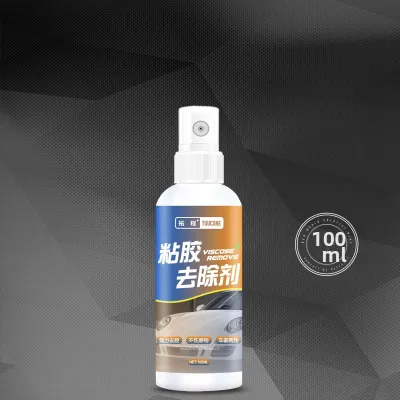
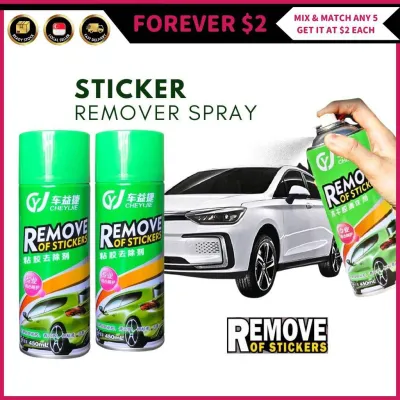
213 Lazada user ratings
Safe for all materials, Versatile adhesive remover, No damage to surfaces, Leaves no sticky residue,
Quick and efficient sticker removal, Effective on various surfaces,No damage to surfaces,
Versatile adhesive remover, Convenient and easy to use, No damage to surfaces,
fast delivery and value for money. Not try yet and not sure if it's working.
Products received in good conditions Thanks
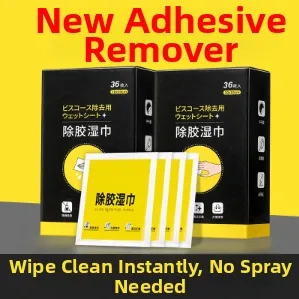
75 Lazada user ratings
The cleaning effect is great, overall it's pretty good, and the experience using it is fantastic.
The product quality is great. Just spray it on and a gentle wipe gets it clean.
The product is great and works just as expected. Definitely a positive review!
It's really easy to use and operates smoothly. The results are great!
Pretty good, cleaned the glue off the front door nicely, not bad.
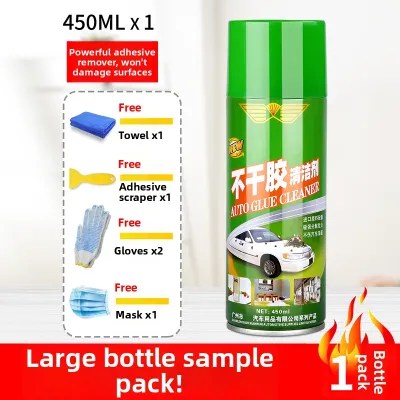
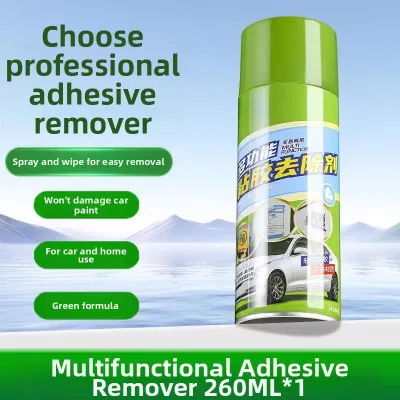
3 Lazada user ratings
buy this to get rid of stickers, poster...etc hopefully it work else i will use it to spray ants
Prices are valid at publication and may change. Please refer to the product page for the latest price.
Before applying any chemical, you must assess the age and condition of both the sticker and the underlying paint. In Singapore’s high-UV environment, stickers left on panels for years can become brittle and sun-baked. Over time, the clear coat surrounding the sticker fades uniformly under the sun, while the paint beneath the sticker remains protected. This creates a “ghosting” effect where the paint color differs even after successful adhesive removal. Furthermore, if the clear coat has already begun to degrade, peel, or crack around the sticker, applying chemical removers or mechanical pressure can lift the paint entirely. Inspecting the edges of the decal for signs of clear coat failure is a necessary first step before proceeding with any chemical treatment.
Choosing the Right Sticker Remover Formulation
Automotive clear coats are resilient polyurethane or acrylic-based protective layers, but they are susceptible to chemical etching if exposed to harsh, non-automotive solvents. General household solvents, such as industrial acetone, paint thinners, or strong lacquer thinners, can rapidly soften, swell, or permanently dull automotive clear coats. Therefore, selecting a product explicitly formulated and labeled for automotive paint safety is critical. These specialized formulations are engineered to dissolve specific adhesive bonds while remaining chemically inert toward cured automotive finishes when used according to instructions.

While chemical removers do the heavy lifting, relying solely on chemistry increases the risk of paint damage. Integrating non-chemical aids, such as controlled heat and plastic scraping tools, reduces the volume of chemical solvent required and minimizes the dwell time needed on the paint. Plastic razor blades, made from soft polycarbonates, can lift softened adhesive edges without the gouging risks associated with metal blades, creating a safer, hybrid approach to residue removal.
Citrus-Based and Mild Solvent Cleaners
Citrus-based adhesive removers utilize naturally derived terpenes, primarily d-limonene extracted from citrus peels, to dissolve glues. These formulations are highly effective for fresh adhesive residue, light paper stickers, and the sticky film left after peeling off vinyl decals. Because citrus terpenes break down organic bonds relatively gently, these cleaners offer a high margin of safety on modern clear coats and plastic trim pieces.
When selecting a citrus-based product, read the label carefully to verify clear-coat safety claims and identify any active carrier solvents. Some formulations blend citrus oils with mild petroleum distillates to enhance performance, which may alter their compatibility with certain aftermarket paint finishes or plastic components.
Despite their safety advantages, mild citrus cleaners have clear limitations. They struggle against heavily baked, aged, or industrial-strength adhesives, such as the hardened residue left by factory emblems or decades-old vinyl wraps. Attempting to use a mild cleaner on these stubborn substances often leads to excessive rubbing, which increases the risk of introducing swirl marks and scratches to the paintwork.
Heavy-Duty Automotive Tar and Glue Removers
For stubborn contaminants, heavy-duty automotive tar and glue removers are the standard choice. These products typically rely on blended hydrocarbon solvents designed to penetrate and liquefy tough acrylic adhesives, road tar, tree sap, and the dense foam backing of factory emblems. They work rapidly by breaking down the polymer chains within the adhesive, turning a hardened residue into a soft, wipeable gel.
Because these formulations contain stronger solvents, strict adherence to the manufacturer’s recommended dwell time is essential. Allowing a heavy-duty solvent to sit on the paint for too long, or letting it dry completely on the panel, can cause chemical hazing or soften the clear coat. This risk is amplified on warm body panels or when working in direct sunlight.
If an adhesive residue does not respond after a few controlled applications of a heavy-duty remover, do not apply excessive pressure or leave the solvent on the paint indefinitely. This is the point where you should stop chemical application and seek professional detailing assistance. Professional detailers have access to specialized rotary eraser wheels and paint correction tools that can safely remove stubborn residue without risking chemical burns to the clear coat.
A Safe, Step-by-Step Sticker Removal Process
To minimize the risk of scratching or chemically etching your vehicle’s paint, follow this systematic, low-risk procedure:
First, thoroughly wash the area surrounding the sticker with dedicated car wash shampoo and water. This step is critical because any road grit, dust, or dirt left on the panel will act as an abrasive when you begin wiping away the adhesive, leading to deep scratches in the clear coat.
Next, apply controlled heat to the sticker to soften the adhesive bond. Use a hairdryer or a heat gun on its lowest setting, keeping the heat source at least 15 to 20 centimeters away from the paint. Keep the heat source moving constantly; holding it in one spot can overheat the paint, causing the clear coat to blister or the underlying plastic bumper to warp. The sticker should feel warm to the touch, not hot. Once warmed, gently peel back the edges of the sticker using your fingernail or a plastic razor blade, pulling at a sharp 45-degree angle.
Once the top layer is removed, apply your chosen chemical adhesive remover to the remaining residue. Spray or dab the product directly onto the adhesive, allowing it to dwell according to the product label instructions—typically between one and three minutes. Do not let the chemical dry on the surface. Using a clean, high-gsm microfiber towel, gently wipe the softened residue in a single direction. Avoid scrubbing in circular motions, as this can trap loosened adhesive grit and grind it back into the paint. For thicker residue, use a plastic razor blade held at a flat angle to gently shave away the softened glue layers.
After the adhesive is completely gone, immediately wash the area with car wash soap and water to neutralize and remove any remaining chemical solvent. Solvents can continue to degrade protective coatings if left on the surface. Finally, because adhesive removers strip away all protective layers, apply a fresh coat of car wax, paint sealant, or ceramic spray to restore UV protection and gloss to the treated panel.
How to Verify Paint Safety Before Application
Before applying any chemical adhesive remover to your vehicle, you must verify its compatibility with your specific paint finish. Start by checking the product packaging for explicit “clear-coat safe” or “automotive paint safe” designations. Avoid products that do not clearly state their compatibility with automotive finishes, as they may contain solvents that degrade clear coats.
Even with a certified product, performing a mandatory spot test is essential. Select an inconspicuous area of the vehicle, such as the painted metal inside the door jamb, the underside of the trunk lid, or a lower section of the rear bumper. Apply a small drop of the remover to a microfiber towel and rub it onto the test area. Let it sit for the recommended dwell time, then wipe it clean.
Observe the test area closely under good lighting. Check for any adverse reactions, including hazing, dulling of the gloss, color transfer onto the microfiber towel, or softening of the paint (which can be checked by gently pressing a fingernail into the tested spot). If any of these signs occur, do not use the product on the visible panels of your vehicle.
Additionally, consult your vehicle owner’s manual, particularly if your car features a matte paint finish, a custom vinyl wrap, or specialized aftermarket coatings. Matte finishes are exceptionally delicate and can be permanently ruined by solvents that add gloss or alter the texture, requiring highly specialized, solvent-free adhesive removal methods.
Where to Buy Authentic Adhesive Removers in Singapore
Acquiring authentic, properly stored car care chemicals is vital for ensuring both safety and product efficacy. In Singapore, established local automotive detailing supply shops and brick-and-mortar car accessory stores are reliable sources. Purchasing in-store allows you to inspect the physical packaging, verify that the seals are intact, and consult with knowledgeable staff regarding your specific paint type. Typical prices for quality automotive formulations generally range from S$10 to S$30 depending on the brand and volume.
When navigating online retailers and ecommerce platforms, prioritize official brand flagship stores or authorized local distributors. This precaution helps you avoid counterfeit products, which may contain cheap, aggressive solvents like industrial acetone packaged in branded bottles.
Always check the product’s physical condition upon receipt. Look for expiration dates or batch codes, and ensure the bottle has not bloated or leaked. Singapore’s tropical climate, characterized by high ambient temperatures and humidity, can accelerate the degradation of chemical solvents if they are stored improperly in non-air-conditioned warehouses or exposed to direct sunlight. Store your purchased adhesive removers in a cool, dark place away from direct heat to preserve their chemical stability and performance.
Frequently Asked Questions (FAQ)
Can I use household items like WD-40 or rubbing alcohol on car paint?
While household items like WD-40 or isopropyl (rubbing) alcohol are frequently suggested as quick fixes, they carry specific risks for automotive finishes. Isopropyl alcohol can effectively dissolve light adhesives, but it dries out plastic trim and rapidly strips away any protective wax or paint sealant, leaving the clear coat vulnerable to UV damage. WD-40 contains petroleum distillates that can soften certain adhesives, but it leaves behind a heavy silicone residue that can be difficult to wash off completely and may interfere with future paint touch-ups or ceramic coatings. If you must use these household products in an emergency, apply them sparingly, avoid aggressive scrubbing, and immediately wash the area with dedicated car wash soap and water to neutralize and remove the chemical residue.
Will a sticker remover damage my car's clear coat?
A dedicated automotive sticker remover is formulated to be safe on cured clear coats, but damage can still occur under specific conditions. Modern factory clear coats are highly chemical-resistant, whereas older single-stage paints or poorly executed aftermarket resprays are much more vulnerable to solvent penetration. The primary risks of damage stem from user error, such as leaving the solvent on the paint panel beyond the manufacturer’s recommended dwell time, or applying the chemical on a hot body panel in direct, intense sunlight. Under these conditions, the solvent can evaporate too quickly, leaving concentrated chemicals that can etch, haze, or permanently soften the clear coat. Always work in a shaded, cool area, adhere strictly to dwell times, and neutralize the surface with a thorough wash immediately after use.
Community discussion
Share your experience or ask a question. Comments are reviewed before publication.