
Choosing the right spoiler involves more than just picking an aggressive look; it requires balancing aerodynamic function, physical compatibility with your specific vehicle, and strict adherence to local road regulations. A poorly chosen or incorrectly installed spoiler can compromise your vehicle’s handling, damage the trunk lid, or lead to costly fines. By understanding the physical characteristics of different designs and verifying fitment requirements, you can make an informed decision that enhances both the appearance and compliance of your car.
Before purchasing any exterior accessory, it is essential to evaluate how it interacts with your vehicle’s existing body lines and structural mounting points. This guide walks you through the essential checks to ensure your new spoiler fits perfectly, performs as intended, and keeps you compliant on the road.
Understand the Main Spoiler Types and Their Functions
Lip spoilers are low-profile designs mounted directly to the trailing edge of the trunk or hatch. They primarily manage airflow separation at the rear of the vehicle, reducing low-pressure turbulence behind the car to slightly lower aerodynamic drag. Because of their subtle appearance and minimal impact on vehicle height, they are highly suitable for daily driving and minor aesthetic upgrades.
Products mentioned in this guide
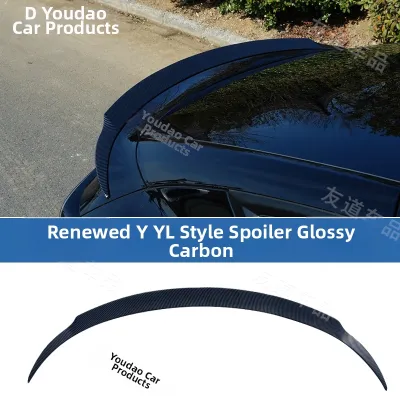
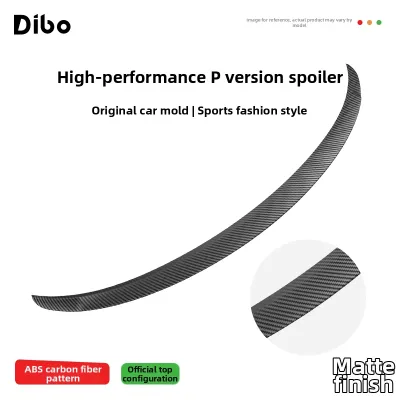
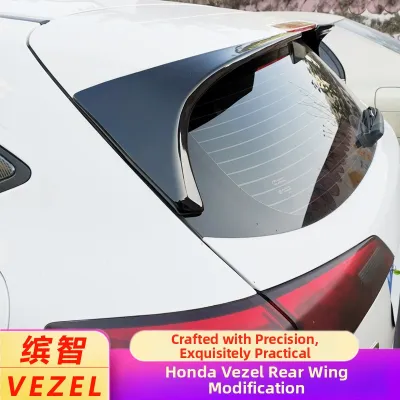
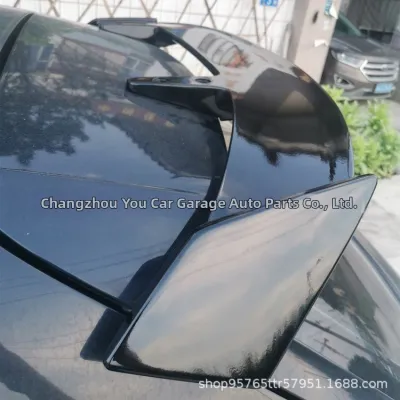
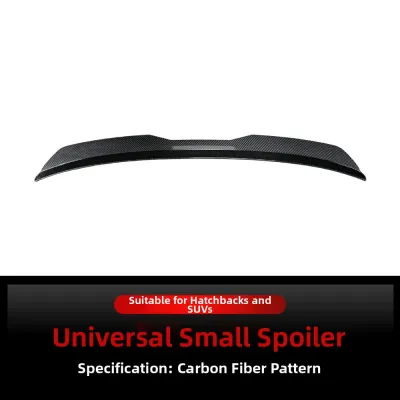
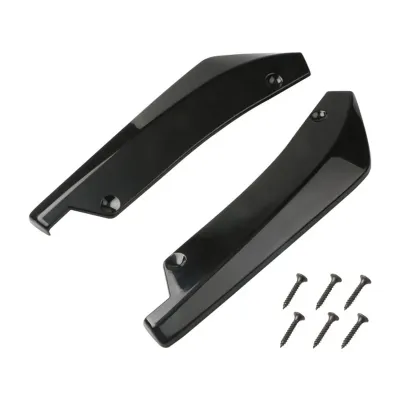
Prices are valid at publication and may change. Please refer to the product page for the latest price.
Pedestal and swan neck wings are elevated designs that stand clear of the trunk lid on vertical supports. These components are engineered to generate downforce by redirecting airflow upward, which increases rear-wheel traction at higher speeds. Because they alter the vehicle’s aerodynamic balance significantly, they are typically suited for track use or high-performance applications. Any specific downforce values or aerodynamic benefits must be verified through manufacturer wind tunnel data rather than assumed from visual appearance alone.
Ducktail and roof spoilers offer integrated styling that blends aesthetics with functional airflow management. Ducktail spoilers sweep upward from the trunk lid in a continuous, integrated curve, commonly found on classic coupes and modern sports sedans. Roof spoilers are positioned at the top of the rear windshield, making them a popular choice for hatchbacks and utility vehicles to help clean up the air rolling off the roofline.
When selecting a style, remember that visual aggressiveness does not automatically translate to performance. Unverified aerodynamic claims can lead to increased drag without any usable downforce. Always consult official manufacturer documentation to understand the intended aerodynamic behavior of a specific design.
Verify Fitment and Vehicle Compatibility
To prevent installation failures, you must cross-reference the exact vehicle make, model year, generation, and body style with the spoiler specifications. A spoiler designed for a pre-facelift model may not fit a facelifted version due to subtle changes in trunk curvature or tail lamp integration. Similarly, components designed for a sedan will not align with the contours of a hatchback or coupe variant.

Identify the intended mounting method before making a purchase. Spoilers generally attach via bolt-on hardware using existing holes, high-strength adhesive or polyurethane bonding, or custom drilling. Adhesive-only options are common for lightweight lip spoilers, while heavier pedestal wings require mechanical fasteners to withstand aerodynamic loads at highway speeds.
Inspect your vehicle’s trunk or hatch lid for factory pre-drilled holes or reinforced mounting points. Utilizing factory-designed mounting locations minimizes the risk of structural deformation and water leaks. If your vehicle does not have pre-existing holes, custom drilling will be required, which demands precise alignment and rust-prevention measures.
Avoid assuming compatibility based solely on a brand name or general model family. Always check the manufacturer’s specific part number fitment list to confirm that the accessory is engineered for your exact chassis code.
Check Legal and Safety Requirements in Singapore
In Singapore, vehicle modifications are strictly regulated by the Land Transport Authority (LTA). Any aftermarket spoiler must comply with specific dimensional and safety limits to ensure road safety. Before purchasing, you must verify that the accessory does not compromise the safety of your vehicle or other road users.
LTA guidelines require that any rear spoiler must not protrude beyond the physical width or length of the vehicle. Additionally, the design must not feature sharp edges, pointed corners, or aggressive protrusions that could pose a hazard to pedestrians or other road users in the event of a collision.
Visibility is another critical compliance factor. The spoiler must not obstruct the driver’s view through the rearview mirror, nor should it block the visibility of the rear windshield, taillights, or license plate. If the original vehicle features a high-mount stop lamp on the trunk lid, the spoiler must not obscure this safety light.
Determine if the specific spoiler design requires prior LTA approval, inspection, or structural certification before installation. Consulting authorized modification workshops or official LTA channels is the most reliable way to ensure compliance with the latest regulations before finalizing your purchase.
Evaluate Materials and Build Quality
ABS plastic is a highly durable, impact-resistant, and cost-effective material widely used for OEM-style spoilers. It features a smooth surface finish that is easy to paint-match to your vehicle’s body color. However, it can be heavier than advanced composites and may warp if exposed to extreme heat over extended periods.
Fiberglass is easily molded into complex, aggressive shapes, making it a common choice for custom aftermarket designs. While lightweight and relatively inexpensive, fiberglass is rigid and prone to cracking under physical stress, vibration, or minor impacts. It also requires professional prep work and sanding to achieve a flawless painted finish.
Carbon fiber offers an exceptional strength-to-weight ratio and a distinct high-performance aesthetic. It is highly resistant to deformation under aerodynamic load but represents the most expensive material option. When choosing carbon fiber, ensure the product features a high-quality, UV-resistant clear coat to prevent yellowing and resin degradation under intense sunlight.
Polyurethane is highly flexible and resilient, allowing it to bend and absorb minor impacts without cracking. This flexibility makes it excellent for daily-driven vehicles, though it requires specialized primers and paint additives to prevent the paint finish from flaking over time.
In Singapore’s tropical climate, intense sunlight and high humidity can rapidly degrade exterior accessories. Check the manufacturer’s specification sheets and warranty terms to verify that the material has been treated with UV-resistant coatings to prevent fading, chalking, or structural weakening.
Plan the Installation Process
Proper surface preparation is critical for any installation. Before mounting the spoiler, thoroughly clean and degrease the attachment area using isopropyl alcohol or a dedicated surface prep solution. Any wax, dirt, polish, or oil residue will severely compromise the adhesion of double-sided tape or polyurethane bonding agents.
Assess your DIY capabilities honestly before beginning the process. Simple adhesive-mounted lip spoilers are generally suitable for DIY installation, provided you follow the manufacturer’s temperature and curing instructions. However, installations requiring custom drilling, structural reinforcement, or electrical integration must be handled by professional technicians.
Safety boundaries must be respected during installation. If the process involves drilling into the vehicle’s sheet metal, you must apply rust inhibitor to the bare metal edges and use high-quality rubber grommets to prevent water ingress. For spoilers featuring integrated high-mount stop lamps, refer to the original-vehicle wiring diagrams to ensure safe electrical connection without overloading existing circuits.
Establish a clear stop condition before you begin. Halt the installation immediately and consult a qualified professional at an authorized workshop if the instructions are missing, the mounting holes do not align with the trunk structure, or you encounter unexpected resistance during assembly. Budgeting for professional installation fees in S$ at local workshops is highly recommended to ensure structural integrity and paint protection.
Frequently Asked Questions (FAQ)
Will adding a spoiler improve my car's fuel efficiency?
At normal city and highway speeds, aftermarket spoilers generally do not improve fuel efficiency. While some OEM designs are optimized to reduce drag, many aftermarket options—especially larger pedestal wings—increase aerodynamic drag and add weight to the vehicle. This added resistance can lead to a slight increase in fuel consumption during daily driving.
Can I install a universal spoiler on any car?
Universal spoilers are not recommended because they lack the precise contour matching required for a secure fit. Installing a universal kit often requires extensive custom drilling, which can compromise the structural integrity of your trunk lid and lead to water leaks. Model-specific spoilers engineered for your exact vehicle generation ensure proper load distribution and a flush fit.
Does a spoiler affect my car insurance?
Yes, any exterior modification must be declared to your insurance provider in Singapore. Installing an aftermarket spoiler alters the vehicle’s original specifications, and failing to declare this modification could lead to claim rejections or the complete voidance of your policy in the event of an accident. Always notify your insurer before carrying out any modifications.
Community discussion
Share your experience or ask a question. Comments are reviewed before publication.