
Choosing the right spoiler for your car requires a systematic approach that balances precise vehicle compatibility, material durability, and installation safety. Rather than selecting a part based solely on visual appeal, you must verify your vehicle’s exact specifications and understand how different designs interact with your car’s body lines. A mismatched spoiler can lead to poor fitment, paint damage, or even safety hazards on the road. By focusing on compatibility, material characteristics, and proper installation methods, you can ensure your new accessory enhances both the look and performance of your vehicle without causing long-term damage.
Verify Fitment and Compatibility for Your Exact Vehicle
Before purchasing any exterior accessory, you must confirm that the part is engineered specifically for your vehicle’s exact year, make, model, and trim level. Automotive manufacturers frequently introduce mid-cycle refreshes or minor facelifts that alter the contours of trunk lids, tailgates, and rear bumpers. A spoiler designed for a model year just one year prior to yours might feature slightly different mounting points or curvature, rendering it incompatible. Always check your vehicle’s registration log or owner’s manual to verify the precise production year and trim designation.
The specific body style of your vehicle plays a critical role in determining which spoiler will fit. Sedans, hatchbacks, coupes, and SUVs have vastly different rear-end profiles and aerodynamic requirements. For instance, a trunk lip spoiler designed for a sedan cannot be adapted to fit the steep rear glass of a hatchback or the curved tailgate of an SUV. Even within the same model family, a two-door coupe and a four-door sedan often feature distinct trunk dimensions and edge profiles, meaning parts are rarely interchangeable between them.
Products mentioned in this guide
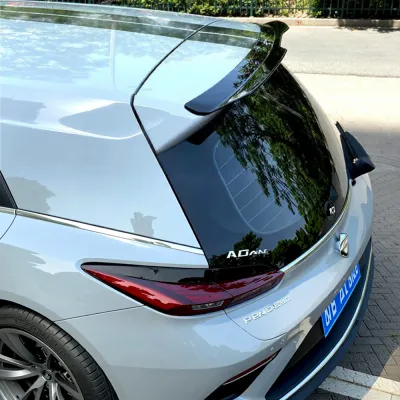
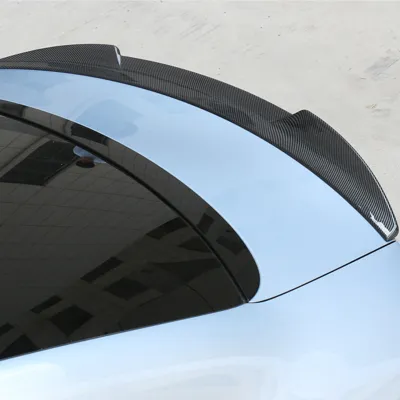
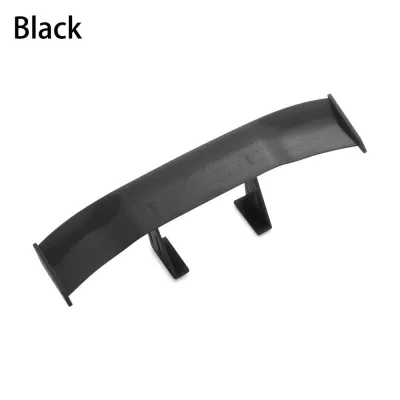
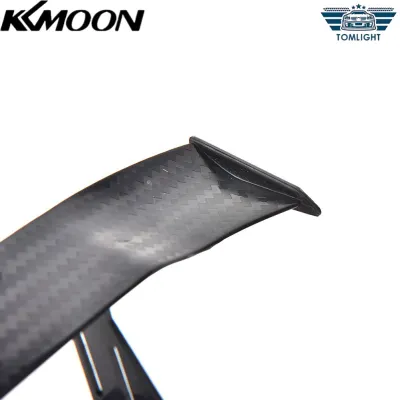
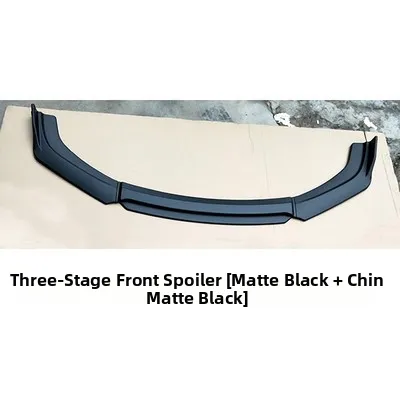
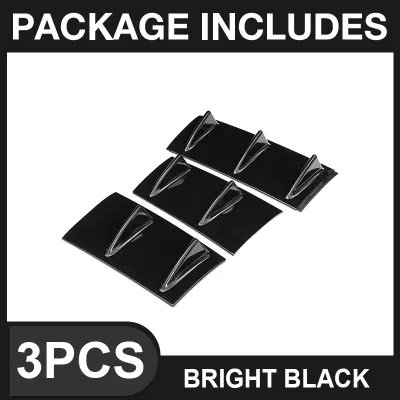
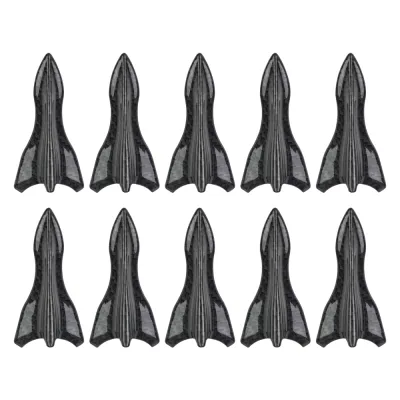
Prices are valid at publication and may change. Please refer to the product page for the latest price.
To avoid costly return shipping and purchasing errors, cross-reference the manufacturer’s part number or fitment guide rather than relying on visual similarity in online listings. Many aftermarket parts look identical in photos but feature subtle differences in underside molding or bolt patterns. When browsing online marketplaces or specialist catalog sites, use the vehicle compatibility search tools, but always double-check the listed OEM or aftermarket part numbers against your vehicle’s technical specifications. If you are uncertain, contacting the manufacturer directly with your Vehicle Identification Number (VIN) is the most reliable way to confirm compatibility.
Match the Spoiler Style to Your Driving and Aesthetic Goals
Selecting the right style of spoiler involves balancing your aesthetic preferences with your practical driving needs. Lip spoilers are highly popular for daily drivers because they offer a subtle, integrated look that complements the vehicle’s original body lines. These spoilers sit flush against the trunk edge, adding a touch of sportiness while creating minimal aerodynamic drag. They are excellent for drivers who want to enhance their car’s appearance without drawing excessive attention or significantly altering the vehicle’s profile.

For those seeking a more aggressive look or functional aerodynamic changes, pedestal wings and GT wings are common choices. Pedestal wings are elevated above the trunk lid by mounts, allowing airflow to pass both over and under the blade to generate downforce at higher speeds. While these wings can improve stability during high-speed driving, they also increase drag and can affect rear visibility. It is important to consider whether your daily driving environment justifies a larger wing, as the benefits of high-speed downforce are rarely realized during typical urban commuting.
Roof and hatch spoilers are specifically designed for vehicles with flat or sloping rear ends, such as hatchbacks, wagons, and SUVs. These spoilers extend from the top of the rear hatch to manage the turbulent air that naturally pools behind boxier vehicle shapes. By smoothing out this airflow, hatch spoilers can help keep the rear glass cleaner and slightly reduce aerodynamic drag. When choosing a roof spoiler, ensure it does not interfere with the rear windshield wiper’s path of motion or hit the roof antenna when the hatch is fully opened.
Your typical driving environment should heavily influence your choice of spoiler style. If your routine consists primarily of daily commuting in Singapore’s urban traffic, a low-profile lip spoiler or a subtle roof spoiler is highly practical. These styles do not obstruct your view through the rearview mirror, nor do they risk scraping low ceilings in multi-storey car parks. Conversely, if you regularly participate in closed-circuit track days where high-speed stability is a priority, a more aggressive, adjustable wing may be appropriate, provided it meets local road safety regulations.
Evaluate Materials and Build Quality
The material composition of a spoiler dictates its durability, weight, paintability, and resistance to environmental wear. Acrylonitrile Butadiene Styrene (ABS) plastic is one of the most common materials used for both factory and aftermarket spoilers. ABS plastic is highly cost-effective, rigid, and impact-resistant, making it an excellent choice for daily drivers. It holds paint exceptionally well and can withstand minor impacts from road debris without cracking, though it can be heavier than alternative materials.
Polyurethane is another popular option, prized for its flexibility and resilience. Unlike rigid plastics, polyurethane can flex and bend without breaking, which makes the installation process more forgiving when fitting the spoiler to slightly curved body panels. This flexibility also means it is highly resistant to parking lot bumps and minor impacts. However, polyurethane requires specialized preparation and priming before painting to ensure the finish does not crack when the material flexes, and it can warp if exposed to extreme heat over prolonged periods.
Fiberglass is a lightweight material often favored for custom or low-volume aftermarket designs. It is highly rigid and can be molded into complex, aggressive shapes that are difficult to achieve with plastics. However, fiberglass is inherently brittle and prone to cracking under stress, vibration, or minor impacts. It also requires significant post-purchase preparation, including sanding, priming, and filling, to achieve a smooth, paint-ready surface, which can increase your overall installation costs.
Carbon fiber represents the premium end of the material spectrum, offering an exceptional strength-to-weight ratio and a distinct, high-tech appearance. Genuine carbon fiber spoilers are incredibly lightweight and rigid, making them the preferred choice for performance-oriented builds. Most carbon fiber parts come pre-finished with a clear gel coat to showcase the woven pattern beneath. When purchasing carbon fiber, it is vital to verify that the manufacturer has applied a high-quality, UV-resistant clear coat, as prolonged exposure to intense sunlight can cause cheaper resins to yellow, fade, or delaminate over time.
Understand Installation Requirements and Safety Boundaries
Understanding how a spoiler attaches to your vehicle is crucial for ensuring a secure fit and preserving your car’s structural integrity. Non-invasive installation methods typically rely on automotive-grade, double-sided acrylic foam tape, such as 3M VHB. This method is ideal for lightweight lip spoilers and roof spoilers, as it requires no drilling and leaves the original bodywork undamaged. When installed correctly on a thoroughly cleaned and prepped surface, high-quality adhesive tape provides a remarkably strong bond that can withstand highway speeds and automatic car washes.
Invasive installation methods require drilling holes directly into the trunk lid or tailgate to secure the spoiler with bolts and mounting hardware. This method is mandatory for larger pedestal wings and heavy spoilers that experience significant aerodynamic loads at speed. While a bolted connection offers maximum security, drilling into your vehicle’s sheet metal carries inherent risks. Improperly sealed drill holes can allow rainwater to seep into the trunk, leading to hidden rust, electrical shorts in tail-light wiring, or mold growth.
To mitigate these risks, always use the manufacturer-provided mounting templates to ensure precise hole alignment before drilling. Applying a rust-inhibiting primer to the bare metal edges of the drilled holes and using high-quality rubber gaskets or silicone sealant around the bolts is essential to prevent water intrusion. If the installation instructions conflict with your vehicle’s workshop manual, or if you feel uncomfortable drilling into your car’s bodywork, you should stop and consult a qualified professional at an automotive body shop.
For any installation involving drilling, complex alignment, or custom paint matching, professional installation is highly recommended. A certified technician has the specialized tools and experience to align the spoiler perfectly, prevent corrosion, and ensure the mounting does not interfere with original vehicle systems, such as rear-view cameras, trunk release mechanisms, or active safety sensors. Prioritizing professional help ensures your modification remains safe, secure, and visually flawless.
Final Pre-Purchase Checklist
Before finalizing your purchase, review this critical checklist to ensure a smooth installation process and protect your investment:
- Verify the Return Policy: Ensure the seller offers a clear return or exchange policy in case the spoiler arrives with manufacturing defects or does not fit your specific vehicle trim.
- Check Included Hardware: Confirm whether the package includes all necessary mounting templates, bolts, gaskets, and adhesive tapes, or if you need to source these materials locally.
- Factor in Finishing Costs: If the spoiler arrives unpainted or in a raw primer finish, calculate the additional costs in S$ for professional color matching, clear-coating, and installation.
- Inspect for Quality: Upon delivery, inspect the edges, mounting surfaces, and finish of the spoiler for any warping, cracks, or unevenness before attempting installation.
Frequently Asked Questions (FAQ)
Do I need to notify my insurance provider or authorities after installing a spoiler? (FAQ)
Yes, you should verify local regulations and notify your motor insurance provider after installing an aftermarket spoiler. In Singapore, the Land Transport Authority (LTA) regulates vehicle modifications to ensure road safety. Generally, aftermarket spoilers are permissible if they are securely mounted, do not protrude beyond the width or length of the vehicle, and do not feature sharp edges that could pose a hazard to pedestrians. Additionally, you must inform your insurance company of any modifications; failing to declare an aftermarket spoiler can lead to a denied claim or the cancellation of your policy in the event of an accident.
Can a spoiler improve my car's fuel efficiency? (FAQ)
For the vast majority of daily drivers, a spoiler will not noticeably improve fuel efficiency, and in some cases, it may slightly increase fuel consumption. While some factory-designed spoilers are engineered to reduce aerodynamic drag at highway speeds, the real-world impact on fuel economy during typical city driving is negligible. Adding a large, heavy, or aggressively angled wing increases both the vehicle’s weight and its frontal surface area, which creates more aerodynamic drag. This extra resistance forces the engine to work harder, potentially leading to higher fuel consumption during daily commutes.
Community discussion
Share your experience or ask a question. Comments are reviewed before publication.