
Choosing the right side mirror for your vehicle is a critical decision that directly impacts your road safety, driving comfort, and overall convenience. Whether you are dealing with a shattered glass pane from a tight parking mishap or an electrical failure in your adjustment motor, selecting the correct replacement requires a clear understanding of your vehicle’s existing specifications and your daily driving habits. By diagnosing the exact state of your current mirrors and evaluating your typical driving environment, you can easily determine whether a simple, cost-effective repair or a complete feature upgrade is the best path forward.
While the process might seem as simple as finding a matching color, modern automotive mirrors are highly complex components integrated with electrical wiring, heating elements, turn signals, and advanced driver-assistance systems. Making an incorrect purchase can lead to physical fitment issues, electrical short circuits, or even vehicle inspection failures. This comprehensive guide will walk you through inspecting your current setup, comparing different mirror functionalities, verifying physical and electrical compatibility, and choosing the most reliable action path for your vehicle.
Assess Your Current Side Mirrors and Driving Needs
Before browsing online marketplaces or visiting an auto parts distributor, perform a thorough visual and functional inspection of your existing side mirrors. Sit in the driver’s seat, turn on the vehicle’s ignition, and test the electronic adjustment switch. Note whether the mirror glass moves smoothly in all four directions, or if you hear a strained, grinding noise from the motor without any corresponding movement. A grinding sound or complete lack of response typically indicates a failed internal gear or a burnt-out adjustment motor.
Products mentioned in this guide
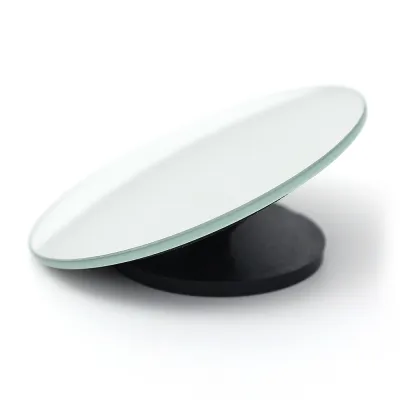
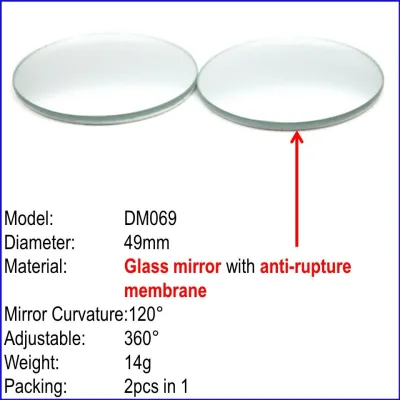
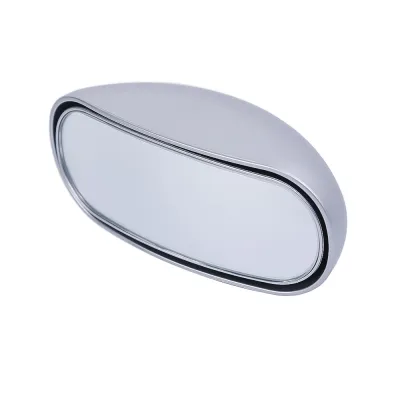
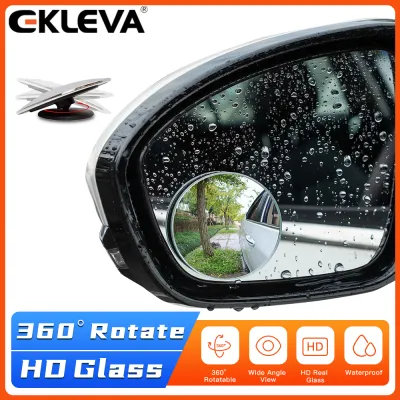
![[SG SELLER] [FREE SHIPPING] Car Blind Spot Mirror (Type B) Side View Mirror Wide Angle Drive Easy Small Round 360 View](https://img.lazcdn.com/g/ff/kf/Sd99de54ea15a4ae795d468f33154d0dcJ.jpg_400x400q80.jpg_.webp)
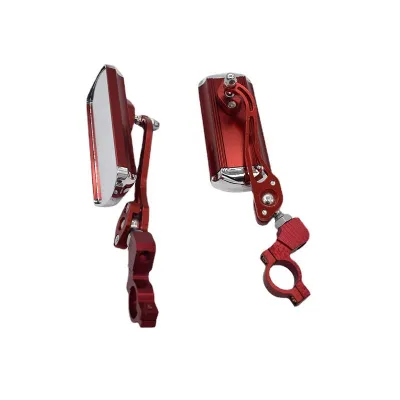
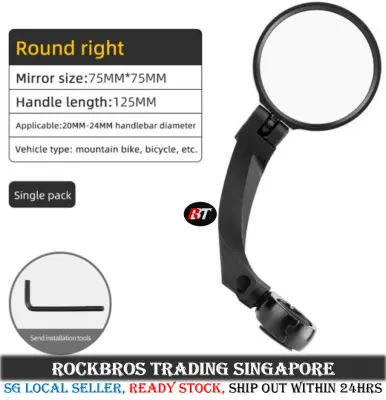
![[SG SELLER] Bicycle Rear Side Mirror Riding Clear Wide Range Left And Right bicycle accessories Adjustable Handlebar Mirror](https://img.lazcdn.com/g/p/f2dd6377f4df1ecbd783b180bbadfcfa.png_400x400q80.png_.webp)
Prices are valid at publication and may change. Please refer to the product page for the latest price.
Next, step outside the vehicle to inspect the physical housing and mounting bracket. Look for deep cracks in the plastic housing, loose mounting points where the mirror meets the door frame, or a mirror that vibrates excessively when the engine is idling. A loose or vibrating housing not only compromises your rearward visibility but can also detach entirely at highway speeds, posing a severe safety hazard to other road users.
Your daily driving environment plays a massive role in determining which mirror features are essential. In Singapore, navigating narrow lanes, squeezing through tight multi-storey carparks, and parking in close proximity to other vehicles makes your side mirrors highly vulnerable to accidental impacts. If you frequently park on busy streets or in tight, older residential carparks, having mirrors that can fold tightly against the vehicle body is a crucial line of defense against passing traffic.
Your highway driving patterns should also influence your choice. If your daily commute involves navigating heavy, fast-moving traffic on major expressways like the PIE, AYE, or CTE, having a wide, clear field of view is essential. Frequent night driving also introduces the challenge of headlamp glare from trailing vehicles, which can be mitigated by choosing auto-dimming mirror glass if your vehicle’s electrical system supports it.
Distinguishing between a minor cosmetic issue and a major functional failure will save you time and money. If the plastic housing, mounting bracket, and internal motors are in perfect working order, and only the glass is cracked, you do not need to purchase a complete assembly. Replacing just the mirror glass is a quick, inexpensive fix. However, if the structural housing is shattered, the mounting base is cracked, or the internal electrical components have suffered water ingress, a complete side mirror assembly replacement is necessary.
Compare Side Mirror Types: Manual, Power-Folding, and Blind-Spot
Understanding the distinct categories of side mirrors allows you to match specific features to your vehicle’s existing capabilities and your personal budget. Side mirrors generally fall into three primary categories, ranging from basic mechanical designs to highly integrated electronic safety systems.

Manual and Standard Power Mirrors
Manual side mirrors are the most basic and mechanically simple option available. To adjust the viewing angle of the glass, you must either physically push the glass panel with your hand or use a small mechanical lever located on the inside of the door panel. Standard power mirrors upgrade this experience by utilizing small electric motors inside the housing, allowing you to adjust the glass angle using a switch on your driver-side door armrest or dashboard.
These mirrors are highly cost-effective and serve as ideal, direct OEM replacements for older vehicles, classic cars, or base-trim models. Because they lack complex internal electronics, they are incredibly reliable and straightforward to install. The primary trade-off is convenience; standard power mirrors do not fold automatically, meaning you must manually fold the entire housing inward by hand whenever you park in tight spaces to protect them from damage.
Power-Folding Mirrors
Power-folding side mirrors feature dedicated internal motors designed to retract the entire mirror housing inward against the door panel. This action can be triggered manually via an in-cabin button, or programmed to occur automatically whenever you lock and unlock the vehicle. This feature is particularly valuable in urban environments, protecting your vehicle’s exterior profile from being clipped by passing cyclists, motorcycles, or adjacent car doors.
While the convenience of power-folding mirrors is undeniable, they require a compatible electrical infrastructure to function. Upgrading from standard power mirrors to power-folding mirrors is not a simple plug-and-play task. Your vehicle must possess the correct door control modules, internal wiring harnesses, and dashboard switches to support the folding motors. Without these pre-existing components, retrofitting power-folding mirrors involves complex custom wiring.
Blind-Spot Integrated Mirrors
Blind-spot integrated mirrors represent the pinnacle of modern side mirror safety technology. These assemblies feature a small icon or indicator light built directly into the mirror glass. When your vehicle’s rear bumper sensors detect an obstacle or another vehicle in your blind spot, the system sends an electrical signal to illuminate the indicator light, warning you not to change lanes.
These mirrors are highly recommended for drivers who frequently commute on multi-lane expressways or navigate dense urban traffic where motorcycles can easily disappear from view. However, it is vital to understand that the side mirror itself is merely the display interface for this system. The mirror does not contain the radar or ultrasonic sensors required to detect surrounding traffic.
If your vehicle was not originally equipped with a factory blind-spot monitoring (BSM) system, simply purchasing and installing a BSM-compatible side mirror will not enable this safety feature. Retrofitting a complete blind-spot monitoring system requires mounting radar sensors behind your rear bumper panels, routing extensive wiring through the length of the vehicle, and calibrating the system software. This is an incredibly complex undertaking that should only be handled by specialized automotive technicians.
Verify Vehicle Compatibility and Safety Requirements
Before purchasing a replacement side mirror, you must verify physical fitment, electrical compatibility, and local safety standards. Assuming a mirror will fit based solely on your car’s make, model, and year is a common mistake that often results in costly return shipping fees and vehicle downtime.
To ensure physical compatibility, follow these verification steps:
- Locate the OEM Part Number: Check the underside of your existing mirror housing, or consult your vehicle owner's manual to find the exact Original Equipment Manufacturer (OEM) part number.
- Compare Mounting Base Plates: Examine the physical shape of the mounting base plate and the exact layout of the bolt holes. Even within the same model year, a minor mid-generation vehicle facelift can alter the mounting points.
- Verify Trim Level Specifications: Ensure the replacement mirror matches your vehicle's specific trim level (e.g., base, mid-tier, or luxury), as different trims often utilize entirely different mirror shapes and internal features.
Electrical compatibility is determined by the wiring harness connector pin count. A basic power-adjustable mirror might only require a 3-pin or 5-pin connector to control the glass motor. In contrast, a fully loaded mirror featuring heating elements, power-folding motors, integrated turn signals, and blind-spot indicators can require a 9-pin, 12-pin, or even 16-pin connector. Attempting to force a high-feature mirror plug into a lower-spec wiring harness will not work and can cause electrical shorts that damage your door control module.
Safety and road legality are paramount when selecting replacement mirror glass. Side mirrors must provide a clear, undistorted view of the rear and sides of the vehicle without obstructing your forward vision. In Singapore, vehicles must pass regular Land Transport Authority (LTA) inspections. Under these regulations, your side mirrors must be securely mounted, free of major cracks, and equipped with compliant glass curvature.
Standard passenger-side mirrors typically utilize convex glass, which curves slightly outward to provide a wider field of view and minimize blind spots. However, extreme wide-angle or heavily distorted aftermarket glass can severely warp your distance perception, making trailing vehicles appear much further away than they actually are. Ensure any replacement glass you purchase meets standard automotive optical regulations to avoid failing your periodic vehicle safety inspections.
Finally, establish a clear boundary between DIY-friendly tasks and those requiring professional installation. Replacing a cracked mirror glass panel or swapping an identical, non-electric manual mirror assembly is a straightforward task that can be completed at home with basic hand tools. However, if your replacement involves removing internal door panels, routing new wiring harnesses through door hinges, or calibrating sensitive blind-spot radar sensors, you must have the work completed by a qualified automotive professional to ensure safety, proper airbag deployment, and warranty compliance.
Decide Your Action Path: Repair, Replace, or Upgrade
To make your final decision, use this conditional action matrix to match your physical diagnosis and compatibility checks to the most logical, cost-effective solution.
When to Choose a Repair
- Conditions: The outer plastic housing, mounting bracket, and internal adjustment motors are completely undamaged. The only issue is a cracked mirror glass or a scuffed, paint-matched outer cover cap.
- Action: Purchase only the replacement mirror glass or a pre-painted cover cap. This targeted repair preserves your original OEM housing and wiring, takes less than fifteen minutes to complete, and is highly cost-effective.
When to Choose a Direct Replacement
- Conditions: The mirror housing is physically shattered, the mounting arm is broken, the internal adjustment motors have burnt out, or water ingress has corroded the electrical connections.
- Action: Purchase a direct, like-for-like OEM or high-quality aftermarket side mirror assembly that matches your vehicle's exact specifications. Ensure the wiring harness connector pin count is identical to your original unit for a seamless, plug-and-play installation.
When to Consider an Upgrade
- Conditions: You own a base-model vehicle and want to add premium features such as power-folding functionality or integrated turn signals, and you are prepared for the associated electrical modification costs.
- Action: Consult with a professional automotive electrician to verify if your vehicle's existing door control modules can support these features. If compatible, purchase the upgraded mirror assemblies along with the necessary wiring harnesses, switches, and relays, and have them professionally installed.
Before finalizing your purchase, run through this final checklist: confirm the OEM part number against your vehicle’s VIN (Vehicle Identification Number), verify that the connector pin count matches your vehicle’s door plug, ensure the mirror glass curvature complies with local road safety standards, and decide whether the installation complexity requires professional workshop assistance.
Frequently Asked Questions (FAQ)
Can I install power-folding mirrors on a car that only came with manual mirrors?
While it is physically possible to bolt a power-folding mirror assembly onto a car that originally came with manual mirrors, the electrical conversion is highly complex. You cannot simply plug the new mirror into your existing door panel. The upgrade requires routing new electrical wiring from the cabin through the rubber door boot, installing a compatible power-folding switch on your dashboard, and potentially adding a dedicated control module or relay. Because of the high risk of damaging your vehicle’s electrical system, you should consult a professional automotive electrician to assess your vehicle’s wiring harness before purchasing any upgrade parts.
Is it legal to use aftermarket convex or wide-angle side mirrors?
Yes, using standard convex glass is legal and is actually the industry standard for passenger-side mirrors to help eliminate blind spots. However, extremely distorted aftermarket wide-angle glass or stick-on blind-spot mirrors that severely warp your distance perception may fail official vehicle safety inspections. When purchasing replacement glass, ensure it meets standard automotive optical regulations. The glass must allow you to accurately judge the speed and distance of trailing vehicles to ensure safe lane changes on the road.
Community discussion
Share your experience or ask a question. Comments are reviewed before publication.