
Choosing the right side mirror cover for your car requires matching the cover’s physical format—such as a snap-on cap, stick-on trim, or protective slip-on sock—to your primary driving goals. Whether you need to replace a damaged factory part, upgrade your vehicle’s aesthetic, or shield the housing from scratches, selecting the correct accessory ensures both protection and style. You must also verify exact vehicle compatibility, paying close attention to your vehicle’s model year, integrated safety sensors, and left- versus right-hand drive configurations.
In Singapore, where tight multi-storey carparks, heavy tropical downpours, and intense UV exposure are daily realities, this choice has significant practical implications. A well-chosen side mirror cover protects your vehicle’s exterior from minor scrapes and preserves its resale value over time. Furthermore, selecting a compatible cover ensures that modern safety systems, such as blind-spot monitoring cameras and side turn indicators, remain fully visible and operational.
Identify Your Goal: Protection, Aesthetics, or Replacement?
Before browsing online marketplaces or visiting a local automotive accessory shop, you must clarify your primary objective. Side mirror covers serve distinct purposes, and buying without a clear goal often leads to purchasing the wrong product type. For instance, drivers dealing with a cracked or missing original equipment manufacturer (OEM) housing need a structural replacement, whereas those concerned about parking scrapes require a temporary shield.
Products mentioned in this guide
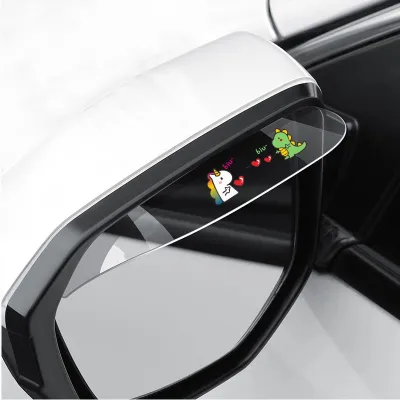
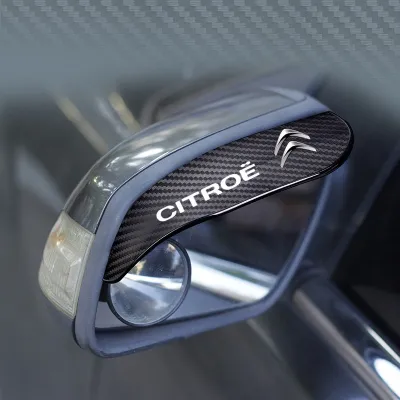
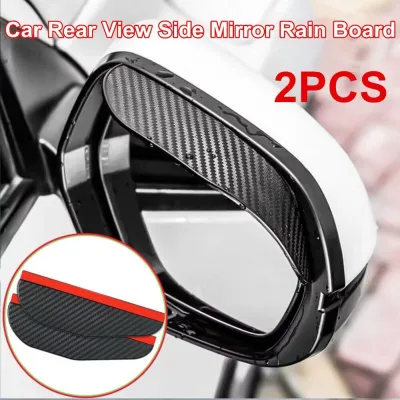
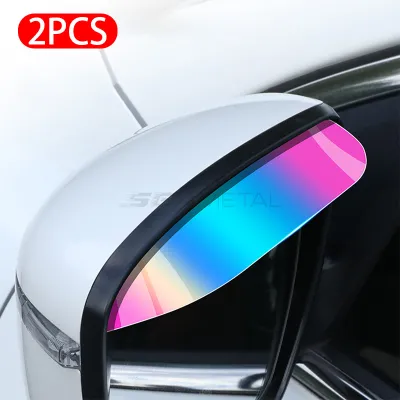
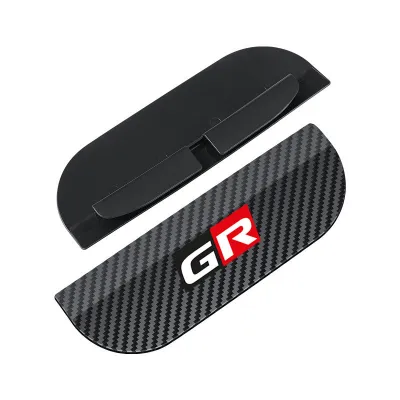
Prices are valid at publication and may change. Please refer to the product page for the latest price.
Common road hazards and parking environments in Singapore present unique challenges for vehicle upkeep. Narrow parallel parking spaces and tight concrete ramps in multi-storey carparks frequently lead to scratches, scuffs, or impact damage on the outermost edges of your side mirrors. Over time, constant exposure to intense tropical sunlight can also cause the factory paint or clear coat on your mirror caps to fade, bubble, or peel. Identifying these specific pain points helps you determine whether you need a cosmetic cover-up, a rugged physical barrier, or a complete replacement shell.
Differentiating between temporary protection and a permanent aesthetic upgrade is essential for making a cost-effective decision. If you frequently park in high-risk zones, use automated car washes, or leave your car exposed to construction dust, a temporary, slip-on fabric or silicone protector offers excellent utility. Conversely, if your goal is to give your vehicle a sporty, premium, or customized look—such as a glossy black or carbon-fiber finish—you should focus on permanent snap-on caps or stick-on trims.
Misidentifying your core goal can result in wasted money and installation frustration. Purchasing a flexible, slip-on silicone sock will not fix a structurally damaged mirror cap that has broken off its mounting clips. Similarly, buying a permanent, adhesive-backed trim is unnecessary if you only want to protect your mirrors during occasional road trips or storage. By aligning your purchase with your actual daily driving and parking habits, you can narrow down your choices to the most effective and durable options.
How to Verify Fitment and Compatibility
Ensuring a precise fit is the most critical step when purchasing an aftermarket side mirror cover. Because side mirrors are aerodynamically styled and house complex electrical components, even minor differences in vehicle production can prevent a cover from fitting securely. A loose or poorly fitting cover can detach at highway speeds, creating a serious safety hazard for you and other road users.

To guarantee compatibility, you must verify your vehicle’s exact make, model, generation, and production year. Automotive manufacturers frequently update vehicle designs during mid-cycle facelifts, which often include subtle changes to the shape, size, or contour of the side mirror housings. A cover designed for a pre-facelift model will rarely fit a post-facelift version of the same car, even if the model name remains identical. Always refer to your vehicle’s logbook, owner’s manual, or chassis number (VIN) to confirm the exact production details.
Another critical factor to consider is the steering configuration of your vehicle, specifically Left-Hand Drive (LHD) versus Right-Hand Drive (RHD). In Singapore, vehicles are configured for Right-Hand Drive. However, many aftermarket parts sold online are manufactured for LHD markets like North America or continental Europe. Because side mirrors are asymmetrical to provide the driver with the correct viewing angles, the physical shape, mounting angles, and internal clips of LHD and RHD mirror housings often differ. Installing an LHD-designed cover on an RHD vehicle can result in poor fitment, visible gaps, or misalignment.
Modern vehicles are equipped with advanced driver-assistance systems (ADAS) and convenience features integrated directly into the side mirrors. When choosing a cover, you must verify that it accommodates these features. Look for precise cutouts or custom-molded sections that support:
- Side turn signal indicators (LED light bars)
- Blind-spot monitoring sensors and warning lights
- 360-degree parking cameras mounted on the underside of the mirror
- Puddle lights that illuminate the ground when unlocking the vehicle
- Auto-folding motorized mechanisms
To avoid compatibility errors, do not rely solely on generic product titles on online marketplaces. Instead, cross-reference the manufacturer’s original equipment manufacturer (OEM) part numbers whenever possible. Many reputable automotive parts retailers provide online fitment verification tools where you can input your vehicle’s specific details. If you are still uncertain, contact the seller directly to request exact dimensions, or consult a professional automotive workshop to verify compatibility before finalizing your purchase.
Compare the Main Types of Side Mirror Covers
Understanding the structural design and mounting methods of different side mirror covers is key to selecting the right product. The market is primarily divided into three categories: snap-on replacement caps, slip-on silicone or fabric socks, and stick-on trims. Each type offers distinct trade-offs regarding durability, aesthetic integration, and ease of installation.
Snap-On Replacement Caps
Snap-on replacement caps are designed to replace your vehicle’s original factory mirror covers entirely. These caps feature molded plastic clips on their underside that align perfectly with the factory mounting points inside the mirror assembly. To install them, you must carefully pry off the existing OEM cover and snap the new replacement cap directly into place.
These caps offer the most seamless, factory-quality finish available in the aftermarket. Because they do not sit on top of another layer, they maintain the original aerodynamic profile of your side mirrors, preventing unwanted wind resistance or whistling noises at high speeds. They are highly durable and provide a clean, integrated look that is indistinguishable from original factory-installed parts.
However, the installation process requires a steady hand and a high degree of patience. Removing the original factory cap involves prying against delicate plastic tabs that can easily snap if too much force is applied. Additionally, excessive pressure on the mirror housing during removal can crack the mirror glass or damage the internal motorized adjustment gears. This option is best suited for car owners seeking a permanent aesthetic upgrade—such as upgrading to a premium gloss black or painted finish—or those replacing a physically damaged or missing factory cap.
Slip-On Silicone or Fabric Socks
Slip-on covers, often referred to as mirror socks, are temporary protectors made from highly flexible materials such as silicone, neoprene, or heavy-duty elastic fabrics. These covers feature a simple, stretchy design that allows you to pull them directly over the entire side mirror assembly without the need for tools, adhesives, or disassembly.
The primary benefit of slip-on covers is their immediate utility and ease of use. They can be installed or removed in a matter of seconds, making them highly convenient for temporary protection. Drivers frequently use them to shield their mirrors from physical damage when parking in exceptionally tight spaces, navigating narrow construction zones, or driving through automated mechanical car washes where spinning brushes can scratch the paint.
Despite their practicality, slip-on covers have several notable limitations. From an aesthetic standpoint, they lack the sleek, integrated appearance of replacement caps and can look bulky or out of place on a modern vehicle. Furthermore, because they are not airtight, they can trap rainwater, road grime, and humidity against the mirror housing if left on continuously. This trapped moisture can degrade the underlying paint clear coat or lead to mold growth. Additionally, the flexible material can flutter or vibrate at high speeds, slightly altering vehicle aerodynamics and generating noticeable wind noise on the highway.
Stick-On Trims and Appliques
Stick-on trims, also known as overlay covers, are thin, molded shells designed to adhere directly over your existing factory mirror caps. These accessories typically utilize high-bond, double-sided automotive tape (such as 3M acrylic foam tape) pre-applied to the inner surface of the trim.
The standout advantage of stick-on trims is their incredibly straightforward installation process. Because they simply overlay the existing housing, you do not need to remove the factory cap or disassemble any part of the mirror. This makes them a highly popular, budget-friendly option for drivers who want to quickly customize their car’s appearance with popular finishes like chrome, matte black, or carbon-fiber patterns.
However, stick-on trims have specific drawbacks that you must consider. Because they sit on top of the original cap, they add a small amount of bulk to the mirror’s profile, which can sometimes result in a slightly raised edge where the trim meets the main housing. They also only cover the outer face of the mirror, leaving the bottom and inner edges of the original cap exposed to view. Furthermore, their long-term durability depends entirely on the quality of the adhesive and the thoroughness of the surface preparation. In hot and humid environments, low-quality adhesives can degrade rapidly, causing the trim to peel or fall off over time.
Choose the Right Material for Singapore's Tropical Climate
Singapore’s tropical climate presents a harsh environment for automotive exterior accessories. High ambient temperatures, intense year-round ultraviolet (UV) radiation, and frequent heavy rainstorms can accelerate the degradation of low-quality materials. When choosing a side mirror cover, selecting a material that can withstand these demanding weather conditions is vital for ensuring long-term durability and maintaining your car’s appearance.
ABS Plastic
Acrylonitrile Butadiene Styrene (ABS) plastic is the industry standard material used for both OEM factory mirrors and high-quality aftermarket covers. ABS is highly favored because it is lightweight, impact-resistant, and structurally stable, meaning it will not warp or deform even when parked under intense direct sunlight. However, raw ABS plastic is susceptible to UV degradation, which can cause it to become brittle and fade to a dull gray over time. To prevent this, ensure that any ABS cover you purchase is coated with an automotive-grade, UV-resistant paint or clear coat.
Carbon Fiber and Carbon-Look Vinyl
For drivers seeking a sporty, high-performance aesthetic, carbon fiber is a highly popular choice. Real carbon fiber covers are exceptionally strong, lightweight, and visually striking. However, they are also the most expensive option on the market. In a tropical climate, real carbon fiber is highly vulnerable to UV damage. Without a premium, UV-inhibiting clear coat, the resin binding the carbon fibers can yellow, haze, or delaminate after prolonged exposure to the sun. If you choose real carbon fiber, verify that the manufacturer has applied a high-quality UV protective layer. Carbon-look vinyl wraps or vinyl-coated ABS covers offer a much cheaper alternative, but the intense heat from the sun and the engine bay can cause the vinyl adhesive to dry out, leading to peeling, bubbling, and lifting at the edges.
Silicone and Neoprene
Silicone and neoprene are the primary materials used for temporary slip-on covers. Both materials are highly waterproof, chemically inert, and exceptionally flexible, allowing them to absorb minor impacts from car doors or shopping carts easily. However, because these materials are completely non-porous, they do not allow trapped moisture to evaporate. In Singapore’s high-humidity environment, leaving silicone or neoprene covers on your vehicle for extended periods can trap condensation and rainwater against the mirror housing, potentially damaging the paint clear coat or promoting mold growth. If you use these covers, make it a habit to remove them regularly to let both the cover and the mirror housing dry completely.
Chrome and Metallic Finishes
Chrome-plated plastic and metallic-finished covers provide a distinct, luxury-oriented appearance. While visually striking, these finishes require diligent maintenance in wet climates. Heavy tropical rain can leave unsightly water spots and mineral deposits on reflective chrome surfaces, which can become etched into the finish if not cleaned promptly. Additionally, metallic surfaces absorb a significant amount of heat when exposed to direct sunlight, raising the surface temperature of the mirror assembly. This elevated heat can weaken the double-sided adhesive tape used on stick-on trims. If you opt for a chrome finish, ensure it has a certified weather-resistant coating to prevent corrosion, pitting, or flaking.
Installation Guidelines and Safety Boundaries
Installing a side mirror cover is a manageable DIY project, but it requires careful execution to avoid damaging your vehicle. Because modern side mirrors contain sensitive electronics, motorized components, and delicate glass, following correct procedures is essential for a safe and successful installation.
Before beginning any installation or modification, always check the product’s packaging label and your vehicle manufacturer’s instructions. If the instructions conflict, if the aftermarket part does not seem to align perfectly, or if you are unsure about how the cover might affect your vehicle’s safety sensors, stop immediately. Consult your vehicle’s manufacturer, an authorized dealer, or a qualified professional automotive workshop before proceeding.
For stick-on trims, proper surface preparation is the single most important factor determining whether the adhesive will hold. Start by washing the mirror housing thoroughly with car shampoo to remove surface dirt. Next, clean the mounting area with isopropyl alcohol and a clean microfiber cloth to strip away any remaining wax, grease, or paint sealants. This step is crucial, as even microscopic oil residues can prevent the double-sided tape from bonding correctly. Avoid installing adhesive trims in direct sunlight or highly humid conditions, as extreme temperatures and moisture can interfere with the adhesive’s curing process.
When installing snap-on replacement caps, never use metal tools like flathead screwdrivers or butter knives to pry off the original factory cap. Metal tools apply highly concentrated pressure that can easily chip your car’s paint, gouge the plastic housing, or crack the mirror glass. Instead, always use professional plastic trim removal tools, which are designed to distribute pressure evenly and prevent damage to delicate surfaces. Work slowly around the perimeter of the cap, gently releasing each plastic tab one by one. When snapping the new cap into place, apply gentle, even pressure until you hear the clips lock securely.
After completing the installation, perform a thorough safety check before driving your vehicle on public roads. Sit in the driver’s seat and use the electronic controls to adjust the side mirror glass through its full range of motion. Ensure that the new cover does not obstruct or rub against the glass at any angle. Next, step outside the vehicle and turn on your hazard lights to verify that the cover does not block the visibility of the side turn signals. Finally, if your vehicle is equipped with blind-spot monitoring cameras or 360-degree parking cameras, check your dashboard screen to confirm that the camera’s field of view is completely clear and undistorted.
If the installation of your chosen cover requires fully disassembling the mirror housing, removing the glass panel, or splicing into the vehicle’s electrical wiring—such as when retrofitting LED turn signals—do not attempt to do this yourself unless you have professional training. Damaging the vehicle’s electrical harness can lead to costly repairs and may void your vehicle’s warranty. In these scenarios, always have the work performed by a qualified automotive technician at a professional workshop.
Frequently Asked Questions (FAQ)
Will a side mirror cover block my blind-spot camera or turn signal?
Model-specific replacement caps and high-quality stick-on trims are engineered with precise cutouts designed to accommodate factory safety features, including blind-spot cameras, turn signals, and puddle lights. However, universal covers, slip-on socks, or poorly manufactured aftermarket trims can easily obstruct these components. Always inspect the product specifications, images, and customer feedback to confirm that the cover features exact cutouts matching your vehicle’s specific safety features before purchasing.
Are carbon fiber mirror covers legal for road use?
In Singapore, modifying or replacing your side mirror covers with aftermarket materials like carbon fiber is generally legal, provided the modification does not alter the reflective surface of the mirror glass, obstruct the driver’s field of vision, or interfere with mandatory lighting and safety systems. The covers must be securely mounted to prevent them from detaching while driving. Always consult the Land Transport Authority (LTA) guidelines or check with a certified inspection center if you are unsure about specific exterior modification regulations.
How do I remove adhesive residue from stick-on mirror trims?
To safely remove stubborn adhesive residue left behind by double-sided tape, apply a dedicated automotive adhesive remover or isopropyl alcohol to a clean microfiber cloth and gently rub the affected area. Avoid using sharp metal scrapers, razor blades, or harsh household solvents like acetone or nail polish remover, as these can permanently scratch, melt, or discolor the underlying factory paint and plastic trim.
Community discussion
Share your experience or ask a question. Comments are reviewed before publication.