
Choosing a portable air pump that matches your vehicle’s tire specifications is critical for road safety, fuel efficiency, and tire longevity. A mismatched pump can lead to slow inflation, overheated equipment, or inaccurate pressure readings that compromise handling. To make an informed choice, you must align the pump’s technical capabilities with your vehicle’s specific requirements.
Selecting the right device involves understanding your tire’s volume, the manufacturer’s recommended pressure levels, and the physical valve interface of your wheels. By matching these factors to your typical driving scenarios in Singapore, you can ensure you are always prepared for unexpected pressure drops or routine maintenance.
How to Read Your Tire Specifications Before Buying
Before comparing portable air pump models, you must locate the exact tire specifications designated by your vehicle’s manufacturer. Inflating tires to incorrect levels can lead to uneven tread wear, reduced traction, and an increased risk of tire failure.
Products mentioned in this guide
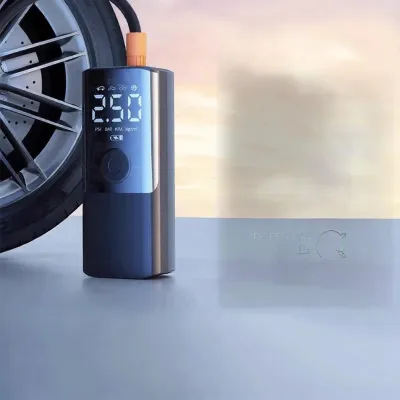
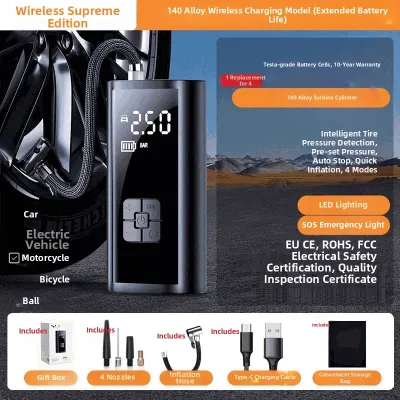
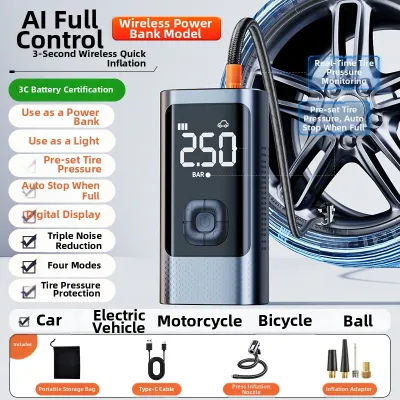
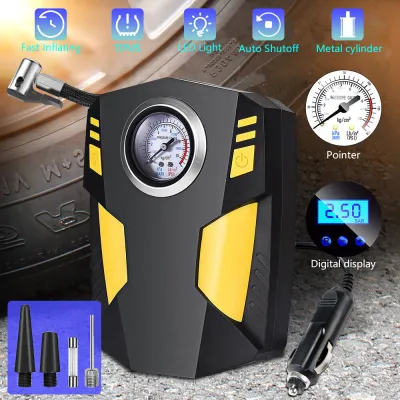
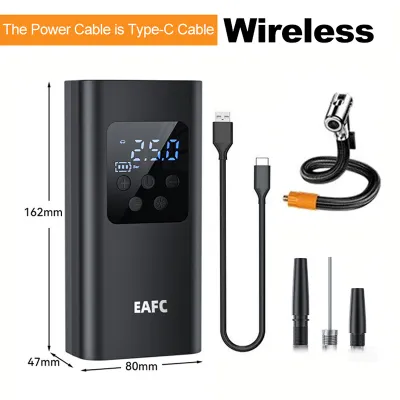
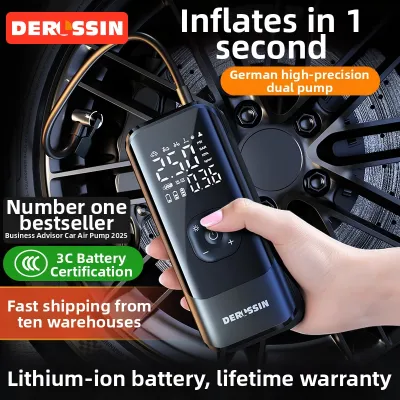
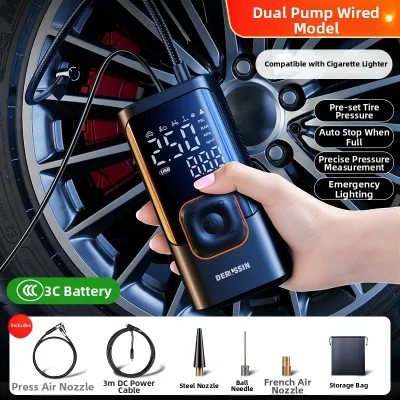
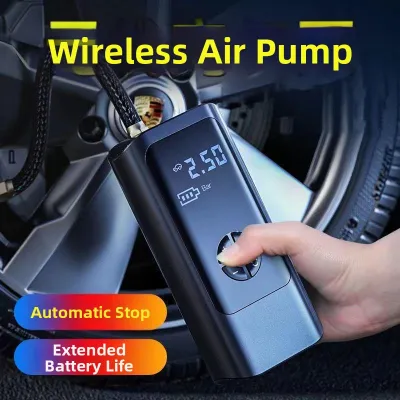
Prices are valid at publication and may change. Please refer to the product page for the latest price.
The most reliable place to find your recommended cold tire inflation pressure is on the tire information placard. This sticker is typically located on the driver’s side door jamb (or B-pillar) or inside the fuel filler flap. Alternatively, consult your vehicle’s owner’s manual. Never use the inflation pressure printed on the tire sidewall itself; this figure represents the maximum pressure the tire can safely hold under maximum load, not the optimal operating pressure for your specific vehicle.
Most passenger vehicles, motorcycles, and light commercial vehicles in Singapore utilize a Schrader valve, which is the same wide, threaded valve found on standard car tires. High-performance bicycles often use the narrower Presta valve. While almost every portable air pump on the market natively supports Schrader valves, verify if the pump package includes adapters if you intend to use the device across multiple vehicle types.
Matching the pump’s maximum pressure output and gauge accuracy to your vehicle’s requirements is a fundamental safety step. A pump rated for a high maximum PSI might seem impressive, but its sensor accuracy at lower, more common pressures (such as 30 to 35 PSI) is what truly matters. Investing in a pump with a highly accurate, calibrated digital gauge ensures you do not inadvertently over-inflate or under-inflate your tires, keeping your vehicle within safe operating parameters.
Matching Pump Capacity and Pressure to Your Vehicle Type
Different vehicle classes have vastly different tire volumes and pressure demands. Selecting a pump that is underpowered for your vehicle type leads to excessive inflation times and premature motor wear, while an overly bulky pump may be impractical to store.

Compact Cars and Sedans
Standard passenger cars, such as compact hatchbacks and sedans, typically require tire pressures ranging between 30 and 35 PSI (approximately 207 to 241 kPa). Because these tires have moderate air volumes, they do not require heavy-duty industrial compressors to maintain proper inflation.
For these vehicles, a portable air pump with an airflow rate of 20 to 25 liters per minute (L/min) is highly efficient. A pump within this range can easily top up a slightly deflated tire in under two minutes. Opting for a model with a clear digital gauge allows you to monitor the pressure in real-time and set precise targets, which is much more reliable than trying to read a vibrating analog dial.
Since trunk space is often highly valued in compact cars, prioritizing a lightweight, compact form factor is a smart choice. Many modern portable pumps are small enough to fit inside a glove compartment or under a seat. This compact design ensures the tool is always within reach without cluttering your storage areas.
SUVs and Crossovers
SUVs, crossovers, and larger multi-purpose vehicles (MPVs) feature tires with significantly larger air volumes than standard sedans. Although the recommended pressure levels may remain similar (often between 32 and 38 PSI), the sheer quantity of air required to fill these tires is much greater.
To avoid tedious wait times at the roadside, look for a portable air pump with an airflow capacity of at least 35 to 45 L/min. A higher airflow rate ensures that the pump can fill a large tire quickly, reducing your exposure to roadside hazards. When dealing with larger tire volumes, a low-capacity pump will struggle, running continuously for long periods and generating excessive heat.
This brings up the critical concept of the duty cycle, which is the continuous operating time a pump can sustain before it must be switched off to cool down. Many compact pumps have a 10-minute duty cycle, meaning they require a 10-to-15-minute rest after 10 minutes of continuous use. For an SUV, inflating all four tires consecutively can easily exceed this limit, making a pump with a robust duty cycle and integrated thermal protection essential. Some heavy-duty SUVs or light trucks may also require higher maximum PSI capabilities than standard car pumps can provide.
Motorcycles and Scooters
Motorcycles and scooters present a unique set of requirements: they have relatively low air volumes but demand exceptionally precise pressure management. Because two-wheelers rely on a very small contact patch with the road, even a minor deviation of 2 PSI can drastically alter the bike’s handling, cornering stability, and braking distance.
When choosing a pump for a motorcycle, prioritize gauge accuracy above all else. Look for digital pumps that specify an accuracy tolerance of +/- 1 PSI or better. This precision allows you to maintain the exact balance required for safe riding, especially on wet or uneven road surfaces.
Portability is another critical factor, as motorcycles have highly constrained storage spaces. Cordless, rechargeable battery-powered pumps are highly practical for motorcyclists because they can be easily stowed in a top box, under-seat compartment, or backpack. Additionally, ensure the pump’s air hose is flexible and comes with right-angle or quick-release valve adapters, as tight wheel spokes and large brake discs can make standard straight connectors difficult to attach.
Choosing the Right Power Source for Your Needs
The power source of your portable air pump dictates where, when, and how long you can use the device. Understanding the trade-offs between 12V DC wired models and cordless rechargeable models will help you choose the best fit for your driving habits.
12V DC (Cigarette Lighter) Pumps
- Pros: These pumps plug directly into your vehicle's 12V accessory socket, offering a virtually unlimited runtime as long as your vehicle's engine is running. They are generally more powerful than battery-operated units, making them highly reliable for inflating multiple large tires in a single session.
- Cons: You are physically tethered to the vehicle by the length of the power cable and the air hose. You must also keep your vehicle's engine running while operating the pump to prevent draining your starter battery, which can be noisy and impractical in enclosed residential carparks.
Rechargeable Battery-Powered Pumps
- Pros: These cordless units offer unmatched convenience and versatility. You can use them to inflate tires on vehicles parked in tight spaces where running a cord is impossible, or use them for other inflatables like bicycle tires and sports equipment.
- Cons: They are limited by their internal battery capacity. If the battery is depleted, you cannot use the pump until it is recharged via a USB or wall outlet. They also require periodic maintenance charges every few months to ensure the battery remains healthy and ready for emergencies.
When evaluating physical design, look for models that feature integrated storage compartments for the air hose, power cords, and nozzle adapters. Having dedicated slots for these components prevents them from getting lost in your boot and keeps the unit tidy. Additionally, check the overall weight and dimensions to ensure the pump fits comfortably within your vehicle’s designated storage tray or emergency kit.
Essential Safety Features and Safe Usage Practices
Operating a portable air pump safely requires both the right hardware features and correct user habits. Because tires store a massive amount of potential energy under pressure, safety must always be your primary concern.
An automatic shutoff feature is the most critical safety mechanism to look for when purchasing a portable air pump. This feature allows you to pre-program your desired target pressure on a digital screen. Once the pump reaches this threshold, it automatically cuts power to the compressor. This prevents dangerous over-inflation, which can weaken the tire structure and lead to a high-speed blowout on the highway.
Thermal overload protection is another indispensable safety feature. Compressing air generates a significant amount of heat, which transfers directly to the pump’s motor and housing. If a pump runs for too long without cooling down, the internal components can melt or seize. Thermal protection automatically shuts down the unit if the internal temperature exceeds safe limits, preserving the lifespan of your tool.
To ensure accurate readings and prevent equipment damage, always practice safe usage habits:
- Check pressure when tires are cold: Driving friction heats up the air inside your tires, causing the pressure to rise temporarily. For the most accurate reading, check your tires before driving, or at least three hours after parking. Singapore's hot tropical climate can artificially raise tire pressure readings if measured immediately after a long drive.
- Monitor operating temperatures: Always feel the pump housing and hose during use. If they become uncomfortably hot to the touch, turn off the unit and allow it to cool completely before continuing.
- Follow manufacturer instructions: Always consult your vehicle's manual and the air pump's instruction booklet for specific operating guidelines, duty cycles, and safety boundaries.
Frequently Asked Questions (FAQ)
Can I use a car tire inflator for my motorcycle tires?
Yes, you can generally use a car tire inflator on motorcycle tires, provided the pump uses a compatible Schrader valve connector and supports the required pressure range. However, because motorcycle tires contain a much smaller volume of air than car tires, a high-capacity car pump will inflate them extremely quickly. To prevent accidental over-inflation and potential tire damage, you must use a pump with a highly precise digital auto-shutoff feature or closely monitor the pressure gauge throughout the entire process.
How often should I check my tire pressure with a portable pump?
You should check your tire pressure at least once a month and before embarking on any long road trips. In Singapore’s hot, tropical climate, tire pressures can fluctuate due to ambient temperature changes, and tires naturally lose approximately 1 to 2 PSI of air pressure per month through normal permeation. Conducting regular checks with a reliable portable air pump helps maintain optimal fuel economy, ensures even tread wear, and maximizes your vehicle’s grip on wet roads during sudden downpours.
Community discussion
Share your experience or ask a question. Comments are reviewed before publication.