
Singapore’s tropical climate presents a unique set of challenges for maintaining a car’s cabin. With year-round high humidity and intense ultraviolet (UV) radiation, interior plastics are highly susceptible to premature aging, fading, cracking, and the dreaded sticky dashboard syndrome. Finding the right plastic cleaner is not just about removing surface dust; it requires selecting a product formulated to lift stubborn contaminants while preserving the material’s structural integrity and appearance under harsh environmental conditions.
When choosing an interior plastic cleaner, car owners must navigate a wide array of formulations, finishes, and protective qualities. A well-chosen product restores the cabin’s visual appeal, prevents long-term degradation, and ensures that sensitive electronic components and adjacent materials remain undamaged. By understanding the specific needs of your vehicle’s surfaces and the characteristics of different cleaning agents, you can establish a safe, effective maintenance routine that keeps your car’s interior looking pristine for years.
Key Factors to Consider When Selecting a Plastic Cleaner
Selecting the ideal plastic cleaner requires a clear understanding of what you need the product to accomplish. Car interiors are exposed to a variety of contaminants that differ significantly from those found on a car’s exterior. Daily driving in Singapore leads to an accumulation of body oils, sweat, dust, and residue from sunscreens or cosmetics. Sunscreen, in particular, contains oils and physical blockers like titanium dioxide that can leave stubborn, unsightly white stains on black plastic door panels and armrests. Your chosen cleaner must have sufficient emulsifying power to break down these greasy barriers without requiring aggressive scrubbing that could scratch or wear down the plastic’s textured grain.
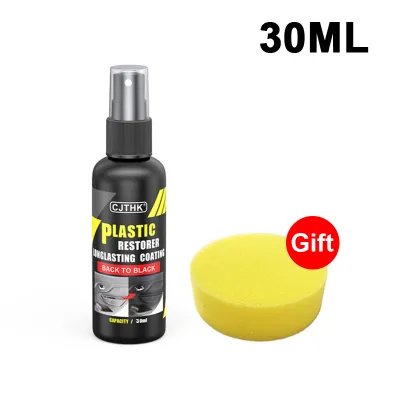
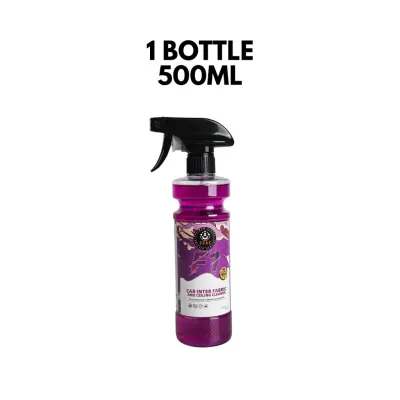
Products mentioned in this guide
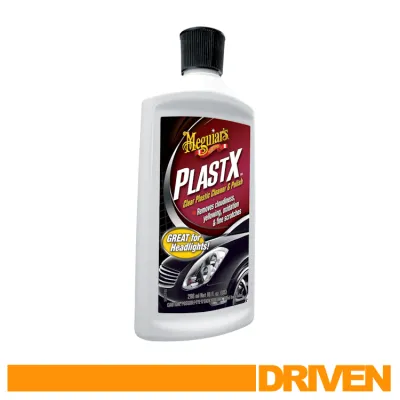
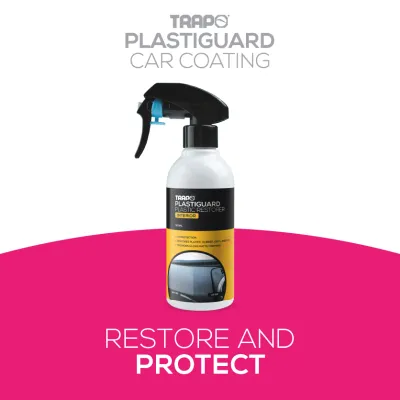
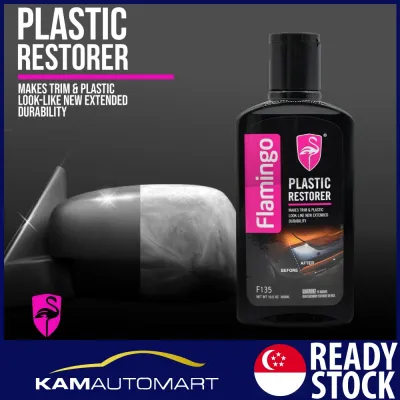
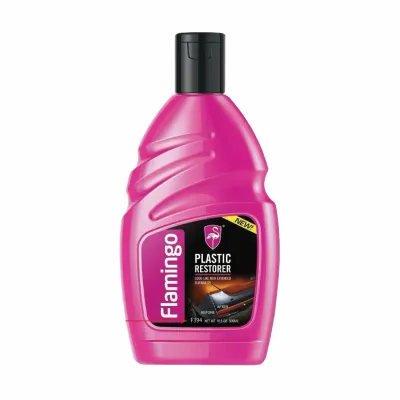
![[SG SELLER]Rayhong Plastic Renovator For Car Retreading Agent Wax Car Restorer Cream Car Maintenance Care For Car Cleaning Product Coated Plastic Instrument Panel Wax Dustproof Glossy Leather Maintenance](https://img.lazcdn.com/g/p/4254da500e31b2d91dbbecee504691cf.jpg_400x400q80.jpg_.webp)
Prices are valid at publication and may change. Please refer to the product page for the latest price.
Another critical consideration is the aesthetic finish left behind by the product. Interior detailing products generally fall into three finish categories: matte, satin, and glossy. While a high-gloss finish might appeal to some, it can create a significant safety hazard in bright tropical sunlight. Highly reflective dashboards bounce intense glare onto the windshield, severely compromising forward visibility during midday drives. For this reason, many detailing professionals recommend matte or satin finishes. These options restore the natural, factory-fresh look of the plastic, darkening the surface slightly to hide minor scuffs without creating a distracting, shiny reflection.
Ingredient safety and material compatibility are paramount when working inside a modern vehicle cabin. Car interiors are tight, complex spaces where plastic panels sit directly adjacent to leather upholstery, vinyl wraps, chrome accents, and delicate infotainment screens. A harsh, oversprayed cleaner can easily run onto these sensitive surfaces, causing permanent staining, chemical etching, or stripping away protective anti-reflective coatings on digital displays. To prevent this, look for pH-balanced, solvent-free formulations that are explicitly labeled as safe for multi-surface interior use, or take extra precautions during application to isolate the plastic components.
Types of Car Interior Plastic Cleaners and Their Use Cases
Car interior plastic cleaners are formulated in several distinct types, each tailored to specific maintenance scenarios and levels of dirt accumulation. Understanding these categories allows you to build a versatile detailing kit that addresses everything from daily touch-ups to deep restoration work.

Quick Detailers and Wipes
Quick detailers and pre-moistened wipes are designed for light duty and maximum convenience. These products are ideal for keeping in the glove compartment or door pocket for immediate use. If you notice a fresh fingerprint on the center console or a light layer of dust settling on the dashboard, a quick spray and wipe can resolve the issue in seconds. These formulations typically contain mild cleaning agents and light anti-static properties to repel dust, but they lack the deep-cleaning power required for heavy grime or neglected surfaces. When choosing wipes, ensure they are alcohol-free to prevent drying out the plastic over time.
Foaming Cleaners
Foaming cleaners are the preferred choice for deep-cleaning textured plastics, speaker grilles, and intricate crevices. When sprayed, the product expands into a thick foam that clings to vertical surfaces rather than running down into sensitive electronics. This foaming action helps lift embedded dirt, makeup, and grease out of the microscopic textured grain of the plastic, holding the contaminants in suspension so they can be easily wiped away with a microfiber towel. Foaming cleaners are highly effective for periodic deep cleans but generally require a thorough wipe-down to ensure no soapy residue is left behind.
Multi-Surface Interior Cleaners
Multi-surface interior cleaners, often referred to as interior all-purpose cleaners (APCs), offer broad compatibility across a wide range of cabin materials, including plastics, vinyl, synthetic leather, and carpets. These are highly versatile and cost-effective, making them a staple for complete cabin details. However, because they are designed to clean multiple surfaces, they may not contain specialized conditioning agents or UV inhibitors specifically optimized for plastic preservation. When using a concentrated multi-surface cleaner, always follow the manufacturer’s dilution instructions carefully, as an overly strong mixture can strip the plastic’s natural plasticizers, leading to brittleness.
Cleaners with Built-In UV Protectants and Dressings
For long-term preservation in sun-drenched environments, cleaners featuring integrated UV protectants and dressings are indispensable. These products do double duty: they clean away light soil while leaving behind a microscopic, sacrificial barrier of UV-absorbing polymers. This barrier acts like sunscreen for your dashboard, blocking the harmful ultraviolet rays that break down plastic molecules and cause fading, yellowing, and cracking. These formulations often include conditioning agents that penetrate the plastic to restore lost moisture, keeping the material flexible and resilient against the intense cabin heat that builds up when parked outdoors.
How to Verify Product Compatibility and Safety
Before applying any new chemical to your car’s interior, verifying its compatibility with your specific vehicle materials is essential for preventing costly, irreversible damage. Modern automotive manufacturers use a wide variety of plastics, ranging from hard polypropylene to soft-touch coated plastics and sensitive acrylics. A product that works perfectly on one vehicle might cause discoloration or strip the delicate matte coating off another.
Always begin by thoroughly reading the product label. Look for explicit manufacturer approvals and clear instructions regarding which surfaces the cleaner is safe for. Avoid products that use vague language or fail to list material exclusions. High-quality automotive detailing brands will clearly state if a product is unsuitable for soft-touch plastics, navigation screens, or clear instrument cluster lenses. If the label warns against use on specific materials, heed those warnings strictly.
Performing a spot test is a critical safety step that should never be skipped, regardless of what the product label promises. Locate an inconspicuous area of the interior that is normally hidden from view, such as the underside of the steering column, the lower edge of the center console, or the inside of a door map pocket. Apply a small amount of the cleaner to a microfiber cloth and gently wipe the test area. Allow the product to dry completely, and monitor the spot over 24 hours. Inspect the area under direct, natural light, checking for any signs of color transfer onto the cloth, fading, white chalky residue, swelling, or changes in the plastic’s texture.
To protect your cabin, actively avoid products containing harsh chemicals. Strong solvents, acetone, ammonia, and high concentrations of isopropyl alcohol should be kept far away from car interior plastics. Ammonia is particularly destructive; it can dry out plastics, cause yellowing, and strip the anti-glare and anti-fingerprint coatings off infotainment screens and instrument clusters. Furthermore, establish a strict safety boundary during application: never apply dressings or protectants to control surfaces such as the steering wheel rim, gear selector, handbrake lever, or pedals. These products can leave a slick, slippery residue that severely compromises your grip and control of the vehicle, creating an immediate driving hazard.
Where to Buy and What to Check Before Purchasing
Finding genuine, high-quality plastic cleaners in Singapore involves choosing the right purchasing channels and performing diligent pre-purchase checks. The automotive care market is filled with both premium detailing brands and low-cost, unbranded alternatives, making verification a key step in securing a safe product.
| Retail Channel | Pros | Cons | Best For |
|---|---|---|---|
| Authorized Detailing Shops | Expert advice, guaranteed genuine products, immediate physical inspection | Higher price point, limited physical locations | Premium specialty brands and professional-grade formulas |
| Official Brand Stores (Online) | Direct from manufacturer, frequent online promotions, convenient delivery | Shipping wait times, cannot inspect physical bottle before purchase | Routine restocking of trusted, mainstream detailing brands |
| General Online Marketplaces | Widest selection, highly competitive pricing, user reviews | Risk of counterfeit products, variable seller reliability | Budget-conscious buyers looking for common consumer-grade cleaners |
When shopping on online marketplaces, verifying seller credentials is vital to avoid counterfeit or improperly stored products. Look for sellers with high positive feedback ratings, official mall badges, or those designated as authorized distributors for the brand. Read through customer reviews, paying close attention to photos uploaded by buyers. Look for comments regarding how the product was packaged; liquid detailing products can easily leak or degrade if exposed to excessive heat during transit or storage in unconditioned warehouses.
Upon delivery, perform a thorough physical inspection of the product before opening it. Check that the safety seal under the cap is completely intact and shows no signs of tampering or leakage. Look for a batch code and an expiration date printed on the bottle. Many advanced polymer-based cleaners and UV protectants have a shelf life of two to three years; using expired products can result in poor performance, streaking, or chemical separation. Shake the bottle gently to ensure the liquid has not separated into distinct layers, which is a common sign of improper storage in high-temperature environments.
Frequently Asked Questions (FAQ)
Can I use household glass or multi-purpose cleaners on car plastics?
No, using household glass or multi-purpose cleaners on car interior plastics is highly discouraged. Household cleaners are often formulated with harsh chemicals like ammonia, high-strength alcohol, or heavy surfactants designed to cut through kitchen grease or leave streak-free glass. When applied to automotive plastics, these aggressive chemicals can strip away the plastic’s natural plasticizers, leading to rapid drying, fading, and eventual cracking. Furthermore, household cleaners lack the essential UV inhibitors required to protect car interiors from sun damage. To preserve your cabin, always use a pH-balanced, automotive-grade plastic cleaner specifically engineered for the delicate materials found inside vehicles.
How often should I clean and protect my car's interior plastics?
For vehicles driven daily in Singapore, a two-tiered maintenance schedule is recommended to combat the effects of high humidity and UV exposure. Perform a light dusting and quick wipe-down once a week using a dry or slightly damp microfiber cloth to prevent abrasive dust from settling into the plastic grain. For deep cleaning and UV protection, apply a dedicated plastic cleaner and protectant every two to four weeks. If your car is frequently parked outdoors in direct sunlight, you should apply UV protectants closer to the two-week mark. Conversely, if your vehicle is primarily kept in sheltered multi-storey car parks (MSCPs), a monthly deep clean and protection application is generally sufficient to maintain the plastic’s flexibility and appearance.
Community discussion
Share your experience or ask a question. Comments are reviewed before publication.