
The key to maintaining a pristine car cabin is matching the chemical pH of the car interior cleaner to the specific material’s tolerance. Leather requires a pH-neutral to slightly alkaline formula (pH 7 to 8) to preserve its delicate clear protective coating and prevent drying. Fabric upholstery and carpets benefit from slightly alkaline cleaners (pH 8 to 10) to break down organic oils, sweat, and ground-in dirt. Hard plastics, vinyl, and sensitive soft-touch dashboard surfaces are best treated with pH-neutral formulas (pH 7) to avoid discoloration, embrittlement, and stripping of built-in UV inhibitors. Selecting the wrong chemical profile can lead to irreversible damage, such as cracked leather, faded plastics, or bleached fabrics. Understanding these chemical properties allows car owners to safely maintain their vehicles, preserve resale value, and avoid costly detailing mistakes.
Why pH Levels Matter for Car Interior Materials
In car detailing, pH is the primary factor determining how a cleaning solution interacts with organic and synthetic surfaces. The pH scale ranges from 0 to 14, where 7 is neutral, values below 7 are acidic, and values above 7 are alkaline. Acidic cleaners are effective at dissolving mineral deposits and inorganic salts, but they can be destructive to organic materials like leather and delicate synthetic dyes. On the other end of the spectrum, alkaline cleaners excel at emulsifying fats, grease, and heavy organic grime, yet highly alkaline solutions can strip vital natural oils, degrade protective coatings, and cause materials to dry out and crack.
Modern car cabins feature a complex mix of materials, including natural hides, woven synthetic fibers, polyurethane coatings, and soft-touch plastics. Each surface has a specific chemical threshold. For instance, organic leather possesses a natural acidity that can be disrupted by harsh chemicals, leading to rapid degradation. Synthetic plastics rely on plasticizers to remain flexible; aggressive chemical exposure can leach these plasticizers out, causing the material to become brittle, fade, or develop a sticky residue. Understanding this balance allows car owners to select products that lift dirt through targeted chemistry rather than raw chemical force, ensuring the cabin remains pristine without sacrificing material integrity.
Products mentioned in this guide
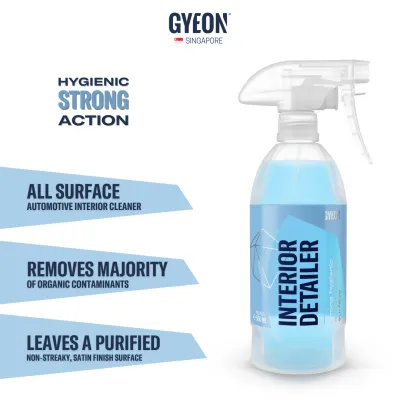
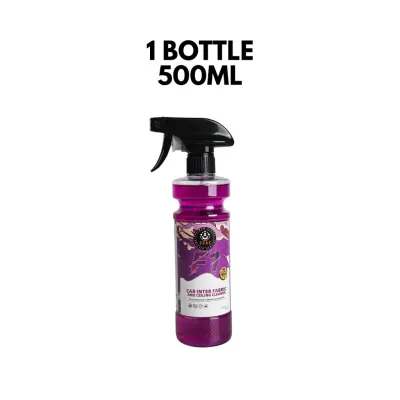
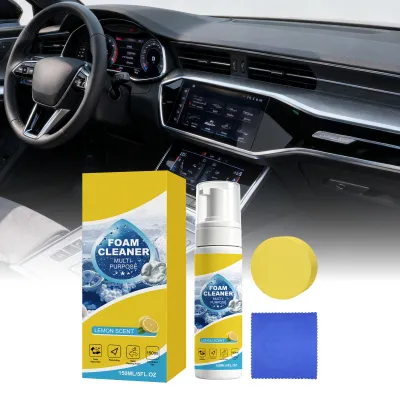
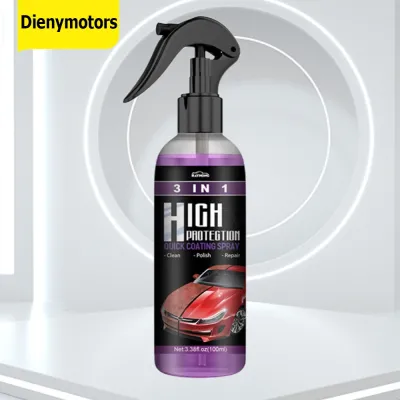
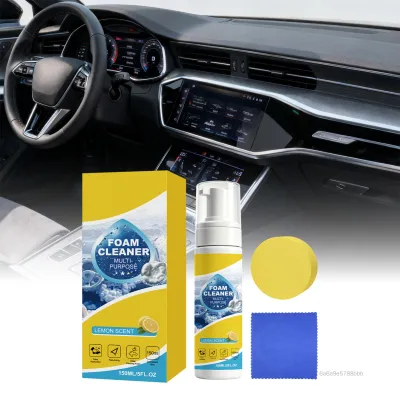
Prices are valid at publication and may change. Please refer to the product page for the latest price.
Furthermore, Singapore’s intense tropical heat and high humidity accelerate chemical reactions. A cleaner left on a hot dashboard or leather seat will dry much faster and react more aggressively than it would in a cooler climate. This makes selecting the correct, gentle pH level even more critical for local car owners, as the margin for error is significantly narrower when cabin temperatures can easily exceed 50 degrees Celsius.
Matching pH Formulations to Specific Interior Surfaces
Leather Seats and Trim
Modern automotive leather typically features a thin, protective polyurethane clear coat applied over dyed pigments to shield the underlying hide from UV rays, friction, and minor spills. Cleaning automotive leather is primarily about maintaining this synthetic topcoat while preserving the flexibility of the organic leather underneath. The ideal cleaner for this surface is pH-neutral (pH 7) or a very mild, specialized slightly alkaline formulation (pH 7 to 8).

Using highly acidic cleaners on leather can cause the protective polyurethane topcoat to break down, peel, or become sticky. Conversely, using strong alkaline degreasers will strip the essential oils and moisture from the hide, leading to premature cracking, fading, and a stiff texture. When selecting a car interior cleaner for leather, always verify that the product label explicitly states it is safe for automotive leather. If the vehicle manufacturer’s owner manual specifies particular care instructions, those must take precedence. If the leather is vintage, uncoated, or custom-dyed, consult a professional detailer or the leather manufacturer before applying any liquid cleaner. Regular maintenance with a dedicated pH-neutral cleaner, followed by a high-quality leather conditioner, will keep the material supple and prevent the clear coat from wearing down under daily friction.
Fabric Upholstery and Carpets
Woven fabric seats, headliners, and floor carpets are highly porous and tend to trap body oils, sweat, food spills, mud, and organic grime deep within their fibers. In Singapore’s hot and humid climate, trapped organic matter and moisture create a prime breeding ground for bacteria, mold, and mildew, leading to persistent musty odors. To effectively break down these organic stains and oils, slightly alkaline cleaners with a pH of 8 to 10 are highly recommended.
Alkaline cleaning agents work by emulsifying fats and neutralizing acidic organic compounds, making it much easier to lift the dirt out of the woven fibers. However, high alkalinity must be managed carefully. After agitating the cleaner with a soft-bristle upholstery brush, it is crucial to thoroughly extract or wipe away the residue with a clean, damp microfiber cloth to prevent chemical build-up, which can attract more dirt over time. Furthermore, avoiding over-saturation of the fabric is critical. Excess water trapped deep within foam seat cushions can take days to dry, leading to mold growth. Always use a damp-to-dry technique, ensure adequate ventilation during the drying process, and check the vehicle’s manual for fabric care restrictions.
Hard Plastics, Vinyl, and Dashboards
Modern dashboards, door panels, and consoles are constructed from synthetic polymers, vinyl, and soft-touch plastics designed to withstand daily wear and intense sunlight. Many modern dashboards feature specialized matte finishes and integrated UV-resistant coatings to prevent the plastic from drying out, cracking, or generating a dangerous windshield glare under the intense Singapore sun. For routine maintenance of these surfaces, pH-neutral cleaners (pH 7) are the safest and most effective choice.
Using harsh, highly alkaline or acidic cleaners on hard plastics and vinyl can strip away the factory UV inhibitors, leading to rapid discoloration, fading, or a patchy, white-ish haze. Soft-touch plastics, which have a slightly rubberized texture, are particularly vulnerable; aggressive chemicals can dissolve the top layer, leaving behind a permanently sticky, ruined finish. A dedicated pH-neutral car interior cleaner safely lifts dust, fingerprints, and light oils without altering the plastic’s chemical structure or leaving behind a greasy residue that attracts dust. Before applying any product, check the label to ensure compatibility with modern automotive plastics, and never spray the cleaner directly onto sensitive electronic screens, instrument clusters, or console buttons. Instead, apply the product to a clean microfiber towel and wipe the surface gently to maintain its original factory appearance.
Evaluating All-in-One Neutral Car Interior Cleaners for Cross-Surface Use
For many car owners, the prospect of purchasing, storing, and applying multiple specialized cleaners is inconvenient. This has led to the popularity of “all-in-one” or multi-surface pH-neutral car interior cleaners. These formulations are engineered to be safe across almost all common cabin materials, including leather, vinyl, plastic, rubber, and even light fabric. The primary advantage of a high-quality pH-neutral multi-surface cleaner is safety; it virtually eliminates the risk of accidental chemical damage caused by overspray. For example, if you are cleaning a plastic dashboard and some cleaner oversprays onto the leather steering wheel or a fabric pillar, a pH-neutral formula will not harm those adjacent materials.
However, this safety profile comes with a distinct trade-off in cleaning power. Because pH-neutral cleaners lack the chemical aggressiveness of specialized acidic or alkaline solutions, they are less effective at tackling severe, deep-set stains. A neutral cleaner will easily wipe away dust, fresh fingerprints, and light surface grime, but it will struggle to lift stubborn coffee stains, ground-in mud, or heavy grease from carpets and fabric seats. Relying solely on a neutral cleaner for a heavily soiled vehicle will often lead to frustration and excessive scrubbing, which can mechanically damage delicate fibers or leather coatings.
A practical decision framework for car owners involves a tiered approach:
- Routine Maintenance: Use a high-quality, pH-neutral multi-surface car interior cleaner for weekly or bi-weekly wipe-downs of the entire cabin. This preserves existing protective coatings and keeps surfaces looking fresh.
- Targeted Deep Cleaning: Keep a small selection of specialized, pH-adjusted cleaners on hand for specific tasks. Use a dedicated, slightly alkaline fabric cleaner for periodic carpet shampooing, and a specialized leather cleaner for deep-cleaning leather seats before applying a conditioner. Always check both the vehicle manufacturer's guidelines and the cleaner's label before proceeding with deep cleaning.
Safe Application and Spot Testing Procedures
Regardless of how mild or highly rated a car interior cleaner claims to be, chemical compatibility is never guaranteed due to variations in material wear and aftermarket treatments. To prevent costly, irreversible damage to your car’s cabin, always perform a standardized spot test before treating any visible surface. First, consult the applied cleaning product’s label and your vehicle manufacturer’s care instructions before starting any cleaning process. If the instructions conflict, the material is unidentified, or the specific use is not covered on the label, stop and consult the manufacturer or a qualified automotive detailing professional.
To conduct a spot test, identify a hidden, inconspicuous area of the material you intend to clean. For leather or fabric seats, this could be the underside of the headrest, the lower rear skirt of the seat, or a small section of the carpet tucked beneath the floor mats. For dashboards and plastics, look for a low-lying spot near the footwell or inside a door pocket. Apply a very small amount of the cleaner to a clean, white microfiber towel, and gently press it onto the test spot. Hold it for a few seconds, then wipe gently.
Examine the microfiber towel immediately. If you notice any color transfer, dye bleeding, or pigment on the cloth, stop using the cleaner immediately. Allow the test area to dry completely, and inspect it under good lighting for any changes in texture, fading, white residue, or loss of gloss. If any adverse reactions occur, do not proceed; instead, consult the vehicle manufacturer or a professional automotive detailing specialist.
When applying the cleaner to the rest of the cabin, follow these safety guidelines:
- Never spray directly onto surfaces: Spray the cleaner onto a microfiber cloth first to prevent overspray onto sensitive electronics, screens, or adjacent materials.
- Avoid letting chemicals dry: Work in small sections and wipe off the cleaner immediately. Allowing any cleaner to dry on a hot surface can cause chemical staining.
- Use appropriate tools: Use ultra-soft microfiber towels for wiping and soft-bristle detailing brushes for gentle agitation in seams and crevices. Avoid stiff nylon brushes or abrasive pads that can scratch delicate plastics or tear leather fibers.
- Check instructions: Always read the product label for specific dilution ratios (if using a concentrate) and safety precautions, and cross-reference them with your vehicle's owner manual.
Frequently Asked Questions (FAQ)
Can I use household glass cleaner or dish soap on my car interior?
No, using household cleaning products on automotive interiors is highly discouraged. Many household glass cleaners contain ammonia, which is highly alkaline and can strip the protective coatings off plastics, dry out leather, and permanently damage aftermarket window tint films. Dish soap is formulated to strip heavy grease from dishes and is often highly alkaline; using it on car interiors can leach plasticizers from vinyl and dashboards, causing them to dry out, fade, and crack over time. Dish soap is also extremely difficult to rinse out of fabric upholstery, leaving behind a sticky soap residue that will attract dirt and promote mold growth in humid environments.
How do I know the pH level of a car interior cleaner if it is not on the label?
If the pH level is not explicitly stated on the product packaging, the most reliable method is to check the manufacturer’s official website for the product’s Technical Data Sheet (TDS) or Safety Data Sheet (SDS). These documents are legally required to list chemical specifications, including the pH value or range. Alternatively, you can purchase inexpensive pH test strips from a local shop or online marketplace, mix a small amount of the cleaner with distilled water (if it is a concentrate) or apply the strip directly to a ready-to-use liquid, and compare the color change to the provided chart. However, for maximum safety, it is always best to rely on reputable automotive detailing brands that clearly state their formulations are engineered and tested specifically for vehicle interior materials.
Community discussion
Share your experience or ask a question. Comments are reviewed before publication.