
Choosing the right Moorgen car cover to protect your vehicle in Singapore requires a careful evaluation of material specifications, fabric layers, and fitment options. With the local climate presenting a harsh combination of intense ultraviolet radiation, sudden tropical downpours, and high humidity, a generic cover will not suffice. To safeguard your car’s exterior, you must select a cover designed specifically for outdoor use that balances robust waterproofing with high breathability and UV reflection. Taking the time to verify these technical details ensures your vehicle remains shielded from environmental damage while parked outside.
Understanding Singapore's Climate Challenges for Car Covers
Singapore’s tropical climate presents a unique set of environmental challenges that can rapidly degrade both your vehicle’s paintwork and the protective cover itself. The high UV index experienced throughout the year accelerates the oxidation of clear coats, leading to faded paint, brittle plastics, and degraded rubber trim. Standard fabrics that lack specialized UV-resistant treatments will quickly break down, tear, or lose their protective qualities under constant solar exposure, leaving your car vulnerable.
Frequent and sudden monsoon downpours introduce another layer of risk for outdoor parking. When heavy rain hits, water can easily pool on flat surfaces of the cover or seep through weak, stitched seams. If the cover material is not sufficiently waterproof, moisture will penetrate the fabric and sit directly on your car’s paint, leading to stubborn water spots, mineral deposits, and potential clear coat damage.
Products mentioned in this guide
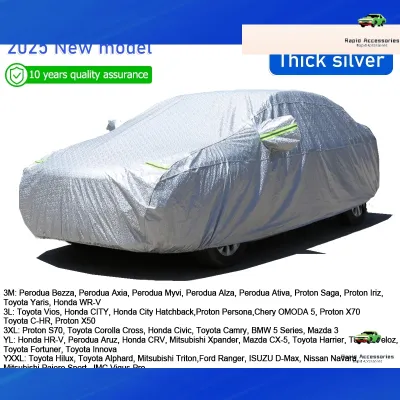
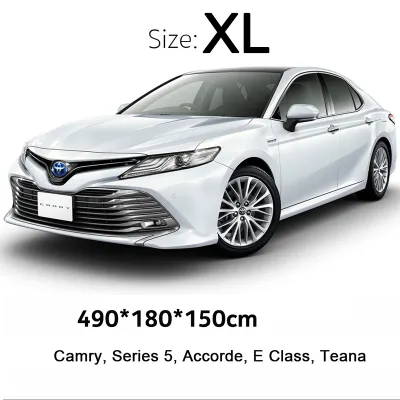
Prices are valid at publication and may change. Please refer to the product page for the latest price.
High ambient humidity further complicates outdoor vehicle storage in the region. When moisture becomes trapped beneath a non-breathable cover, the warm environment creates a greenhouse effect. This trapped condensation can lead to rapid mold growth, mildew on rubber seals, and even paint blistering over extended periods. Therefore, any cover used in these conditions must allow internal moisture to escape while keeping external water out.
Key Features to Look for in a Moorgen Car Cover
To combat these intense environmental factors, you should look for multi-layer constructions when evaluating Moorgen car covers. High-quality outdoor covers typically combine several specialized material layers to address UV radiation, water ingress, and moisture retention simultaneously. Understanding how these layers function allows you to make an informed decision based on your specific parking situation.

UV Protection and Heat Reflection
When reviewing Moorgen product specifications, prioritize covers that feature a highly reflective outer layer. Silver, aluminum, or specially coated light-colored surfaces are excellent for bouncing solar radiation away from the vehicle. These reflective coatings help lower the cabin temperature and prevent the paint from absorbing excessive heat during peak daylight hours, protecting sensitive interior electronics and leather upholstery.
Verify the manufacturer’s documentation for explicit mentions of UV-stabilized treatments. A cover that has been treated to resist UV degradation will maintain its structural integrity much longer under the intense equatorial sun. Avoid dark-colored covers for outdoor parking, as they absorb solar heat and transfer it directly to your vehicle’s clear coat, which can accelerate paint damage and warp plastic trim.
Additionally, check the inner lining of the cover to ensure it is paint-friendly. A soft, non-abrasive backing, such as cotton, microfiber, or soft fleece, is essential to protect the paintwork from fine scratches during installation and removal. This soft layer acts as a buffer, ensuring that the heat-reflective outer layers do not press harshly against the vehicle’s surface when wind causes the cover to move.
Waterproofing vs. Water Resistance
It is crucial to distinguish between “water-resistant” and fully “waterproof” covers when selecting a model for Singapore’s weather. Water-resistant covers are designed to repel light drizzles or short showers, but they will eventually saturate during prolonged, heavy downpours. For reliable outdoor protection, you need a cover that explicitly states it is waterproof and has been tested to withstand high water pressure.
Look for specifications that detail polyurethane (PU) coatings or specialized waterproof membranes within the fabric layers. These materials block liquid water from passing through the fabric while maintaining the durability needed to withstand heavy rain. Always check the product description to confirm the presence of these protective barriers rather than relying on generic marketing terms.
Seam construction is another critical area to inspect before making a purchase. Even the most waterproof fabric will fail if water leaks through the needle holes created during the stitching process. Ensure the Moorgen cover you choose features heat-sealed or taped seams, which seal the stitching lines and prevent water from seeping through to the car’s surface during intense storms.
Breathability to Prevent Moisture Trapping
A completely sealed, non-breathable cover can cause more harm than good in a humid environment. To prevent condensation from building up underneath, look for micro-porous technologies or breathable fabric layers in the product specifications. These materials feature pores that are small enough to block liquid water droplets but large enough to allow water vapor to escape freely.
In addition to breathable fabrics, check for built-in ventilation panels or covered air vents. These vents are typically positioned near the top or sides of the cover, designed to promote continuous air circulation without letting rain inside. This airflow helps dry any residual moisture that may have accumulated from ground evaporation or temperature fluctuations.
Avoid cheap plastic or vinyl covers that lack breathability for long-term outdoor storage. These materials trap humidity completely, creating a damp environment that can damage your car’s electrical components, corrode metal parts, and ruin the interior upholstery over time. Investing in a breathable cover is essential for maintaining the vehicle’s overall health.
Ensuring the Right Fit and Secure Installation
A car cover can only protect your vehicle if it fits correctly and remains securely in place. When choosing a Moorgen cover, avoid generic “universal” sizes that claim to fit a wide range of vehicle classes. A cover that is too loose will flap in the wind, acting like sandpaper against your paint, while a cover that is too tight can strain the seams and tear easily.
Always match the cover to your specific vehicle make, model, body style, and model year. Look for options that offer a contoured fit tailored to your car’s dimensions, which minimizes excess fabric. Features such as deep mirror pockets and elasticized front and rear hems help the cover conform to the vehicle’s natural shape, reducing loose fabric that wind can catch.
Secure tie-down systems are essential for preventing the cover from shifting or blowing away during sudden squalls. Check for heavy-duty straps that pass underneath the vehicle, adjustable buckles, and reinforced grommets. Ensuring the cover is fastened tightly minimizes movement, protecting your paint from friction damage and keeping the vehicle fully shielded even during stormy weather.
Maintenance and Care for Tropical Conditions
Proper maintenance of your Moorgen car cover is necessary to preserve its protective coatings and extend its service life. Regularly inspect the cover for accumulations of bird droppings, tree sap, and industrial dust. These contaminants are highly acidic and can eat through waterproof coatings if left untreated; clean them promptly using a soft sponge and clean water, following the manufacturer’s specific care instructions.
Never fold or store the car cover while it is wet or damp. Doing so creates a breeding ground for mold and mildew, which can ruin the fabric and transfer unpleasant odors and spores to your vehicle. Allow the cover to air dry completely in a shaded, well-ventilated area before packing it into its storage bag, ensuring it is ready for its next use.
Additionally, avoid placing the cover onto a hot vehicle immediately after driving or during the peak heat of the afternoon. The residual heat from the engine bay and exhaust can damage the inner lining or cause the cover’s materials to adhere to the warm paintwork. Allow the car to cool down completely before securing the cover to prevent any heat-related damage.
Frequently Asked Questions (FAQ)
Can I use an indoor Moorgen car cover outdoors in Singapore?
No, you should not use an indoor car cover for outdoor parking in Singapore. Indoor covers are typically made from lightweight, breathable materials designed solely to protect against dust and minor indoor abrasions. They lack the necessary UV-resistant coatings, waterproof membranes, and heat-sealed seams required to withstand intense sunlight and heavy rain. Using an indoor cover outdoors will lead to rapid material degradation, water saturation, and potential damage to your vehicle’s paintwork from trapped moisture.
How often should I wash my car cover in a tropical climate?
You should wash your car cover whenever you notice a visible buildup of dirt, dust, bird droppings, or tree sap. In Singapore’s tropical climate, a monthly visual inspection is recommended to determine if cleaning is necessary. Always follow the manufacturer’s specific care label, which usually advises hand washing with mild, non-detergent soap and rinsing thoroughly with clean water. Avoid using harsh household detergents or washing machines unless explicitly permitted by the manufacturer, as these can strip away the waterproof and UV-resistant coatings.
Community discussion
Share your experience or ask a question. Comments are reviewed before publication.