
Using the wrong cloth on your car can lead to fine scratches, swirl marks, and unsightly streaks that dull your vehicle’s finish. To achieve a clean finish without damaging delicate surfaces, you must match the specific weave, weight, and edge design of your microfiber towels to the exact task at hand. By understanding how different cloths interact with paint, glass, wheels, and interior materials, you can protect your automotive investment and simplify your maintenance routine.
Understanding Microfiber Specifications for Car Care
Microfiber towels are not all created equal, and understanding their technical specifications is the first step toward safe car detailing. The primary measurement to look for on product labels is GSM, which stands for grams per square meter. This number indicates the density and weight of the towel, with lower GSM ranges (around 200 to 300) being thinner and more utilitarian, while higher GSM ranges (500 to 1000 or more) are thicker, softer, and highly absorbent.
The weave of the fabric also dictates how the towel behaves on different surfaces. A waffle weave features a dimpled pattern that excels at trapping water without dragging, making it well-suited for drying. Plush weaves have long, open loops that gently lift dust and polish away from delicate paintwork. Standard terry weaves offer a balance of scrubbing power and absorbency, which works well for general cleaning tasks.
Products mentioned in this guide
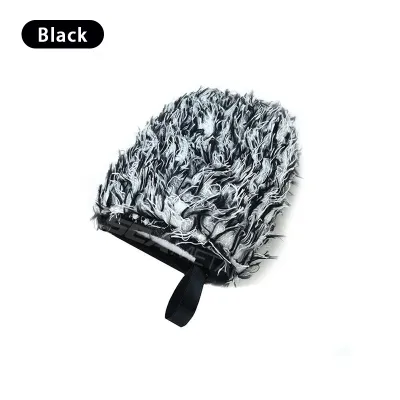
Prices are valid at publication and may change. Please refer to the product page for the latest price.
Finally, the edge of the cloth plays a critical role in preventing scratches on soft clear coats. Traditional stitched edges can use polyester threads that harden over time and mar paint. To minimize this risk, look for towels with laser-cut edgeless designs, or those finished with soft silk or suede borders. Checking these specifications before purchasing ensures you select a towel designed for your specific detailing goals.
Selecting Cloths for Exterior Paint and Clear Coat
Your car’s exterior paint and clear coat require a gentle touch to prevent swirl marks and micro-scratches. For drying a freshly washed vehicle, high-absorbency towels with a GSM of 500 or higher are generally recommended. These thick, plush towels can hold several times their weight in water, allowing you to dry the vehicle with minimal friction and fewer passes across the paintwork.

When applying or buffing off waxes, sealants, and quick detailers, a medium-weight plush towel (around 350 to 500 GSM) provides the right balance. The medium pile height is long enough to absorb excess product and trap stray dust particles, yet short enough to give you excellent control during buffing. For these delicate paint steps, prioritizing edgeless designs is highly beneficial to avoid fine scratches from rough seams.
Before any cloth touches your paint, establish a strict pre-use inspection routine. Shake the towel out vigorously and run your hand over the surface to check for embedded debris, hardened dirt, or stiff manufacturer tags. Even a tiny piece of grit trapped in the fibers from a previous wash can act like sandpaper on your clear coat, so any compromised towel should be set aside immediately.
Matching Towels to Automotive Glass and Windows
Achieving streak-free glass requires a completely different approach than cleaning painted panels. Thick, plush towels tend to hold onto moisture and cleaning agents too long, which often leaves behind hazy residues and fine lint. For windows, mirrors, and windshields, low-pile towels or specialized waffle-weave cloths are the standard choice because they glide smoothly and dry quickly.
These tight, low-pile weaves lift dirt and oily films off the glass surface without shedding fibers. When cleaning glass, it is also critical to avoid using towels that have been washed with fabric softeners. Softeners coat the synthetic fibers with a water-repellent chemical layer, which severely reduces absorbency and causes immediate smearing when you wipe the glass.
To maintain optical clarity, dedicate a specific set of cloths solely to your glass cleaning routine. Using the same towel for glass that was previously used to buff wax or apply interior dressings will lead to cross-contamination. Even after washing, microscopic residues of silicone or wax can remain in the fibers, transferring onto your windshield and creating dangerous glare under night driving conditions.
Choosing Heavy-Duty Cloths for Wheels and Tires
Wheels, tires, and exhaust tips accumulate the most abrasive and damaging contaminants on a vehicle, including metallic brake dust and road grime. Because these particles can easily ruin premium paint towels, you must use heavy-duty cloths dedicated strictly to these areas. Lower GSM towels (around 200 to 300) or older, repurposed paint towels are excellent candidates for these dirty jobs.
For textured tire sidewalls and intricate wheel barrels, select tight terry weaves or utility microfibers that offer a bit of scrubbing agitation. These fibers help lift stubborn road film and brake dust out of rubber pores and metal crevices. Ensure you follow the wheel manufacturer’s instructions regarding safe cleaning tools, especially if your wheels have delicate matte, chrome, or painted finishes.
To prevent cross-contamination, implement a strict color-coding system for your detailing kit. For example, you might reserve bright yellow towels exclusively for paint, blue for glass, and black or grey towels solely for wheels and tires. This visual separation ensures that a cloth covered in sharp, metallic brake dust never accidentally makes contact with your delicate exterior clear coat.
Picking Soft Microfiber for Interior Surfaces and Screens
Modern vehicle interiors feature a complex mix of materials, from rugged vinyl and soft leather to highly sensitive infotainment screens and glossy piano black trim. For general dusting of dashboards, door panels, and steering wheels, low-to-medium GSM plush cloths work beautifully. They carry a static charge when dry, which naturally attracts and holds dust without the need for heavy chemical sprays.
For delicate touchscreens, instrument clusters, and glossy plastic trim, you must use ultra-soft, non-abrasive weaves similar to those used for eyeglasses. These surfaces scratch easily, and standard utility towels can leave permanent micro-scratches that obscure displays. A clean, dry, low-pile suede or ultra-fine microfiber cloth is highly effective for gently wiping away fingerprints and dust from these areas.
Always recognize the limits of general cleaning advice and consult your vehicle owner’s manual before treating specialized interior coatings. Some modern anti-reflective screens, matte wood trims, or aniline leather seats require specific, manufacturer-approved cleaning methods. If you are unsure about a surface’s compatibility with microfiber or a particular cleaner, test an inconspicuous area first to verify safety.
Washing and Maintaining Your Car Cleaning Accessories
Proper maintenance is essential to preserve the electrostatic properties and softness of your microfiber towels over time. Always wash your microfiber cloths separately from cotton towels, clothing, or bed linens. Cotton sheds lint excessively, and the synthetic fibers of your microfiber will trap these cotton fibers, rendering your detailing towels highly prone to linting during future use.
When washing, use a dedicated microfiber detergent or a gentle, scent-free liquid laundry detergent. Absolutely avoid bleach and fabric softeners, as bleach degrades the polyester and polyamide blend, while softeners clog the microscopic wedge-shaped fibers that trap dirt. Wash on a cold or warm cycle, as high heat can melt the delicate synthetic tips of the fibers, turning a soft towel into a scratchy hazard.
After washing, the safest option is to air-dry your towels in a clean, dust-free indoor environment. If you prefer using a clothes dryer, select the lowest heat setting or a no-heat air-fluff cycle to prevent heat damage. Once dry, store your clean cloths immediately in a sealed plastic bin or zippered storage bag to protect them from airborne dust, garage debris, and pests until your next detailing session.
Frequently Asked Questions (FAQ)
Can I use the same microfiber cloth for the interior and exterior?
Using the same microfiber cloth for both the interior and exterior of your vehicle is not recommended due to the high risk of cross-contamination. Exterior cloths often collect abrasive road grit, grease, and brake dust that can easily transfer to and scratch delicate interior plastics or stain leather seats. Conversely, interior dressings and leather conditioners left on a cloth can cause severe streaking and smearing when applied to exterior glass or paint. Maintaining separate, color-coded sets for each zone is the safest way to protect all surfaces.
How do I know when a microfiber cloth needs to be replaced?
A microfiber cloth should be retired from paint duty when it shows visible signs of wear or loses its effectiveness. Key indicators include a noticeable loss of water absorbency, fibers that feel stiff or scratchy even after a proper wash, or frayed edges that could mar clear coats. Additionally, if a towel has been dropped on the ground or contains embedded grit, pine needles, or metal shavings that cannot be completely washed out, it should be downgraded to dirty tasks like engine bay cleaning or discarded entirely.
Community discussion
Share your experience or ask a question. Comments are reviewed before publication.