
Choosing the right metal rim protector involves a systematic evaluation of your wheel’s physical dimensions, your vehicle’s specific suspension clearance, and the mounting mechanism of the protector itself. Unlike flexible plastic or rubber alternatives, metal protectors offer a rigid barrier against curb rash, but they require precise fitment to prevent damage to the tire sidewall or the wheel finish. To make an informed decision, you must verify your wheel diameter, width, offset, and the specific installation requirements of the product.
Because wheels and tires are critical safety systems, any modification or installation of rim protectors should be evaluated by a qualified tire technician, and original-vehicle instructions must be followed. This guide provides a structured approach to identifying, assessing, and shortlisting metal rim protectors that align with your specific vehicle type and driving conditions.
Understanding Metal Rim Protectors and Their Purpose
Metal rim protectors are rigid, circular bands designed to shield the outer lip of an alloy wheel from abrasive contact with concrete curbs. In tight urban environments, such as navigating narrow multi-story car park ramps or parallel parking along concrete curbs, wheels are highly susceptible to scraping. A metal protector acts as a sacrificial barrier, absorbing the impact and abrasive force of a curb before it can gouge or scratch the underlying alloy wheel.
Products mentioned in this guide
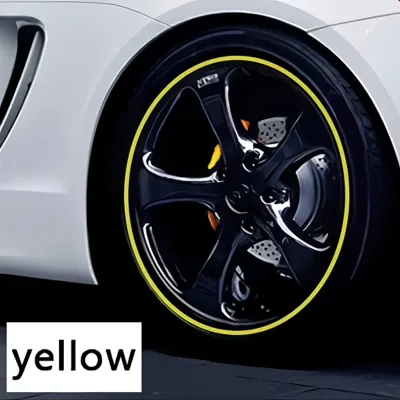
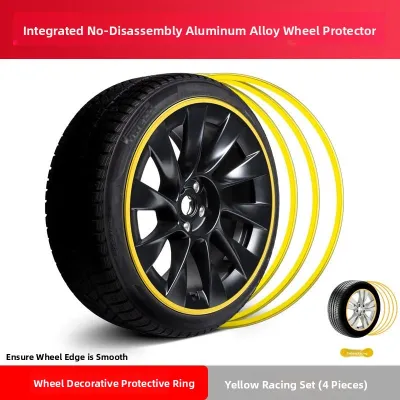
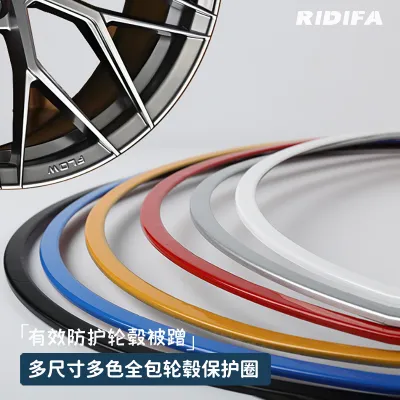
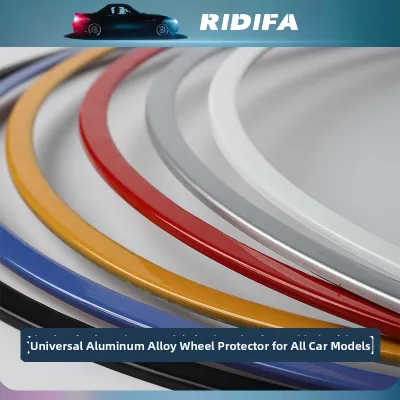
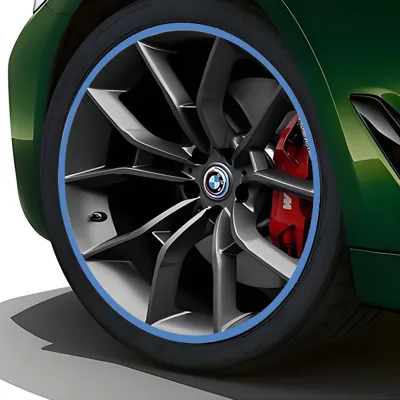
Prices are valid at publication and may change. Please refer to the product page for the latest price.
When comparing materials, metal protectors offer distinct mechanical advantages over rubber or plastic alternatives. While rubber and plastic guards are highly flexible and easy to apply, they can easily tear, shear, or degrade under moderate impact forces. Metal alloys, such as aluminum or stainless steel, provide superior structural rigidity and impact resistance, allowing them to withstand more significant lateral forces without exposing the wheel lip.
However, metal protectors are best suited for specific application scenarios, such as vehicles equipped with low-profile tires where the tire sidewall does not extend past the rim face. Performance vehicles and luxury sedans frequently utilize these low-profile setups, making them primary candidates for metal rim protection. Despite their durability, metal protectors introduce inherent limitations, including added unsprung weight to the wheel assembly and the potential to scratch the wheel finish if they become loose or are improperly installed.
Matching the Protector to Your Wheel Size and Specifications
To ensure a secure fit, you must first extract the precise physical measurements of your wheel assembly. The most straightforward way to confirm your wheel diameter is by reading the tire sidewall markings. For example, in a standard tire designation such as 245/40 R19, the number following the “R” indicates a 19-inch wheel diameter. The metal rim protector must match this nominal diameter exactly; attempting to force a mismatched size will result in fitment failure or unsafe operating conditions.

Beyond the nominal diameter, you must evaluate how your wheel’s width and offset affect the clearance of the protector ring. A wider wheel or an aggressive offset pushes the outer face of the wheel closer to the vehicle’s fender lip. Adding a metal rim protector increases the overall outer profile of the wheel assembly, which can lead to rubbing against the inner fender liner during tight turns or when the suspension is fully compressed. You must measure the existing clearance between your tire sidewall and the fender before purchasing.
Furthermore, nominal diameter sizing is not always a guarantee of compatibility due to variations in wheel lip profiles. Different wheel manufacturers design their outer flanges with distinct shapes, such as J-bead or K-bead profiles. A metal protector designed for a standard flange may not seat securely on a wheel with a specialized or heavily contoured lip. Always check the protector manufacturer’s technical documentation to verify compatibility with your specific wheel brand and model rather than relying solely on the diameter measurement.
Evaluating Fitment and Installation Methods for Your Vehicle
Metal rim protectors generally utilize one of three primary attachment mechanisms: bolt-on, clip-on, or adhesive-backed systems. Bolt-on systems use small, integrated set screws to clamp the protector directly onto the outer lip of the wheel, offering high mechanical security but requiring precise torque to avoid gouging the alloy. Clip-on systems feature metal tabs that insert between the tire bead and the wheel rim, securing the protector via the tire’s inflation pressure. Adhesive-backed systems rely on high-strength, automotive-grade double-sided tape, which is easier to install but highly dependent on meticulous surface preparation.
Because these mounting methods interact directly with the tire bead and the wheel structure, they carry significant safety and maintenance implications. Improperly installed clip-on or bolt-on protectors can compromise the tire bead seal, leading to slow air leaks or sudden tire deflation. Additionally, adding a metal ring to the outer edge of a wheel alters its weight distribution, which can cause steering wheel vibrations at highway speeds. Consequently, the wheel assembly must be re-balanced on a professional balancing machine immediately after installation.
Before purchasing any aftermarket metal wheel accessory, you should consult your vehicle’s owner’s manual and warranty terms. Some vehicle manufacturers explicitly advise against attaching mechanical clamps or aftermarket accessories to alloy wheels, and doing so may void your wheel or suspension warranty. If you are unsure about the compatibility of a specific mounting mechanism with your vehicle’s original equipment, seek advice from a qualified tire technician before proceeding.
Assessing Material Quality and Curb Protection Capabilities
Evaluating the material grade of a metal rim protector is essential to ensure long-term durability and prevent cosmetic degradation. Most high-quality metal protectors are manufactured from lightweight aluminum alloys (such as 6000-series aluminum) or marine-grade stainless steel. Aluminum alloys offer an excellent strength-to-weight ratio, minimizing the addition of unsprung mass, while stainless steel provides exceptional resistance to deep gouging and structural deformation.
In humid, tropical climates or coastal areas, environmental corrosion is a primary concern for metal accessories. When two dissimilar metals, such as a stainless steel protector and an aluminum alloy wheel, come into contact in the presence of moisture, galvanic corrosion can occur, rapidly degrading both components. To mitigate this risk, look for metal protectors that feature protective surface treatments, such as anodized finishes, powder coatings, or integrated rubber gaskets that physically isolate the protector from the wheel surface.
Structural design features also play a critical role in how effectively a protector absorbs and deflects impacts. Look for protectors with chamfered or radiused outer edges, which help deflect lateral forces during a curb scrape rather than absorbing the impact head-on. A wrapping design that hooks slightly over the inner edge of the rim lip provides superior structural stability, preventing the protector from peeling away from the wheel during a high-angle scrape. Always verify these structural details and load-bearing claims on the product’s technical specification sheet.
Building Your Shortlist: Key Checks Before Purchasing
To finalize your selection and ensure a successful purchase, compile a shortlist of candidate products and subject them to a rigorous verification process. First, confirm that the product documentation explicitly lists compatibility with your exact wheel dimensions, lip profile, and vehicle model. Avoid products that use generic, one-size-fits-all descriptions without providing detailed technical drawings or compatibility charts.
Next, verify the completeness of the installation kit and the availability of replacement parts. A comprehensive kit should include all necessary mounting hardware, specialized installation tools, anti-corrosion barrier strips, and detailed torque specifications. Because rim protectors are designed to be sacrificial, confirm whether the manufacturer sells individual replacement rings; if you damage a single protector against a curb, purchasing a single replacement is far more cost-effective than buying an entirely new set of four.
Finally, evaluate the seller’s return policy and customer support structure. Given the precise tolerances required for metal rim protectors, there is always a minor risk of fitment incompatibility with certain aftermarket wheel designs. Ensure the seller offers a clear return or exchange policy for unused items in their original packaging. Additionally, check if local professional tire centers are familiar with the brand you plan to purchase, as having a qualified technician handle the installation ensures optimal safety and performance.
Frequently Asked Questions (FAQ)
Will a metal rim protector affect my tire pressure monitoring system (TPMS)?
Yes, dense metal accessories installed near the wheel rim can potentially interfere with the wireless signals transmitted by your tire pressure monitoring system (TPMS). Most modern vehicles use direct TPMS sensors mounted inside the wheel assembly, which transmit radio frequency signals to a receiver located within the vehicle chassis. A thick, continuous metal ring positioned on the outer lip of the wheel can act as a partial shield, weakening the signal and occasionally triggering a TPMS warning light on your dashboard. Before purchasing a metal rim protector, consult your TPMS documentation or a qualified tire technician to verify if the specific protector design is known to cause signal interference with your vehicle’s sensor frequency.
Can I install a metal rim protector on run-flat tires?
Installing a metal rim protector on run-flat tires requires careful consideration and often specialized equipment. Run-flat tires are engineered with extremely stiff, reinforced sidewalls designed to support the vehicle’s weight in the event of a loss of air pressure. This extreme rigidity makes the tire bead exceptionally difficult to manipulate. If you choose a clip-on metal protector that requires inserting mounting tabs between the tire bead and the wheel rim, the stiffness of the run-flat sidewall can make proper seating nearly impossible without damaging the tire bead or the protector itself. For run-flat configurations, adhesive-backed metal protectors are generally more compatible, but you should always consult the tire manufacturer’s guidelines and have a professional technician evaluate the setup before proceeding.
Do metal rim protectors require special maintenance in coastal areas?
Yes, metal rim protectors operating in coastal areas require regular maintenance to prevent oxidation and galvanic corrosion. The high salinity and humidity characteristic of coastal environments accelerate the chemical reactions that degrade metals, particularly when dissimilar metals are in direct contact. To maintain the integrity of your protectors, wash them weekly with fresh water and a mild, pH-neutral automotive soap to remove salt deposits and road grime. Avoid using harsh acid-based wheel cleaners, as they can strip away anodized or powder-coated protective finishes. During your regular cleaning, perform a visual inspection to check for early signs of oxidation, loose mounting hardware, or peeling adhesive, and address any issues immediately according to the manufacturer’s care instructions.
Community discussion
Share your experience or ask a question. Comments are reviewed before publication.