
Selecting the ideal LS2 full face helmet in Singapore requires balancing your riding habits, safety requirements, and budget. Whether you are navigating daily stop-and-go traffic on the Central Expressway or planning long-distance weekend tours, your helmet is your most critical piece of safety gear. LS2 offers a wide spectrum of full face helmets, ranging from basic thermoplastic commuter options to advanced carbon fiber track-ready gear. Finding the right model involves identifying your primary riding environment and matching it to the material characteristics and features available at your target price point.
Defining Your Budget Tiers for LS2 Full Face Helmets
To make an informed decision, it helps to categorize LS2’s extensive lineup into three conceptual tiers: entry-level, mid-range, and premium. Each tier represents a distinct philosophy in helmet design, balancing manufacturing costs against performance characteristics. At the entry-level, the focus is squarely on providing robust, certified impact protection at an accessible price point, utilizing reliable but heavier materials. As you move into the mid-range and premium tiers, the engineering focus shifts toward optimizing rider comfort, reducing physical fatigue, and integrating advanced aerodynamic features.
The primary differentiator across these tiers is the shell material, which directly impacts both the weight of the helmet and how it behaves during an impact. Entry-level helmets typically utilize high-pressure thermoplastic technology or basic ABS plastics, which are highly durable but require thicker profiles to meet safety standards, resulting in a heavier helmet. Mid-range options often introduce fiberglass composites or LS2’s proprietary Kinetic Polymer Alloy, offering a lighter weight and better energy dispersion. Premium helmets sit at the top of the spectrum, utilizing advanced multi-composite fibers or pure carbon fiber to achieve the lowest possible weight without compromising structural integrity.
Products mentioned in this guide
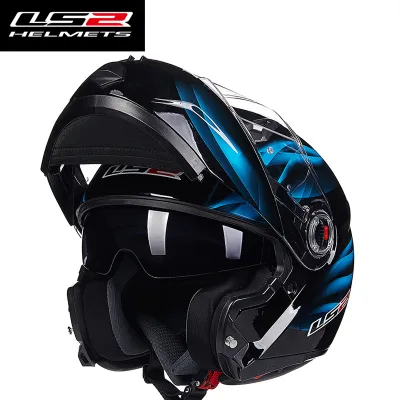
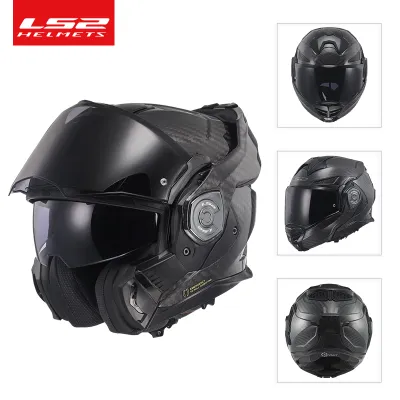
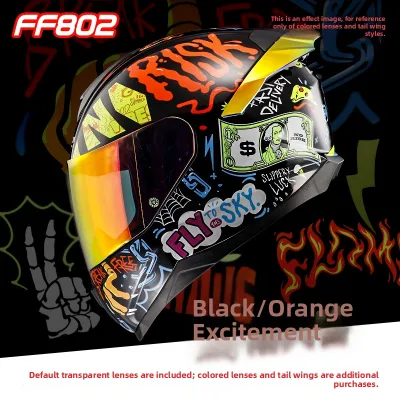
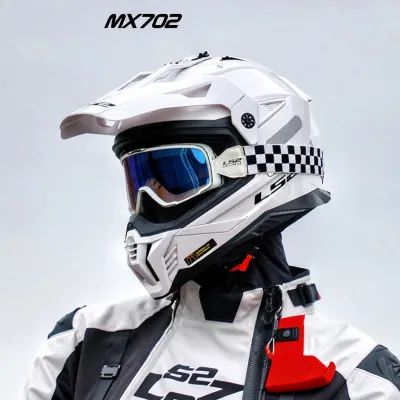
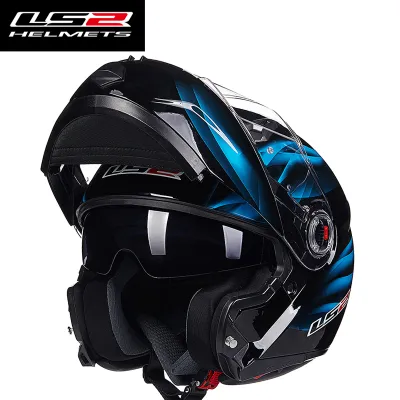
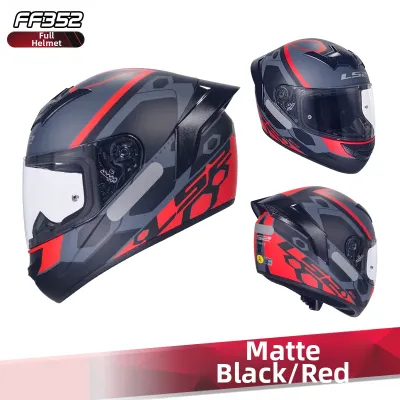
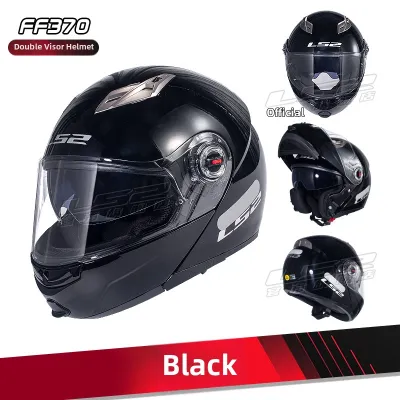
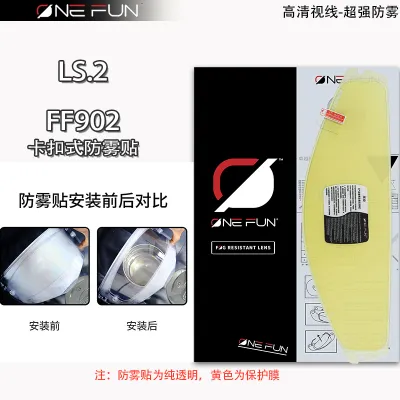
Prices are valid at publication and may change. Please refer to the product page for the latest price.
Investing in a higher budget tier fundamentally improves your riding experience by reducing physical strain. A lighter helmet minimizes neck fatigue during long commutes, while advanced aerodynamics reduce wind buffeting at highway speeds. Higher-tier helmets also feature superior multi-density EPS liners and ventilation systems that manage heat and wind noise more effectively.
Entry-Level Budget: Core Safety and Daily Commuting
For riders seeking a reliable daily commuter helmet without a significant financial outlay, entry-level LS2 full face helmets offer essential protection and practical features. The primary objective in this tier is to secure a helmet that meets modern safety standards while handling the wear and tear of daily urban riding. These helmets are designed for short to medium commutes where high-speed aerodynamics and extreme weight reduction are secondary to basic durability and ease of use.

When evaluating an entry-level helmet, the first step is to verify its safety credentials, ensuring it carries recognized international certifications such as ECE 22.05 or the newer, more stringent ECE 22.06 standard. These certifications guarantee that the thermoplastic shell and the internal expanded polystyrene liner can absorb and distribute impact forces effectively. Even at an accessible price point, a reputable brand like LS2 ensures that the core safety architecture is never compromised for cost.
Comfort and convenience features in this tier are straightforward but highly functional for daily use. Look for models equipped with a reliable, scratch-resistant outer visor and a simple, intuitive quick-release shield system that allows for easy cleaning. A removable and washable interior liner is another non-negotiable feature, especially in Singapore’s humid climate, as it allows you to maintain hygiene and prevent odor buildup over months of daily use.
Expect thermoplastic shells to be heavier, typically weighing between 1,500 and 1,650 grams, as they require more material thickness for safety. Basic ventilation and simpler neck rolls also mean higher wind noise at highway speeds, making these helmets best suited for lower-speed urban commutes rather than long-distance touring.
Mid-Range Budget: Upgraded Materials and Touring Comfort
Stepping up to the mid-range tier unlocks a noticeable improvement in material technology and overall riding comfort, making these helmets ideal for active commuters and touring enthusiasts. In this bracket, LS2 utilizes advanced materials like fiberglass composites or their proprietary Kinetic Polymer Alloy. These materials offer a superior strength-to-weight ratio compared to standard thermoplastics, resulting in a lighter helmet that reduces physical strain during extended riding sessions.
The reduction in weight is accompanied by a significant upgrade in aerodynamic design and noise management. Mid-range LS2 helmets are sculpted to slice through the air more cleanly, reducing lift and buffeting when riding at highway speeds. The ventilation systems in this tier are also more sophisticated, featuring multi-point intake vents on the chin and forehead paired with rear exhaust extractors that create a continuous venturi effect to pull heat and moisture away from your head.
Visor systems in this tier offer better optical clarity and adaptability. Many mid-range LS2 helmets feature a dual-visor system with a drop-down internal sun shield to combat intense glare. Additionally, the outer visors are typically Pinlock-ready, allowing you to install an anti-fog insert to maintain clear vision during sudden tropical downpours.
Premium Budget: Track-Inspired Tech and Lightweight Construction
For riders who demand track-level performance, maximum weight savings, and cutting-edge safety features, LS2’s premium full face helmets represent the pinnacle of their engineering. This tier is defined by the extensive use of carbon fiber or advanced multi-composite weaves, which are meticulously layered to create an incredibly rigid yet lightweight outer shell. These helmets are designed to perform under extreme conditions, offering professional-grade protection and stability at high speeds.
The most immediate benefit of a premium carbon fiber helmet is the dramatic reduction in weight, often bringing the helmet down to under 1,400 grams. This lightweight construction minimizes the kinetic energy generated by the helmet during an impact, while also virtually eliminating neck strain during long, demanding rides. To complement this high-strength shell, premium models feature advanced multi-density EPS liners designed to manage both high-velocity impacts and rotational forces.
Premium features are highly specialized, often including an Emergency Release System for safe cheek pad removal during emergencies. These helmets also feature rapid-drying moisture-wicking fabrics, integrated speaker cutouts for communication systems, and secure race-grade visor locks that prevent accidental opening at high speeds.
Mandatory Verification Checks Before Purchase
Regardless of which budget tier you choose, performing a series of physical checks before finalizing your purchase is critical to ensuring your safety and legal compliance. In Singapore, all motorcycle helmets used on public roads must comply with local safety regulations. This means you must physically verify that the helmet bears the official TUV SUD PSB safety label, which indicates it has passed local testing standards. Riding with a helmet that lacks this label can result in fines and compromises your legal standing in the event of an accident.
Beyond legal compliance, the physical fit of the helmet is the single most important factor in its ability to protect you. When trying on an LS2 helmet, it should feel snug all the way around your head, with even pressure distribution and no localized hot spots on your forehead or temples. The cheek pads should press firmly against your cheeks, pushing them up slightly, and when you shake your head from side to side, the helmet should move with your skin rather than sliding independently. Ensure there are no blind spots in your peripheral vision and that the chin bar sits at a safe distance from your face.
Finally, check the manufacturing date printed on the chin strap tag or under the comfort liner. Helmet materials, especially the internal EPS liner, degrade over time from environmental exposure even when sitting unused on a shelf. Avoid buying older stock, as its protective lifespan will be significantly reduced before you even begin riding.
Hidden Costs and Value Traps to Avoid
When budgeting for a new LS2 full face helmet, it is easy to overlook the additional expenses that can quickly inflate your total expenditure. For instance, if you opt for an entry-level or mid-range model, you may need to purchase a Pinlock anti-fog insert separately, which is an essential accessory for maintaining clear vision during Singapore’s frequent rainstorms. Similarly, if you prefer a tinted or mirrored visor for daytime riding, you must factor in the cost of an extra shield, while keeping in mind that local regulations require clear visors for night riding.
Another common trap is purchasing helmets from unauthorized online retailers or parallel importers. While these listings may offer tempting discounts, they often bypass local safety certification processes, meaning the helmet will arrive without the mandatory PSB safety label. Furthermore, buying from unauthorized sources voids any manufacturer warranty support, leaving you without recourse if a visor mechanism breaks or a ventilation tab fails prematurely. It is always safer and more cost-effective in the long run to purchase from authorized local dealers who can guarantee authenticity and provide proper after-sales support.
Lastly, a higher price tag does not guarantee safety if the helmet fits poorly. A premium carbon fiber helmet that is too loose is far less protective than a properly fitted entry-level model. Never compromise on fit for aesthetics or advanced features; the best helmet is always the one that fits your head shape perfectly.
Frequently Asked Questions (FAQ)
How often should I replace my LS2 full face helmet?
As a general industry standard, you should replace your LS2 full face helmet every five years from the date of first use, or seven years from its manufacturing date, whichever comes first. Over time, the protective EPS liner gradually hardens and loses its ability to absorb impacts, while exposure to sweat, hair oils, and UV rays degrades the internal materials. Additionally, you must replace your helmet immediately after any accident or significant impact, even if there is no visible damage to the outer shell, as the internal EPS liner is designed to compress once to absorb energy and cannot protect you a second time.
Can I install an aftermarket communication system in any LS2 helmet?
Most modern LS2 full face helmets are designed with dedicated speaker pockets recessed into the EPS liner, making the installation of aftermarket Bluetooth communication systems straightforward and safe. However, you should always consult the specific model’s user manual before attempting an installation to ensure you do not compromise the helmet’s safety structure. Never cut, drill, or compress the EPS liner to force speakers or wiring to fit, as modifying the impact-absorbing material can severely compromise the helmet’s protective capabilities and void its safety certifications.
Community discussion
Share your experience or ask a question. Comments are reviewed before publication.