
Choosing the right lorry window screen requires matching the screen’s physical dimensions, mounting mechanism, and material properties to your specific vehicle category—whether you operate a pickup truck, a light goods vehicle, or a heavy commercial cab-over lorry. Because commercial vehicles feature highly varied cabin configurations, vertical windshields, and specialized onboard electronics, a standard passenger car shade rarely suffices. Selecting the correct screen involves verifying exact glass measurements, checking for cabin sensor obstructions, and ensuring strict compliance with local visibility regulations to maintain safety on the road.
Investing in a well-fitted window screen is essential for commercial drivers who spend long hours on the road or parked at outdoor loading bays. A high-quality screen not only lowers the cabin’s interior temperature but also protects sensitive dashboard electronics and upholstery from UV degradation. By understanding the unique structural demands of your lorry, you can select a durable, effective solution that enhances daily driving comfort and preserves your vehicle’s interior value.
Understand Your Vehicle's Window Dimensions and Mounting Points
Commercial vehicle windshields and side windows differ significantly from those of standard passenger cars in both surface area and angle of inclination. To ensure full coverage and effective heat rejection, you must obtain precise measurements of your lorry’s glass surfaces before purchasing any screen. Using a steel measuring tape, measure the maximum width of the front windshield at its uppermost edge, its lowermost edge, and the absolute vertical height from the base of the glass to the top trim. For side windows, measure the longest horizontal width and the vertical height, taking careful note of any sloping angles near the side mirrors.
Products mentioned in this guide
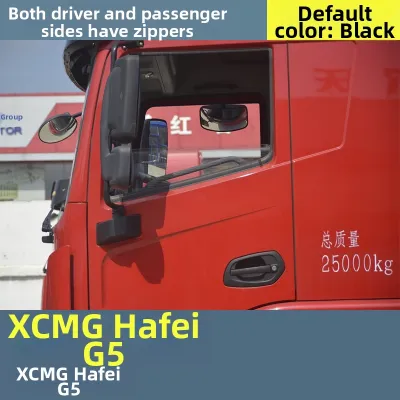
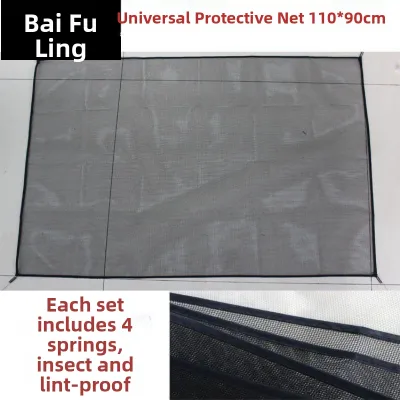

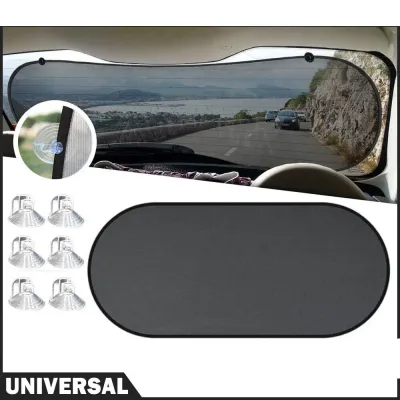
Prices are valid at publication and may change. Please refer to the product page for the latest price.
Once you have these dimensions, evaluate the mounting options that best suit your daily operations. Suction cups are a common and affordable choice, but they require a perfectly clean glass surface to maintain adhesion and can degrade over time when exposed to intense, direct sunlight. Static cling screens offer a clean, adhesive-free look for side windows, though they are best suited for glass panels that do not roll down frequently. Custom-fit frames, which utilize magnetic mounts or tension-fit designs to sit snugly within the window channel, provide the most secure fitment but must be matched precisely to your vehicle’s make and model. Alternatively, visor clips or elastic bands utilize the lorry’s existing sun visors to hold the screen in place, offering a quick and hardware-free setup.
Physical obstructions on and around the glass must also be factored into your measurements. Modern commercial vehicles are frequently equipped with rain sensors, forward-facing safety cameras, automatic headlight sensors, and electronic toll collection units, such as the On-Board Unit (OBU) or In-Vehicle Unit (IU) commonly installed in Singapore. The window screen must feature precise cutouts or possess enough flexibility to fit around these components without putting pressure on their mountings or blocking their operational field of view. Carefully inspect the area around your rearview mirror and the base of the A-pillars to identify any such obstructions before finalizing your screen selection.
Match Screen Types to Your Lorry Category
Different categories of commercial vehicles demand distinct window screen designs to accommodate their specific cabin layouts and operational patterns. Matching the screen type to your lorry’s category ensures that the accessory remains practical during daily cargo handling and transit.

Pickup Trucks
Pickup trucks often feature cabin dimensions and windshield angles similar to large sports utility vehicles or passenger cars. However, because these vehicles are frequently used for both personal transport and light commercial tasks, they require highly versatile sun protection. Retractable roller shades that mount permanently to the side of the windshield frame or custom-fit magnetic side screens are highly recommended. These designs allow for rapid deployment and retraction, ensuring quick cabin access and accommodating varying passenger loads without requiring bulky storage solutions when the screens are not in use.
Goods Vehicles and Box Trucks
Light goods vehicles, panel vans, and box trucks often spend prolonged periods parked at outdoor loading bays or roadside delivery zones under direct sunlight. For these vehicles, heavy-duty, multi-layered folding windshield screens are the most effective choice. These screens typically feature a thick, accordion-style folding design that provides superior thermal insulation compared to thin, roll-up alternatives. A full-coverage front screen prevents the steering wheel, gear shifter, and dashboard from reaching extreme temperatures, allowing the driver to resume operations immediately after loading without waiting for the cabin air conditioning to cool down hot touchpoints.
Commercial Lorries and Prime Movers
Heavy commercial lorries and prime movers featuring cab-over-engine (COE) designs present the greatest challenge for sun protection. These vehicles have massive, nearly vertical windshields that are highly exposed to solar radiation. Standard passenger car shades will simply sag, slip, or fail to cover the expansive glass area. For these heavy-duty applications, you must select specialized extra-large screens constructed with reinforced spring-wire frames or custom-fabricated materials designed specifically for commercial cabs. These screens must be lightweight enough to handle easily but rigid enough to span the wide distance across the windshield without collapsing in the center.
Evaluate Material, Visibility, and Safety Features
The material composition of a lorry window screen directly dictates its heat rejection capabilities, durability, and suitability for use while the vehicle is in motion. Understanding the differences between common materials helps you balance cabin comfort with operational safety.
Reflective foil screens, often featuring a double-sided aluminum layer with a bubble-wrap or foam core, offer the highest level of thermal protection. They work by reflecting infrared radiation away from the vehicle rather than absorbing it. However, because of their completely opaque nature, reflective foil screens must only be used when the lorry is stationary and parked. Mesh screens, typically woven from high-density polyester or nylon, are designed to reduce glare and block ultraviolet (UV) rays while still allowing a degree of visibility. These are ideal for side windows, as they help keep the driver cool during transit without completely blocking the view of side mirrors and blind spots.
When selecting any window screen or temporary shade, driving safety must remain your primary priority. The screen must never obstruct the driver’s direct line of sight to the road, the dashboard instrument cluster, or the side-view mirrors. If you are installing semi-permanent mesh screens on the front side windows, verify that they do not distort your view of traffic, especially during low-light conditions, heavy rain, or nighttime driving.
Furthermore, you must ensure compliance with local traffic regulations regarding window obstructions and tinting limits. In Singapore, the Land Transport Authority (LTA) enforces strict guidelines regarding the light transmittance of vehicle glass. Any window film, screen, or shade utilized while the vehicle is in motion must meet minimum Light Transmittance requirements—typically at least 70% light transmission for the front windshield and front side windows, and at least 50% for the rear side windows. Reflective materials that cause glare to other road users are strictly prohibited on moving vehicles. Always remove fully opaque reflective screens before driving, and ensure that any mesh screens used during transit comply fully with these visibility standards.
Build Your Shortlist: Pre-Purchase Verification Checklist
Before purchasing a lorry window screen from an online marketplace or an automotive accessories shop, use this structured checklist to verify compatibility and quality. Taking these steps prevents the common frustration of receiving a screen that does not fit your commercial cabin.
- Verify Exact Vehicle Compatibility: Do not rely solely on generic product descriptions such as "universal fit" or "large truck shade." Cross-reference the manufacturer's official compatibility database with your lorry's exact make, model, chassis code, and production year (for example, an Isuzu Elf, Mitsubishi Fuso Canter, or Toyota Dyna).
- Check Return and Exchange Policies: Because commercial vehicle cabins can have subtle design variations based on the specific body builder or model year, always review the seller's return policy. Ensure you can return or exchange the screen if it fails to clear your dashboard accessories, OBU mounting, or rearview mirror assembly.
- Inspect User Feedback and Reviews: Search for reviews written specifically by commercial drivers or fleet operators. Pay close attention to comments regarding the durability of the screen's frame, the longevity of the suction cups under intense tropical heat, and whether other buyers experienced sagging or fitment issues on similar lorry models.
- Assess Storage and Portability: Verify the folded dimensions of the screen. In a commercial lorry cabin, storage space can be limited. Ensure the screen can be folded down compactly and stored securely behind the seats or in a door pocket without interfering with passenger legroom or vehicle controls.
Installation and Maintenance Best Practices
Proper installation and regular maintenance are key to maximizing the lifespan of your lorry window screen and protecting your vehicle’s interior surfaces from accidental damage.
When installing your window screen, always begin by thoroughly cleaning the interior glass surface. Dust, grease, and moisture can prevent suction cups and static cling materials from adhering properly, causing the screen to fall repeatedly. If your screen utilizes a tension-fit frame, gently guide it into the window channel without forcing it; applying excessive pressure can tear the rubber window seals or scratch the surrounding plastic trim. Ensure that the screen does not press tightly against delicate dashboard sensors, the OBU, or the wiring harnesses of aftermarket dash cameras, as constant pressure and heat buildup can damage these components.
To clean your window screen, refer to the manufacturer’s specific care instructions. For reflective foil and foam screens, a simple wipe-down with a damp microfiber cloth is usually sufficient. Avoid using harsh chemical solvents, glass cleaners, or abrasive scrubbing pads, as these can strip away the reflective metallic coating and degrade the material. For mesh screens, gently hand wash them in warm, soapy water using a mild detergent, then allow them to air dry completely before reinstalling them. Never machine wash or tumble dry wire-framed screens, as this will warp the internal spring steel frame.
Proper storage is equally important for maintaining the structural integrity of the screen. Always fold the screen along its pre-existing creases or use the recommended twisting motion to collapse spring-wire frames into their compact circular shape. Avoid stuffing the screen carelessly into tight spaces or placing heavy cargo on top of it, as this can permanently bend the internal frame, tear the fabric, or crease the reflective foil, greatly reducing its effectiveness and aesthetic appeal.
Frequently Asked Questions (FAQ)
Can I use a standard passenger car sun shade for my lorry?
Using a standard passenger car sun shade in a commercial lorry is highly discouraged due to significant differences in glass dimensions and angles. Passenger car shades are designed for smaller, highly sloped windshields. When placed against the massive, nearly vertical windshield of a lorry, a passenger car shade will leave substantial gaps at the top and sides, allowing solar heat and UV rays to penetrate the cabin freely. Furthermore, because passenger car shades lack the necessary height and structural rigidity required for commercial cabs, they are highly prone to slipping, sagging, or falling down entirely, as they cannot be held securely by the lorry’s larger sun visors.
Do lorry window screens affect the performance of windshield sensors?
Yes, lorry window screens can interfere with windshield-mounted sensors if they are not selected and positioned correctly. Modern commercial vehicles are increasingly equipped with Advanced Driver Assistance Systems (ADAS), rain sensors, automatic headlight sensors, and electronic toll collection units (such as Singapore’s OBU) mounted directly behind or near the rearview mirror. If a stationary reflective screen covers these sensors, it will not affect driving safety since the screen is removed before transit; however, it can cause heat buildup around the sensor housing. If you are using semi-permanent side screens or transit-safe mesh shades, you must ensure they do not block the field of view of any active safety cameras or sensors. Always choose screens with dedicated cutouts designed to clear these sensor housings safely.
Community discussion
Share your experience or ask a question. Comments are reviewed before publication.