
Maintaining a vehicle’s aesthetic appeal and structural integrity requires navigating a vast array of specialized detailing products, where a single incorrect chemical choice can lead to costly surface damage. To choose the right Liqui Moly cleaner for your car, you must match the specific chemical properties of the product—such as its pH level, solvent base, or abrasive content—to the precise material composition and contamination level of the target surface. Whether you are dealing with delicate clear coats, aftermarket window tints, sensitive alloy wheels, or treated leather upholstery, understanding how these formulations interact with different substrates is the key to achieving a professional, damage-free finish.
How do you match a Liqui Moly cleaner to your car's exterior paint?
Matching a Liqui Moly cleaner to your car’s exterior paint requires identifying the level of surface contamination and determining whether the paint has an existing layer of wax, sealant, or ceramic coating that must be preserved. Exterior automotive paint is subjected to a wide range of environmental contaminants, from loose dust and road grime to bonded organic matter like tree sap, bird droppings, and industrial fallout. Using a single, aggressive cleaner for every wash cycle will prematurely degrade your paint’s protective layers, leaving the clear coat vulnerable to UV damage and oxidation.
Routine Maintenance Shampoos vs. Heavy-Duty Solvents
For regular maintenance washes, a pH-neutral car wash shampoo is the correct choice. These formulations rely on highly concentrated surfactants to encapsulate and lift loose dirt away from the paint surface, allowing it to be rinsed away safely without stripping existing wax or paint sealants.
Products mentioned in this guide
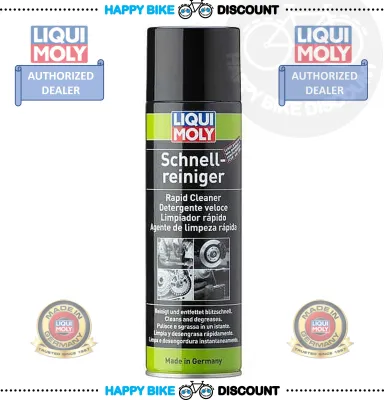
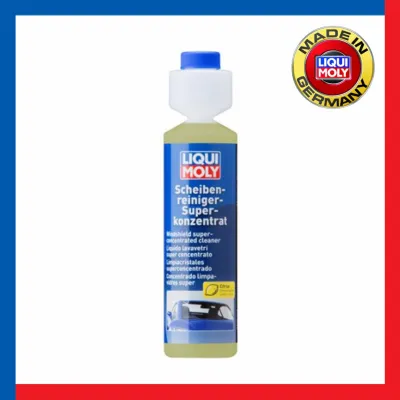
24 Lazada user ratings
Should be an Effective window cleaner, need to be diluted first as it is super concentrated. 1st time trying it, will give updates when i ha…Read full reviewShow less
Should be an Effective window cleaner, need to be diluted first as it is super concentrated. 1st time trying it, will give updates when i have used it.
It is a nice window cleaner for car which I have already used it about 10 years. Excellent service even delivered me a wrong item.
Fast delivery. Well packed by seller. Tested and good product.
Fast shipping . Item received in good condition
Fast delivery. Cheaper then sonex.
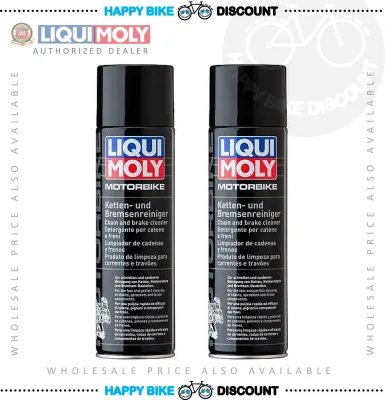
46 Lazada user ratings
items received in good condition...thanks seller. delivery was super fast.... items as described and happy with my purchase...
received well wrapped. have bot tried on my bicycle chain. expires end 2025
Not bad, managed to clean off rust quite easily with a towel and a brush
delivery was fast. packed safely in bubble wrap. Yet to use.
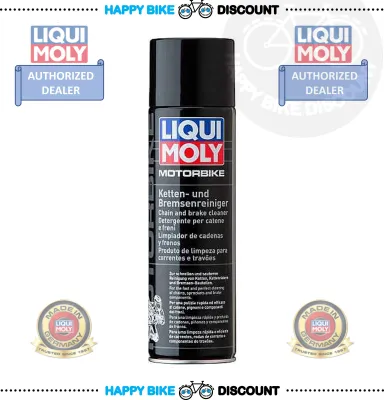
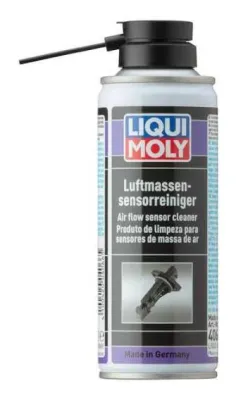
46 Lazada user ratings
I'm really impressed with this air flow sensor cleaner! ✨ It's perfect for both gasoline and diesel engines, making it super versatile. My c…Read full reviewShow less
I'm really impressed with this air flow sensor cleaner! ✨ It's perfect for both gasoline and diesel engines, making it super versatile. My car's performance has noticeably improved since I started using it. Definitely helps maintain accurate sensor readings. Highly recommend! 💯🚗💨
🔧Durability:Looks like a gd set 👌Ease of Use:so far so gd. yet to.try but looks promising 🔒Safety:safe tools. very good
Safely wrap and bubble wrap in the box. Just connect the tube and spray, let it dry out and it is done.
Prices are valid at publication and may change. Please refer to the product page for the latest price.
When dealing with stubborn, bonded contaminants like road tar, asphalt, or dried bug splatter, standard shampoos are often insufficient. In these scenarios, you must transition to a specialized solvent-based cleaner, such as a dedicated tar or bug remover. These products are formulated to dissolve organic proteins and petroleum-based bonds on contact. However, because these solvents are highly effective at breaking down organic compounds, they will also strip away any wax or polymer sealants in the treated area, requiring you to reapply paint protection afterward.
Preserving Existing Paint Protection
Before selecting a paint cleaner, always check the product label to verify its compatibility with your existing paint protection. If your vehicle is protected by a traditional carnauba wax or a synthetic polymer sealant, look for cleaners explicitly labeled as wax-safe.
For vehicles equipped with professional ceramic coatings, avoid shampoos that contain added gloss enhancers, waxes, or silicones. These additives can leave a film over the ceramic coating, temporarily masking its hydrophobic properties and altering its self-cleaning behavior. Instead, opt for pure, residue-free, pH-neutral shampoos that clean the surface without leaving anything behind.
Pre-Wash Snow Foams vs. Contact Washing
To minimize the risk of introducing swirl marks and fine scratches during the wash process, integrate a pre-wash snow foam into your routine. Snow foams are designed to be applied via a foam cannon, creating a thick, clinging lather that dwells on vertical surfaces. This dwell time allows the surfactants to soften and loosen abrasive road grit before you touch the paint with a wash mitt.
Once the snow foam has been rinsed away, proceed with a standard contact wash using the two-bucket method. This sequence ensures that the majority of abrasive particles are removed during the pre-wash phase, protecting your clear coat from scratch-inducing friction during the contact wash.
What is the right Liqui Moly cleaner for automotive glass and mirrors?
The right Liqui Moly cleaner for automotive glass and mirrors is an ammonia-free formula designed to dissolve oily traffic film and vinyl outgassing residues without leaving streaks or degrading aftermarket window films. Automotive glass presents unique cleaning challenges because it is exposed to completely different types of contamination on the inside versus the outside of the cabin.

Protecting Aftermarket Tints and Rubber Seals
When cleaning automotive glass, the chemical composition of the cleaner is critical for preserving surrounding materials. Many household glass cleaners contain ammonia, which is highly destructive to automotive surfaces. Ammonia chemically attacks the adhesives and polyester layers used in aftermarket window tint films, causing them to bubble, peel, and turn purple over time.
Furthermore, ammonia can dry out and degrade the ethylene propylene diene monomer (EPDM) rubber weatherstripping and seals surrounding your windows. Choosing an ammonia-free automotive glass cleaner ensures that both your interior tints and exterior rubber seals remain structurally sound and visually pristine.
Managing Interior Film vs. Exterior Road Grime
Interior glass surfaces are primarily contaminated by dust, fingerprints, and a stubborn, hazy film caused by plasticizer outgassing from the dashboard’s plastic and vinyl trim. This interior haze requires a fast-evaporating, surfactant-rich cleaner that cuts through grease without leaving a residue that could cause dangerous night-time glare.
Exterior glass, on the other hand, is subjected to road oils, diesel exhaust soot, tree sap, and mineral deposits from hard water. Restoring optical clarity to exterior glass often requires a dual-action approach: first, use a dedicated glass cleaner to remove surface oils, and second, apply a mild glass polish if deep-seated water spots or wiper-blade arc marks persist.
Compatibility with Hydrophobic Coatings
If you have applied a rain-repellent or hydrophobic coating to your windshield, you must select a glass cleaner that does not strip or degrade this protective layer. Strong, alcohol-heavy cleaners or those containing abrasive polishing agents can prematurely wear down these coatings. Always verify that your chosen glass cleaner is formulated to be safe for coated glass, preserving the water-beading performance that improves wet-weather visibility.
Which Liqui Moly products should you use for wheels, brakes, and tyres?
You should select Liqui Moly wheel cleaners based on the specific finish of your rims, prioritizing acid-free, pH-neutral formulas with color-changing indicators for sensitive alloys, and using dedicated rubber cleaners for tyres to prevent premature dry rotting. Wheels and tyres operate in the harshest environment of any vehicle component, facing extreme heat, road salt, and highly abrasive metallic brake dust.
Selecting pH-Neutral and Acid-Free Wheel Cleaners
Wheel finishes vary significantly, ranging from standard painted and clear-coated steel to highly sensitive polished aluminum, anodized finishes, and chrome. Acidic wheel cleaners are highly effective at dissolving baked-on brake dust, but they can quickly etch, stain, or permanently ruin polished aluminum or damaged clear coats.
For maximum safety across all wheel types, select an acid-free, pH-neutral wheel cleaner. These formulations rely on advanced chelating agents to bind with iron particles and road grime, lifting them from the surface without chemically attacking the underlying metal or paint.
Utilizing Color-Changing Active Indicators
Many modern pH-neutral wheel cleaners feature an active color-changing indicator. As the cleaner dwells on the wheel, it reacts chemically with the iron particles embedded in the brake dust, turning from clear or light yellow to a deep purple or red.
This color change serves as a visual cue that the cleaner is actively breaking down the metallic contamination. Once the color change is complete—typically within three to five minutes—you can agitate the surface with a soft wheel brush and rinse it thoroughly, minimizing the need for aggressive scrubbing.
Tyre Cleaning vs. Wheel Detailing
Tyres require a different chemical approach than wheels. Rubber is highly porous and subject to “blooming,” a natural process where antiozonants migrate to the surface of the tyre, reacting with oxygen and turning the rubber a dull, brown color.
Standard wheel cleaners are generally ineffective at removing this brown oxidation. Instead, use a dedicated tyre cleaner or a highly concentrated multi-purpose exterior cleaner formulated to penetrate rubber pores, lift brown oxidation, and strip away old silicone-based tyre dressings. This prepares the rubber surface to accept a fresh, protective tyre dressing that guards against UV cracking.
Critical Safety Boundaries for Brakes and Rotors
When cleaning wheels, you must observe strict safety boundaries regarding your vehicle’s braking system. Never apply wheel cleaners to wheels or brakes that are hot to the touch after driving. Spraying cold liquids onto hot brake rotors can cause thermal shock, leading to warped rotors, hairline cracks, or uneven brake pad wear.
Additionally, avoid spraying aggressive chemical cleaners directly into open brake caliper assemblies, as these chemicals can degrade the delicate rubber dust boots and piston seals, potentially leading to brake fluid leaks or caliper binding. Always refer to your vehicle manufacturer’s guidelines regarding brake maintenance and chemical exposure.
How do you select interior cleaners for different cabin materials?
Selecting the right interior Liqui Moly cleaner requires categorizing your cabin into distinct material groups—leather, fabric, hard plastics, and digital screens—and applying formulas tailored to their specific chemical tolerances. Modern vehicle interiors are complex environments combining natural hides, synthetic textiles, sensitive electronics, and various polymers, each requiring a dedicated maintenance strategy.
Leather Care: Cleaning and Conditioning
Automotive leather is almost always coated with a thin, protective polyurethane topcoat to shield it from wear and UV exposure. Using harsh, high-pH all-purpose cleaners will strip this protective topcoat, leading to premature drying, fading, and cracking of the leather underneath.
To maintain leather safely, use a dedicated, pH-balanced leather cleaner that gently lifts body oils, sweat, and dirt without drying out the hide. After cleaning, apply a specialized leather conditioner containing UV blockers. This replenishes the leather’s flexibility and preserves the matte, non-greasy finish characteristic of high-quality OEM leather.
Fabric Upholstery and Carpet Extraction
Fabric seats, carpets, and delicate headliners require cleaners that can penetrate deep into textile fibers to lift stains without oversaturating the underlying foam padding. Excess moisture in vehicle seats can lead to mold, mildew, and unpleasant odors that are incredibly difficult to eradicate.
For these surfaces, select an active upholstery foam cleaner. The foaming action suspends dirt particles, allowing them to be vacuumed or wiped away with a microfiber cloth while minimizing liquid penetration. For deep-seated stains, a dedicated carpet cleaner can be paired with a soft-bristled upholstery brush to agitate the fibers safely.
Cockpit Plastics and Sensitive Digital Screens
Dashboard plastics, door panels, and center consoles require a cleaner that removes dust and fingerprints while leaving behind an anti-static barrier to repel future dust accumulation. Avoid products that contain heavy silicones, which leave a greasy, high-gloss finish. High-gloss dashboards reflect sunlight directly onto the windshield, creating dangerous glare that impairs forward visibility.
For digital infotainment screens, instrument clusters, and glossy piano black trim, standard interior cleaners are too aggressive. These surfaces are highly susceptible to scratching and chemical etching. Use a specialized screen cleaner that is free from alcohol and ammonia, and always spray the product onto a clean, high-gsm microfiber cloth rather than directly onto the screen to prevent liquid from seeping into the sensitive electronic bezels.
What safety and preparation steps are required before applying any car cleaner?
Before applying any car cleaner, you must ensure the vehicle’s surfaces are cool to the touch, work in a shaded area out of direct sunlight, and perform a spot test on an inconspicuous area. Proper preparation is the single most effective way to prevent accidental chemical damage, staining, or surface etching during the detailing process.
Dilution Ratios and Dwell Time Limits
Many professional-grade car cleaners are sold as concentrates and must be diluted with water before use. Always read the manufacturer’s label carefully to determine the correct dilution ratio for your specific application. Using a mixture that is too concentrated can damage delicate surfaces, while a mixture that is too weak will deliver poor cleaning performance.
Additionally, pay close attention to the recommended dwell time. Cleaners need time to react with dirt, but leaving them on the surface for too long can cause them to dry. When a cleaner dries on a vehicle, the water evaporates, leaving behind highly concentrated chemical residues that can permanently etch clear coats, glass, or plastic trim.
Performing an Inconspicuous Spot Test
Whenever you are using a new cleaning product, or working on an unfamiliar, aged, or custom-painted vehicle, always perform a spot test. Select a small, hidden area of the material—such as the inside of a door jamb, the underside of a seat, or the lower edge of a bumper.
Apply a small amount of the cleaner according to the instructions, let it dwell, rinse or wipe it away, and inspect the area under good lighting. Check for any signs of color transfer, fading, swelling, or loss of gloss. If the surface remains unchanged, you can proceed with confidence across the rest of the vehicle.
Managing Surface Temperatures and Sunlight
Never wash or detail a car in direct sunlight or when the body panels are hot. Solar radiation quickly heats up metal panels and glass, causing water and cleaning chemicals to evaporate almost instantly upon contact.
This rapid evaporation leaves behind unsightly water spots, mineral deposits, and chemical streaks that are incredibly difficult to remove. Always work in a garage, under a carport, or in the shade during the cooler hours of the morning or late afternoon to ensure that your cleaning products have adequate time to work safely and effectively.
Community discussion
Share your experience or ask a question. Comments are reviewed before publication.