
Finding the right full-surround rubber car mat in Singapore requires prioritizing precise vehicle compatibility over generic brand names. Because Singapore vehicles are right-hand drive (RHD), importing generic mats designed for left-hand drive (LHD) markets poses severe safety risks, particularly regarding pedal interference. To secure the best fit and protection, you must verify that the mat is custom-molded specifically for your car’s exact make, model, production year, and RHD configuration. Evaluating material specifications, such as Thermoplastic Elastomer (TPE) or high-grade vulcanized rubber, ensures the mat can withstand local high-humidity conditions without warping, emitting toxic odors, or slipping underfoot.
Understanding Full-Surround Designs and Rubber Materials
Selecting the right floor protection begins with understanding the structural differences between standard mats and true full-surround designs. Standard flat all-weather mats only cover the flat horizontal areas of the footwell, leaving the vertical carpeted walls exposed to dirt, moisture, and friction. In contrast, 3D or 5D molded trays feature raised edges that contain spills within a shallow basin. True full-surround designs go a step further, extending high up the sides of the footwell, over the transmission tunnel, and up to the plastic trim panels to provide comprehensive coverage against muddy shoes, spilled drinks, and trapped debris.
The material composition of these mats directly dictates their durability, safety, and performance in Singapore’s tropical climate. Traditional heavy vulcanized rubber is highly durable and naturally slip-resistant, but it can be heavy and sometimes retains a strong chemical odor when exposed to cabin heat. Thermoplastic Elastomer (TPE) has become a preferred modern alternative because it combines the physical properties of rubber with the processing advantages of plastics. High-quality TPE mats are lightweight, highly flexible, and exceptionally resilient to temperature fluctuations, meaning they will not warp or crack under intense sunlight. When evaluating materials, look for verifiable quality markers on the product label, such as certified odorless ratings, non-slip backing textures, and temperature resistance specifications. Avoid low-grade PVC blends that may release volatile organic compounds (VOCs) inside a hot, closed vehicle.
Products mentioned in this guide

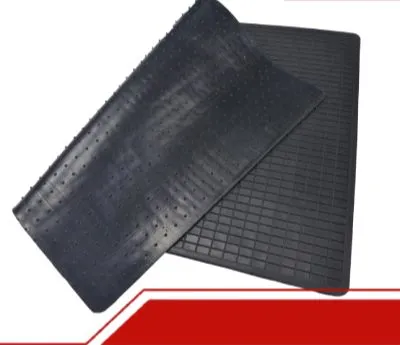
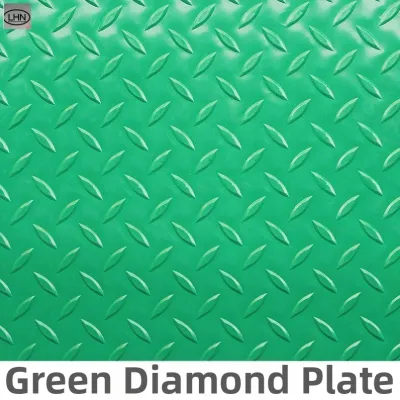
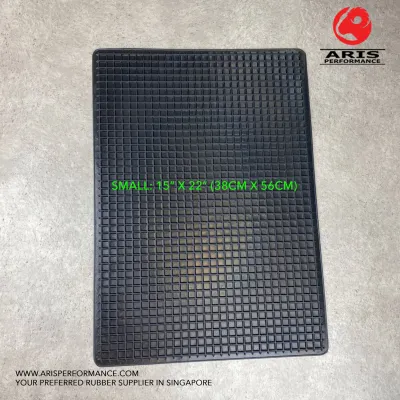

Prices are valid at publication and may change. Please refer to the product page for the latest price.
Verifying Exact Fitment and Pedal Clearance
The most critical factor when choosing a full-surround rubber mat is ensuring an exact fit that does not compromise vehicle safety. Because floor pan dimensions, seat rail paths, and pedal configurations vary significantly between different car models—and even between different model years or trim levels of the same car—generic sizing is highly dangerous. You must locate your vehicle’s exact manufacturer data, including the make, model, production year, and specific trim package, to match against the mat manufacturer’s mold specifications.

Before purchasing or installing any aftermarket mat, you must verify the safety boundaries around the driver-side footwell. The mat must never impede the full travel of the accelerator, brake, or clutch pedals. A mat that is slightly too large or poorly aligned can trap a depressed pedal, leading to sudden acceleration or a loss of braking capability. Check the original vehicle documentation to understand the layout of your footwell and ensure the mat’s contours align perfectly with the floor pan without bunching or shifting.
Furthermore, you must verify compatibility with your vehicle’s factory floor retention system. Most modern cars feature built-in floor anchors, such as twist-lock mechanisms, retention posts, or plastic clips, designed to keep the driver-side mat firmly in place. The replacement rubber mat must feature matching integrated retention eyelets that lock securely onto these factory posts. Never rely solely on friction or generic hook-and-loop fasteners to secure the driver-side mat, as these can degrade over time, allowing the mat to slide forward during sudden braking.
Evaluating Coverage and Interior Protection
To maximize the lifespan of your vehicle’s carpet, you must assess how well a mat’s physical design handles daily wear and environmental challenges. In Singapore, frequent heavy downpours mean passengers often bring wet umbrellas and muddy shoes into the cabin. A high-quality full-surround mat should feature a raised lip or edge containment barrier of sufficient height to trap water, sand, and mud, preventing liquids from spilling over onto the underlying carpet. The texture of the mat’s surface should also feature deep channels or grooves that divert water away from your feet, keeping your heels dry and preventing your shoes from slipping while driving.
Rear-seat coverage requires equal consideration, especially if you frequently transport passengers or fold the seats for cargo space. Some manufacturers offer a single-piece rear mat that covers the entire second-row floor, including the central transmission tunnel. While this provides seamless protection, it can be cumbersome to remove for cleaning without spilling trapped dirt. Alternatively, a split multi-piece design offers easier removal but introduces seams where dirt can potentially slip through.
You must also check for potential interference with your vehicle’s built-in interior features. High-edge full-surround mats can sometimes block under-seat air conditioning vents, restrict the movement of power-adjustable seats, or interfere with floor-mounted subwoofers and storage compartments. Before finalizing your choice, inspect the layout under your seats and compare it with the mat’s design to ensure all vents and mechanical components remain fully functional and unobstructed.
Sourcing and Checking Fitment Guarantees in Singapore
Navigating the purchasing process in Singapore requires careful selection of retail channels to mitigate the risk of buying ill-fitting products. While ordering custom-fit mats from overseas e-commerce platforms might seem cost-effective, it carries significant logistical risks. If the imported mats arrive with incorrect dimensions, warped edges, or LHD configurations, returning them to an overseas seller can incur high shipping fees and lengthy delays, often leaving you with unusable products.
In contrast, sourcing your mats from specialized local automotive accessory shops or authorized local distributors offers substantial advantages. Many reputable local sellers provide a “guaranteed fit” policy, allowing you to test the mats in your vehicle before finalizing the purchase. Some local shops even include professional installation as part of the service, ensuring that the mats are correctly aligned and securely anchored to the factory retention points.
When purchasing locally, always ask the seller about their return and exchange policies regarding fitment discrepancies. A reliable dealer should offer a straightforward exchange or refund if the mat interferes with your pedals, blocks seat rails, or fails to align with your floor anchors. Verifying these guarantees beforehand protects your investment and ensures you receive a product that is both safe and highly protective.
Safe Installation and Routine Maintenance
Proper installation and regular maintenance are essential to keep your full-surround rubber mats functioning safely and looking clean. When installing a new driver-side mat, always remove the existing factory carpet mats first. Stacking multiple mats on top of each other is a major safety hazard, as it reduces pedal clearance and prevents the retention clips from locking securely. Ensure the mat lies completely flat against the floor pan and that the factory anchor clips are fully engaged and locked.
To maintain the integrity of the rubber or TPE compound, follow the manufacturer’s specific cleaning instructions. Avoid using harsh household detergents, bleach, or silicone-based dressings, as these chemicals can degrade the material, cause it to crack, or leave a slippery residue that compromises driving safety. Instead, use a mild, pH-neutral automotive soap and a soft-bristled brush to scrub away trapped dirt from the grooves. Rinse the mats thoroughly with clean water and allow them to dry completely in a shaded, well-ventilated area before reinstalling them; placing damp mats back into the car can trap moisture, leading to mold and unpleasant odors in the cabin.
Finally, establish a routine to inspect your mats regularly, especially after your vehicle has been detailed or washed by a third party. Car wash attendants often remove mats to vacuum the carpet and may not reinstall them correctly or lock the retention clips. Visually check that the driver-side mat is securely anchored, that the edges are not curling or warping near the pedals, and that no debris has accumulated underneath the mat where it could cause wear on the original carpet.
Frequently Asked Questions (FAQ)
Are universal-fit rubber mats a safe alternative to custom-molded ones?
Universal-fit rubber mats are generally not a safe alternative to custom-molded options. Because they are designed to fit a wide range of vehicles, they often require manual trimming, which can leave raw, sharp edges and fail to provide adequate coverage. More importantly, universal mats rarely align with your vehicle’s factory floor anchors and can easily slide forward, potentially trapping the accelerator or brake pedal and causing a serious driving hazard.
How can I prevent or eliminate rubber odors in the cabin?
To prevent unpleasant chemical odors, choose high-quality mats made from medical-grade TPE or certified odorless rubber compounds. If you notice a slight smell from a new mat, wash it with a mild, pH-neutral soap and let it air out completely in a shaded, well-ventilated outdoor area for a few days before installing it. Avoid leaving the vehicle parked in direct sunlight with the windows fully closed during the first week of use, as high cabin temperatures can accelerate material off-gassing.
What is the safest way to clean deep grooves in heavy-duty mats?
The safest way to clean deep grooves is to remove the mats from the vehicle and shake off loose debris. Spray the surface with a mild, label-authorized automotive floor mat cleaner or a simple mixture of water and pH-neutral soap. Use a medium-stiff utility brush to scrub along the channels to dislodge trapped mud and grime. Rinse the mats thoroughly with a low-pressure hose, shake off excess water, and let them dry completely in the shade before locking them back onto your vehicle’s floor anchors.

Community discussion
Share your experience or ask a question. Comments are reviewed before publication.