
Choosing the right fuel container capacity for your motorcycle is a balancing act between extending your riding range and maintaining vehicle safety. While it might be tempting to carry the largest container available to maximize your distance between petrol stations, doing so can compromise your motorcycle’s handling, storage space, and overall safety. The ideal capacity depends on your bike’s fuel efficiency, your typical riding routes, and how you plan to secure the extra weight on your motorcycle. For most riders, a capacity ranging from 1 to 5 litres provides the perfect compromise, offering a reliable safety buffer without overloading the chassis.
Assessing Your Motorcycle's Fuel Consumption and Range
To determine the exact fuel container capacity you need, start by calculating your motorcycle’s baseline fuel consumption and real-world range. Begin by checking your owner’s manual for the official fuel tank capacity and average fuel consumption rate. However, keep in mind that factory specifications are often recorded under ideal test conditions. Real-world factors such as carrying heavy luggage, riding with a pillion, facing strong headwinds, or navigating stop-and-go urban traffic can significantly reduce your fuel efficiency.
Next, evaluate your typical riding routes to identify the longest distance between reliable refueling points. If you primarily commute within well-developed urban areas, petrol stations are usually abundant, meaning you only need a minimal emergency reserve. Conversely, if you plan to embark on long-distance touring across remote regions or cross-border journeys, the distance between petrol stations can stretch far beyond your motorcycle’s standard tank range.
Products mentioned in this guide
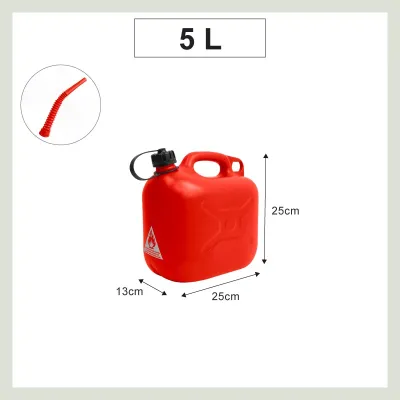
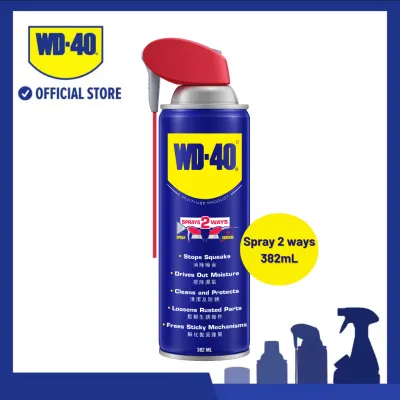
Prices are valid at publication and may change. Please refer to the product page for the latest price.
Once you have these figures, you can calculate your required safety margin. For example, if your motorcycle averages 20 kilometres per litre and the longest gap between petrol stations on your route is 300 kilometres, but your bike’s tank only provides a 250-kilometre range, you have a 50-kilometre deficit. To cover this gap safely, you would need a fuel container capacity of at least 2.5 litres. Adding a small buffer to this calculation ensures that unexpected detours or navigation errors do not leave you stranded on the side of the road.
Matching Container Capacity to Your Riding Patterns
Aligning the physical size and weight of your fuel container with your specific riding scenarios is crucial for maintaining motorcycle stability and rider comfort. For daily commuting, prioritize compact, lightweight options. Commuters rarely face extreme distances between petrol stations, so a small 1-litre or 1.5-litre bottle-style container is usually sufficient. These slim containers are designed to fit easily into under-seat storage compartments, top boxes, or side panniers, ensuring they remain out of the way until needed.

For long-distance touring, you will likely require a larger capacity, such as a 3-litre to 5-litre canister. However, carrying this much extra fuel introduces significant physical challenges. Fuel is heavy, weighing approximately 0.75 kilograms per litre. When you add the weight of a robust, heavy-duty container, you are introducing several kilograms of highly flammable liquid to your motorcycle’s payload.
The placement of this weight has a direct impact on your motorcycle’s handling and center of gravity. Mounting a large, heavy fuel container high up on a rear luggage rack or inside a top box can make the motorcycle feel top-heavy, negatively affecting your balance at low speeds and altering cornering dynamics. To maintain optimal handling, always mount larger fuel containers as low and as close to the center of the motorcycle as possible. Utilizing dedicated mounting brackets on crash bars, low-slung side panniers, or frame-mounted racks helps distribute the weight evenly and keeps the bike stable.
If your primary goal is simply having an emergency backup for peace of mind, focus on the absolute minimum viable capacity. A compact, well-secured 1-litre container is far safer and more practical than a bulky 5-litre canister that you rarely use. Minimizing the volume of fuel you carry on a daily basis reduces the overall risk profile of your ride while still providing enough fuel to reach the nearest petrol station in an emergency.
Safety, Material, and Regulatory Compliance
When selecting a fuel container, safety and regulatory compliance must be your highest priorities. Never use makeshift containers, household jugs, or uncertified bottles to transport petrol. A proper fuel container must be engineered specifically to hold highly volatile petroleum products. Look for containers made from high-density polyethylene (HDPE) or high-grade metals like aluminum or steel. These materials are specifically formulated to resist chemical degradation, withstand high impact, and prevent the buildup of static electricity, which can cause catastrophic sparks during refueling.
Always verify that the container carries recognized safety certifications and markings. Look for UN certification codes, TÜV approval, or compliance with ASTM standards stamped directly onto the container body. These certifications guarantee that the product has undergone rigorous testing, including drop tests, pressure tests, and leak-resistance evaluations under extreme temperatures. Additionally, high-quality fuel containers often feature integrated safety mechanisms, such as flame arrestors inside the neck to prevent external ignition sources from reaching the fuel vapors inside.
In Singapore, the transportation and storage of flammable liquids are subject to strict local regulations enforced by the Singapore Civil Defence Force (SCDF) and other relevant authorities. These laws are designed to minimize fire hazards in highly populated urban environments. There are strict legal limits on the maximum volume of Class I petroleum (which includes petrol) that can be transported in a private vehicle without a specialized license. Before purchasing a fuel container, ensure that its capacity and your intended transport method comply fully with these local regulations. Using unapproved containers or exceeding legal transport limits can result in severe penalties and void your motorcycle insurance coverage in the event of an accident.
Essential Design Features to Verify Before Purchase
Before making your final purchase, closely inspect the physical design features of the fuel container to ensure it is practical and safe for motorcycle use. The sealing mechanism is the most critical component. Because motorcycles are subject to constant engine vibrations, road bumps, and temperature-induced pressure changes, the container’s cap must feature a high-quality, fuel-resistant gasket (such as Viton or nitrile rubber) and a secure locking mechanism to prevent vapor escape and liquid leaks.
Next, evaluate the pouring design. Look for containers that include integrated, flexible pour spouts or self-venting nozzles. A well-designed spout prevents “glugging” by allowing air to enter the container smoothly as the fuel pours out. This controlled flow is essential when refueling a motorcycle on the roadside, as it prevents accidental spills onto hot engine components, exhaust pipes, or sensitive plastic bodywork, which could otherwise ignite a fire.
Mounting compatibility is another vital feature to check. Look for containers with built-in tie-down slots, molded channels, or dedicated mounting brackets. These features allow you to secure the container rigidly to your motorcycle’s frame or luggage racks using heavy-duty straps. A loose fuel container can easily shift during a ride, potentially interfering with the rear wheel, chain, or suspension, or falling off entirely.
Finally, consider the ergonomics of the container. The handle should be sturdy and spacious enough to accommodate a firm grip, even when you are wearing thick riding gloves. Being able to hold and pour the container steadily ensures a clean, safe refueling process under less-than-ideal roadside conditions.
Frequently Asked Questions (FAQ)
Can I use a standard plastic beverage bottle for emergency fuel?
No, you must never use standard plastic beverage bottles or household containers to transport fuel. Petrol is a highly aggressive solvent that will quickly dissolve and degrade ordinary plastics, leading to leaks, structural failure, and dangerous fuel spills. Furthermore, standard plastic bottles do not have anti-static properties, meaning static electricity can easily build up on the surface during transport, creating a severe spark hazard that can ignite fuel vapors. Always use purpose-built, certified fuel containers designed specifically for hydrocarbons.
How should I store a fuel container at home?
If you must store a fuel container at home, keep it in a cool, dry, and well-ventilated area away from direct sunlight, living spaces, and any potential ignition sources such as water heaters, electrical panels, or power tools. Ensure the container is tightly sealed, stored upright on a stable surface, and kept completely out of reach of children. Always consult the manufacturer’s instructions and local Singapore residential fire safety guidelines, which strictly limit the volume of flammable liquids allowed in residential properties to minimize fire risks.
Community discussion
Share your experience or ask a question. Comments are reviewed before publication.