
Selecting the right toyota noah sunshade for your front windshield is essential to protect your vehicle’s spacious interior and keep cabin temperatures manageable. Because the Toyota Noah features an exceptionally large, upright windshield that varies significantly across its production generations, finding a shade requires careful attention to dimensions, material performance, and sensor clearance. By prioritizing a precise fit and high-quality thermal materials, you can effectively safeguard your vehicle’s dashboard and maintain a comfortable interior even in intense tropical heat.
Understand Your Toyota Noah Sunshade Dimensions and Climate Needs
The Toyota Noah has established itself as a highly popular multi-purpose vehicle (MPV) thanks to its spacious cabin and family-friendly design. However, this spaciousness comes with a massive front windshield that acts as a gateway for solar radiation. To select a sunshade that provides complete coverage, you must first understand the specific dimensions of your vehicle’s glass, which vary considerably depending on the model year and generation.
The Noah has evolved through several distinct generations, including the R60 (2001–2007), R70 (2007–2014), R80 (2014–2021), and the R90 (2022–present). Each generation introduced a redesigned body shape, altering the height, width, and angle of the front windshield. For example, the R90 generation features a highly modern, swept-back windshield profile with integrated safety sensor housings, whereas older generations like the R60 have a more upright and straightforward glass design. Attempting to use a sunshade designed for an older generation on a newer model will inevitably result in a poor fit, leaving large gaps that let heat slip through.
Products mentioned in this guide
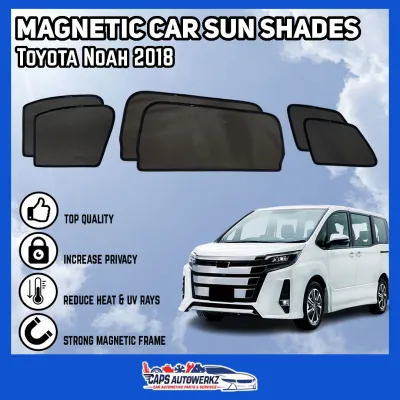
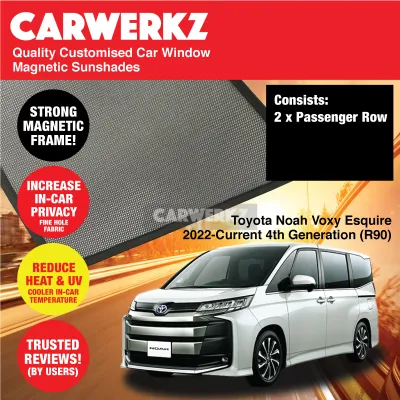
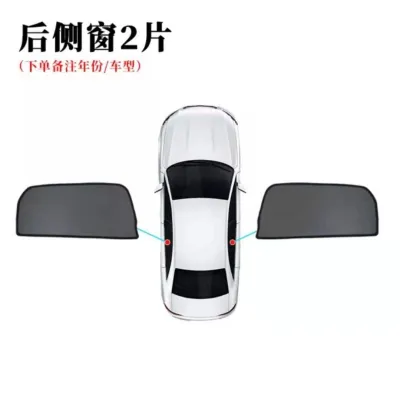
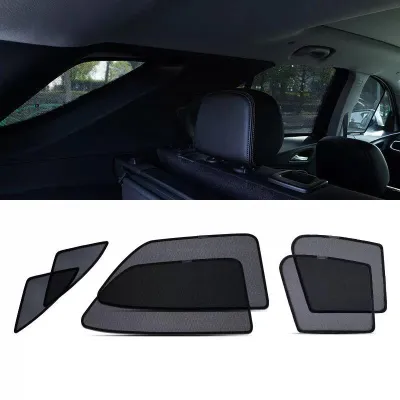
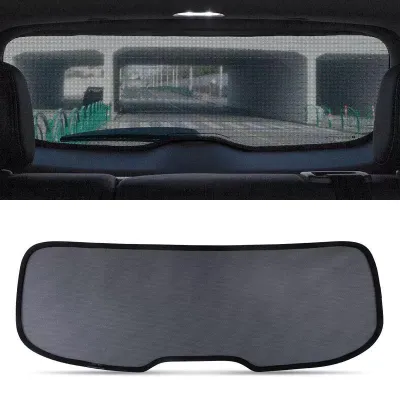
Prices are valid at publication and may change. Please refer to the product page for the latest price.
In Singapore’s tropical climate, a high-performance sunshade is not a luxury but a necessity for vehicle preservation. The near-equatorial sun delivers intense ultraviolet (UV) radiation and high thermal energy throughout the year. When your Noah is parked in an open-air HDB car park or an outdoor lot, the cabin acts as a greenhouse, trapping heat and raising interior temperatures to extreme levels. This prolonged thermal exposure can cause the dashboard materials to fade, warp, or crack, while also accelerating the degradation of sensitive electronics mounted near the windshield.
If you are unable to find a manufacturer-certified, model-specific sunshade, physical measurement is the most reliable way to guarantee a proper fit. To measure your Noah’s windshield accurately, use a flexible measuring tape to find the width and height at their widest points. Measure the horizontal width along the bottom edge near the dashboard, the width across the top near the roofline, and the vertical height from the center top down to the base of the glass. Writing down these exact dimensions will allow you to compare them directly against product specifications when shopping.
Because the Toyota Noah is designed with a large, relatively upright front windshield, structural rigidity is a critical factor for any sunshade you choose. Flimsy, low-quality shades will quickly sag under their own weight when exposed to high temperatures, pulling away from the glass and allowing hot air pockets to form. A successful sunshade must possess enough built-in tension or structural stiffness to stand upright against the glass, ensuring it remains securely in place throughout the day without collapsing.
Compare Sunshade Types and Materials for Effective Heat Blocking
When shopping for a sunshade, you will encounter several distinct designs, each offering different advantages in terms of thermal performance, ease of use, and storage convenience. Understanding these variations allows you to select a style that fits your daily driving habits and storage preferences.

Foldable accordion shades are a common choice for many MPV owners. These shades utilize a series of pre-creased panels that fold flat against one another, making them quick to deploy and pack away. While they are highly practical, their rigid panels can take up significant space when folded, which can be a minor inconvenience in a fully loaded passenger cabin. Roll-up shades, on the other hand, are made of flexible materials that roll into a tight cylinder. While highly durable, they can sometimes retain a curved shape at the edges, making it difficult to get them to sit completely flat against the glass over time.
Custom-fit rigid or semi-rigid shades represent the premium tier of windshield protection. These are laser-cut to match the exact perimeter of your specific Toyota Noah generation, ensuring edge-to-edge coverage with virtually zero light leakage. They feature a stiff inner core that completely eliminates sagging, though they do require dedicated storage space—such as along the floorboards or in the boot—when passengers are riding in the front.
The material composition of a sunshade directly dictates its ability to block heat. High-quality shades typically feature a multi-layer construction designed to tackle different aspects of solar radiation. The outermost layer should consist of a highly reflective material, such as premium aluminum foil or reflective polyester, which bounces incoming sunlight away from the vehicle. Beneath this outer shield, a core layer of bubble wrap or dense foam insulation acts as a thermal barrier, slowing down the transfer of heat through the shade. Finally, a dark or blackout fabric backing absorbs any residual light and prevents glare inside the cabin.
When evaluating product options, always check the manufacturer’s specifications for verified UV protection ratings and material thickness. Multi-layer designs generally offer significantly better thermal insulation than single-layer reflective films, which tend to heat up quickly and radiate warmth directly into the cabin. Look for products that explicitly claim high UV blocking capabilities (such as UPF 50+ ratings) to ensure maximum protection for your dashboard and steering wheel.
Keep in mind that material names alone do not guarantee performance, so it is wise to look for verified product testing labels and authentic user feedback. Pay close attention to reviews from drivers living in high-heat environments, as they can provide valuable insights into how well a sunshade maintains its structural integrity over time. Avoid extremely thin, flimsy materials that are prone to tearing or flaking after a few months of intense sun exposure. Conversely, be cautious of excessively heavy or thick materials that are difficult to fold, as they can turn a simple daily task into a frustrating chore.
Verify Fitment and Compatibility for a Secure Hold
Achieving a secure, flush fit against your Toyota Noah’s windshield is crucial for both maximizing heat reflection and protecting your vehicle’s interior components. A poorly fitting shade not only lets in unwanted sunlight but can also interfere with modern vehicle safety systems.
While universal-fit sunshades are widely available and budget-friendly, they rarely provide adequate coverage for a vehicle as large as the Toyota Noah. Universal shades are designed to fit a wide range of vehicles, meaning they often leave significant gaps along the sides or top of the windshield. These gaps allow direct sunlight to hit the dashboard, creating localized hot spots that undermine the purpose of using a shade. Choosing a custom-fit, vehicle-specific sunshade ensures that every corner of the glass is covered, preventing light leaks and maximizing thermal efficiency.
A properly fitted sunshade should seal tightly against the edges of the windshield frame without requiring you to force it into place. When installing the shade, your Noah’s built-in sun visors should easily swing down to press the top edge of the shade flat against the glass. If you have to bend, crease, or aggressively force the shade to get it to stay, it is likely too large or poorly designed for your specific model year, which can lead to premature wear and damage to the shade’s edges.
It is also vital to consider the safety sensors and cameras mounted near your rearview mirror. Modern Toyota Noah models, particularly those equipped with Toyota Safety Sense (TSS), feature a sensitive camera housing mounted directly behind the glass. A high-quality sunshade must feature a precise cutout that allows it to slide behind or around this housing without putting physical pressure on it. Forcing a rigid, ill-fitting shade against this sensor array can misalign the camera, crack the plastic shroud, or trap extreme heat around sensitive electronic components, potentially leading to costly repairs.
Before finalizing your purchase, always verify product descriptions and packaging for explicit compatibility with your specific Toyota Noah generation and model year. Manufacturers often update windshield dimensions, mirror mounts, and sensor housings during mid-generation facelifts. Confirming your vehicle’s chassis code and manufacturing year will help you avoid the hassle of buying a shade that does not align with your windshield’s unique layout.
Follow a Step-by-Step Selection and Verification Checklist
To simplify your shopping experience and ensure you select the best possible sunshade for your Toyota Noah, follow this structured verification checklist before making a purchase.
Step 1: Identify Vehicle Details Confirm your Toyota Noah’s exact model year, generation (e.g., R80 or R90), and trim level. Take note of whether your vehicle has a forward-facing camera system or rain sensors near the rearview mirror, as these features require a sunshade with a dedicated cutout.
Step 2: Measure or Verify Dimensions If you are considering a non-custom or semi-custom sunshade, take physical measurements of your windshield’s height and width. Use these numbers to cross-reference the dimensions listed on the product packaging to ensure adequate coverage.
Step 3: Filter by Compatibility Narrow down your product choices by searching for options that explicitly list your specific Toyota Noah generation as compatible. Avoid relying solely on generic “one-size-fits-all” labels, which often fail to account for the Noah’s tall glass profile.
Step 4: Inspect Material and Design Review the product specifications for multi-layer insulation, reflective outer coatings, and UV-blocking capabilities. Choose a folding style—whether accordion, roll-up, or wire-frame—that matches your daily storage preferences and cabin space.
Step 5: Check Return Policies Verify the retailer’s return or exchange policy before purchasing. Because minor variations in windshield trim and aftermarket accessories can affect how a sunshade sits, having the option to return a poorly fitting shade provides valuable peace of mind.
Install, Store, and Maintain Your Sunshade Safely
Once you have selected the perfect sunshade, using and maintaining it correctly will extend its lifespan and protect your Toyota Noah’s interior from accidental damage.
To install your sunshade correctly, begin by carefully unfolding it inside the cabin. Slide the bottom edge of the shade deep into the gap where the dashboard meets the windshield, ensuring complete coverage of the lower glass. Carefully guide the top of the shade around your rearview mirror and any sensor housings, pressing the material flat against the glass. Finally, flip down both the driver and passenger sun visors to clamp the top edge of the shade securely in place.
When it is time to drive, always fold and store the sunshade according to the manufacturer’s intended design. Avoid folding or stuffing the shade into tight spaces in an unnatural pattern, as this can permanently crease the reflective layers or snap the internal support wire frame. Storing the shade in its designated protective sleeve when not in use will keep it clean and prevent the reflective coating from scratching or peeling.
Basic, low-risk maintenance will keep your sunshade looking and performing its best for years. Periodically wipe the surface of the shade with a clean, damp microfiber cloth to remove dust, fingerprints, and condensation. For stubborn spots, use a small amount of mild dish soap diluted in warm water, wiping away any soap residue with a clean, damp cloth before allowing the shade to air dry completely. Never use harsh chemical cleaners, bleach, glass cleaners, or abrasive scrubbing pads, as these will degrade the delicate reflective coating.
Finally, always prioritize road safety by removing and storing the sunshade completely before starting your vehicle and driving. Driving with a sunshade partially installed or resting on the dashboard is extremely dangerous, as it severely obstructs your forward visibility and can interfere with your control of the vehicle. Ensure the shade is safely tucked away in the door pocket, behind a seat, or in the boot before you set off on the road.
Frequently Asked Questions (FAQ)
Can I use a universal sunshade for my Toyota Noah?
While universal sunshades are widely available, they often fail to provide edge-to-edge coverage for the Toyota Noah’s large windshield. Poor fitment can lead to light gaps, reduced heat blocking, and the shade slipping down during the day. Custom-fit or vehicle-specific sunshades are highly recommended for optimal protection and convenience.
Will a windshield sunshade damage my dashboard or sensors?
A properly fitted sunshade will not damage your dashboard. However, if the shade is too large or rigid, it can press aggressively against the rearview mirror mount, rain sensors, or forward-facing cameras located at the top center of the windshield. Always ensure the shade sits flush against the glass without bending or putting pressure on these sensitive electronic components.
How do I clean a reflective sunshade without ruining it?
To clean a reflective sunshade, lay it flat and gently wipe it with a damp microfiber cloth. For stubborn spots, use a small amount of mild dish soap diluted in water. Rinse the cloth and wipe away any soap residue, then let the shade air dry completely before folding it. Never use glass cleaners, bleach, or abrasive sponges, as these will strip the reflective coating and cause the material to peel or crack.
Community discussion
Share your experience or ask a question. Comments are reviewed before publication.