
Selecting the right front windshield sunshade for your BYD E6 is essential to combat Singapore’s relentless tropical heat. A high-quality, custom-fit reflective shade is the most effective solution to block solar radiation, shield the vehicle’s massive glass area, and lower cabin temperatures. By choosing a shade designed specifically for your vehicle’s generation, you can protect your interior electronics and preserve your driving range.
Why the BYD E6 Needs a Precisely Fitted Sunshade
The BYD E6, particularly the second-generation model widely seen on Singapore’s roads, features a highly raked, exceptionally large front windshield. This expansive glass surface acts like a greenhouse under the intense equatorial sun, allowing shortwave solar radiation to pass easily into the cabin. Once inside, this energy is absorbed by the dark dashboard, steering wheel, and seats, converting into longwave infrared heat that cannot easily escape.
Parking your electric vehicle (EV) in open-air carparks, such as HDB surface lots, exposes the interior to extreme thermal stress. Without adequate protection, dashboard temperatures can quickly soar past 60 degrees Celsius. Over time, this sustained heat exposure leads to material degradation, causing soft-touch plastics to become sticky, vinyl to crack, and electronic displays to malfunction.
Products mentioned in this guide
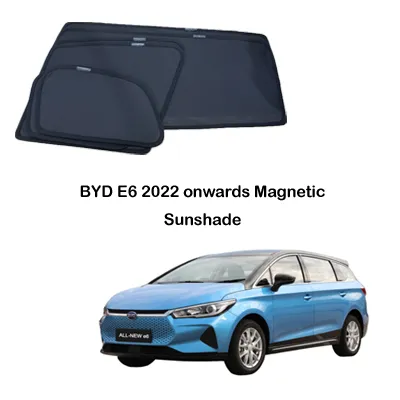
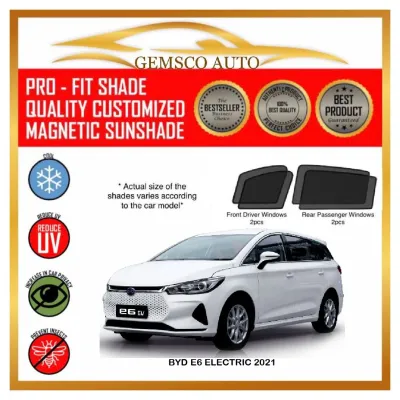
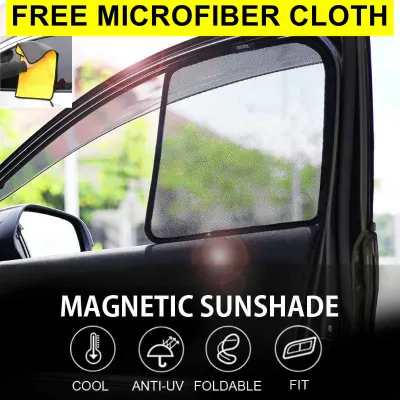
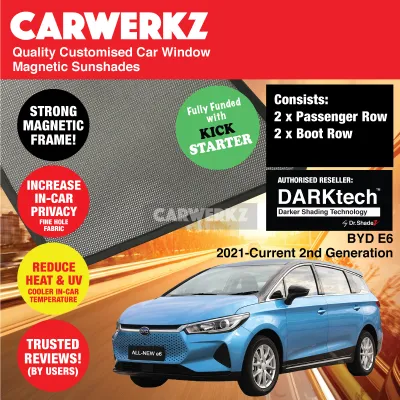
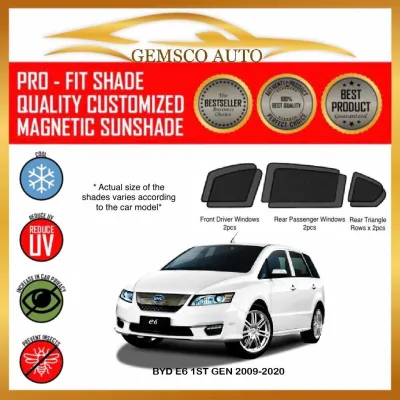

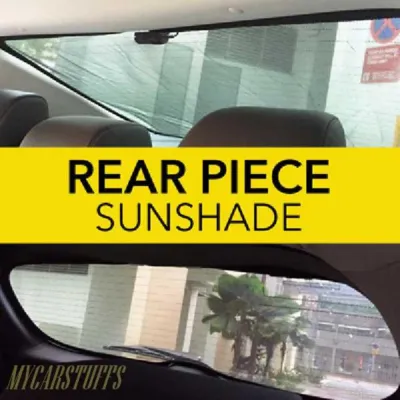
Prices are valid at publication and may change. Please refer to the product page for the latest price.
Furthermore, a heat-soaked cabin places a massive thermal load on the vehicle’s air conditioning system. When you return to a hot car, the climate control must run at maximum capacity to bring the cabin down to a comfortable temperature. In an electric vehicle like the BYD E6, this high initial cooling demand draws substantial power directly from the high-voltage traction battery, ultimately reducing your usable driving range. A precise sunshade acts as a primary thermal barrier, preserving both your interior materials and your battery efficiency.
Custom-Fit vs. Universal: Choosing the Right Fit Type
When shopping for a BYD E6 sunshade, you will primarily encounter two categories: custom-fit and universal. Understanding the structural and practical differences between these two options is critical to ensuring long-term satisfaction and maximum heat rejection.

Custom-fit sunshades are engineered using precise 3D scans of the specific vehicle model’s windshield frame. For the BYD E6, this means the shade matches the exact curvature, height, and width of the glass, leaving virtually no gaps around the edges. They typically feature a dedicated cutout for the rearview mirror assembly and the advanced driver assistance systems (ADAS) sensor housing. This edge-to-edge coverage ensures that almost 100% of incoming sunlight is reflected before it can heat up the cabin.
Universal sunshades, by contrast, are manufactured in standard geometric shapes (such as rectangles or circles) and sold in broad size categories like medium, large, or extra-large. While they are often more affordable and widely available, they rarely match the unique, elongated proportions of the BYD E6 windshield. You will often find that a universal shade is either too short to reach the top of the glass or too wide, requiring you to awkwardly fold or overlap the material. This poor fit leaves significant gaps at the corners and A-pillars, allowing columns of intense sunlight to penetrate and heat up the interior.
For complete cabin protection and daily convenience, we strongly recommend prioritizing a high-quality custom-fit sunshade. The ease of snapping a perfectly sized shade into place outweighs the minor cost savings of a universal option. Consider a universal shade only as a temporary solution, and if you must buy one, ensure you measure the windshield precisely rather than relying on generic “one-size-fits-all” compatibility claims.
Step-by-Step Guide to Selecting Your Sunshade
Choosing the right sunshade requires a methodical approach to ensure compatibility, durability, and ease of use. By following a structured selection process, you can avoid the hassle of returning ill-fitting products and ensure your investment provides maximum thermal protection.
The selection process involves three main phases: verifying your specific vehicle generation, evaluating the construction materials, and confirming the mounting mechanism. Taking the time to check these details beforehand guarantees a seamless fit and optimal performance.
Verify the Exact Model Year and Glass Specifications
It is a common mistake to assume that all BYD E6 models share the same windshield dimensions. The BYD E6 has gone through distinct generational updates that completely altered its body shape and glass profile. The first-generation BYD E6 (typically manufactured before 2021) features a boxier, crossover-style body with a relatively upright windshield. The second-generation BYD E6 (released from 2021 onwards) is built on a sleek, modern MPV platform with a much longer, wider, and more steeply raked windshield.
Before purchasing any sunshade, locate your vehicle’s registration details or manufacturing plate to confirm its exact model year. A sunshade designed for a first-generation E6 will be far too small for the second-generation model, leaving massive gaps. Conversely, a second-generation shade will not fit the frame of an older model.
Additionally, pay close attention to the area surrounding the rearview mirror. Modern BYD E6 models are equipped with front-facing ADAS cameras and rain sensors mounted directly against the glass. Ensure the sunshade you select features a flexible or recessed cutout that accommodates this sensor pod without putting physical pressure on the housing or misaligning the cameras. Always cross-reference the retailer’s compatibility list with your specific model year rather than relying on a generic product title.
Evaluate Material, Reflectivity, and Edge Design
The thermal performance of a sunshade depends entirely on its material composition. High-quality shades utilize a multi-layered construction to tackle different forms of heat transfer.
- Reflective Outer Layer: Look for an outer surface made of premium reflective material, such as high-grade aluminum foil or a specialized silver-coated polyester. This layer is responsible for reflecting radiant heat and UV rays away from the vehicle.
- Insulating Core: The middle layer should consist of an insulating barrier, such as a thick polyethylene bubble core, a dense foam layer, or a honeycomb air-pocket structure. This layer slows down conductive heat transfer, preventing the heat absorbed by the outer layer from radiating into the cabin.
- Protective Inner Layer: The side facing the interior should have a soft, non-abrasive backing (such as felt or smooth polyester) to prevent scratching the dashboard or leaving marks on the leather trim.
- Structural Integrity: A premium sunshade must maintain its shape over time. Look for options with reinforced edge binding and high-tensile spring-steel wire frames or rigid internal panels. Cheaply made shades often sag in the middle under intense heat, creating a gap where hot air can pool against the glass.
How to Install and Test for Complete Light Blockage
Proper installation is key to maximizing the effectiveness of your sunshade. Even the best custom-fit shade will fail to block heat efficiently if it is not positioned correctly against the glass.
To install the sunshade, follow these step-by-step instructions:
- Clear the Dashboard: Ensure there are no loose items, dashcams, or mobile phone mounts that could obstruct the sunshade or be damaged during installation.
- Unfold the Shade: Carefully open the sunshade inside the cabin. If it uses a spring-steel frame, hold it firmly as it springs open to avoid hitting the interior trim or passengers.
- Position the Base: Place the bottom edge of the sunshade as deep into the gap between the dashboard and the windshield as possible.
- Fit Around the Mirror: Carefully guide the upper cutout around the rearview mirror and any sensor housings, ensuring the material does not press against the delicate plastic covers.
- Secure with Visors: Pull down both the driver and passenger sun visors to press the top edge of the sunshade firmly against the glass.
Once installed, conduct a quick visual inspection from the driver’s seat. Look for any light leaks around the perimeter, particularly near the A-pillars and the top corners. If you see bright spots, gently adjust the edges of the shade to seal the gaps.
Safety Boundary: Never attempt to install, adjust, or fold the sunshade while the vehicle is in motion. Always ensure the sunshade is completely removed and safely stowed before starting the engine. Additionally, verify that the installation does not dislodge or block your dashcam’s field of view, and never force a rigid shade against delicate aftermarket electronic accessories.
Daily Storage and Maintenance for Longevity
A sunshade is subjected to extreme thermal stress daily, making proper care essential to preserve its reflective properties and structural shape.
For foldable spring-steel shades, mastering the “figure-eight” twisting technique is crucial. Avoid forcing or bending the frame at unnatural angles, as this can permanently warp the internal wire, leading to a sagging fit. For accordion-style folding shades, always fold along the pre-creased lines and secure them with the integrated hook-and-loop strap.
Store the sunshade in its designated protective sleeve or pouch when not in use. Slide the stored shade into the door pocket, under a seat, or in the boot to protect it from dust, passenger foot traffic, and sharp objects that could puncture the reflective coating.
To clean the sunshade, simply wipe both sides down with a clean, damp microfiber cloth. Avoid using harsh chemical cleaners, glass sprays, or abrasive scrubbing pads, as these can strip away the specialized UV-reflective coatings on the outer layer. Allow the shade to air-dry completely in a shaded area before folding and storing it to prevent mold or mildew growth.
Frequently Asked Questions (FAQ)
Will a thick sunshade interfere with the BYD E6's rearview mirror or sensors?
A properly designed custom-fit sunshade will not interfere with your BYD E6’s rearview mirror or ADAS sensors. High-quality custom options feature a tailored cutout or a flexible fabric collar secured by a hook-and-loop fastener that wraps neatly around the mirror stem. This design allows the shade to sit flush against the glass without applying physical pressure to the sensor pod or camera housing. However, if you are using a universal shade, you must exercise caution. Avoid forcing a rigid, uncut panel behind the mirror, as this can put stress on the mount, potentially misaligning your lane-departure cameras or damaging the rain sensor housing.
How do I measure my windshield if I cannot find a custom-fit option?
If a custom-fit option is unavailable for your specific BYD E6 model year, you can select a universal shade by taking accurate manual measurements. Use a flexible measuring tape inside the cabin. Measure the maximum width of the windshield along the very bottom edge where the glass meets the dashboard, and then measure the width along the top edge near the headliner. Next, measure the vertical height from the base of the dashboard to the top of the glass at the center point. When purchasing a universal shade, select a size that matches these dimensions as closely as possible, prioritizing a slightly larger height so you can easily secure the top edge behind your sun visors.
Community discussion
Share your experience or ask a question. Comments are reviewed before publication.