
When choosing frog grips for your motorcycle, you must prioritize inner diameter compatibility, weather-resistant materials suited for high humidity, and a texture that maintains traction during wet weather. Frog grips—popularly known for their distinct high-traction ribbed or textured designs—serve as your primary contact point with your bike. Selecting the wrong set can compromise throttle control, accelerate hand fatigue, or even lead to dangerous slippage during sudden downpours.
Assessing Your Current Grips: When to Replace
To establish a baseline for your purchase decision, start with a thorough visual and tactile inspection of your existing grips. Look closely at the throttle side, which typically wears down faster due to constant rotation and friction. Check for visible cracks along the flanges, peeling rubber, bald spots where the pattern has flattened, or a sticky residue on your hands. Sticky rubber is a clear sign that the compound has begun to break down due to prolonged exposure to UV rays and ozone.
Beyond visual wear, pay close attention to physical performance signals during your rides. If you notice increased hand fatigue, cramping, or find yourself gripping the bars with excessive force just to keep your hands from sliding, your grips have likely lost their compliance and traction. Slipping during wet rides or a delayed throttle response because the rubber is sliding independently of the inner throttle tube are critical warning signs that demand immediate attention.
Products mentioned in this guide
![[SG INSTOCKS] MOTORCYCLE HANDLEGRIPS SPONGE GRIP PUPPIES MOTOR HANDLE BAR](https://img.lazcdn.com/g/p/36bdc50da7bdf87165cf1ed74feab8b6.jpg_400x400q80.jpg_.webp)
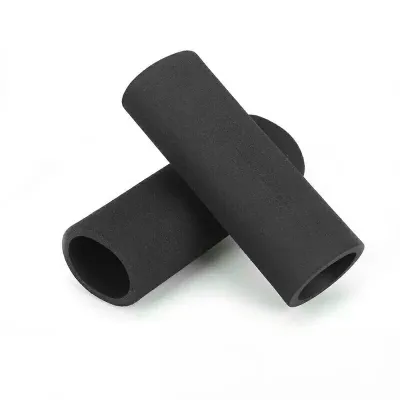
Prices are valid at publication and may change. Please refer to the product page for the latest price.
Riding with compromised grips poses a severe safety risk that should never be ignored. If a grip rotates unexpectedly on the handlebar or slips off entirely while you are navigating traffic, you face an immediate loss of steering and throttle control. Establishing this safety boundary means replacing worn components before they fail, ensuring that your connection to the motorcycle remains absolute and secure.
Verifying Size Compatibility and Handlebar Fitment for Frog Grips
Before purchasing a new set of frog grips, you must verify the physical dimensions of your motorcycle’s handlebars to ensure a safe fitment. Most standard street, sport, and off-road motorcycles feature a handlebar diameter of 22mm (7/8 inch) at the grip ends. Cruiser motorcycles, however, frequently utilize larger 25.4mm (1-inch) handlebars. While some off-road bikes use “fat bars” that measure 28.6mm at the clamping area, these bars almost always taper down to 22mm at the controls, meaning they still require standard-sized grips.

It is vital to understand that the left and right grips in a set are not identical. The left grip is designed to slide directly onto the bare metal of the handlebar, while the right grip must stretch over the plastic throttle tube. Consequently, a standard 22mm grip set will include one grip with a 22mm inner diameter and another with a roughly 24mm inner diameter. Forcing a left-side grip onto the throttle tube will split the rubber, while putting a right-side grip on the left bar will result in a dangerously loose fit.
Outer diameter selection is another critical factor that directly influences your riding comfort and control. Thinner grips, typically measuring between 29mm and 31mm in outer diameter, allow your fingers to wrap more completely around the bar, offering precise feedback for spirited riding. Conversely, thicker grips measuring 32mm to 35mm distribute pressure across a larger surface area of your palm, which can significantly aid in dampening high-frequency engine vibrations during long highway commutes.
Additionally, you must measure the overall length of your current grips, which usually ranges from 115mm to 125mm. If your new grips are too long, they can rub against your bar-end weights or handguards, preventing the throttle from snapping shut. They can also push your switchgear and brake lever assemblies inward, potentially altering your reach or interfering with lever travel. Finally, check your throttle tube compatibility; some modern bikes feature integrated plastic ridges on the throttle sleeve that must be sanded flat or matched with specific aftermarket grips to ensure a flush, secure fit.
Evaluating Material and Compound for Tropical Riding
Operating a motorcycle in a tropical climate like Singapore presents unique challenges for grip materials. With average temperatures hovering around 30°C and relative humidity levels regularly exceeding 80%, standard rubber compounds can degrade much faster than they would in cooler, drier regions. Selecting the right material compound is a balancing act between immediate comfort, long-term durability, and environmental resilience.
Traditional rubber compounds are categorized by their hardness. Softer compounds offer exceptional immediate tackiness and comfort, absorbing small vibrations effortlessly, but they wear down rapidly and can become sticky or “melt” under intense tropical sunlight. Harder rubber compounds offer superior longevity and resist tearing, making them highly cost-effective, but they transmit more engine vibration to your hands and can feel slick when wet. Many riders opt for dual-compound grips, which feature a hard inner sleeve for structural integrity and a soft outer layer for comfort.
Alternative materials like silicone and high-density foam offer distinct advantages depending on your riding style. Silicone grips provide outstanding vibration dampening and do not degrade or become sticky under UV exposure, though they can be difficult to slide on during installation and are easily damaged by sharp objects. High-density foam grips are favored by long-distance touring riders for their plush feel, but they can absorb water during heavy monsoon downpours, remaining damp and potentially harboring mold in humid environments.
To maximize the lifespan of your chosen grips, always review the manufacturer’s care instructions before applying any cleaning agents. Harsh degreasers, petroleum-based solvents, or chain lubricants can chemically attack the rubber or silicone, causing the material to swell, soften, or lose its grip permanently. For safe maintenance, stick to mild dish soap diluted in warm water, scrub gently with a soft-bristled brush, and rinse thoroughly with clean water to remove any soapy residue.
Selecting the Right Grip Pattern and Texture
The surface texture of your frog grips plays a pivotal role in maintaining physical control under varying weather conditions. Traditional patterns like waffle and half-waffle designs feature raised square grids on the underside of the grip. This layout allows your fingers to hook into the ridges for maximum mechanical leverage, while the open channels help drain rainwater and sweat away from your palms, keeping the contact surface dry and secure.
For riders seeking a balance between comfort and control, diamond and pillow patterns are excellent choices. Diamond patterns feature a fine, uniform texture that maximizes the surface area in contact with your hand, providing a highly tactile feel that is perfect for precise steering inputs. Pillow and ribbed designs utilize larger, compressible blocks that cushion your palms, distributing pressure evenly to reduce hand pump and prevent painful blisters during extended rides on the Bukit Timah Expressway (BKE) or through heavy urban traffic.
When evaluating specialized “frog” or custom aesthetic grip patterns, you must ensure that form does not override function. While unique ribbed structures or stylized graphic grooves look striking, they must not create uncomfortable localized pressure points on your hands. If a pattern features deep, wide gaps with very little flat surface area, it can significantly reduce your functional contact patch, leading to premature hand fatigue as you squeeze harder to maintain traction.
Before finalizing your choice, always test the grip texture while wearing your preferred motorcycle gloves. A grip pattern that feels incredibly tacky and comfortable to a bare hand can behave very differently against synthetic suede, leather, or reinforced glove palms. Ensuring that the glove material locks securely into the grip pattern without slipping is a vital step in maintaining safe, effortless control over your motorcycle’s inputs.
Choosing Between Slip-On and Lock-On Mounting Systems
When it comes to installation, you must choose between traditional slip-on grips and modern lock-on mounting systems. Slip-on grips are highly common and cost-effective, typically priced between S$15 and S$40. They rely on a tight friction fit supplemented by specialized grip glue or safety wire. Installing slip-ons requires meticulous surface preparation, including cleaning the handlebar with isopropyl alcohol to remove old adhesive, and requires a curing time of up to 24 hours before you can safely ride. If installed incorrectly, these grips can easily twist or slide off the bars.
Lock-on grips offer a more modern, mechanical alternative. These grips feature a solid plastic core that slides easily onto the handlebar and is secured at the ends by metal locking collars and small hex screws. While they are slightly more expensive—often ranging from S$35 to S$70—they offer absolute security against twisting, require zero drying time, and can be swapped out in minutes. However, because they feature an internal plastic sleeve, they have less rubber material to absorb vibrations and require precise clearance to avoid binding against your switchgear housings.
Regardless of the mounting system you choose, you must perform a critical post-installation safety check before taking your motorcycle onto the road. With the engine off, sit on the bike and turn the handlebars fully from the left lock to the right lock. Rotate the throttle grip and release it; it must snap back to the closed position instantly and smoothly at every steering angle. If you feel any binding, rubbing, or resistance against the bar-end weights, switchgear, or brake lever assembly, do not ride. Adjust the positioning of the grips or controls until the throttle operates completely unimpeded.
Frequently Asked Questions (FAQ)
Can I use standard automotive cleaners on my motorcycle grips?
No, you should avoid using standard automotive cleaners, brake cleaners, or harsh degreasers on your motorcycle grips. These chemicals can break down the elastomers, rubber, or silicone compounds, causing them to swell, lose their texture, or turn into a sticky, unusable mess. Stick strictly to the manufacturer’s care instructions. For safe cleaning, use mild dish soap diluted in warm water, scrub gently with a soft brush, and rinse thoroughly with clean water.
Do thicker grips reduce handlebar vibration?
Thicker grips and softer compounds can help dampen high-frequency buzz or engine vibrations by isolating your hands from the metal handlebars. However, they also reduce the direct tactile feedback you receive from the front tire and road surface. Furthermore, grips alone cannot resolve severe, low-frequency chassis vibrations. If your motorcycle suffers from significant vibration, you should inspect your bar-end weights, verify engine mount torque specs, or consult a professional mechanic to address the root mechanical cause.
Community discussion
Share your experience or ask a question. Comments are reviewed before publication.