
Choosing the right foam spray cleaner for your car seats depends entirely on identifying your specific upholstery material and matching it with a chemically compatible formula. Using the wrong product can permanently stain fabric, strip essential oils from genuine leather, or cause synthetic materials to crack. By verifying your seat type, checking the product label for material-specific safety indicators, and performing a controlled spot test, you can safely lift dirt and restore your car’s interior without risking costly damage.
Identify Your Exact Seat Material
Before purchasing any interior cleaning product, you must determine the exact composition of your car seats. Modern automotive interiors feature a wide range of materials, and assuming a smooth surface is genuine leather is a common mistake that often leads to improper care.
Genuine leather requires specialized preservation. To identify it, look closely at the grain pattern; genuine leather exhibits natural, irregular pores and unique grain variations. When you press your finger gently into the surface, genuine leather will typically wrinkle slightly around the point of pressure and feel warm to the touch.
Products mentioned in this guide
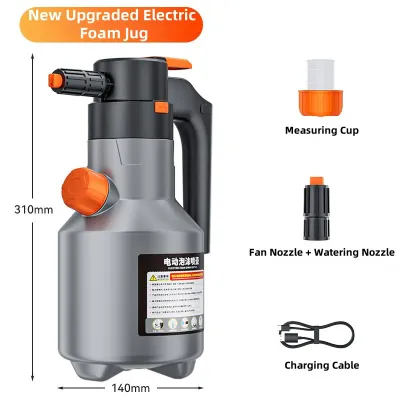
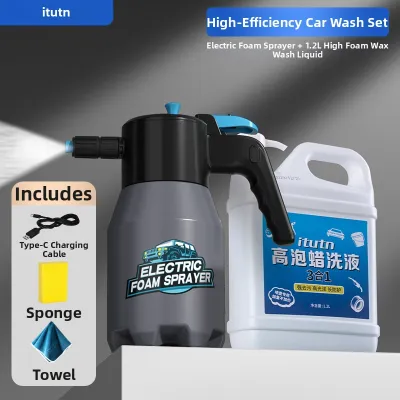
Prices are valid at publication and may change. Please refer to the product page for the latest price.
Synthetic leather, often marketed as leatherette, vegan leather, or polyurethane (PU) vinyl, is highly common in modern vehicles. It features a highly uniform, repeating grain pattern that does not wrinkle naturally under light pressure. It often feels cooler or more plastic-like than genuine hide. While synthetic leather is highly durable, it does not absorb conditioning oils the way genuine leather does, meaning heavy leather conditioners will simply sit on the surface and attract dust.
Fabric seats are easily distinguishable by their woven textile construction, which can range from tight nylon meshes to soft velour or canvas-like polyesters. Fabric is highly porous, meaning it absorbs liquids rapidly and is prone to deep-seated staining.
To eliminate any doubt, consult your vehicle owner’s manual or check the original manufacturer specification sheet. Many manufacturers place material care tags under the front seats or inside the glovebox. Knowing exactly what you are cleaning prevents the application of harsh chemicals that can degrade specialized coatings.
Match the Foam Spray Formulation to the Material
Once you have confirmed your seat material, you must select a foam spray formulated specifically for that surface. Foam cleaners are highly effective because they suspend cleaning agents in a dense lather, minimizing the amount of liquid that penetrates deep into the seat cushioning. However, the chemical makeup of these foams varies drastically.

For genuine leather, look for foam sprays explicitly labeled as “pH-balanced” or “pH-neutral.” Genuine leather is acidic, typically maintaining a pH between 4.5 and 5.0. Alkaline cleaners can disrupt this balance, causing the leather to dry out, harden, and eventually crack. A proper leather foam should also contain mild conditioning agents, such as natural lipids or synthetic protectants, which replenish the material’s moisture barrier as the foam lifts surface oils.
Synthetic leather requires a different approach. Because synthetic leather is essentially a plastic-based topcoat over a fabric backing, it does not require deep conditioning oils. Look for mild, non-greasy foam cleaners labeled safe for vinyl or synthetic leather. Avoid products containing heavy solvents or high alcohol content, which can strip the protective polyurethane topcoat and cause premature peeling.
Fabric and upholstery foam sprays are engineered with powerful lifting agents designed to penetrate woven fibers and break down organic stains, grease, and dirt. These formulas often rely on surfactants that encapsulate dirt particles, allowing them to be vacuumed or wiped away. Crucially, fabric foams must offer excellent moisture control. Because fabric padding underneath the seat cover can trap water, a high-quality fabric foam is designed to dry quickly, minimizing the risk of mold, mildew, and unpleasant odors in humid climates.
Using the wrong formulation carries significant risks. Applying a heavy fabric foam to genuine leather can strip away its protective factory clear coat and natural oils, leaving it vulnerable to UV damage. Conversely, applying an oily leather cleaner to fabric seats will leave greasy, dark stains that are incredibly difficult to extract.
Verify Compatibility and Conduct a Spot Test
Even if a foam spray cleaner claims to be safe for your specific seat material, you must verify compatibility before applying it to highly visible areas. Vehicle manufacturers often apply proprietary finishes, flame retardants, or stain-resistant coatings to seats, which can react unexpectedly with aftermarket cleaning chemicals.
Start by cross-referencing your vehicle owner’s manual with the product label. Look for specific warnings regarding chemical classes. For example, some manufacturers explicitly warn against using cleaners containing ammonia, bleach, or heavy petroleum distillates on their interiors. Check the safety data sheet or the back label of the foam spray to ensure none of these harsh solvents are present.
Additionally, pay close attention to safety boundaries regarding seat-mounted electronics. Many modern vehicles feature side-impact airbags embedded within the outer seams of the front seats, as well as heating elements, ventilation fans, and occupancy sensors beneath the surface. Excessive liquid penetration from improper foam application can damage these electrical systems or compromise airbag deployment seams.
To guarantee safety, always conduct a spot test using the following steps:
- Select an inconspicuous area: Choose the lower back of the headrest, the underside of the seat cushion, or a small section of the lower side bolster.
- Apply to a cloth first: Apply a dime-sized amount of the foam spray directly to a clean microfiber cloth, rather than spraying it directly onto the seat.
- Gently agitate: Gently blot and rub the foam onto the test area for several seconds.
- Wipe clean: Wipe the area dry with a separate, clean microfiber towel.
- Allow to dry: Let the test spot dry completely under normal ventilation.
- Inspect the results: Check the area under bright, natural light for any signs of color transfer onto the microfiber cloth, discoloration of the seat material, changes in texture (such as hardening or stickiness), or bubbling of the surface finish.
If you observe any color bleeding, fading, or texture changes, stop using the product immediately and thoroughly wipe the area with a damp cloth to neutralize any remaining residue.
Apply the Foam and Dry the Seats Correctly
Proper application technique is just as important as choosing the right product. Even the safest foam spray can cause issues if applied carelessly or left to dry on the surface.
Before applying any foam, perform a thorough pre-cleaning. Use a vacuum cleaner equipped with a soft brush attachment to remove loose dirt, sand, crumbs, and dust from the seams, crevices, and flat surfaces of the seats. Skipping this step can cause the foam to mix with loose debris, creating an abrasive paste that grinds into the leather or fabric during the wiping process.
When applying the foam, follow the manufacturer’s instructions regarding dwell time. Most foam sprays require a brief period—typically between thirty seconds and two minutes—to allow the active surfactants to lift dirt to the surface. Never allow the foam to dry completely on the seat, as this will redeposit the suspended dirt back into the material and leave unsightly rings or streaks.
For leather and synthetic leather, use a soft-bristled detailing brush or a clean microfiber cloth to gently agitate the foam in circular motions. Avoid aggressive scrubbing, which can wear down the protective topcoat. Wipe the lifted grime away immediately using a clean, dry microfiber towel.
For fabric seats, agitate the foam with a medium-stiff upholstery brush to work the cleaning agents into the fibers. Work in small, manageable sections to prevent the foam from soaking too deeply into the foam padding below. After agitation, firmly press and wipe the area with a dry microfiber towel to absorb as much moisture and dirt as possible.
In humid climates, ensuring thorough drying is critical. Keep the car doors or windows open in a well-ventilated, shaded area, or run the vehicle’s air conditioning system on a moderate setting to help extract residual moisture. Never expose wet seats to direct, intense sunlight, as this can cause uneven drying, water spots, or shrinkage of leather fibers.
Frequently Asked Questions (FAQ)
Can I use a multi-surface foam spray on both leather and fabric?
While some multi-surface foam sprays claim to be safe for all interior surfaces, they are generally best reserved for light maintenance rather than deep cleaning. These universal products are formulated to be highly diluted and chemically neutral to avoid damaging sensitive surfaces, which often makes them less effective at lifting tough fabric stains or conditioning genuine leather. If your vehicle has a mixed interior—such as leather bolsters with fabric inserts—it is highly recommended to use dedicated, material-specific cleaners for each section. Always check the product label to ensure both materials are explicitly listed before attempting a multi-surface application.
What should I do if the foam spray leaves a sticky residue?
A sticky residue usually occurs when too much product was applied, the foam was allowed to dry on the surface, or the cleaner was not thoroughly wiped away. To resolve this, lightly dampen a clean microfiber cloth with distilled water and gently wipe the affected area to reactivate and lift the remaining surfactants. Avoid soaking the seat. Dry the area immediately with a fresh microfiber towel. If the stickiness persists or if the material begins to discolor, stop your DIY efforts immediately and consult a professional automotive detailer or your vehicle manufacturer to prevent permanent damage to the upholstery.
Community discussion
Share your experience or ask a question. Comments are reviewed before publication.