
Choosing the correct towel for car detailing is the difference between a flawless, mirror-like finish and a paint surface marred by fine scratches and swirl marks. When navigating the premium lineup of fireball microfiber products, matching the correct cloth to your specific detailing task is essential. Not all microfiber towels are created equal; differences in weight, weave pattern, and edge construction dictate how a cloth behaves on your car’s delicate clear coat, glass, or wheels. By understanding these technical specifications, you can optimize your detailing efficiency, protect your vehicle’s surfaces, and get the maximum performance out of your cleaning, polishing, and coating products.
Identify Your Detailing Goals and Cloth Requirements
Before selecting a specific towel from the fireball microfiber range, you must understand the fundamental physical properties that govern microfiber performance. Microfiber is a synthetic blend of polyester and polyamide. The ratio of these materials, along with how they are woven and weighted, determines their absorbency, softness, and cleaning power.
Understanding GSM (Grams per Square Meter) GSM is the standard measurement for the density and weight of a microfiber cloth.
Products mentioned in this guide
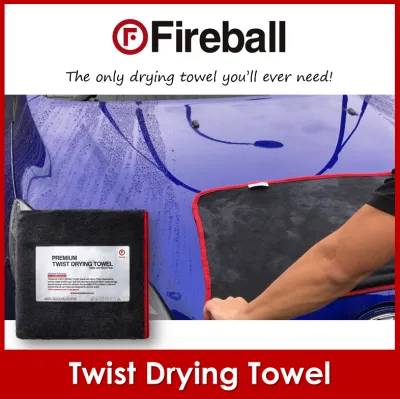
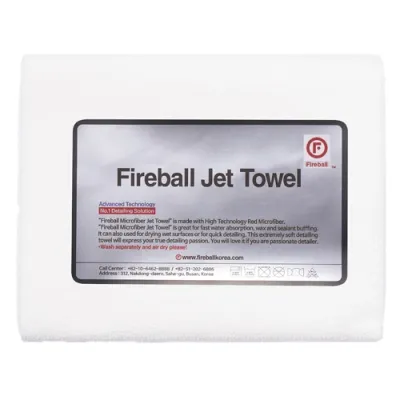
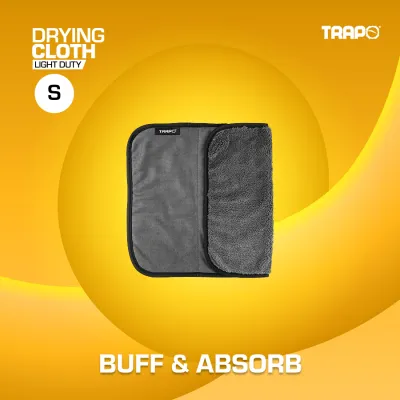
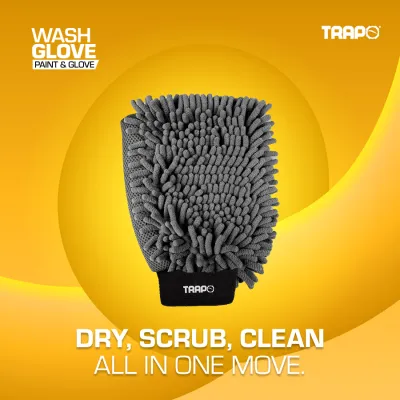
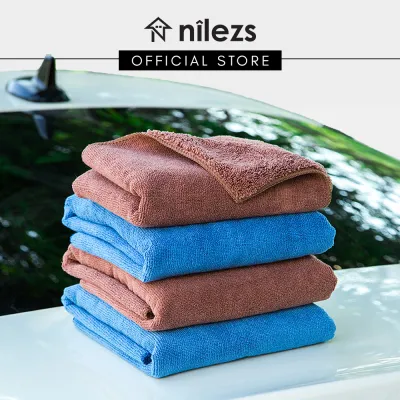
Prices are valid at publication and may change. Please refer to the product page for the latest price.
- Low GSM (200 to 300): These cloths are thin, lightweight, and have short fibers. They are ideal for tasks requiring high friction or minimal product absorption, such as glass cleaning, interior scrubbing, or initial ceramic coating leveling.
- Medium GSM (300 to 500): Offering a balance of softness and bite, these towels are highly versatile. They work exceptionally well for removing polish residues, buffing off waxes, and performing quick detailer wipe-downs.
- High GSM (500 to 1000+): These are dense, plush, and extremely heavy towels designed primarily for water absorption or waterless washing. The long, thick fibers cushion the paint, trapping dirt deep within the pile away from the clear coat.
Evaluating Weave Types The physical structure of the weave determines how the cloth interacts with liquids and solids on your vehicle’s surfaces.
- Twist-Loop Weave: This design features long, twisted loops of microfiber. It provides massive surface area and capillary action, allowing the towel to glide effortlessly across wet paint and absorb immense amounts of water without creating drag.
- Waffle Weave: Characterized by a distinct grid-like pattern, this weave creates small pockets that trap dirt, grime, and glass cleaner. It excels at streak-free glass cleaning because it does not compress flat against the surface, minimizing lint left behind.
- Short-Pile Weave: These tightly woven, short loops provide the necessary friction to bite into cured wax or polish residues, lifting them off the paint rather than sliding over them.
Analyzing Edge Designs The border of a microfiber towel is a frequent culprit for paint marring.
- Edgeless (Ultrasonic Cut): These towels have no stitched borders. The edges are cut using lasers or ultrasonic waves, leaving a soft, uniform edge that is highly safe for soft clear coats.
- Stitched or Banded Edges: Some towels feature silk, satin, or microfiber piping along the borders to prevent fraying. While durable, you must ensure the stitching material is soft. Always verify the manufacturer's packaging specifications on your Fireball products to confirm the edge construction is safe for your specific paint type.
Match Fireball Microfiber Types to Specific Car Care Tasks
Using the wrong towel for a detailing step can lead to poor results, wasted product, or physical damage to your vehicle. To achieve professional results, categorize your detailing tasks and pair them with the appropriate fireball microfiber variant.

Drying and Water Removal
In Singapore’s hot and highly humid climate, water dries rapidly on hot car panels, leaving behind unsightly calcium and mineral deposits (water spots). To prevent these spots from etching into your clear coat, you must remove standing water quickly and efficiently after a wash. For this task, look for high-GSM, twist-loop drying towels in the Fireball lineup.
Twist-loop fibers are engineered to suck up moisture on contact. Instead of dragging a saturated, flat towel across the paint—which increases friction and the risk of scratching—a premium twist-loop towel lifts water away via capillary action. When using these towels, lay them flat across the panel and gently pull them toward you by the corners. This technique minimizes downward pressure, allowing the plush fibers to do the work while keeping your clear coat safe from swirl marks.
Polishing, Waxing, and Coating Application
Applying and removing paint protection products requires a completely different style of microfiber. When leveling a ceramic coating, buffing off a synthetic sealant, or removing polish residue, avoid ultra-plush, high-GSM towels. Extremely thick towels will absorb expensive coatings or waxes directly into the pile, wasting your product and making leveling uneven.
Instead, select low-to-medium GSM towels with a short-pile or closed-loop weave. Fireball offers specialized buffing and coating removal cloths designed specifically to bite into residues and level them flat. These towels provide enough structural resistance to cleanly shear off excess wax or coating high spots without leaving lint behind. Always check the product description on Fireball packaging to ensure the towel is rated for “buffing” or “coating removal” before working on fresh paint protection.
Glass, Mirrors, and Interior Surfaces
Glass and interior screens present unique challenges. Standard plush microfiber towels often leave fine lint particles behind, which become highly visible under direct sunlight or Singapore’s bright streetlights. Additionally, interior dashboards and leather seats require gentle cleaning without aggressive scrubbing.
For glass and mirrors, always utilize a dedicated waffle-weave towel. The raised ridges of the waffle pattern scrub away road film, finger oils, and smoke residue, while the valleys of the weave trap the lifted contaminants. When detailing interior screens, piano-black plastics, or delicate gauge clusters, use a low-lint, low-GSM edgeless towel to prevent scratching these highly sensitive surfaces.
Wheels, Tires, and Heavy Dirt
Your vehicle’s wheels, suspension components, exhaust tips, and engine bays are coated in highly abrasive contaminants, including metallic brake dust, road tar, and heavy grease. Under no circumstances should you use your premium paint-safe microfiber towels on these areas.
For heavy dirt, dedicate a set of lower-cost, durable, or dark-colored microfiber cloths. Darker colors make it easier to identify when a towel is heavily soiled, preventing you from accidentally reusing a dirty section. Strictly separate these utility towels from your paint-safe towels during use, washing, and storage. Cross-contaminating a drying or buffing towel with sharp, metallic brake dust particles will lead to severe paint scratching during your next detailing session.
Steps to Select, Inspect, and Prepare Your Cloths
To ensure your premium fireball microfiber towels perform at their peak and remain completely safe for your vehicle, follow this systematic preparation process before they touch your car’s paint.
Step 1: Define the Task and Verify Specifications Before starting any detailing project, identify the exact task at hand (such as drying, polishing, or glass cleaning). Check the Fireball packaging or product specifications to match the GSM and weave to your goal. Never assume a towel is multi-purpose unless explicitly stated by the manufacturer.
Step 2: Inspect Edges and Tags Unbox your new towels in a clean, dust-free environment. Thoroughly inspect each cloth for any hard plastic price tags, care labels, or rough edge stitching. Many manufacturers sew paper or plastic care tags into the seams; carefully cut or tear these tags off completely, as they can easily scratch soft clear coats during use.
Step 3: Pre-Wash Before First Use New microfiber towels often contain manufacturing residues, loose fibers, and excess dyes from the coloring process. To open up the split fibers and maximize initial absorbency, wash your new towels before their first detailing session. This initial wash also prevents dye transfer between different colored towels.
Warning / Stop Condition If you drop a microfiber towel on the ground during a detailing session, stop using it on the paint immediately. The microscopic, hook-like structure of microfiber is designed to grab and hold onto particles. Even a split-second contact with the ground can embed tiny rocks, sand, or dirt deep within the fibers. Rubbing this dropped towel on your car’s paint will act like sandpaper, causing severe scratches. Set the dropped towel aside in a designated bin, rinse it thoroughly, wash it separately, and downgrade it for use on wheels, engine bays, or interior plastics.
Maintain Your Microfiber Cloths for Long-Lasting Performance
Proper maintenance is critical to preserving the soft, absorbent, and scratch-free characteristics of your fireball microfiber towels. Because microfiber is made from synthetic polymers, it requires specific care compared to natural cotton fabrics.
First, always wash your microfiber cloths separately from other household laundry. Cotton towels and garments shed massive amounts of lint. If washed together, the microfiber will attract and trap this cotton lint, rendering the cloths useless for streak-free detailing.
Second, use a mild, liquid detergent that is free of perfumes, dyes, and fabric softeners. Avoid powder detergents, as undissolved powder particles can lodge inside the fibers and scratch your paint. Strictly avoid fabric softeners and bleach. Fabric softeners coat the synthetic fibers with a thin layer of water-repellent silicone or wax, completely ruining the towel’s absorbency. Bleach breaks down the synthetic polyester and polyamide polymers, causing the fibers to stiffen and shed.
Third, dry your towels properly. The best method is to air dry them in a clean, dust-free indoor area or tumble dry them on a very low heat setting. High heat will melt the delicate synthetic fibers, turning a soft towel into a scratchy, paint-damaging rag.
Finally, store your clean, dry microfiber towels in a sealed plastic container or a clean, closed cabinet. In Singapore’s humid climate, leaving towels exposed to the air can lead to dust accumulation and mold growth, which compromises both safety and performance.
Frequently Asked Questions (FAQ)
Can I use the same Fireball microfiber cloth for both interior and exterior?
No, this practice is highly discouraged due to cross-contamination risks. Interior surfaces accumulate different contaminants, such as greasy dashboard dressings, sunscreen residues, and abrasive dust from open windows. Exterior paint requires pristine, contaminant-free towels to prevent micro-marring. Additionally, interior materials like glass and piano black plastics require specific weaves (like waffle or low-pile) that differ from the plush, high-GSM towels used for exterior drying and buffing. Using the same cloth across both zones risks transferring abrasive particles to your delicate clear coat.
How do I know when it is time to replace my microfiber drying towels?
You should replace or downgrade your microfiber drying towels when they exhibit clear physical signs of degradation. These signs include flattened fibers that no longer fluff up after washing, a noticeable loss of water absorbency, a stiff or scratchy texture, or persistent musty odors that remain after a thorough wash. When a drying towel loses its soft texture, it increases friction on the paint, creating a high risk of swirl marks. Do not throw degraded towels away; instead, downgrade them for use on wheels, engine bays, or under-carriage cleaning.
Community discussion
Share your experience or ask a question. Comments are reviewed before publication.