
Finding the correct replacement exterior mirror for your vehicle involves more than simply matching the make and model. Because automotive manufacturers frequently update mirror designs, wiring configurations, and integrated technologies mid-generation, choosing a replacement requires a systematic verification process. To ensure a precise physical fit and complete electrical compatibility, you must cross-reference your vehicle’s unique identification details, match the specific electronic features of your existing mirror, and decide on the most reliable sourcing route. Taking these steps prevents costly ordering errors, avoids electrical faults, and maintains the safety systems built into your vehicle.
Identify Your Vehicle's Exact Specifications
Locating your Vehicle Identification Number (VIN) is the most reliable starting point for any parts-matching process. This unique 17-character code is typically visible through the bottom of your windscreen on the driver’s side, printed on the driver’s side door pillar, or listed on your official vehicle registration documents. The VIN acts as a fingerprint for your car, allowing parts suppliers to look up the exact factory build sheet and identify the precise mirror assembly installed during manufacturing.
In addition to the VIN, finding the Original Equipment Manufacturer (OEM) part number on your existing mirror provides an absolute guarantee of compatibility. This number is usually stamped on the plastic housing or the inner mounting bracket of the mirror assembly. To view it, you may need to carefully pry off the interior plastic trim cover on the inside of the door panel where the mirror mounts. Matching this specific number ensures that the replacement part will align perfectly with your vehicle’s mounting points and electrical connectors.
Products mentioned in this guide
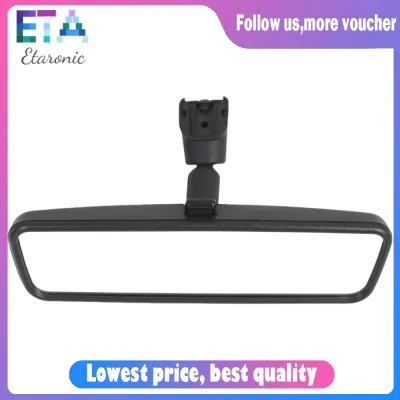
![[Limited Quantity] Left Right Side Mirror Glass Blue Rearview Exterior Wide For Bmw X1 E84 F48 F20 F21 F40 F22 F23 F30 F31 F34 F10 F07 I3](https://img.lazcdn.com/g/p/5e9cfb85236cb0c3b17d0cdc20460be9.jpg_webp_400x400q80.jpg_.webp)
Prices are valid at publication and may change. Please refer to the product page for the latest price.
You must also account for mid-cycle vehicle updates, commonly referred to as facelifts. Car manufacturers frequently refresh a model’s exterior styling, mirror shapes, and electrical systems halfway through its production run. For example, a model registered in 2026 might feature different mirror housings or wiring configurations compared to an earlier version of the same generation. Checking your vehicle’s exact production month and batch, rather than just the registration year, helps you avoid purchasing a part designed for a pre-facelift or post-facelift variant.
Match Mirror Features and Functionalities
Modern exterior mirrors are highly complex components that house a variety of electronic systems. Before purchasing a replacement, you must identify every feature integrated into your current mirror. Compare basic functions, such as manual adjustment or power-folding capabilities, with advanced features like heated glass, auto-dimming layers, integrated turn signals, blind-spot monitoring indicators, and surround-view cameras. Installing a mirror that lacks these features will disable important safety systems, while installing one with extra features your car is not wired for can lead to electrical malfunctions.

To prevent electrical mismatches, you must verify the wiring harness connector shape and the exact pin count. Even if two mirrors look identical from the outside, their internal wiring plugs can differ significantly. A basic power-adjusting mirror might only require a 3-pin or 5-pin connector, whereas a mirror equipped with memory settings, heating elements, and blind-spot sensors might use a 9-pin, 16-pin, or 24-pin plug. Unplugging your damaged mirror and counting the physical pins inside the connector is a vital step before placing an order.
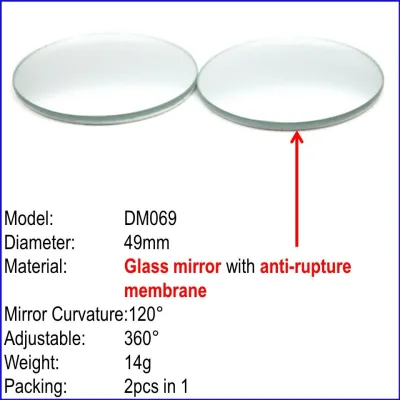
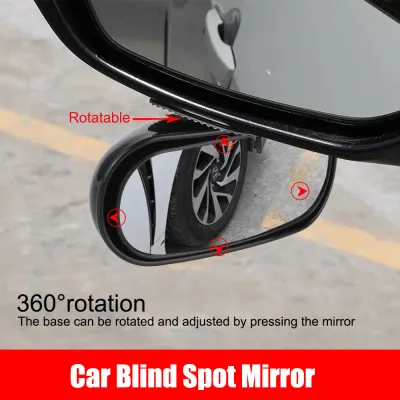
The type of glass used in the mirror assembly also requires careful verification. Exterior mirrors typically use flat, convex, or aspheric glass depending on the side of the vehicle and regional safety regulations. Convex and aspheric glass provide a wider field of view to minimize blind spots, which is particularly useful when navigating tight urban roads or multi-lane expressways. Additionally, confirm whether your mirror glass features integrated heating elements, which are essential for clearing condensation and maintaining clear visibility during heavy rainstorms.
Evaluate OEM, Aftermarket, and Used Options
When deciding where to purchase your replacement mirror, genuine OEM parts offer the highest level of assurance. These components are produced by your vehicle’s original manufacturer, guaranteeing a precise physical fit, matching paint finish, and seamless integration with your car’s electronic control modules. While OEM parts generally carry a higher price tag, they eliminate the risk of compatibility issues and ensure that your vehicle’s safety systems continue to operate exactly as intended.
Aftermarket alternatives present a more cost-effective option, but they require strict quality verification. If you choose an aftermarket mirror, ensure it is sourced from a reputable manufacturer that uses durable, UV-stabilized plastics capable of withstanding intense sunlight and heat without warping. You must also confirm that the mounting points and electrical connectors are designed to match factory specifications exactly, as lower-grade aftermarket options may suffer from excessive glass vibration or poor electrical connectivity.
Used or salvaged mirror assemblies from specialized auto recyclers can be an excellent middle ground, particularly for older vehicles. This option allows you to obtain an authentic OEM part, often already painted in your car’s factory color, at a fraction of the cost of a new unit. However, you must thoroughly inspect the donor vehicle’s trim level and test the internal motors, heating elements, and glass adjustment mechanisms before finalizing the purchase to ensure they are fully functional.
Be cautious when browsing online marketplaces or generic ecommerce platforms. Many listings use broad, generic compatibility titles that may not account for regional model variations. Always message the seller directly to confirm fitment using your VIN, and review their return policy to ensure you can return the part if it does not match your vehicle’s physical or electrical configuration.
Verify Fitment and Safety Before Installation
Before attempting to install the new mirror assembly, perform a physical dry fit. Hold the new mirror against the door panel to verify that the mounting base aligns perfectly with the factory bolt holes and matches the contours of the door sheet metal. Never force a mirror into place or attempt to drill new holes, as this can damage the door structure, compromise the weather seal, and lead to water leaks inside the cabin.
Evaluate the impact of the replacement on your vehicle’s Advanced Driver Assistance Systems (ADAS). If your mirror houses a blind-spot monitoring sensor or a 360-degree camera, simply plugging in the new unit may not be enough. These systems rely on precise positioning to function safely; even a minor misalignment can cause inaccurate sensor readings or blind spots in your camera feed.
Recognize the safety boundaries of DIY installation. While replacing a basic manual mirror is a straightforward mechanical task, working with complex electrical systems, side-impact airbag sensors located in the door, or ADAS components requires specialized knowledge. If your replacement involves camera calibration, module programming, or intricate wiring splices, stop and consult a qualified automotive technician to ensure the vehicle remains road-legal and safe to operate.
Frequently Asked Questions (FAQ)
Can I upgrade my manual exterior mirrors to power-folding ones?
Upgrading from manual to power-folding mirrors is rarely a simple plug-and-play process. To achieve this, you will typically need to install new door wiring harnesses, replace the interior door switch panel, and install the power-folding mirror assemblies themselves. Furthermore, many modern vehicles route these functions through a door control module or the main body control module, which may require professional reprogramming or complete replacement to recognize the new folding motors. It is highly recommended to consult a professional automotive electrician to verify if your vehicle’s electrical architecture can support this upgrade before purchasing any parts.
Do I need to replace the entire mirror assembly or just the glass?
If the plastic outer housing, mounting base, and internal adjustment motors are completely undamaged, you can save significant time and money by replacing only the mirror glass. Replacement glass is widely available and can often be snapped into place on the existing motor mount. However, if your mirror features integrated heating elements, auto-dimming layers, or blind-spot warning icons, you must ensure the replacement glass includes the correct electrical connectors on the back. If the housing is cracked, the internal gears are stripped, or the mounting bracket is broken, you must replace the entire mirror assembly to maintain structural integrity and safety.
Will an aftermarket mirror trigger a dashboard warning light?
Yes, installing an incompatible or low-quality aftermarket mirror can trigger warning lights on your dashboard, particularly if your vehicle is equipped with advanced safety systems. Modern cars monitor the electrical resistance of components like blind-spot sensors, ambient temperature sensors (often housed in the passenger-side mirror), and heating elements. If an aftermarket mirror lacks the correct internal resistance, or if its integrated camera is not properly calibrated, the vehicle’s diagnostic system will detect a fault and illuminate a warning light. To prevent this, always verify that the aftermarket part is certified to match your vehicle’s electronic specifications, and check the manufacturer’s documentation regarding system compatibility.
Community discussion
Share your experience or ask a question. Comments are reviewed before publication.