
Choosing the right ducktail spoiler for your vehicle requires a precise understanding of your car’s specific body lines, mounting surface geometry, and intended driving conditions. Unlike universal accessories, a ducktail spoiler must match your vehicle’s exact make, model, and year to ensure both aesthetic cohesion and safe, secure fitment. Selecting the wrong profile can lead to unsightly gaps, paint damage, or even detachment at highway speeds.
Unlike a raised wing spoiler that sits high on pedestals to catch clean airflow, a ducktail spoiler is a low-profile, integrated upward sweep positioned directly on the trailing edge of the trunk or hatch. It acts as an extension of the vehicle’s natural body lines, offering a more integrated and sophisticated appearance. Because it sits flush against the bodywork, its design must conform perfectly to the underlying sheet metal.
Modern vehicles feature highly complex, three-dimensional trunk lids with subtle curves, integrated third brake lights, and sharp character lines. A universal spoiler with a flat or generic mounting base cannot conform to these unique contours. Attempting to force a generic spoiler onto a curved surface creates structural tension, compromises adhesive contact, and leads to water ingress or eventual detachment at speed.
Products mentioned in this guide
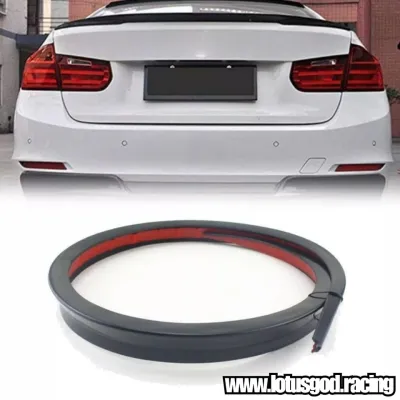
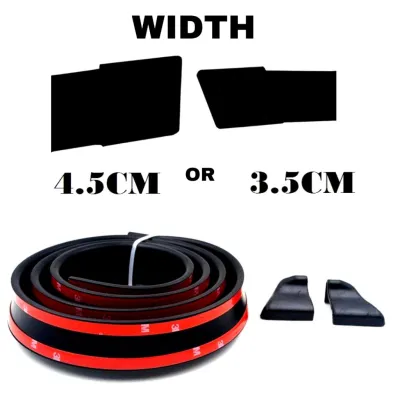
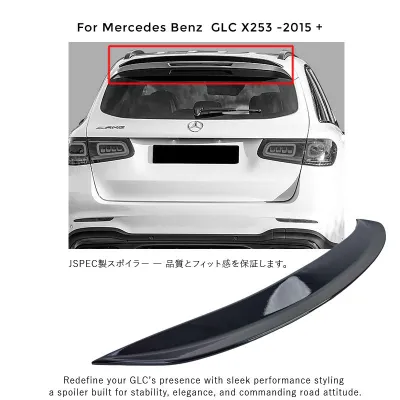
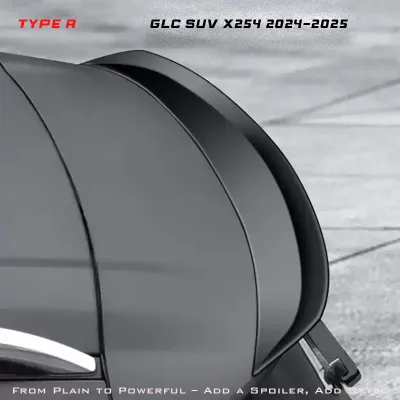
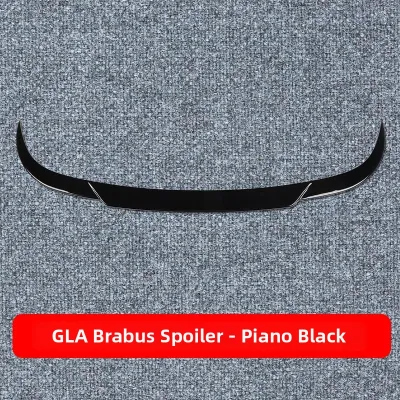
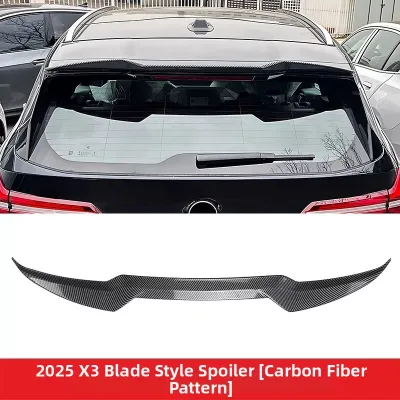
Prices are valid at publication and may change. Please refer to the product page for the latest price.
It is critical to verify the precise make, model, generation, and facelift year of your vehicle before purchasing. Even a minor mid-cycle facelift can introduce revised trunk lines, altered hinge clearances, or repositioned backup cameras. A spoiler designed for a pre-facelift model will often fail to seat correctly on a post-facelift variant. Always cross-reference the manufacturer’s exact application list and product documentation to verify compatibility.
Matching the Spoiler to Your Driving Scenario
Selecting the right ducktail spoiler requires balancing your aesthetic goals with your practical driving needs. The optimal material, size, and mounting method depend heavily on whether your vehicle is a daily commuter or a track-focused machine.
Daily Street Driving and OEM+ Aesthetics
For daily commuters, a subtle OEM+ (Original Equipment Manufacturer plus) aesthetic is often the most practical choice. These low-profile lip extensions enhance the vehicle’s rear lines without drawing excessive attention or disrupting the car’s balanced factory look. They provide a refined, sporty appearance that blends seamlessly with the original design.
In this scenario, materials like Acrylonitrile Butadiene Styrene (ABS) plastic or polyurethane (PU) are highly recommended. These plastics are lightweight, inherently flexible, and exceptionally durable. They can flex slightly under minor impacts—such as a tight parking garage encounter or the mechanical rollers of an automated car wash—without cracking or shattering.
Adhesive mounting is the ideal installation method for daily street vehicles. Using high-quality, automotive-grade double-sided tape preserves the vehicle’s original bodywork. This non-destructive method eliminates the risk of rust associated with drilling and ensures you can return the car to its stock condition, protecting its resale value in Singapore’s dynamic car market.
Track Days and High-Speed Stability
If you regularly participate in track days or require functional aerodynamic enhancements for high-speed stability, your selection criteria must shift. At high speeds, the rear of a vehicle experiences lift, which can compromise traction and cornering stability. A functional ducktail spoiler manages this by altering the airflow separation point at the rear deck, reducing lift and increasing rear-end downforce.
For these demanding conditions, stiffer and lighter materials such as carbon fiber or fiberglass-reinforced plastic (FRP) are preferred. These materials maintain their structural shape and aerodynamic profile under high wind loads, preventing the flexing that can degrade aerodynamic performance. Carbon fiber also offers an aggressive, motorsport-inspired aesthetic.
To handle the significant downforce generated at high track speeds, a secure mechanical bolt-on mounting system is necessary. Adhesive tape alone is typically insufficient to withstand sustained aerodynamic loads over 100 km/h on a race circuit. Mechanical fasteners ensure the spoiler remains rigidly anchored to the trunk lid, though this requires permanent modifications to the vehicle’s bodywork.
Navigating Fitment Across Different Body Styles
The physical silhouette of your vehicle determines how a ducktail spoiler must be designed, mounted, and aligned. Sedans and hatchbacks present vastly different structural and geometric challenges that dictate your choice.

Sedans and Coupes
Sedans and coupes feature a distinct, horizontal trunk lid that provides a clear mounting platform. When selecting a spoiler for these body styles, the accessory must follow the precise curvature of the rear decklid. It is vital to verify that the spoiler does not interfere with the trunk’s opening mechanism, hinge clearances, or the surrounding quarter panels when the trunk is fully raised.
You must also check for integrated factory features. Many modern sedans house the third brake light, keyless entry sensors, trunk release buttons, or rearview cameras near or on the trailing edge of the trunk. The chosen ducktail spoiler must feature precise cutouts or recessions to accommodate these components without obstructing their function or blocking the camera’s field of view.
Aesthetically, sedans benefit most from a continuous, edge-to-edge lip that spans the entire width of the trunk. This design creates a cohesive, integrated look that visually widens the rear track of the car, making it appear lower and more planted.
Hatchbacks and Fastbacks
Hatchbacks and fastbacks present a unique challenge because the rear glass and trunk lid open as a single, heavy unit. Adding a heavy spoiler to the trailing edge of a hatch increases the structural load on the factory gas struts. Over time, this extra weight can cause the struts to fail, preventing the hatch from staying open. If you choose a heavier fiberglass or carbon fiber spoiler, you may need to upgrade to heavy-duty gas struts.
Furthermore, you must ensure the spoiler’s placement does not obstruct critical functional elements. The sweep of the rear windshield wiper, the high-mount stop lamp, and your rearward visibility through the glass must remain completely unimpeded. A poorly designed hatchback spoiler can create blind spots or physically block the wiper blade’s path.
From a design perspective, the transition from the sloping roofline to the steep hatch edge is critical. A fastback profile requires a ducktail that complements the continuous slope, smoothing the airflow as it leaves the roof. Ensure the spoiler’s angle aligns with the vehicle’s natural aerodynamic flow to avoid creating unwanted drag.
Mounting Methods and Installation Safety
Choosing how to attach your ducktail spoiler is a critical decision that affects both vehicle safety and structural integrity. The two primary methods are automotive-grade double-sided adhesive tape and mechanical drilling with bolts.
Automotive-grade double-sided tape, such as 3M VHB, is the most popular choice for lightweight plastic spoilers. The primary advantage is that it requires no drilling, preserving the factory paint and metal work, which completely eliminates the risk of rust. It is also fully reversible. However, adhesive tape relies entirely on surface contact and chemical bonding; if installed incorrectly, it can fail under extreme heat, heavy rain, or high speeds.
Mechanical drilling and bolting provide a permanent, incredibly strong connection. This method is mandatory for heavy or highly aggressive spoilers designed to generate significant downforce. The downside is that drilling permanently alters the vehicle, voids paint warranties in the affected areas, and introduces a high risk of rust if the bare metal edges of the drilled holes are not properly sealed and rust-proofed.
If you opt for adhesive mounting, meticulous surface preparation is non-negotiable. Begin by washing the trunk lid thoroughly to remove dirt and grime. Next, use a dedicated, paint-safe prep solvent or isopropyl alcohol to degrease the mounting area, removing all traces of wax, polish, or ceramic coatings. Always check the adhesive manufacturer’s label for specific temperature and curing requirements; most automotive adhesives require warm, dry conditions to cure fully and achieve maximum bond strength.
Strict safety boundaries must be maintained during any installation. If you choose a bolt-on method, never drill blindly into the trunk lid. You must consult your vehicle’s original service manual to identify the location of internal structural reinforcements, hidden wiring harnesses (such as those feeding the license plate lights or backup camera), and areas near airbag sensors or trunk release actuators.
Because of these risks, we highly recommend seeking professional installation at a qualified automotive workshop for any bolt-on setup, complex wiring routing, or if you are unsure about internal clearances. A professional technician can ensure the drilled holes are properly treated with zinc-rich primer or rust-inhibiting paint, preventing long-term corrosion.
Singapore Road Legality and Compliance Checks
In Singapore, vehicle modifications are strictly regulated by the Land Transport Authority (LTA). Before purchasing or installing a ducktail spoiler, you must ensure that the modification complies with local guidelines to avoid costly fines, insurance complications, or failure during your periodic vehicle inspections at authorized centers like VICOM or STA.
According to LTA guidelines, aftermarket body kits, including spoilers, are generally permitted without prior approval, provided they meet specific safety criteria. First, the spoiler must be securely attached to the vehicle to prevent it from detaching while driving. Second, the spoiler must not feature any sharp edges, pointed protrusions, or aggressive angles that could pose a safety hazard to pedestrians or other road users in the event of a collision.
Additionally, the physical dimensions of the spoiler are strictly limited. The ducktail must not extend beyond the lateral width of the vehicle’s bodywork (excluding the side mirrors). It must also not obstruct the driver’s rearward field of view, block the high-mount stop lamp, or obscure the rear license plate and its illumination system.
To guarantee compliance, always verify the product specifications with your installation workshop. Choose reputable brands that design model-specific spoilers known to comply with local regulations. Checking the official LTA vehicle modification guidelines before finalizing your purchase is the best way to ensure your car remains completely road-legal.
Frequently Asked Questions (FAQ)
Will a ducktail spoiler improve my car's fuel efficiency?
While a scientifically designed ducktail spoiler can reduce aerodynamic drag by smoothing the airflow separation at the rear of the vehicle, any real-world fuel efficiency gains at standard Singapore highway speeds (80 to 90 km/h) are generally negligible. The primary benefits of a ducktail spoiler remain aesthetic enhancement and high-speed stability rather than measurable fuel savings. Do not purchase a spoiler expecting a noticeable reduction in your fuel bills.
How do I safely remove an adhesive-mounted ducktail spoiler?
To safely remove an adhesive-mounted spoiler without damaging your vehicle’s clear coat or paint, start by warming the adhesive tape using a household hair dryer on a low-to-medium heat setting to soften the bond. Next, slide a length of high-strength nylon fishing line or a flexible plastic trim removal tool underneath the spoiler’s edge. Gently saw back and forth through the softened foam tape to separate the spoiler from the trunk. Once removed, apply an automotive-grade adhesive remover that is explicitly labeled safe for clear coats, let it sit according to the product’s instructions, and wipe away the remaining residue with a clean, soft microfiber cloth. Avoid using metal scrapers, razor blades, or excessive heat, as these will permanently scratch or burn your paint.
Community discussion
Share your experience or ask a question. Comments are reviewed before publication.