
Choosing the right clear plastic cleaner for your car’s interior is essential to maintaining the clarity and longevity of your cabin’s digital displays, instrument clusters, and clear trim pieces. Unlike standard automotive glass, the transparent surfaces inside modern vehicles are made from highly sensitive polymers that react poorly to aggressive chemical agents. Using an incompatible product can lead to permanent clouding, micro-cracking, or the destruction of expensive anti-glare coatings. By identifying your specific surface materials, decoding product labels, and applying safe cleaning techniques, you can keep your car’s clear surfaces pristine without risking costly damage.
Identify the Exact Material of Your Car's Clear Surfaces
Before applying any cleaning solution, you must determine the exact composition of the transparent surface you want to clean. Car interiors no longer rely on simple glass panels; instead, manufacturers utilize a variety of specialized plastics to reduce weight and improve passenger safety. The most common materials include acrylic, polycarbonate, and coated glass or plastic composites used for digital interfaces.
Instrument cluster covers are almost exclusively made of acrylic or polycarbonate. Acrylic is highly transparent but exceptionally prone to scratching, while polycarbonate is impact-resistant but highly vulnerable to chemical degradation. If your vehicle features a head-up display (HUD) or a plastic-covered clock, these components typically use similar sensitive polymers that require dedicated care.
Products mentioned in this guide
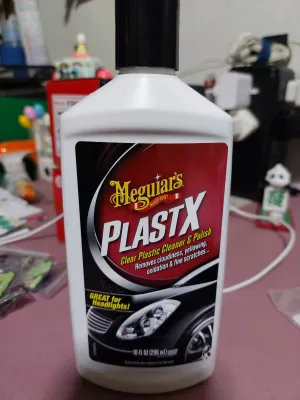
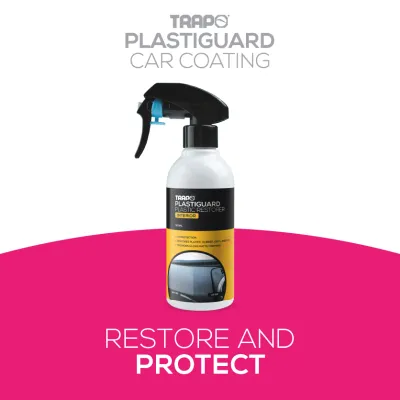
Prices are valid at publication and may change. Please refer to the product page for the latest price.
Modern infotainment screens and touchscreens present an entirely different challenge. These surfaces are often constructed from thin glass or rigid plastics treated with specialized factory coatings. These treatments include anti-reflective layers to improve visibility in direct sunlight and oleophobic coatings designed to minimize fingerprint smudges. Standard cleaners can easily strip these microscopic layers, leaving behind patchy, uneven spots that ruin the display’s appearance.
To verify what materials are present in your specific vehicle model, consult your vehicle owner’s manual. Manufacturers frequently list care instructions and material warnings for the dashboard and center console assemblies. Look for visual and tactile cues as well; a screen that has a matte, non-reflective finish or a soft-touch feel is highly likely to have a sensitive anti-glare coating that demands specialized, ultra-gentle maintenance.
Decode Cleaner Labels to Avoid Damaging Ingredients
Selecting a clear plastic cleaner requires a careful reading of the ingredient list and manufacturer claims. Many generic interior cleaners are marketed as multi-surface solutions, but these broad formulations can contain chemical agents that are far too aggressive for clear polymers. Understanding which ingredients to avoid is your primary defense against chemical damage.

Avoid any product containing ammonia, high-concentration isopropyl alcohol, or abrasive compounds. Ammonia is a common ingredient in household glass cleaners, but it chemically attacks polycarbonate and acrylic. This exposure leads to a process called crazing, which manifests as a network of microscopic cracks beneath the surface, permanently ruining the plastic’s structural integrity and optical clarity. High-concentration alcohol can dissolve protective coatings and dry out plastics, leading to premature yellowing and brittleness.
Instead, look for products that explicitly state they are safe for polycarbonate, acrylic, and electronic screens. A dedicated clear plastic cleaner is formulated with mild surfactants that lift dust, oils, and fingerprints without dissolving the plastic substrate or stripping factory coatings. These formulations are designed to dry cleanly without leaving a hazy residue behind.
Never assume that a standard automotive glass cleaner is safe for clear plastics. Glass cleaners are engineered for mineral glass, which is chemically inert compared to polymers. The solvents that allow a glass cleaner to evaporate quickly on a windshield can easily etch, dull, or discolor a plastic instrument cluster within seconds of contact.
Match the Cleaner Formulation to Your Specific Surface
Once you have identified your vehicle’s materials and learned to read product labels, you can establish a safe pairing framework. Matching the correct formulation to each specific surface ensures effective cleaning without compromising material integrity.
For instrument clusters, HUD lenses, and plastic gauge covers, always select ammonia-free, non-alcohol formulas. These surfaces are highly susceptible to micro-cracking and scratching. A dedicated clear plastic cleaner designed for optical polymers will safely lift dust and light oils while leaving a microscopic protective barrier that helps repel future dust accumulation.
For infotainment displays and touchscreens, restrict your choices to specialized, gentle screen cleaners. These products are specifically engineered to protect delicate anti-reflective and oleophobic coatings. They contain no harsh solvents and rely on mild, diluted surfactants to break down finger oils. If the manufacturer of your vehicle specifies a particular cleaning protocol in the owner’s manual, always prioritize those instructions over general product labels.
Standard automotive glass cleaners must be restricted strictly to confirmed mineral glass surfaces, such as the interior side of the windshield, side windows, and rear glass. When cleaning these glass surfaces, be highly mindful of overspray. Drifting mist from a glass cleaner can easily land on adjacent plastic trim or the instrument cluster, causing localized spotting or chemical etching. To prevent this, spray the cleaner directly onto your cloth rather than onto the glass itself.
Verify Compatibility and Apply the Cleaner Safely
Even when using a product labeled as a clear plastic cleaner, verifying compatibility through a controlled test is a critical safety step. Chemical formulations and plastic compositions vary, and a quick check can prevent widespread, irreversible damage to your car’s interior.
Always conduct a spot test in an inconspicuous area before proceeding with a full application. Apply a tiny droplet of the cleaner to a bottom corner of the plastic surface or screen. Allow the product to sit for the recommended duration, wipe it away gently, and inspect the area under direct light. Check closely for any signs of hazing, discoloration, or coating degradation. If you observe any negative reaction, or if you remain uncertain about the base material of the surface, stop immediately and consult a qualified professional detailing service.
When applying the cleaner, your choice of tool is just as important as the chemical formula. Soft plastics scratch under very light pressure. Avoid paper towels, tissues, or coarse cloths, as their wood-fiber composition can act as a mild abrasive and leave permanent micro-scratches across your clear plastics. Instead, use only clean, high-quality microfiber towels with a high GSM (grams per square meter) rating, which are designed to trap dust particles within their fibers rather than dragging them across the surface.
To protect sensitive cabin electronics, never spray any liquid cleaner directly onto the dashboard, instrument cluster, or touchscreen. Liquid can easily seep behind the plastic bezels and cause electrical short circuits or corrosion in the control modules. Instead, spray a light mist of the clear plastic cleaner directly onto your microfiber towel, gently wipe the surface using minimal pressure, and use a second dry microfiber towel to buff away any remaining moisture.
Frequently Asked Questions (FAQ)
Can I use regular household glass cleaner on my car's interior plastics?
No, you should not use regular household glass cleaners on your car’s interior plastics. Most household glass cleaners contain ammonia or strong alcohol solvents designed to cut through heavy grease on mineral glass. When applied to polycarbonate or acrylic interior plastics, these chemicals cause chemical stress cracking, permanent clouding, and structural weakening. Always check product labels for explicit plastic-safe certifications before allowing any cleaner to touch your vehicle’s clear plastic surfaces.
How do I remove existing haze or streaks from a plastic instrument cluster?
To address existing haze or streaks, you must first determine if the issue is surface residue or physical damage. If the haze is caused by leftover product buildup or oils, it can usually be safely removed by wiping the area gently with a clean microfiber towel dampened with a dedicated, non-abrasive clear plastic cleaner. However, if the cloudiness is the result of chemical etching, scratching, or crazing from incompatible cleaners, the damage is structural. Do not attempt to use abrasive household polishing compounds, as they can worsen the damage; instead, consult a professional automotive detailer to evaluate whether the plastic can be polished or if the component requires replacement.
Community discussion
Share your experience or ask a question. Comments are reviewed before publication.