
Selecting the right chain cleaner for your motorcycle maintenance toolkit is a decision that directly impacts the lifespan of your drivetrain, the safety of your ride, and the efficiency of your garage routine. A high-quality chain cleaner must effectively dissolve stubborn road grime, flung chain lube, and abrasive grit without compromising the delicate rubber seals found in modern motorcycle chains. By matching the chemical properties of the cleaner to your specific chain type and workspace setup, you can establish a reliable maintenance routine that keeps your motorcycle running smoothly and prevents premature wear on your sprockets.
To build an effective toolkit, you must look beyond generic degreasers and understand how different formulations interact with your motorcycle’s components. The ideal product is one that balances aggressive cleaning action with material safety, ensuring that overspray does not damage nearby painted fairings, plastic guards, or braking surfaces. Whether you ride a commuter scooter, a high-performance sportbike, or an adventure motorcycle, integrating the correct cleaning agent into your toolkit is the first step toward professional-grade drivetrain care.
Understand Your Motorcycle Chain Type
Before purchasing any cleaning product, you must identify the specific construction of your motorcycle’s drive chain. Motorcycle chains generally fall into two main categories: standard non-sealed chains and sealed chains, which include O-ring, X-ring, and Z-ring designs. Standard chains consist of simple metal-on-metal links without any internal lubrication barriers, making them highly tolerant of aggressive solvents but requiring more frequent manual lubrication. Sealed chains, on the other hand, feature tiny rubber rings sandwiched between the inner and outer link plates to lock in factory-applied grease and keep dirt out.
Products mentioned in this guide
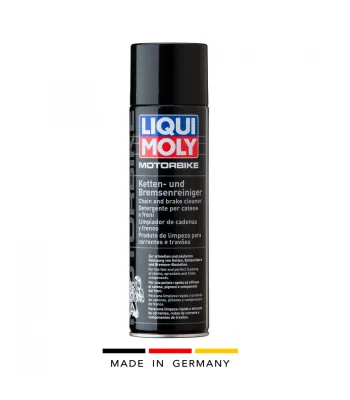
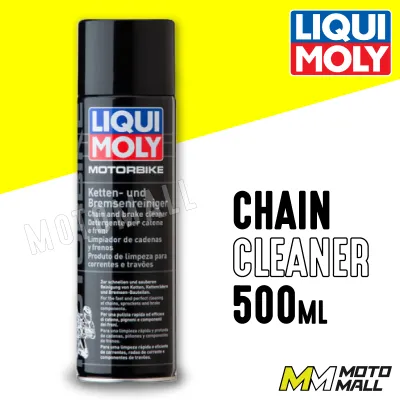
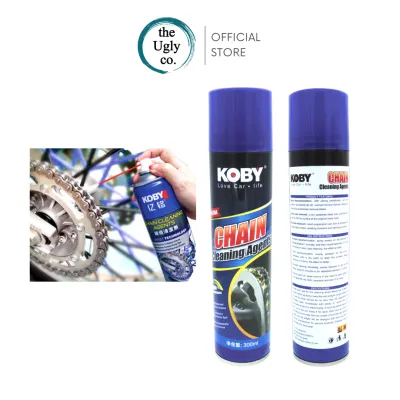
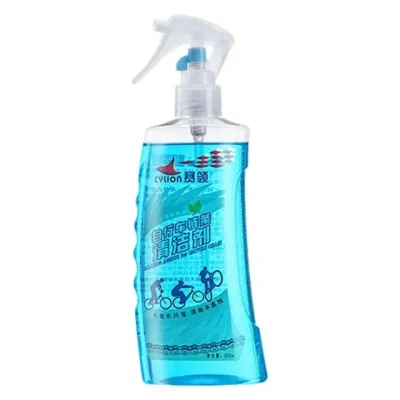
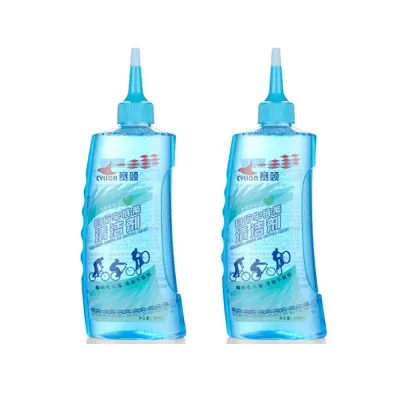
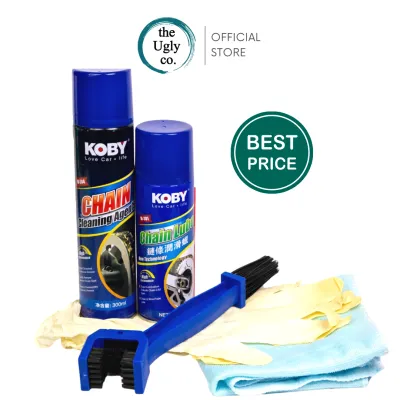
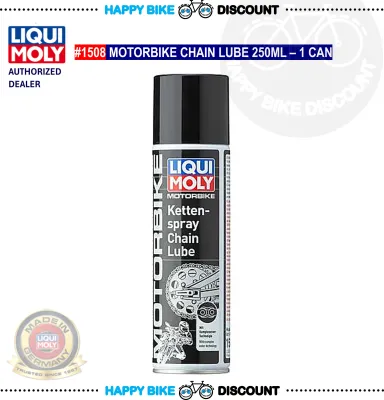
Prices are valid at publication and may change. Please refer to the product page for the latest price.
The presence of these rubber seals completely changes your cleaning requirements. Harsh, unapproved solvents—such as chlorinated degreasers, industrial acetone, or heavy-duty paint thinners—can quickly penetrate the rubber compound of O-rings, X-rings, or Z-rings. When these incompatible chemicals contact the seals, they cause the rubber to swell, crack, or degrade. Once a seal fails, the factory grease escapes, dirt enters the internal pin-and-bushing area, and the chain will rapidly develop tight spots, stretch unevenly, and eventually fail, posing a severe safety hazard.
To determine which chain type is installed on your motorcycle, start by performing a close visual inspection of the links. Look closely at the gaps between the inner and outer plates; on a sealed chain, you will see the tiny, dark rubber rings nestled between the metal plates. If the chain is heavily coated in grime, making visual identification difficult, consult your motorcycle owner’s manual or the technical specifications provided by the chain manufacturer. If you are still uncertain, always default to using a cleaner explicitly labeled as safe for sealed, O-ring, and X-ring chains to prevent accidental and irreversible damage.
Key Factors for Evaluating Chain Cleaners
When evaluating potential chain cleaners for your toolkit, cleaning efficacy is the primary performance metric to consider. A motorcycle chain accumulates a stubborn mixture of old, tacky chain lubricant, road dust, fine sand, and sometimes asphalt tar. The cleaner must possess sufficient chemical strength to break down these heavy, baked-on deposits quickly, allowing them to be brushed or wiped away without requiring excessive physical scrubbing that could damage the chain components.

The application format also plays a significant role in your maintenance workflow and workspace cleanliness. Aerosol sprays are popular because the pressurized delivery helps blast away loose dirt while forcing the solvent deep into the chain links. Pump-spray liquids offer a controlled application with less airborne mist, making them suitable for indoor garages or shared parking spaces. Foaming gels cling to the vertical surfaces of the chain links, allowing the active ingredients more dwell time to dissolve tough grime before you wipe or rinse the chain.
Another factor is the removal method. Some formulations are water-soluble, meaning you can spray them on, agitate the grime with a brush, and rinse the residue away with water. While convenient, this method requires a suitable washing area and careful management of runoff. Other formulas are designed as wipe-off or evaporating cleaners, which dissolve the grime and dry quickly or can be wiped clean with a microfiber cloth, making them ideal for riders who perform maintenance in tight spaces or apartments without hose access.
Finally, verify the surface safety of the cleaner regarding adjacent motorcycle components. During application, overspray is common, meaning the cleaner may contact your rear wheel rim, painted swingarm, plastic chain guard, or rear brake rotor. A high-quality chain cleaner should be non-corrosive and safe for painted surfaces, anodized aluminum, and common plastics. However, regardless of product claims, always take precautions to shield your rear tire and brake components from overspray, as any residue on the braking surface can severely compromise stopping power.
Types of Chain Cleaners to Consider
Chain cleaners are generally grouped into three chemical categories, each offering distinct advantages and trade-offs depending on your cleaning environment. Solvent-based cleaners are the traditional choice for heavy-duty degreasing. These products utilize petroleum-based solvents or specialized hydrocarbons to rapidly dissolve stubborn, waterproof chain waxes and heavy greases. While effective for neglected chains, you must verify that the specific solvent formulation is safe for rubber seals, and always use them in well-ventilated areas due to strong fumes and flammability risks.
Water-based and biodegradable chain cleaners represent an environmentally conscious alternative. These formulas often utilize citrus-based d-limonene or advanced water-soluble surfactants to break down grease and dirt. They are generally milder, have low odor, and are safer to use in enclosed residential garages or shared driveways. While they may require slightly more physical agitation with a brush compared to solvent-based options, they are highly effective for routine maintenance and simplify cleanup since they can be rinsed away with water.
Multi-purpose cleaner-lubricants, often marketed as all-in-one maintenance sprays, offer a convenient single-step solution for quick touch-ups. These products clean light dirt while leaving behind a thin protective film of lubricant. However, for a dedicated motorcycle maintenance toolkit, relying solely on a multi-purpose spray involves significant trade-offs. These products generally lack the deep-penetrating power required to dissolve heavy, baked-on road grime, and the lubricating film they leave behind can trap existing grit if the chain is not thoroughly cleaned first. For optimal chain longevity, a dedicated two-step process—using a specialized cleaner followed by a high-quality chain lubricant—is recommended.
Building Your Chain Maintenance Shortlist
To finalize your motorcycle maintenance toolkit, create a practical checklist to ensure you select compatible products and gather all necessary accessories. When shopping for a chain cleaner, read the product label carefully to find explicit declarations such as “O-ring safe,” “X-ring compatible,” or “suitable for all sealed chains.” Avoid products that only carry generic degreaser labels without specifying motorcycle or drive chain compatibility. Additionally, note any safety warnings regarding flammability, skin irritation, or volatile organic compound (VOC) regulations applicable to your area.
An effective chain cleaning setup requires several companion tools alongside the cleaning chemical itself. A three-sided chain cleaning brush is an invaluable addition to your toolkit, as its bristles are designed to clean three sides of the chain link simultaneously, reducing cleaning time. You will also need a box of heavy-duty nitrile gloves to protect your hands from chemicals and grease, a stack of clean microfiber rags or shop towels for wiping down the chain, and a shallow plastic runoff catch pan to place under the swingarm to catch dirty drippings.
Proper planning for chemical storage and waste disposal is essential for a safe workshop. Store your aerosol cans and liquid cleaners in a cool, dry place away from direct sunlight, open flames, or ignition sources like water heaters. Because the runoff from cleaning a motorcycle chain contains a mixture of chemical solvents, heavy metals, and old lubricants, it must never be washed down storm drains or poured onto the ground. Collect the dirty runoff in your catch pan, transfer it to a sealed container, and dispose of it along with your saturated cleaning rags at a local hazardous waste collection facility or recycling center in accordance with environmental regulations.
Frequently Asked Questions (FAQ)
Can I use kerosene or diesel to clean my motorcycle chain?
There is a long-standing debate in the motorcycling community regarding the use of kerosene or diesel as low-cost, improvised chain cleaners. Kerosene is a relatively mild hydrocarbon solvent that is generally considered safe for the rubber seals of O-ring and X-ring chains when used carefully, and many older motorcycle owner’s manuals recommended it for chain cleaning. It is highly effective at dissolving heavy grease and is relatively inexpensive compared to specialized aerosol cleaners.
However, using diesel, gasoline, or industrial parts-washer solvents carries significant risks. Gasoline is highly volatile, extremely flammable, and can rapidly destroy rubber seals while stripping away the essential factory grease sealed inside the chain links. Diesel is less volatile than gasoline but leaves behind an oily residue that can attract road grit and is difficult to clean off. Because modern chain designs and rubber compounds vary, always check your specific chain manufacturer’s official care instructions before applying any unbranded solvent to ensure you do not void your warranty or compromise chain safety.
How often should I clean and lubricate my motorcycle chain?
Determining how often to clean and lubricate your motorcycle chain depends heavily on your riding environment, weather conditions, and mileage. Under normal, dry road riding conditions, a general baseline interval is to inspect, clean, and lubricate your drive chain approximately every 500 to 800 kilometers. This regular interval ensures that the external rollers remain coated with a protective barrier, reducing friction and preventing rust from forming on the metal plates.
Harsh riding conditions require immediate maintenance, regardless of your odometer reading. If you ride through heavy rain, wet roads, mud, sand, or on roads treated with winter salts, you should clean and re-lubricate your chain as soon as possible after your ride. Water can wash away external lubricants, while sand and salt act as highly abrasive grinding pastes that rapidly wear down sprockets and damage rubber seals.
To keep your drivetrain in top condition, learn to recognize the visual and auditory cues that indicate your chain is overdue for maintenance. A dry, dull metal appearance on the rollers, visible rust spots, or a squeaking sound while pushing the motorcycle are clear signs that the lubricant has depleted. Additionally, if you notice stiff chain links that do not straighten out as they pass over the sprockets, or if there is a heavy buildup of black, gritty paste on the links, it is time to pull out your toolkit for a thorough cleaning and re-lubrication session.
Community discussion
Share your experience or ask a question. Comments are reviewed before publication.