
Choosing the right car wipes depends entirely on the specific material of your vehicle’s seats. Leather seats feature a delicate, non-porous protective topcoat that requires pH-balanced, conditioning formulas to prevent drying, cracking, and fading under intense sunlight. Conversely, fabric upholstery consists of highly porous, woven synthetic or natural fibers that trap dirt deep within their weave, demanding surfactant-rich, stain-lifting formulas that dry quickly without leaving sticky residues. Using the wrong wipe can lead to permanent damage, such as stripped leather coatings or deeply set fabric stains.
To maintain your car’s interior value and appearance, you must treat leather and fabric as two completely different environments. While a single, all-purpose cleaning wipe might seem convenient, the chemical realities of automotive surfaces mean that specialized care is always the safest path. Understanding these differences allows you to read product labels effectively and select the exact formulation your cabin needs.
Understanding Why Leather and Fabric Require Different Wipes
Automotive leather and fabric upholstery represent two opposite ends of the material spectrum, each requiring a distinct chemical approach for safe cleaning. Modern car leather is rarely raw; instead, it is typically finished with a thin, protective polyurethane topcoat designed to resist abrasion, moisture, and UV rays. This topcoat makes the surface relatively non-porous compared to raw hide, meaning liquids sit on top rather than soaking in immediately. However, this protective layer is highly sensitive to harsh chemicals, which can strip away the plasticizers and leave the leather vulnerable to premature cracking, peeling, and discoloration.
Products mentioned in this guide
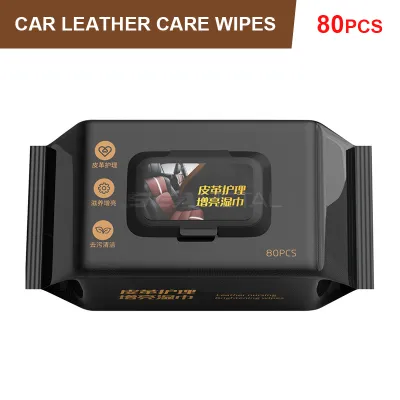
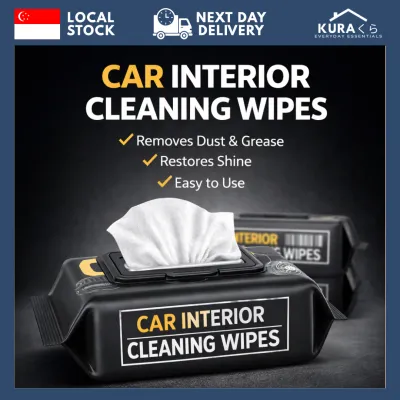
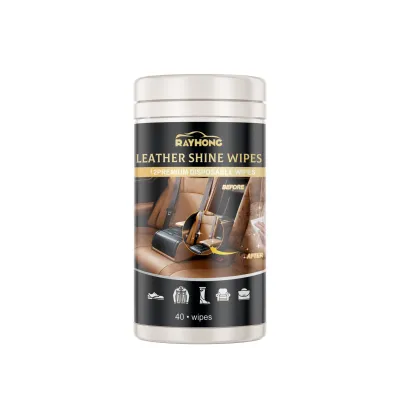
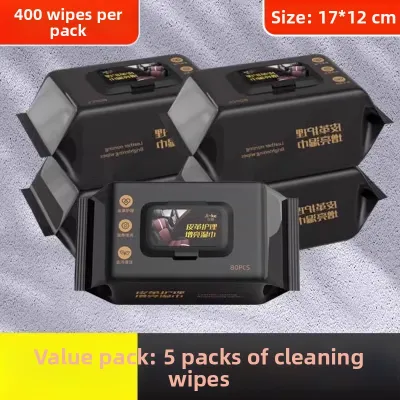
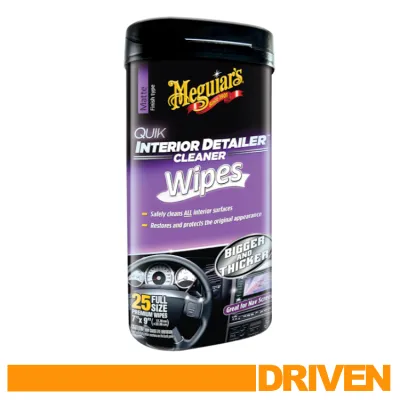
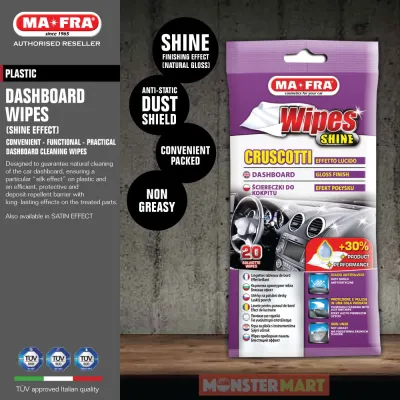
![[Rev⊽] Car Dashboard Wipes 35 sheets | For Effective Cleaning Of Car Dashboard Steering Wheel Gear Lever etc](https://img.lazcdn.com/g/p/20e1e4b0f9be964e39f19c0e0b0b029c.jpg_400x400q80.jpg_.webp)
Prices are valid at publication and may change. Please refer to the product page for the latest price.
Fabric upholstery, on the other hand, is highly porous and constructed from woven synthetic fibers like polyester, nylon, or occasionally natural cotton blends. These fibers act like a sponge, rapidly absorbing liquid spills, sweat, and airborne oils deep into the cushion beneath. Cleaning fabric requires a formula that can penetrate these fibers, break down the bond between the dirt and the thread, and lift the debris to the surface where it can be wiped away.
Cross-contamination poses a significant risk when using the wrong wipe on these surfaces. If you use a fabric-focused wipe on leather, the aggressive surfactants and high moisture levels can penetrate microscopic cracks in the leather’s topcoat, causing the underlying hide to swell, rot, or lose its structural integrity. Conversely, using a leather wipe on fabric can be disastrous. Leather wipes often contain heavy oils, waxes, or silicones designed to condition and shine. When applied to fabric, these conditioning agents leave a greasy, sticky residue that acts as a magnet for dust, dirt, and lint, making the seats look dirtier much faster than before.
The chemical makeup, particularly the pH balance, of these wipes is also fundamentally different. Leather is naturally slightly acidic, typically maintaining a pH between 4.5 and 5.5. Cleaning products designed for leather must respect this balance; highly alkaline cleaners can chemically alter the leather fibers, leading to stiffness and cracking. Fabric cleaners, however, are often formulated to be slightly alkaline to effectively break down acidic organic stains like coffee, food, or sweat. Applying an alkaline fabric wipe to a leather seat will gradually degrade the protective topcoat and dry out the hide.
What to Look for When Buying Car Wipes for Leather Seats
When shopping for leather car wipes, reading the ingredient label is your first line of defense against permanent seat damage. Look for products that explicitly state they use mild, pH-balanced, non-ionic surfactants. These cleaning agents are gentle enough to lift surface dust, body oils, and light grime without stripping the essential oils embedded in the leather or dissolving the protective polyurethane topcoat.

Equally important is knowing which ingredients to avoid. Steer clear of any wipes containing isopropyl alcohol, ammonia, acetone, or chlorine bleach. Alcohol and ammonia are highly effective degreasers, but they are far too aggressive for automotive leather; they will rapidly dissolve the protective topcoat, strip away the leather’s natural moisture, and cause the color dye to fade or run. Additionally, avoid wipes with strong synthetic fragrances, as the solvents used to carry these scents can sometimes react negatively with leather finishes.
High-quality leather wipes do more than just clean; they also help maintain the material’s suppleness. Look for labels that mention built-in conditioners, such as lanolin, beeswax, or specialized synthetic polymers. These ingredients help replenish the moisture lost to cabin heat and dry air. Furthermore, in regions with intense sunlight and high temperatures, such as Singapore, UV protectants are crucial. Look for wipes that offer UV inhibitors to shield the leather from solar radiation, which causes drying and cracking over time. If you prefer a factory-fresh look, ensure the label specifies a “matte” or “satin” finish, as some cheaper formulations contain heavy silicones that leave a highly reflective, slippery, and greasy residue.
Finally, consider the physical characteristics of the wipe itself. The wipe material should be a soft, non-abrasive microfiber or a high-quality non-woven fabric. Avoid rough, textured wipes that could micro-scratch the delicate leather surface. The moisture level of the wipe should be balanced; it should feel damp but not dripping wet. Excess liquid can seep into the seams, stitching holes, and perforations of ventilated seats, where it can pool, damage the heating or cooling elements, and cause the underlying foam cushion to mildew.
How to Select the Right Car Wipes for Fabric Upholstery
Fabric upholstery requires a completely different set of active ingredients to achieve a deep clean. When selecting wipes for fabric seats, look for formulations that feature advanced stain lifters and mild foaming agents. These surfactants are designed to surround dirt particles, break their bond with the fabric fibers, and suspend them so they can be transferred onto the wipe.
One highly effective technology to look for on fabric wipe labels is encapsulation. Encapsulation chemistry uses specialized polymers that bind to dirt and crystallize as they dry. Once dry, these microscopic crystals can be easily vacuumed away, ensuring that no sticky residue remains on the fabric to attract future grime. Avoid any fabric wipes that contain heavy oils, silicones, or waxes, as these are meant for hard surfaces or leather and will only create stubborn, dark stains on woven textiles.
You should also be cautious of wipes containing optical brighteners or highly concentrated alkaline builders. While optical brighteners can make fabrics look temporarily cleaner by reflecting light, they can chemically alter the original dyes of your car seats, leading to patchy discoloration or yellowing when exposed to sunlight. Strong alkaline cleaners can also weaken natural and synthetic fibers over time, causing the fabric to thin, pill, or tear prematurely along high-wear areas like the seat bolsters.
The physical construction of a fabric wipe is just as important as its chemical formula. Unlike the smooth wipes required for leather, fabric wipes benefit from a textured, high-pile, or microfiber weave. This physical texture provides the mechanical agitation necessary to scrub away stubborn, dried-on stains and reach deep into the valleys of the woven fabric. A textured wipe acts like a miniature brush, pulling hair, lint, and embedded dirt out of the fibers rather than simply sliding over them.
When to Use Multi-Surface Wipes for Vinyl and Plastics
Multi-surface car wipes are highly popular for their convenience, but it is essential to understand their limitations before using them throughout your vehicle’s cabin. These wipes are typically formulated for non-porous, durable hard surfaces such as vinyl door panels, molded plastic dashboards, center consoles, and rubber trim. They excel at quick dust removal and light cleaning on these resilient materials, making them excellent for keeping in your glove box for rapid touch-ups.
However, the “multi-surface” claim rarely extends to delicate or highly specialized materials. Read the fine print on the back of the packaging carefully. Most multi-surface wipes carry explicit warnings against use on untreated leather, suede, alcantara, or delicate woven fabrics. Because these wipes must be versatile enough to cut through grease on hard plastics, their chemical formulations are often too harsh or too drying for leather, and they lack the specific stain-lifting and quick-drying properties required for fabric upholstery.
Furthermore, you should never use standard multi-surface wipes on sensitive electronic interfaces, such as infotainment screens, digital instrument clusters, or clear plastic gauge covers. The anti-static agents, mild solvents, and preservatives in these wipes can permanently damage anti-reflective and anti-fingerprint coatings, leaving cloudy patches or fine scratches. For these areas, rely strictly on dedicated electronic screen cleaners and dry microfiber cloths. Use multi-surface wipes only for their intended purpose: maintaining the hard, non-porous vinyl and plastic surfaces that make up the structural elements of your car’s interior.
How to Safely Test and Apply New Car Wipes
Before applying any new cleaning wipe to your car’s interior, you must perform a hidden patch test to ensure material compatibility and colorfastness. Select an inconspicuous area of the seat, such as the lower back portion near the seat track, the underside of a headrest, or a small section of the rear seat cushion that is normally covered. Gently wipe a small patch of the material and wait at least ten to fifteen minutes for the area to dry completely. Inspect the test spot under good lighting; look for any signs of color transfer onto the wipe, discoloration of the material, loss of texture, or unusual spotting. If any of these adverse reactions occur, stop using the product immediately.
Always cross-reference the instructions and ingredient list on the wipe packaging with your vehicle owner’s manual. Car manufacturers often provide specific guidelines and restrictions for interior care, especially for modern vehicles equipped with specialized matte leather finishes, synthetic leather alternatives (such as vegan leather or leatherette), or stain-resistant fabric coatings. Some manufacturers explicitly forbid the use of certain chemicals, and failing to follow these guidelines could void your interior warranty.
When you are ready to clean, use the correct physical technique for the material you are treating. For fabric upholstery, avoid aggressive scrubbing, which can fray the fibers and push the stain deeper into the cushion. Instead, use a gentle dabbing or blotting motion to lift the stain, working from the outside of the spot inward to prevent it from spreading. For leather seats, use light, smooth, directional strokes rather than circular scrubbing. Avoid pressing too hard, especially over seams, stitching, and perforated sections, to prevent liquid from squeezing out of the wipe and soaking into the underlying foam. If you notice the leather color transferring to the wipe, or if the fabric begins to pill, stop immediately and consult a professional automotive detailer.
Frequently Asked Questions (FAQ)
Can I use baby wipes or household disinfecting wipes on my car interior?
No, you should avoid using baby wipes or household disinfecting wipes on your car’s interior surfaces. Household disinfecting wipes are formulated to kill bacteria on hard, non-porous surfaces like kitchen countertops and toilets; they often contain high concentrations of isopropyl alcohol, bleach, or strong ammonium compounds that will rapidly strip the protective topcoat off leather and dry out vinyl. Baby wipes, while gentler, frequently contain moisturizing oils, aloe vera, and skin conditioners that leave a greasy, sticky film on automotive plastics and leather, which attracts dust and can cause fabric seats to stain.
How should I store car wipes to prevent them from drying out?
To keep your car wipes effective, store them in a cool, dry place away from direct sunlight and extreme temperatures. In hot climates like Singapore, leaving a pack of wipes on the dashboard or in a door pocket exposed to the sun will cause the cleaning solvents to evaporate quickly, even if the package is sealed. Store the wipes in your glove compartment, center console, or under a seat. Always ensure the resealable plastic label or lid is pressed down firmly after each use to create an airtight seal, and consider placing the entire package inside a zip-top plastic bag for an extra layer of protection against evaporation.
Do car wipes expire or lose their cleaning effectiveness over time?
Yes, car wipes can expire and lose their effectiveness over time. Most manufacturers print a batch code or an expiration date on the packaging, typically indicating a shelf life of one to two years from the date of manufacture. Over time, the active chemical agents, surfactants, and preservatives in the formula can break down, reducing their cleaning power or causing the ingredients to separate. If you open a pack of wipes and find they are dry, have a strange or sour odor, or show signs of chemical separation (such as a greasy layer on the wipe), discard them immediately, as using degraded wipes can leave unsightly residues or damage your interior.
Community discussion
Share your experience or ask a question. Comments are reviewed before publication.