
Selecting a practical car visor organiser with a phone holder function in Singapore requires a careful balance of storage capacity, device compatibility, and driving safety. With limited cabin space in modern compact cars and SUVs, utilising the overhead sun visor is an efficient way to keep essential items within arm’s reach. However, because this accessory sits directly in your line of sight and holds your primary navigation device, choosing the wrong model can lead to safety hazards, sagging visors, or dropped phones. To make an informed purchase, you must evaluate how these organisers perform under local driving conditions, including Singapore’s intense tropical heat and stop-and-go traffic.
Key Selection Criteria for Visor Organisers
When browsing online marketplaces, the material composition of the organiser is your first line of defense against premature wear. Singapore’s tropical climate means interior cabin temperatures can soar when parked in open-air car parks. Look for high-grade polyurethane (PU) leather or heavy-duty Oxford fabric (such as 600D polyester) that lists UV resistance or high-temperature tolerance on the product label. Cheap synthetic materials often warp, crack, or emit unpleasant chemical odours when exposed to direct sunlight through the windscreen.
The structural rigidity of the organiser is equally important. A flimsy backing board will bow under the weight of your phone and cards, causing the entire unit to pull away from the sun visor. Opt for models that feature a reinforced internal board, typically made of high-density polyethylene (HDPE) or thick cardboard wrapped in water-resistant layers. This internal support ensures the organiser remains flat against the visor, maintaining a neat appearance and preventing items from slipping out of their pockets.
Products mentioned in this guide
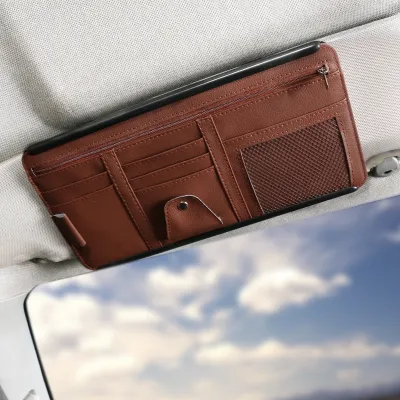
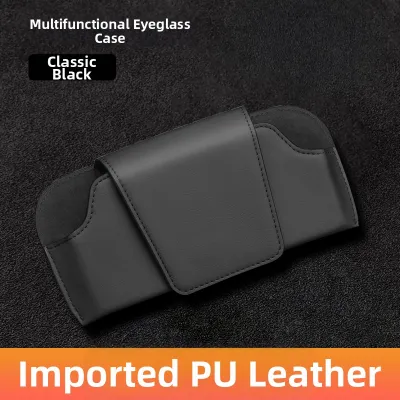
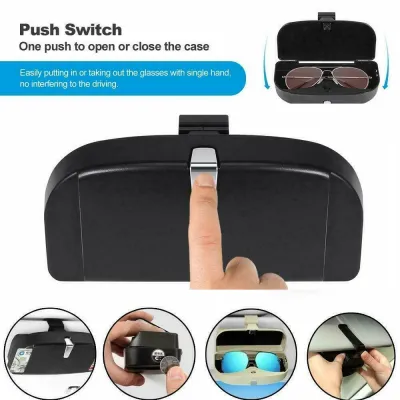
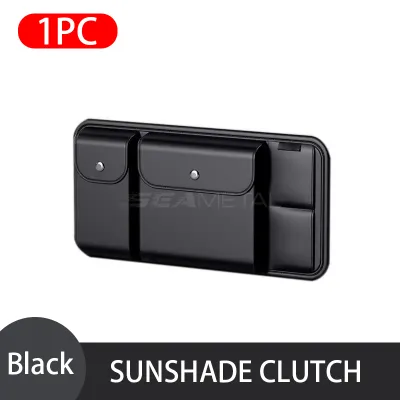
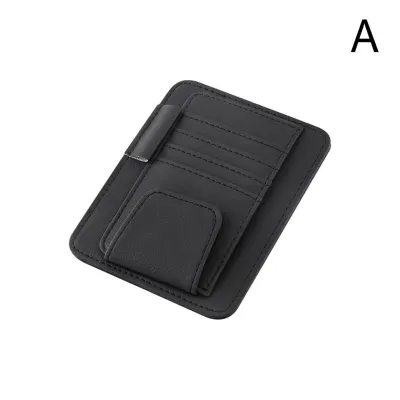
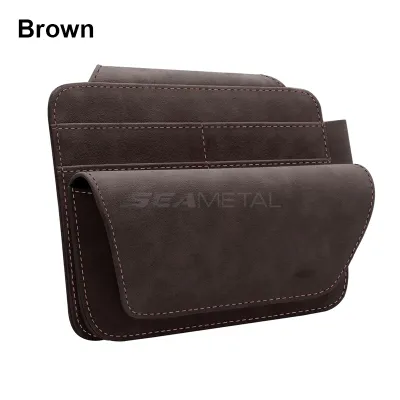
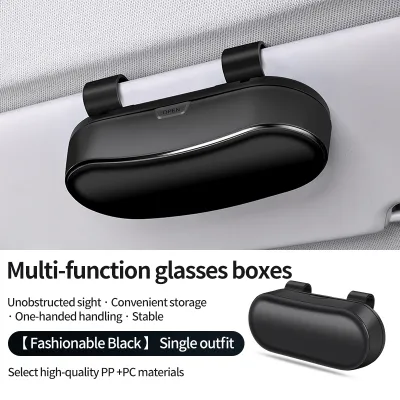
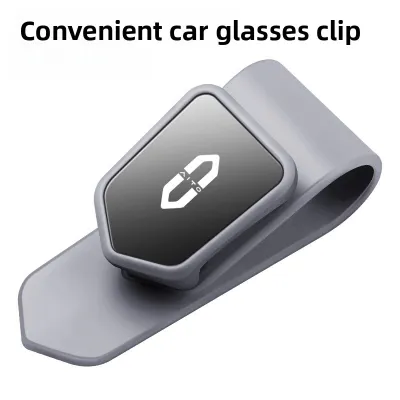
Prices are valid at publication and may change. Please refer to the product page for the latest price.
Slot configurations should match your daily driving essentials without encouraging clutter. For drivers in Singapore, dedicated slots for physical parking cards, CashCards, or EZ-Link cards are highly practical for quick access at manual toll gates or older parking systems. Look for pockets with tight elastic bands or textured inner linings that grip cards securely, preventing them from sliding out during sudden braking or sharp turns. Zippered compartments are ideal for holding registration documents, insurance papers, or small emergency cash notes, while elastic loops keep pens or sunglasses securely in place.
Finally, consider the overall weight and profile thickness of the loaded organiser. A heavy accessory puts continuous downward strain on the sun visor’s internal hinge mechanism. Over time, this can cause the visor to sag permanently, obstructing your forward view and requiring expensive repairs. To prevent this, choose a slim-profile organiser and avoid overloading the pockets. A good rule of thumb is to keep the total weight of the organiser, phone, and accessories under the maximum weight tolerance specified in your vehicle’s manual, or to test the visor’s resistance before committing to a permanent installation.
Evaluating Phone Holder Mechanisms
The phone holder component of a visor organiser must secure your device against vehicle vibrations while allowing for easy, distraction-free operation. Magnetic mounts are popular for their minimalist design and effortless, single-handed mounting. However, they require you to attach a metal plate to the back of your phone or case. When choosing a magnetic option, verify that the manufacturer specifies high-grade neodymium magnets (such as N52 grade) to ensure the phone remains attached when driving over speed humps or uneven road surfaces.

Mechanical clamps offer a more traditional, highly secure grip by physically locking the phone in place. These clamps typically use spring-loaded arms or gravity-linked brackets that automatically close around the device. While mechanical clamps provide excellent stability, they can be bulkier and may require two hands to release the phone. When evaluating these clamps, check the product dimensions to ensure the arm span accommodates your specific smartphone model, especially if you use a thick, rugged protective case or a wallet cover.
Silicone friction slots or slip-in pockets represent a low-profile alternative, though they offer less adjustability. These slots rely on high-friction rubber or silicone linings to hold the phone snugly against the organiser body. While they excel at keeping the dashboard area clean and free of bulky brackets, they generally limit your phone to a single viewing angle and may block portions of the screen or charging port.
Device compatibility is a critical check before purchasing any visor organiser. Measure your smartphone’s height, width, and depth with its protective case on, and compare these measurements against the holder’s maximum capacity specifications. Many standard holders are designed for bare phones and may struggle to grip devices equipped with thick drop-proof cases, ring holders, or pop-sockets.
Adjustability features, such as 360-degree rotating ball joints or extendable arms, allow you to position your phone for optimal navigation visibility. However, every moving part introduces a potential point of failure under constant road vibration. Look for adjustment mechanisms that feature a secure locking collar or screw-tightening nut. This allows you to lock the phone’s angle firmly in place, preventing the screen from drooping or shaking while you drive.
Safety, Installation, and Legal Considerations
Before installing any overhead accessory, you must verify your vehicle’s specific safety configurations. Modern cars are equipped with complex safety systems, including side-curtain airbags that deploy from the roofline and A-pillars during a collision. A poorly positioned or excessively bulky visor organiser can obstruct the deployment path of these airbags, turning a safety feature into a hazard. Consult your vehicle’s owner manual to locate the exact deployment zones and ensure the organiser does not overlap with these areas.
Clearance for other overhead components is another vital consideration. The organiser must not interfere with the operation of the rearview mirror, overhead map lights, sunroof controls, or built-in garage door openers. If your vehicle features an automatic dimming rearview mirror, ensure the organiser or the mounted phone does not block the ambient light sensors located on the front and back of the mirror housing.
The mounting mechanism of the organiser must match the physical dimensions of your sun visor. Most organisers attach using either elastic straps or metal/plastic clips. Elastic straps are highly adjustable and fit a wide range of visor shapes, but they can degrade and lose tension over time due to Singapore’s high humidity and heat. Metal or plastic clips offer a more rigid attachment but can leave permanent indentations or scratches on delicate leather or vinyl visors. To protect your car’s interior, look for clips lined with soft foam or silicone padding, and measure your visor’s thickness to ensure a snug, non-slip fit.
From a legal standpoint, any accessory mounted in the driver’s forward field of vision must comply with local traffic regulations. In Singapore, the Land Transport Authority (LTA) and traffic police mandate that drivers maintain a clear, unobstructed view of the road ahead. A phone mounted on a sun visor must not block your forward line of sight or distract you while driving. Position the holder so that you can view navigation prompts with a quick glance, without having to look away from the road for extended periods.
Building Your Conditional Shortlist
To simplify your shopping experience on online marketplaces, map your specific driving habits to a tailored product profile. If you are a “heavy document commuter” who frequently handles physical parking receipts, fuel cards, and business documents, prioritising an organiser with multiple zippered pockets and high-density card slots is essential. For these users, a slim, non-rotating phone holder is often sufficient, as storage capacity is the primary goal.
If you are a “large-screen navigation user” who relies heavily on GPS apps to navigate Singapore’s roads, focus your search on organisers featuring robust mechanical clamps with multi-angle rotation. These models allow you to position your large smartphone in landscape or portrait mode for clear visibility. Ensure the mounting straps are reinforced to handle the extra leverage and weight of a larger device.
For “minimalist daily drivers” who prefer a clean, uncluttered cabin, an ultra-slim organiser with a single silicone friction slot and two or three card pockets is the ideal choice. This setup keeps your essential CashCard and phone secure without adding bulk to your overhead space, preserving the clean lines of your car’s interior.
Before finalising your purchase online, establish a rigorous verification routine. Read user reviews specifically looking for feedback on long-term clip durability, strap elasticity, and magnetic strength degradation in hot climates. Always verify the seller’s return policy and double-check the physical dimensions of both the organiser and your vehicle’s sun visor to guarantee a perfect fit.
Frequently Asked Questions (FAQ)
Will a visor organiser damage my sun visor?
A visor organiser can potentially cause wear or structural damage if it is overloaded or improperly installed. Before purchasing, inspect your sun visor’s hinge mechanism; if the visor already feels loose or struggles to stay in the upward position, adding any extra weight will likely cause it to sag permanently. To prevent fabric tearing or indentation marks on leather visors, avoid overstuffing the card slots beyond the manufacturer’s recommended capacity and distribute the weight of your items evenly across the organiser. If you notice the visor’s internal hinge beginning to fail or slip after installation, remove the accessory immediately and consult a qualified vehicle service professional to inspect the visor assembly.
Can I use a wireless charger with a visor phone holder?
Standard passive visor phone holders do not include built-in wireless charging capabilities, and attempting to route a charging cable overhead is highly impractical. Running a long USB cable from your dashboard or center console up to the sun visor creates a dangerous hazard, as the dangling wire can obstruct your view, interfere with the steering wheel, or get caught on gear levers. Furthermore, magnetic mounts can interfere with wireless charging coils and increase heat buildup, which is particularly risky in Singapore’s already hot climate. For drivers who require active charging during transit, it is highly recommended to use a dedicated dashboard, windscreen, or air vent mount equipped with integrated power delivery, rather than an overhead visor holder.
Community discussion
Share your experience or ask a question. Comments are reviewed before publication.