
Keeping a car interior clean in Singapore presents unique challenges. Daily commutes, weekend beach trips to Sentosa, and dining on the go leave behind a trail of dust, sand, and food crumbs. Choosing the right car vacuum cleaner depends heavily on your parking situation, vehicle size, and the specific types of dirt you need to clear. For many local drivers parking in multi-storey car parks or high-rise apartments, access to a traditional power outlet is non-existent. This makes portable, battery-powered options like a compact hoto vacuum highly popular, while other car owners prioritize the raw, continuous power of a 12V corded unit. Selecting the ideal device requires balancing suction performance, power delivery, physical size, and specialized nozzle attachments to match your vehicle’s interior layout.
Step 1: Diagnose Your Interior Mess and Cleaning Frequency
Before looking at product listings, examine the specific types of debris that accumulate in your cabin. Singapore’s tropical climate means fine dust from open-air carparks, construction zones, and road salt can quickly settle on dashboards and leather seats. If you regularly visit East Coast Park or Pasir Ris Park, fine sand will inevitably find its way into the deep pile of your floor mats. Sand is highly abrasive and can wear down carpet fibers over time if left unaddressed. Families with young children often deal with a constant supply of food crumbs, spilled snacks, and dried mud, whereas pet owners face the challenge of stubborn pet hair clinging to fabric upholstery.
Next, evaluate how often you intend to clean your vehicle. A driver who performs a quick, five-minute touch-up every weekend has very different equipment needs than someone who conducts a deep, two-hour detailing session once a month. Quick weekly maintenance is easiest with a lightweight, highly accessible tool that can be grabbed from the glovebox at a moment’s notice. Conversely, deep detailing sessions require a heavy-duty tool capable of sustained operation and deep carpet agitation to extract embedded grime.
Products mentioned in this guide
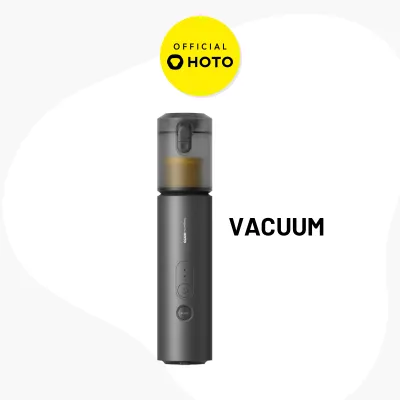
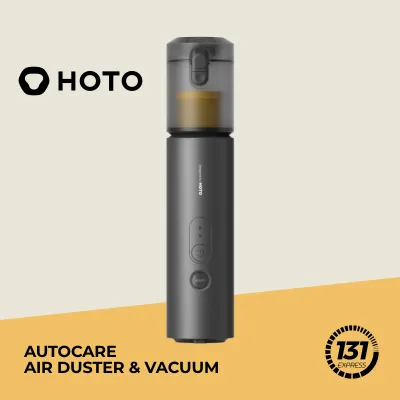
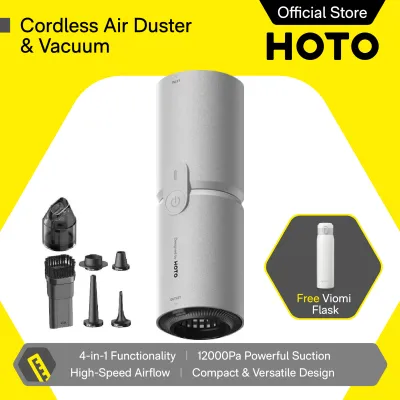
Prices are valid at publication and may change. Please refer to the product page for the latest price.
Identify the primary high-traffic zones in your vehicle that demand the most attention. The driver’s footwell is always the dirtiest area, collecting dirt and debris from your shoes. The narrow crevices along the seat rails, the gaps between the center console and the front seats, and the rear passenger footwells are also notorious debris traps. If you drive an SUV or an MPV, the trunk or cargo area represents another massive zone that requires adequate reach and capacity. Mapping out these trouble spots helps establish a clear decision framework: light, frequent messes point toward highly portable cordless models, whereas heavy, deeply embedded dirt demands high suction pressure and specialized brush heads.
Step 2: Corded vs. Cordless Power Sources for Your Routine
The choice between a corded 12V vacuum and a cordless battery-powered model is one of the most critical decisions you will make. Corded car vacuums connect directly to your vehicle’s 12V auxiliary power outlet, commonly known as the cigarette lighter socket. The primary advantage of a 12V corded model is its unlimited runtime, allowing you to clean the entire vehicle without worrying about a battery dying mid-job. However, before operating a 12V corded vacuum, always consult your vehicle’s owner manual to verify the maximum amperage and wattage rating of your auxiliary power outlets. Exceeding these limits can blow a fuse or damage the electrical system. Additionally, you must typically keep the car’s engine running while vacuuming to prevent draining the starter battery, which may not be ideal in enclosed parking structures due to exhaust fumes.

Cordless vacuums offer unmatched freedom of movement and convenience. Because they run on internal rechargeable lithium-ion batteries, you can easily maneuver around the cabin, reach into the trunk, and clean tight spots without managing a tangled cord. This makes cordless models incredibly practical for Singapore’s multi-storey car parks (MSCPs) and condominium parking bays, where wall outlets are typically unavailable or restricted for public use. The primary trade-off is runtime. Most cordless car vacuums operate for 10 to 25 minutes on a single charge, and suction power can fade as the battery level drops.
To make the right choice, align the power source with your parking environment and vehicle type. If you own a large vehicle like a Mazda CX-8 or a Toyota Alphard, a corded 12V vacuum ensures you have enough time to clean all three rows of seats thoroughly. If you drive a compact hatchback or sedan and park in an HDB carpark, a cordless vacuum is far more practical. When evaluating cordless options, always check the manufacturer’s technical specifications for the battery runtime under maximum suction settings. Many brands advertise long runtimes that only apply to the lowest eco-mode, which may lack the power needed to lift stubborn dirt.
Step 3: Assess Suction Power and Portability Trade-offs with a Hoto Vacuum
Suction power is typically measured in Pascals (Pa) or kilopascals (kPa), representing the static pressure the motor can generate to lift dirt. For basic surface dust, loose hair, and light crumbs on smooth leather seats, a vacuum with a suction rating of 4,000 Pa to 5,000 Pa is generally sufficient. However, if you need to extract deeply embedded sand, dried mud, or pet hair from thick carpet mats, you will require a more robust motor capable of generating 10,000 Pa to 15,000 Pa or more.
There is a direct physical trade-off between a vacuum’s motor size and its overall portability. High-suction motors require larger fans and more robust battery packs, which inevitably increases the weight and bulk of the device. A heavy, bulky vacuum can quickly cause wrist fatigue, making it uncomfortable to hold at awkward angles while reaching under seats or cleaning rear parcel shelves. If a vacuum is too heavy or cumbersome to retrieve and use, you are far less likely to maintain a regular cleaning routine.
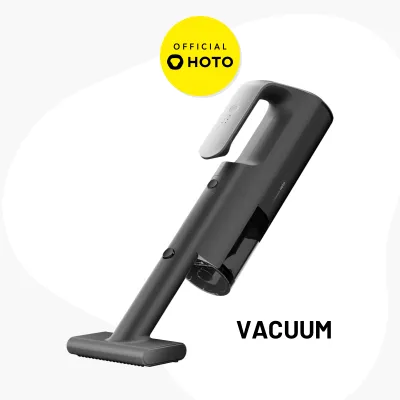
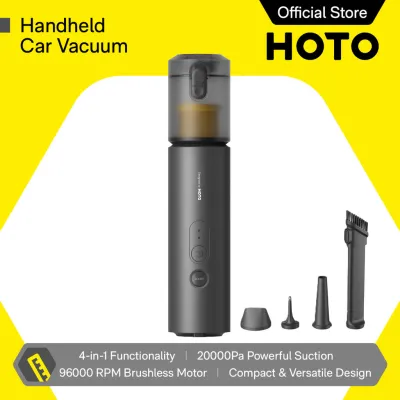
This trade-off is why compact, design-focused models like the hoto vacuum have gained significant popularity among urban drivers. These minimalist cordless options prioritize lightweight construction, sleek aesthetics, and effortless storage over heavy-duty industrial extraction. A cylindrical, capsule-style vacuum is exceptionally easy to handle, fits comfortably in a standard cup holder or door pocket, and is perfect for immediate spot-cleaning when a passenger spills crumbs. While they may not have the raw power to deep-clean a heavily soiled off-road vehicle, their sheer convenience encourages frequent, light maintenance that prevents dirt from building up in the first place. Before purchasing, verify the physical weight and grip ergonomics of the device to ensure it feels balanced in your hand.
Step 4: Select the Right Attachments for Specific Surfaces
A car vacuum is only as effective as the attachments you use with it. The interior of a modern vehicle is a complex mix of materials, textures, and tight spaces that a standard wide nozzle cannot clean effectively. Crevice tools are long, narrow nozzles designed specifically to reach into tight gaps. You will need a crevice tool to clean the narrow channels along the seat rails, the deep pockets inside the doors, the gaps between the seat cushions, and the tight spaces around the center console. Without a proper crevice tool, much of the hidden dirt in your car will remain untouched.
Brush attachments are essential for cleaning delicate surfaces without causing cosmetic damage. Vehicle dashboards, air conditioning vents, and modern infotainment screens are highly susceptible to scratches from hard plastic nozzles. A brush attachment with soft bristles gently agitates dust and debris from textured plastics and speaker grilles, allowing the vacuum to sweep it away safely. For vehicles with piano-black trim or sensitive digital displays, using a soft brush is critical to maintaining a pristine cabin finish.
Upholstery nozzles and motorized brush heads are designed for fabric surfaces, such as cloth seats and carpeted floor mats. These attachments help agitate the fabric fibers to loosen embedded pet hair, lint, and fine dust. Before purchasing a car vacuum, verify the exact range of accessories included in the box. Ensure that the attachment mounting interface is secure and that replacement filters or specialized nozzles are readily available from the manufacturer or authorized local distributors.
Step 5: Match the Vacuum to Your Vehicle Size and Storage
Your vehicle’s physical size and layout should dictate the capacity and dimensions of the vacuum you choose. Dustbin capacity is measured in milliliters (ml) and directly impacts your cleaning efficiency. Compact hand-held vacuums typically feature small dustbins ranging from 100ml to 150ml. While these are perfectly fine for quick spot-cleans in a compact sedan, they will require frequent emptying if you are attempting to clean a large family SUV or MPV. If you prefer uninterrupted cleaning sessions, look for a model with a dustbin capacity of 300ml or more.
For those opting for a corded 12V model, cable length is a non-negotiable specification. You must ensure the power cable is long enough to reach from the 12V auxiliary outlet in the front dashboard all the way to the furthest corner of the rear trunk. For standard sedans, a cable length of at least 3.5 meters is usually sufficient. For larger station wagons, SUVs, or multi-purpose vehicles, look for a cable length of 4.5 to 5 meters to avoid stretching the cord tightly, which can damage the internal wiring or pull the plug out of the socket.
Finally, consider where the vacuum will reside when it is not in use. If you want the tool to be permanently stored in your vehicle for emergencies, choose a form factor that matches your available storage spaces. Cylindrical, bottle-shaped vacuums can easily slide into door pockets, glove compartments, or seatback organizers. Larger, pistol-grip or utility-style vacuums will need to be stored in the trunk. If storing a vacuum in your trunk, ensure it comes with a dedicated carrying case or secure it within a trunk organizer to prevent it from sliding around and sustaining damage while you drive.
Frequently Asked Questions (FAQ)
Can I use a regular household vacuum for my car?
Yes, you can use a household vacuum if you have a suitable environment, but it is often impractical. Household vacuums generally require a standard 230V wall outlet, which is rarely accessible in Singapore’s multi-storey or underground carparks. Running a long extension cord from an apartment is usually prohibited due to safety hazards. Additionally, household vacuums are bulky, heavy, and difficult to maneuver inside the tight, cramped confines of a vehicle cabin, making it easy to accidentally scratch interior plastics with the large hose or canister.
How do I maintain the filter of a car vacuum in a humid climate?
Maintaining the filter is crucial in Singapore’s high-humidity environment to prevent mold growth and unpleasant odors. Most modern car vacuums feature washable HEPA or foam filters. After tapping out loose dust, rinse the filter gently under cold running water without using harsh detergents. The most critical step is drying: you must allow the filter to air-dry completely in a well-ventilated, sunny area for at least 24 to 48 hours. Reinstalling an even slightly damp filter into the vacuum will trap moisture, leading to bacterial growth, musty smells, and potential damage to the electric motor. Always consult your specific product’s user manual for exact care and maintenance instructions before washing.
Community discussion
Share your experience or ask a question. Comments are reviewed before publication.