
Selecting the correct car tyre sealant requires matching the chemical formula to your specific tyre construction, calculating the exact volume required for your tyre dimensions, and verifying compatibility with your Tyre Pressure Monitoring System (TPMS). Using an incorrect sealant can lead to failed puncture repairs, severe wheel imbalance, or costly damage to electronic sensors. By understanding how to read tyre sidewall markings and product labels, you can confidently select an emergency sealant that keeps you safe until you reach a professional repair shop.
Understanding Tyre Types: Tubeless vs. Tube-Type Compatibility
To choose the right sealant, first identify whether your vehicle uses tubeless or tube-type tyres. Most modern passenger cars use tubeless tyres, which seal directly with the wheel rim. Verify this by inspecting the tyre sidewall for the word “TUBELESS” or “TL”. If your vehicle uses an inner tube, the sidewall will display “TUBE TYPE” or “TT”.
Liquid tyre sealants are engineered to coat the inner liner of tubeless tyres. When a puncture occurs, escaping air forces the liquid into the hole, where suspended fibers or chemical agents bind together to plug the leak. This process relies on the stable, rigid structure of the tyre’s inner liner to hold the seal under pressure.
Products mentioned in this guide
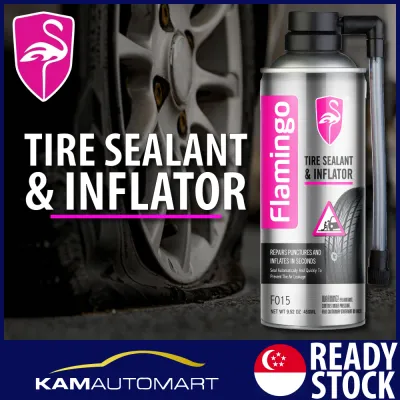
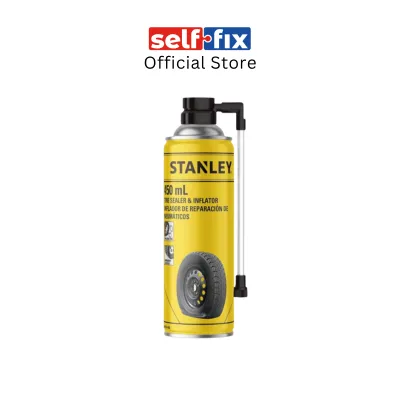
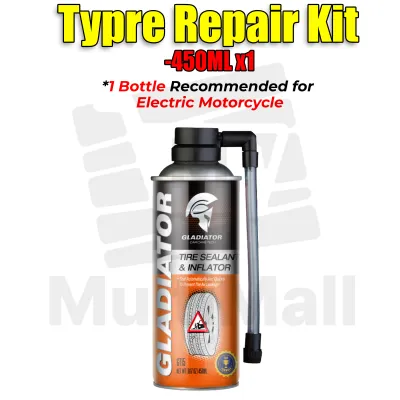
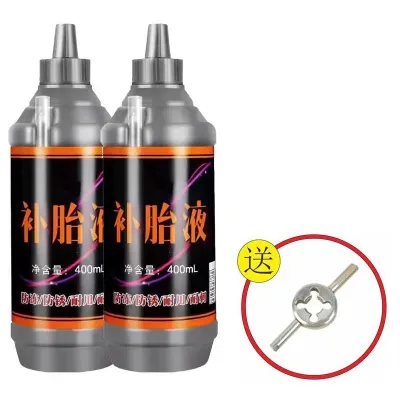
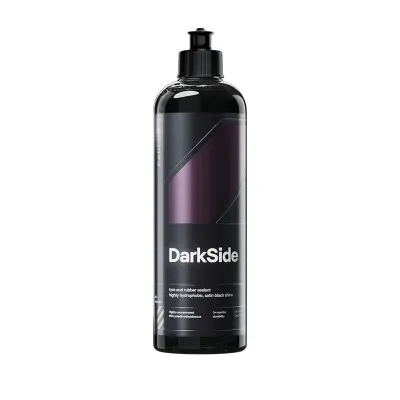
Prices are valid at publication and may change. Please refer to the product page for the latest price.
Introducing liquid sealants into a tube-type tyre presents significant mechanical risks. Inner tubes are highly flexible and expand dynamically during driving, which can prevent the sealant from forming a stable plug. Furthermore, some chemical formulations can degrade the thin rubber tube, leading to sudden air loss. Always verify compatibility with your specific tyre construction before application.
Matching Sealant Volume to Your Tyre Size
The effectiveness of a tyre sealant depends heavily on using the correct volume of liquid inside the tyre cavity. Tyre dimensions—specifically the width, aspect ratio, and rim diameter—dictate the total internal surface area that the sealant must coat. For example, a low-profile tyre on a large alloy wheel requires a different volume than a standard passenger car tyre.

To ensure proper coverage, always consult the manufacturer’s dosage chart printed on the packaging. These charts cross-reference standard tyre size codes, such as 215/55 R17, with the exact fluid volume required for a single application. Never estimate the volume or split a single bottle across multiple tyres unless the product instructions explicitly permit it.
Under-dosing your tyre with sealant will result in an insufficient coating, leaving punctures unsealed. Conversely, over-dosing can cause severe operational issues, such as steering wheel vibration and wheel imbalance. Excess liquid pools at the bottom of the tyre when stationary and can fail to distribute evenly at high speeds, creating a heavy spot that disrupts wheel balance.
Checking Vehicle and TPMS Compatibility
Modern vehicles are equipped with electronic Tyre Pressure Monitoring Systems (TPMS) that measure the air pressure inside each tyre. These systems typically use direct sensors mounted inside the wheel assembly, integrated with the valve stem. Because these sensors contain sensitive electronic components and small pressure ports, they are highly vulnerable to chemical contamination and physical clogging from liquid sealants.
Before purchasing any car tyre sealant, look for explicit “TPMS-safe” or “sensor-friendly” declarations on the product label. These formulations are designed to remain liquid or wash away easily, preventing the sticky sealing agents from permanently blocking the sensor’s pressure port. Using a non-compatible sealant can ruin the sensor, requiring an expensive replacement and reprogramming process at a professional workshop.
Additionally, consult your vehicle owner’s manual before using any chemical aerosol or liquid sealant. Some vehicle manufacturers strictly prohibit aftermarket sealants or specify that only their approved emergency mobility kits should be used. Violating these guidelines can void your tyre or vehicle warranties and may compromise the safety systems calibrated for your specific car model.
Evaluating Sealant Formulations and Expiry Dates
Tyre sealants are formulated using different chemical bases, each with distinct cleanup requirements and environmental limits. Water-soluble, latex-free formulas are generally easier for tyre technicians to clean out of the tyre cavity during a permanent repair, as they can be rinsed away with water. Latex-based sealants, while highly effective at sealing larger punctures, can cure into a sticky residue that is more difficult to remove.
Temperature stability is another critical factor to evaluate on the product label. If you store the sealant bottle in your car’s boot, it must withstand extreme temperatures without degrading. In hot climates, interior vehicle temperatures can rise significantly, which can cause low-quality sealants to separate, dry out, or lose their chemical efficacy. Ensure the product specification sheet confirms stability within your local temperature range.
Always locate and check the manufacturing or expiry date printed on the sealant container before purchase and during routine vehicle maintenance. Over time, the active chemical agents in the sealant can break down, leading to premature drying, separation of the liquid carrier from the sealing fibers, or valve stem clogging during application. Using an expired product can result in a failed emergency repair when you need it most.
Step-by-Step Selection Checklist
To simplify your decision-making process when shopping at an automotive supply store or an online marketplace, use this structured checklist to verify product suitability:
- Verify Tyre Construction: Check your tyre sidewall to confirm it is marked "TUBELESS" before selecting a standard liquid sealant.
- Confirm Tyre Dimensions: Note down your exact tyre size (e.g., 205/55 R16) and match it against the dosage chart on the sealant packaging to ensure you buy the correct volume.
- Check TPMS Compatibility: Look for a clear "TPMS-safe" or "sensor-friendly" label on the bottle to protect your vehicle's electronic pressure sensors.
- Review Vehicle Manufacturer Guidelines: Consult your car's owner's manual to ensure aftermarket chemical sealants are permitted and do not void your warranty.
- Inspect the Expiry Date: Locate the expiration or manufacture date on the packaging, ensuring the product will remain chemically stable for its intended storage period.
- Assess Cleanup and Storage Limits: Choose a water-soluble formula for easier professional cleanup, and verify that the storage temperature limits match your local climate conditions.
Frequently Asked Questions (FAQ)
Can I use a car tyre sealant as a permanent fix for a puncture?
No, a car tyre sealant is strictly an emergency, temporary measure designed to restore enough tyre pressure to allow you to drive safely to the nearest professional repair facility. It is not a permanent fix. The sealant only plugs the puncture temporarily and does not address any internal structural damage the tyre may have sustained while running underinflated. Once you reach a service center, a qualified technician must remove the tyre from the wheel rim, thoroughly clean out the sealant residue, inspect the internal casing for safety, and perform a proper permanent plug-and-patch repair or replace the tyre entirely.
Will tyre sealant ruin my wheel rims?
Tyre sealant will not ruin your wheel rims if you choose a compatible formula and ensure prompt professional cleanup. Some older or low-quality chemical formulations can be corrosive to alloy, steel, or painted rim finishes if left inside the tyre cavity for an extended period. To prevent long-term residue buildup or corrosion, always check the product label for specific safety declarations regarding your rim material. Additionally, inform the tyre technician that sealant was used so they can thoroughly wash and dry the rim surface immediately after dismounting the tyre, preventing any chemical staining or corrosion.
Community discussion
Share your experience or ask a question. Comments are reviewed before publication.