
Replacing a damaged car side view mirror requires more than finding a part that looks similar to your original equipment. To ensure a successful replacement, you must verify the precise compatibility of the mounting brackets, electrical connectors, and functional features with your vehicle’s specific make, model, production year, and trim level. Even minor variations in trim packages can result in completely different wiring configurations or physical shapes, meaning a mirror designed for one version of a vehicle may not fit another from the exact same year.
By taking a systematic approach to identifying your vehicle’s exact specifications, understanding the electrical requirements, and comparing replacement options, you can avoid the frustration of purchasing an incompatible part. This guide outlines the essential steps to identify, evaluate, and inspect a replacement side view mirror, helping you restore your vehicle’s safety, visibility, and aesthetic appeal with confidence.
Identify Your Vehicle's Exact Specifications
The foundation of a successful side view mirror replacement lies in gathering precise data about your vehicle. The most reliable starting point is your Vehicle Identification Number (VIN), a unique 17-character code found on your vehicle’s dashboard near the windshield, on the driver’s side door jamb, or within your registration documents. The VIN acts as a digital fingerprint for your car, encoding details such as the manufacturing plant, engine type, production year, and the exact trim package installed at the factory. When sourcing parts, inputting your VIN into an authorized parts database or sharing it with a reputable supplier is the most effective way to filter out incompatible options.
Products mentioned in this guide

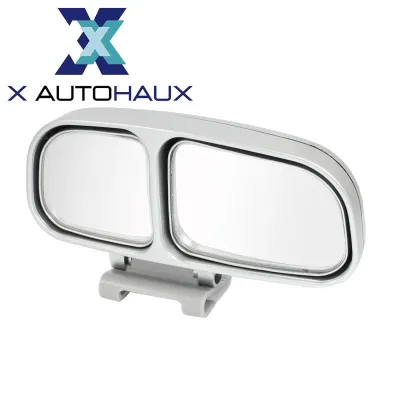
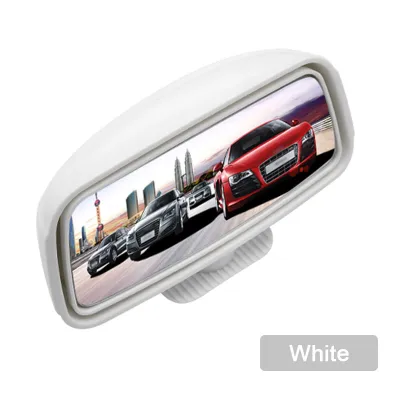
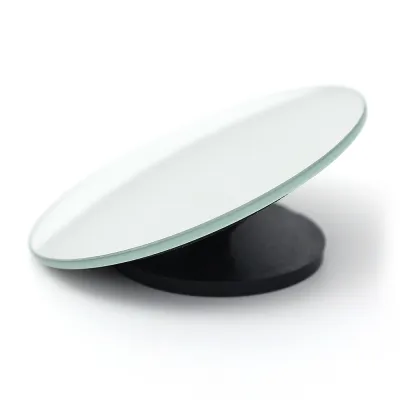
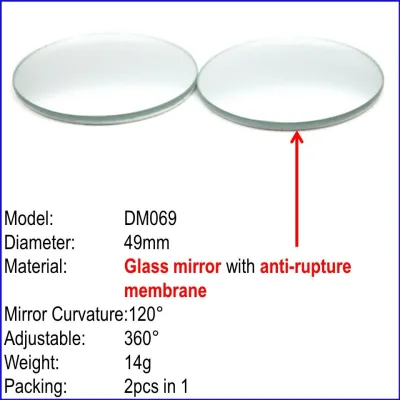
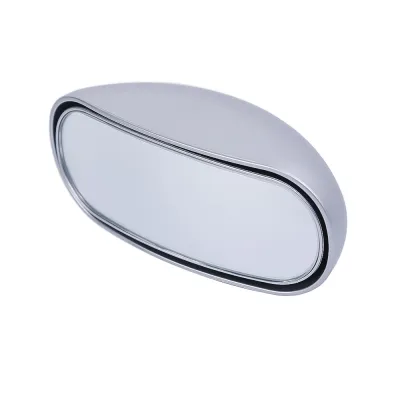
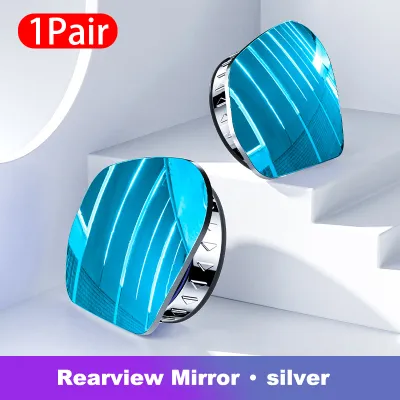
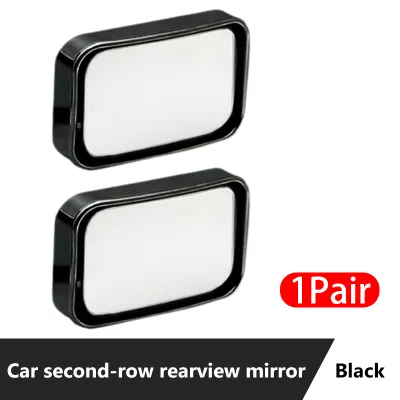
Prices are valid at publication and may change. Please refer to the product page for the latest price.
Beyond the VIN, you must document the exact make, model, year, and trim level of your vehicle. It is common for manufacturers to introduce mid-year design changes, often referred to as “facelifts” or “split-year” updates, which can alter exterior components like side mirrors. Furthermore, trim levels dictate the level of technology integrated into your mirrors. For instance, a base model might use a simple manual mirror, while a premium trim of the same model year might feature heated glass, integrated turn signals, and blind-spot sensors. Assuming that a mirror from any trim level of your vehicle’s model year will fit can lead to costly purchasing errors.
To eliminate ambiguity, inspect your existing mirror housing or glass for an Original Equipment Manufacturer (OEM) part number. This number is typically stamped on the plastic housing, printed on a label inside the mirror assembly, or etched onto the back of the mirror glass itself. Accessing this number may require gently removing the mirror glass or the interior plastic trim cover on the door. Once located, this OEM part number serves as a direct cross-reference. Whether you choose to buy an original factory replacement or an aftermarket alternative, matching the OEM part number ensures that the replacement unit matches the physical dimensions and internal mounting points of your original mirror.
Understand Mirror Features and Electrical Compatibility
Modern side view mirrors are highly sophisticated components that house a variety of electrical and mechanical systems. Before selecting a replacement, you must identify the specific features integrated into your original mirrors. Standard manual mirrors rely on physical levers or manual glass adjustment, whereas power mirrors use internal electric motors controlled by switches on your door panel. Advanced features include power-folding mechanisms that retract the mirrors when parking, heated glass elements to clear condensation or frost, auto-dimming capabilities to reduce glare from trailing headlights, and integrated turn signal indicators. Some premium vehicles also incorporate blind-spot monitoring sensors or surround-view cameras into the mirror housing.

To ensure these features function correctly, you must verify the compatibility of your vehicle’s existing wiring harness and door control modules. A replacement mirror with advanced electrical features will not work if your vehicle’s wiring harness lacks the necessary pins or if the door control module is not programmed to support them. For example, installing a heated, power-folding mirror on a vehicle originally equipped with basic power mirrors usually requires more than just a physical swap; it often demands a different wiring harness, a new interior switch, and potentially a software update to the vehicle’s computer system. Always inspect the electrical connector of your original mirror to determine the exact number of pins and wires before purchasing a replacement.
The type of glass used in the mirror is another critical safety and functional consideration. Side view mirrors typically utilize three distinct glass shapes: flat, convex, or aspherical. The driver’s side mirror in many regions is traditionally flat, providing an accurate representation of the distance and size of vehicles behind you. In contrast, passenger-side mirrors are almost always convex, featuring a slight curvature that expands the field of view but makes objects appear smaller and farther away than they actually are. Aspherical mirrors, common in some markets, combine a flat inner section with a highly curved outer edge to minimize blind spots. Understanding these differences is vital for maintaining proper visibility and ensuring compliance with local road safety regulations.
Evaluate Replacement Options: OEM vs. Aftermarket
When purchasing a replacement side view mirror, you will generally choose between Original Equipment Manufacturer (OEM) parts and aftermarket alternatives. OEM mirrors are produced by the vehicle’s manufacturer or their authorized suppliers, guaranteeing an exact match in terms of fitment, structural integrity, paint color, and electrical compatibility. If your vehicle features a specialized paint finish or complex driver-assistance systems, an OEM replacement is often the most straightforward path to restoring the vehicle to its factory condition. However, OEM parts typically carry a premium price tag, which may not always align with your budget, especially for older vehicles.
Aftermarket mirrors are manufactured by independent companies and offer a cost-effective alternative to OEM parts. While many reputable aftermarket brands produce high-quality components that meet or exceed factory standards, quality control can vary significantly across the market. To verify aftermarket fitment claims, you must carefully review the detailed product specifications provided by the manufacturer. Pay close attention to the mounting bracket design, the physical dimensions of the housing, and the electrical connector pin count. An aftermarket mirror might look identical on the outside but feature a different internal plug or mounting bolt pattern, rendering it unusable without extensive modification.
Given the potential variations in aftermarket quality and fitment, it is essential to evaluate the purchasing terms before finalizing your order. Whether buying from a local auto parts store or an online marketplace, prioritize suppliers that offer clear return policies, robust shipping protections, and comprehensive warranties. Side mirrors are fragile and susceptible to damage during transit, making shipping insurance and secure packaging critical. A flexible return policy ensures that if you discover a fitment discrepancy or a functional defect during your pre-installation inspection, you can return or exchange the part without incurring financial loss.
Inspect the Replacement Mirror Before Installation
Before you begin disassembling your vehicle’s door panel or removing the damaged mirror, perform a thorough physical inspection of the new replacement unit. Place the new mirror side-by-side with the original mirror to compare their physical characteristics. Verify that the mounting bracket shape, the alignment of the bolt holes, and the overall dimensions of the housing are identical. Even a millimeter of deviation in the mounting plate can prevent the mirror from seating flush against the door frame, which can lead to wind noise, water leaks, or excessive vibration while driving.
Next, examine the electrical connector on the replacement mirror. Count the number of pins inside the plug and compare them directly to the connector on your original mirror. The pins must match in both number and physical arrangement to ensure proper electrical contact. If your replacement mirror features electrical adjustments, heating, or integrated signals, it is highly recommended to perform a preliminary plug-in test. Gently connect the new mirror’s wiring harness to your vehicle’s door plug without mounting the housing. Turn on the vehicle’s ignition and test all mirror functions—such as glass adjustment, folding mechanisms, and turn signals—to confirm electrical compatibility before committing to the full installation process.
Finally, conduct a meticulous visual inspection of the mirror housing and glass. Check the paint finish for color matching, clear coat consistency, and any surface blemishes or scratches that may have occurred during manufacturing or shipping. Inspect the structural integrity of the plastic housing, ensuring there are no cracks, loose seams, or weak points along the folding hinge. The hinge mechanism should have adequate tension; it must be firm enough to resist folding under high wind resistance at highway speeds, yet flexible enough to fold smoothly when pushed manually. Lastly, check the mirror glass for clarity, distortion-free reflection, and secure attachment to the internal motor backing plate.
When to Seek Professional Installation
While replacing a basic manual or simple power side view mirror is a manageable task for many vehicle owners, certain scenarios demand the expertise of a qualified automotive technician. Modern vehicles increasingly integrate advanced safety systems into their exterior mirrors. If your vehicle is equipped with Advanced Driver-Assistance Systems (ADAS), such as blind-spot monitoring sensors, lane-departure warning indicators, or 360-degree surround-view cameras, replacing the mirror housing or glass is not a simple plug-and-play procedure. These systems rely on precise alignment and calibration; even a minor physical misalignment can cause the sensors to provide inaccurate data, compromising your safety on the road. Professional service centers possess the specialized diagnostic tools and targets required to recalibrate these systems to factory specifications.
The physical process of replacing a side mirror can also present unexpected technical challenges. Accessing the mirror’s mounting bolts and electrical connectors often requires removing the interior door panel. This process involves releasing delicate plastic retaining clips, disconnecting window and lock switches, and handling internal vapor barriers without tearing them. Improper door panel removal can result in broken clips, permanent rattles, electrical malfunctions, or water leaks into the vehicle’s cabin. Furthermore, routing the mirror’s wiring harness through the door frame requires care to prevent the wires from pinching or interfering with the window regulator mechanism.
Safety must always remain your primary concern when performing any automotive modification or repair. Incorrect mounting torque on the mirror bolts can lead to the housing vibrating excessively, loosening over time, or even detaching from the vehicle at high speeds. Additionally, improper electrical wiring or bypassing factory safety mechanisms can cause electrical shorts, blown fuses, or damage to your vehicle’s central body control module. If you encounter unclear instructions in your vehicle’s service manual, lack the specialized trim removal tools, or feel uncertain about handling complex electrical connections, consulting a professional technician or an authorized manufacturer service center is the safest and most reliable course of action.
Frequently Asked Questions (FAQ)
Can I upgrade my manual side mirror to a power-folding one?
Upgrading from a manual side view mirror to a power-folding model is technically possible but highly complex. It requires more than just purchasing the power-folding mirror housing. You must verify if your vehicle’s existing door wiring harness contains the necessary electrical leads to power the folding motors. In most cases, you will need to purchase and install a compatible interior control switch and potentially upgrade the door wiring harness. Furthermore, many modern vehicles control these functions through a central body control module, which may require professional software coding to recognize and operate the new power-folding features.
Does replacing a side view mirror affect my car's warranty?
Replacing a damaged side view mirror with an OEM or high-quality aftermarket part generally does not void your entire vehicle warranty. Under consumer protection laws in many regions, a manufacturer cannot void your warranty simply because an aftermarket or non-original part was installed. However, if the replacement mirror is installed incorrectly, or if an incompatible aftermarket wiring harness causes an electrical short that damages your vehicle’s electrical system, any repairs related to that specific damage will not be covered under the factory warranty. Always ensure proper installation to protect your warranty coverage.
Why does my new mirror vibrate at high speeds?
Excessive vibration in a newly installed side view mirror is typically caused by improper mounting, loose components, or poor aerodynamic design. First, verify that the mounting bolts securing the mirror to the door frame are tightened to the manufacturer’s specified torque; loose bolts are the most common cause of vibration. Next, inspect the internal folding hinge mechanism for any play or looseness. If the mounting is secure and the hinge is tight, the vibration may stem from a low-quality aftermarket housing that lacks the structural reinforcement or aerodynamic profile of the original part, causing it to catch the wind and shake at high speeds.
Community discussion
Share your experience or ask a question. Comments are reviewed before publication.