
Choosing the right car side mirror cover requires balancing aesthetic preferences with precise technical compatibility, material durability, and functional safety. The ideal mirror cover must align perfectly with your vehicle’s exact make, model, and trim features, ensuring that essential safety systems such as blind-spot monitoring, 360-degree cameras, and power-folding mechanisms remain fully operational. By identifying your primary objective—whether it is protecting factory paint, customizing the exterior style, or replacing a damaged OEM shell—you can narrow down the material options (such as ABS plastic, carbon fiber, or polyurethane) and select the appropriate installation method for your driving environment.
Identify Your Purpose: Protection, Customization, or Replacement
Before browsing online marketplaces or visiting local automotive accessory shops, you must clarify why you want to install a side mirror cover. This primary motivation dictates the material characteristics, budget, and installation complexity that will best serve your needs. For many drivers, the goal is purely protective; shielding the original factory paint from the hazards of tight parking spaces, road debris, and minor abrasions is a practical way to preserve the vehicle’s resale value. In dense urban driving environments like Singapore, where tight multi-storey car parks and narrow parallel parking spots are common, side mirrors are highly vulnerable to scraping against concrete pillars or adjacent vehicles.
For other drivers, the objective is customization. Upgrading the mirror covers is one of the most cost-effective ways to personalize a vehicle’s exterior appearance, allowing you to add a sporty carbon fiber accent, a contrasting gloss black finish, or a custom color that complements the body paint. When customizing, the focus shifts toward aesthetic appeal, aerodynamic design, and surface finish quality. However, it is crucial that these cosmetic enhancements do not add excessive bulk or alter the mirror’s shape in a way that increases wind noise, disrupts airflow, or interferes with the driver’s line of sight.
Products mentioned in this guide
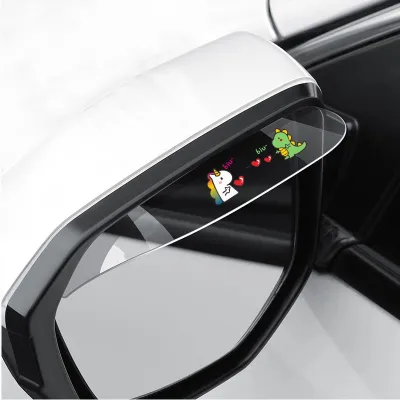
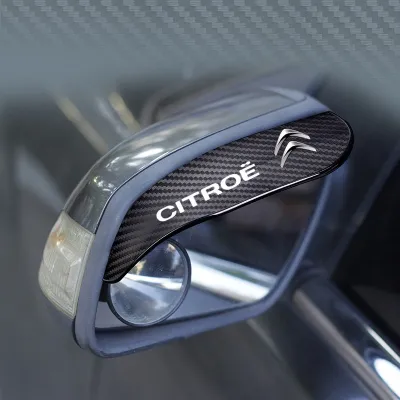
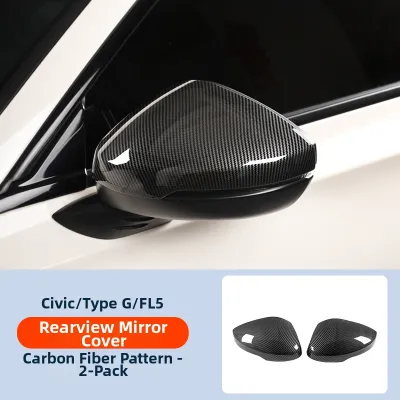
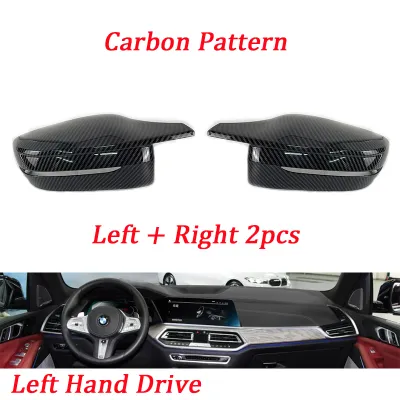
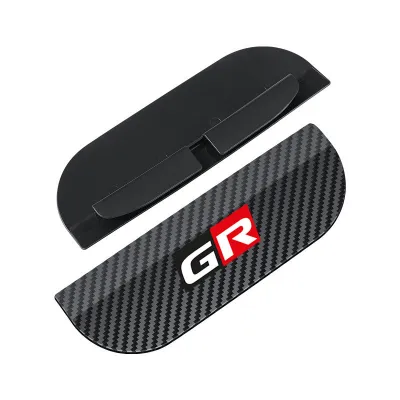
![[ooj mall]2Pcs Universal Carbon Fiber Car Rearview Mirror Trim Side Mirror Protector Guard](https://img.lazcdn.com/g/p/ccf207d29472b01d5db587287e97269f.jpg_400x400q80.jpg_.webp)
![[eugh mall]2Pcs Universal Carbon Fiber Car Rearview Mirror Trim Side Mirror Protector Guard](https://img.lazcdn.com/g/p/cb204cb90335c657847f0ac750defa7e.jpg_400x400q80.jpg_.webp)
Prices are valid at publication and may change. Please refer to the product page for the latest price.
The third common scenario is direct replacement. If your vehicle’s original mirror housing has been cracked in a minor collision, faded by years of intense tropical sun exposure, or scratched beyond repair, a replacement cover restores both the appearance and structural integrity of the mirror assembly. In this case, matching the original equipment manufacturer (OEM) specifications is paramount. Regardless of your motivation, any aftermarket or replacement cover must preserve the structural integrity of the mirror assembly and never block, dim, or compromise the built-in safety features, such as integrated turn signals or lane-change warning lights.
Verify Fitment: Compatibility with Sensors, Cameras, and Power Folding
Side mirror assemblies are highly complex components engineered with specific tolerances, aerodynamic shapes, and integrated electronic systems. Consequently, side mirror covers are strictly vehicle-specific accessories; there is no such thing as a truly functional “universal” or “one-size-fits-all” cover. Attempting to fit a generic cover onto a modern vehicle is highly unsafe and can lead to immediate functional failures. Before purchasing any cover, you must verify the exact make, model, year, and specific trim level of your vehicle, as manufacturers frequently alter mirror shapes during mid-generation face-lifts or offer different mirror configurations across different trim levels of the same model year.

Modern side mirrors house an array of advanced driver assistance systems (ADAS) that require unobstructed fields of view and precise physical clearance. You must carefully inspect your existing mirrors for integrated features before selecting a cover. Many vehicles feature blind-spot monitoring (BSM) indicators, which are either etched into the glass or integrated as small LED lights on the inner edge of the plastic housing. An incorrectly sized or poorly designed cover can easily obstruct these warning lights, preventing you from seeing critical alerts during lane changes.
Furthermore, many modern vehicles are equipped with 360-degree camera systems, which utilize small, downward-facing camera lenses mounted on the underside of the side mirror housings. If a replacement or overlay cover extends too far down or lacks the precise cutout for these camera lenses, it will block the camera’s field of view, rendering the surround-view parking system useless or distorted. Similarly, auto-dimming ambient light sensors and puddle lights (which illuminate the ground next to the doors) require dedicated cutouts to function.
Physical clearance is another critical factor, particularly for vehicles equipped with automatic power-folding mirrors. When the vehicle is locked, the power-folding motors rotate the mirror housings inward toward the window glass. If an aftermarket cover is too thick, poorly molded, or improperly aligned, it can physically jam against the window trim or the mirror base. This physical obstruction forces the folding motor to strain against resistance, which can lead to premature motor failure, stripped gears, and expensive repair bills at the workshop.
To avoid these issues, always cross-reference the product specifications with your vehicle’s documentation. Check the mounting position, interface clips, and exact physical dimensions listed by the manufacturer. If your vehicle has unique optional packages or aftermarket modifications, consult your vehicle’s owner manual or seek guidance from a qualified automotive technician before making a purchase. Never assume a cover will fit based solely on a broad category name or a generic model label.
Compare Materials: ABS, Carbon Fiber, and Polyurethane
The material of your side mirror cover directly influences its durability, weight, impact resistance, and long-term appearance under harsh environmental conditions. The most common material used for both OEM replacements and aftermarket covers is Acrylonitrile Butadiene Styrene (ABS) plastic. ABS is a rigid, impact-resistant thermoplastic that offers an excellent balance of strength, dimensional stability, and lightweight properties. It is highly receptive to painting, allowing manufacturers to produce covers that perfectly match factory paint codes or feature high-gloss black finishes. However, the quality of ABS plastic can vary significantly between manufacturers; low-grade ABS may become brittle over time when exposed to constant heat.
Carbon fiber is a premium material option favored by enthusiasts for its distinct woven appearance, extremely low weight, and exceptional tensile strength. When shopping, it is vital to differentiate between genuine carbon fiber covers and carbon fiber-patterned vinyl wraps or hydro-dipped prints. Genuine carbon fiber covers are constructed from actual carbon fiber fabric bonded with epoxy resin, offering structural rigidity and a deep, multi-dimensional gloss finish, though they carry a significantly higher price tag. Vinyl wraps and hydro-dipped ABS covers are purely cosmetic alternatives that provide the carbon fiber look at a fraction of the cost, but they do not offer the same structural strength or longevity. While genuine carbon fiber is inherently durable, its clear coat must feature high-quality ultraviolet (UV) inhibitors to prevent yellowing, hazing, or delamination over time.
Polyurethane (PU) and other flexible plastics represent another durable material class. Unlike rigid ABS, polyurethane is highly flexible and elastomeric, meaning it can bend and absorb minor impacts without cracking or shattering. This makes polyurethane covers exceptionally resilient in tight urban parking environments where minor bumps from car doors or shopping trolleys are common. However, polyurethane is heavier than carbon fiber and can be more challenging to paint, requiring specialized flexible primers and additives to prevent the paint from cracking when the material flexes.
Regardless of the material you choose, you must verify the product’s stated heat and UV resistance specifications. In Singapore’s tropical climate, vehicles parked outdoors are subjected to intense, year-round sunlight, high humidity, and ambient temperatures that can cause the interior of a parked car’s engine bay and exterior panels to heat up rapidly. Poorly stabilized plastics and low-quality adhesives will quickly degrade, fade, warp, or peel under these conditions. Look for products that explicitly state the use of UV-resistant clear coats or automotive-grade stabilizers to ensure your investment maintains its appearance for years to come.
Choose the Right Installation Method: Snap-On vs. Adhesive
The installation method of your side mirror cover determines not only how secure the cover will be over time but also the level of effort and technical skill required to install it. The two primary attachment methods are snap-on (replacement style) and adhesive (overlay style). Understanding the structural differences and risks associated with each method will help you choose the option that matches your DIY comfort level and long-term reliability needs.
Snap-on covers, often referred to as replacement-style covers, are designed to completely replace the factory-installed outer shell of your mirror assembly. Installing a snap-on cover requires you to carefully pry off the original plastic cover using specialized plastic trim removal tools to avoid scratching the paint or snapping the delicate mounting tabs inside. Once the old cover is removed, the new cover clips directly into the factory mounting slots. This method provides the most secure, flush, and OEM-like fitment. Because it does not add any extra thickness to the mirror housing, it is the ideal choice for vehicles with integrated turn signal lights, cameras, or complex folding mechanisms where clearances are extremely tight.
Adhesive covers, or overlay-style covers, are designed to be installed directly over your existing, undamaged factory mirror housing. These covers typically utilize high-strength, double-sided automotive acrylic foam tape (such as 3M VHB) pre-applied to the inside of the cover. The primary advantage of adhesive covers is their ease of installation, requiring no disassembly of the mirror housing. However, because they sit on top of the original cover, they add a fraction of a millimeter of thickness to the overall mirror profile. The long-term reliability of adhesive covers depends entirely on meticulous surface preparation. If the factory mirror surface is not completely free of wax, road grime, ceramic coatings, and moisture, the adhesive bond will fail, leading to peeling, rattling, or the cover flying off at highway speeds during a heavy downpour.
To help you decide between these two methods, consider the following decision matrix:
- Choose Snap-On / Replacement Style if: Your original mirror cover is cracked, missing, or structurally damaged; your mirror features integrated turn signals or camera lenses that require flush alignment; or you want a permanent, high-durability upgrade that matches factory specifications.
- Choose Adhesive / Overlay Style if: Your original mirror cover is in pristine, undamaged condition; you want a quick, reversible cosmetic change (such as adding a carbon fiber accent); and you are willing to spend the necessary time preparing the surface to ensure a secure bond.
Recommended Mirror Cover Styles by Use Case
To help you select the ideal side mirror cover, we have categorized the most suitable options based on your specific driving needs and goals. By matching your primary purpose to the correct material and installation configuration, you can ensure long-term satisfaction and avoid common compatibility issues.
Best for Protection and OEM Replacement
If your main goal is to replace a damaged factory shell or protect your vehicle from daily wear and tear, you should prioritize direct-fit, snap-on ABS plastic or polyurethane covers. These covers are engineered to replicate the exact dimensions, clip locations, and structural thickness of your vehicle’s original factory parts. Choosing a high-quality ABS cover ensures excellent impact resistance against flying gravel on the highway, while polyurethane offers superior flexibility to withstand minor scrapes in tight parking structures.
When purchasing replacement covers, it is critical to buy from reputable suppliers who guarantee exact mold matching for your specific vehicle trim. Poorly molded aftermarket covers can leave slight gaps along the seams where the cover meets the main mirror housing. In tropical climates prone to sudden, heavy rainstorms, these gaps can allow water to seep into the internal electrical components of the mirror assembly, potentially short-circuiting the power-folding motor, glass adjustment actuators, or integrated turn signal wiring.
Best for Aesthetic Customization
For drivers looking to enhance their vehicle’s visual appeal, genuine carbon fiber overlays or color-matched painted snap-on shells are the premier choices. Carbon fiber covers add a high-performance, sporty look that contrasts beautifully with both light and dark paint colors. If you prefer a more subtle or cohesive look, choosing a pre-painted snap-on cover that matches your vehicle’s exact factory paint code (which can typically be found on the compliance plate inside the driver’s door jamb) provides a clean, factory-customized appearance.
When selecting customized covers, pay close attention to the aerodynamic profile of the product. Some aftermarket covers feature aggressive “M-style” or “horn” designs that mimic high-performance sports cars. While these styles can look striking, you must ensure that the extended aerodynamic fins do not create excessive wind resistance or generate annoying whistling noises at highway speeds. Additionally, verify that the added bulk of an overlay style does not restrict the physical movement of the mirror glass inside the housing when you adjust your viewing angles.
Quick Comparison of Cover Types
The table below summarizes the key characteristics of the most common mirror cover styles, helping you compare your options at a glance:
| Style / Purpose | Typical Material | Installation Method | Best For | Key Limitation |
|---|---|---|---|---|
| OEM Replacement | Painted or Textured ABS | Snap-On / Clip-On | Restoring damaged mirrors to original factory condition | Requires careful removal of the original housing shell |
| Heavy-Duty Protection | Polyurethane (PU) or Thick ABS | Snap-On or Adhesive | Vehicles parked in tight spaces or high-traffic urban areas | Limited color options; often requires custom painting |
| Premium Sport Customization | Genuine Carbon Fiber | Snap-On or High-Grade Adhesive | High-end aesthetic upgrades and weight reduction | Higher purchase cost; requires UV-inhibiting clear coat |
| Budget Customization | Hydro-Dipped ABS or Vinyl Wrap | Adhesive Overlay | Quick, low-cost cosmetic changes and color contrasts | Purely cosmetic; sensitive to long-term heat and UV degradation |
Installation Safety Checks and Maintenance
Proper installation and routine maintenance are essential to ensure your side mirror covers remain securely attached and do not interfere with your vehicle’s safety systems. Before beginning any installation, you must thoroughly prepare the surface of the mirror housing. Start by washing the mirror assembly with a dedicated automotive shampoo to remove loose dirt and road grime. Once dry, wipe down the application area with an isopropyl alcohol prep pad to strip away any remaining wax, grease, polish, or ceramic coatings. This step is absolutely critical for adhesive-style covers, as any surface contaminants will severely compromise the bond of the double-sided tape. Ensure the entire housing is completely dry and cool to the touch before applying the cover; never install adhesive covers in direct sunlight or on hot panels.
Once the cover is installed, you must perform a series of post-installation safety checks before driving the vehicle on public roads. First, sit inside the vehicle and operate the power-folding mirror switch multiple times. Observe the movement closely to ensure the cover does not rub, bind, or click against the mirror base or window trim. Next, adjust the mirror glass through its full range of motion (up, down, left, and right) to confirm that the outer cover does not physically restrict the movement of the glass. Finally, turn on your hazard lights and verify that any integrated LED turn signals are fully visible from both the front and side angles, and check your dashboard display to ensure that blind-spot monitoring indicators and 360-degree camera feeds are completely unobstructed and clear of distortion.
Safety Boundary Warning: If your chosen mirror cover requires you to disconnect any internal wiring harnesses—such as those for integrated turn signals, auto-dimming glass, or camera modules—you must disconnect the vehicle’s negative battery terminal before starting the work. This prevents accidental short circuits, blown fuses, or damage to the vehicle’s electronic control units (ECUs). If you are uncomfortable working with automotive electrical connectors, or if the installation instructions conflict with your vehicle’s original service manual, stop immediately and seek the assistance of a qualified professional auto technician.
To maintain the appearance and structural integrity of your mirror covers over time, adopt gentle cleaning habits. When washing your vehicle, avoid directing high-pressure water jets from a pressure washer directly at the seams or edges of adhesive covers, as the intense pressure can force water under the tape and cause it to peel. Use only non-abrasive microfiber wash mitts and gentle, pH-neutral car shampoos. Avoid harsh chemical solvents, abrasive polishes, or stiff brushes, which can easily scratch glossy black finishes or damage the protective UV clear coat on carbon fiber covers.
Frequently Asked Questions (FAQ)
Will an adhesive mirror cover damage my car's paint when removed?
High-quality automotive double-sided acrylic foam tape, such as 3M VHB, is specifically engineered to secure exterior accessories without damaging healthy, cured factory clear coats. When it comes time to remove the cover, you can safely soften the adhesive by applying gentle heat with a hairdryer or a heat gun on a low setting, then slowly prying the cover off using a plastic trim tool. Any remaining adhesive residue can be cleaned off using a dedicated, paint-safe automotive adhesive remover. However, if your factory paint is already peeling, cracked, or has been poorly resprayed, the removal process may pull up loose clear coat or paint.
Do I need to remove the old mirror cover before installing a new one?
Whether you need to remove the old cover depends entirely on the design of the product you purchased. Replacement-style covers require you to completely remove the original factory plastic shell before snapping the new one into place. Conversely, overlay-style covers are designed to stick directly on top of your existing, undamaged factory cover using automotive adhesive tape. You must always refer to the manufacturer’s specific product instructions to determine which installation method is required, as attempting to force an overlay cover onto a bare mirror frame, or trying to stick a replacement cover over an existing shell, will result in poor fitment and potential damage.
Can I paint my side mirror covers to match my car's exact color?
Yes, unpainted ABS plastic side mirror covers can be painted to match your vehicle’s exact paint code. To achieve a professional, long-lasting finish that can withstand harsh outdoor weather conditions, the plastic must be properly prepared. This process involves lightly sanding the surface with fine-grit sandpaper, applying a specialized plastic adhesion promoter, spraying a high-quality primer, applying the color-matched base coat, and sealing it with a durable, UV-resistant clear coat. For the best results and a seamless match, you may want to take the covers to a professional automotive paint shop or spray painting specialist.
Community discussion
Share your experience or ask a question. Comments are reviewed before publication.