
Choosing the right car leather cleaner depends entirely on identifying whether your seats are genuine coated leather, synthetic (faux) leather, or delicate uncoated semi-aniline leather. Using the wrong formula can strip protective factory coatings, clog ventilation pores, or leave greasy residues that attract dirt. By matching the cleaner to your specific upholstery type and following safe application steps, you can maintain your car’s interior without risking permanent chemical damage.
Identify Your Car's Leather Type Before Cleaning
Before purchasing any car leather cleaner, you must determine the exact material covering your seats. Modern automotive interiors use a wide range of materials, from genuine animal hides to advanced synthetic polymers. Applying a heavy oil-based cleaner to synthetic vinyl or a harsh chemical to delicate uncoated leather can cause permanent discoloration or cracking.
Start by performing a visual and tactile inspection of the upholstery. Genuine leather often displays natural, irregular grain patterns and tiny, non-uniform surface pores, whereas synthetic leather typically exhibits a highly uniform, repeating pattern. If the material feels exceptionally soft, warm, and slightly grippy, it may be semi-aniline or uncoated; if it feels cool, smooth, and slightly plastic-like, it is likely coated genuine leather or synthetic vinyl.
Products mentioned in this guide
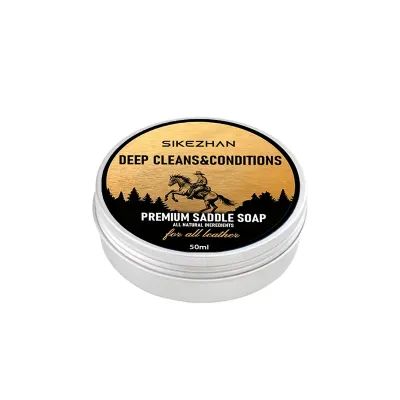
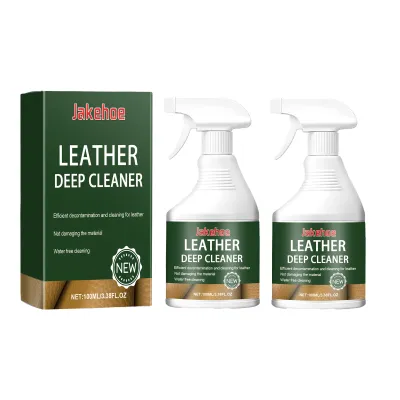
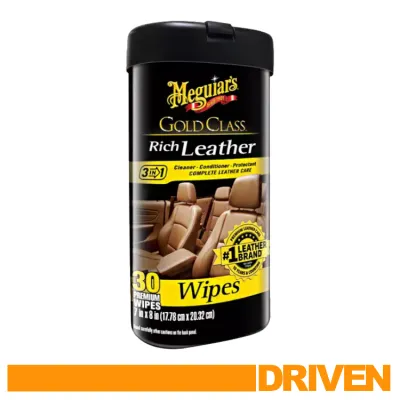
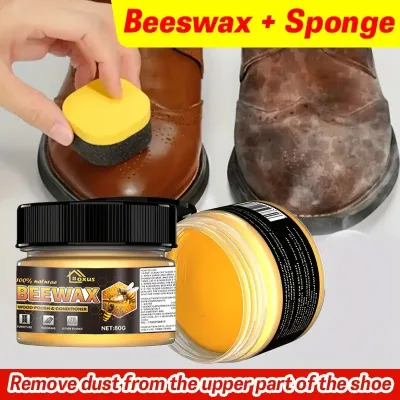
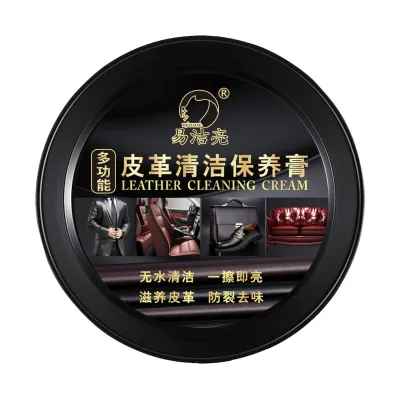
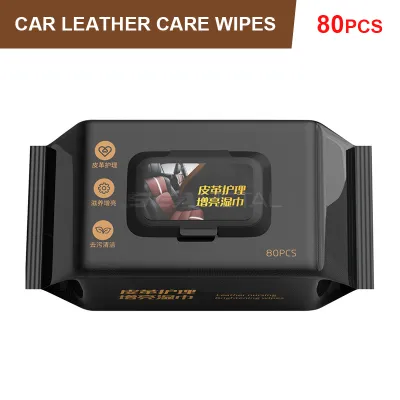
Prices are valid at publication and may change. Please refer to the product page for the latest price.
To confirm the exact material, consult your vehicle owner’s manual or look up the manufacturer specifications using your vehicle’s specific interior trim code. This code is often found on the compliance plate inside the driver’s door jamb. Knowing whether your seats are genuine, synthetic, semi-aniline, or perforated is the only reliable way to ensure chemical compatibility.
Understanding the fundamental difference between coated and uncoated leather is crucial. Most modern genuine car seats feature a thin, protective polyurethane topcoat designed to repel liquids and resist wear. Uncoated or semi-aniline leathers lack this heavy barrier, making them highly porous and susceptible to absorbing liquids, which completely changes how they must be cleaned.
Selecting a Cleaner for Genuine and Coated Leather
If your vehicle features standard genuine leather, it is almost certainly protected by a clear factory topcoat. When shopping for a car leather cleaner, look for product labels that explicitly state they are safe for finished or coated automotive leather. These formulations are specifically balanced to lift surface dirt without degrading the protective polyurethane layer.

Avoid harsh solvents, heavy degreasers, multi-purpose household cleaners, or highly alkaline formulations. These aggressive chemicals can chemically strip or dry out the protective topcoat over time, leading to premature cracking, peeling, and color fading.
Keep in mind that coated leather does not absorb heavy oils or deep-penetrating conditioners. The primary goal is surface cleaning—removing body oils, dust, and friction-induced grime from the topcoat rather than attempting to nourish the underlying hide. Choose a pH-neutral, residue-free liquid or light foam cleaner designed for finished surfaces.
Selecting a Cleaner for Synthetic and Faux Leather
Synthetic and faux leathers, often referred to as vinyl, leatherette, or proprietary brand names, require a completely different approach. Because these materials are entirely non-porous plastics, they do not absorb leather-specific treatments. Look for gentle, dedicated synthetic leather cleaners or mild, pH-neutral interior detailers that specify compatibility with vinyl and plastics.
Avoid heavy conditioners, oils, or cream-based products designed for genuine leather. Because synthetic materials cannot absorb these formulations, the product will simply sit on the surface, creating a slippery, greasy residue that attracts dust and can transfer onto your clothing.
Always verify the material compatibility list on the product label before application. Many high-quality, all-purpose automotive interior cleaners are perfectly safe for synthetic leather, provided they do not contain harsh alcohols or solvents that can dry out the vinyl and cause it to harden or split over time.
Selecting a Cleaner for Delicate Semi-Aniline Leather
Semi-aniline and aniline leathers represent some of the most luxurious yet delicate materials used in premium vehicle cabins. These leathers have either a very thin protective coating or no coating at all, leaving the natural pores completely open. Because of this high porosity, they absorb liquids almost instantly, making standard liquid cleaners highly risky to use.
For these delicate surfaces, rely strictly on manufacturer-recommended cleaners or specialized, ultra-mild dry foams designed specifically for uncoated leather. These products are formulated to lift dirt using minimal moisture, reducing the risk of water spotting or tide marks.
Never use water-based soaking methods, aggressive scrubbing brushes, or universal interior cleaners on semi-aniline leather. Mechanical friction combined with excess moisture can easily wear away the delicate surface dye. If you encounter stubborn stains like ink or deep grease on this material, stop immediately and seek professional detailing assistance to avoid permanent damage.
Safely Cleaning Perforated and Ventilated Leather
Perforated leather seats, which feature small punctured holes to allow for heating and ventilation, present a unique cleaning challenge. The primary risk is liquid cleaner pooling inside these tiny holes. If liquid penetrates the perforations, it can saturate the underlying foam cushion, potentially damaging delicate electronic heating elements, ventilation fans, or occupancy sensors.
To clean these surfaces safely, never spray any liquid or foam car leather cleaner directly onto the seat. Instead, apply a small amount of the cleaner onto a clean, dry microfiber cloth first, then work the cloth into a light lather before gently wiping the leather surface.
Use the absolute minimum amount of moisture necessary to lift dirt, ensuring no liquid is squeezed out of the cloth into the perforation holes. Additionally, completely avoid thick creams, paste waxes, or heavy conditioners. These dense products will clog the ventilation pores, leaving white, unsightly plugs that are incredibly difficult to extract without specialized tools.
Safe Application and Spot Testing Procedures
Regardless of the leather type or the cleaner you choose, establishing a safe application protocol is essential to protect your vehicle’s interior. Before applying any product to a highly visible area of your seats, perform a mandatory spot test on an inconspicuous spot, such as the lower back of the headrest or the underside of the seat cushion. Apply a tiny amount, wipe it off according to the instructions, and wait for it to dry completely to check for any color transfer or texture changes.
Always read the product label carefully to verify specific instructions, including recommended dwell times, dilution ratios if using a concentrate, and whether a damp-wipe rinsing step is required. Some cleaners are designed to be wiped away immediately, while others require a brief period to break down surface oils.
Use only clean, high-quality microfiber towels and ultra-soft horsehair or synthetic detailing brushes. Avoid stiff nylon brushes or abrasive scrubbing pads, which can easily scratch the delicate polyurethane topcoat or wear away genuine leather dye. If you observe any discoloration, sticky residue, or surface peeling during the cleaning process, stop immediately, wipe the area clean with a dry microfiber cloth, and allow it to air dry.
When to Stop and Seek Professional Detailing
While routine maintenance is highly manageable, certain interior issues require professional intervention. If your seats suffer from deep dye-transfer stains (such as blue jean dye on light leather), extensive mold growth, or structural cracking and peeling, standard retail cleaners will not resolve the problem. Attempting to scrub away these deep-seated issues often results in permanent damage to the leather’s surface.
The risks of using unverified DIY remedies or aggressive products are exceptionally high on sensitive materials like semi-aniline leather. If you are uncertain about your vehicle’s specific leather type, or if a stain persists after a gentle cleaning attempt, do not risk ruining the upholstery. Consult your local dealership or a certified automotive detailing professional who possesses the specialized tools, dye-matching kits, and chemical knowledge to safely restore your interior.
Frequently Asked Questions (FAQ)
Can I use household soap or dish detergent on car leather?
No, household soaps and dish detergents are highly unsuitable for automotive leather. These products typically have a high pH level designed to strip heavy grease from dishes or skin, which will quickly degrade the delicate protective polyurethane topcoat on genuine leather. Over time, using household detergents can cause the leather to dry out, stiffen, and crack, while also leaving behind a sticky chemical residue that actually attracts more dirt and accelerates wear.
Do I need to condition my leather every time I clean it?
Not necessarily. The frequency of conditioning depends entirely on your leather type and the environment. For standard coated genuine leather, the protective topcoat prevents traditional deep-penetrating conditioners from reaching the hide, meaning frequent conditioning is unnecessary and may only create a greasy surface film. If you use a mild, pH-neutral car leather cleaner, you generally only need to apply a dedicated, topcoat-safe protectant or light conditioner every three to six months. Always check your product labels, as some modern formulations offer 2-in-1 cleaning and protection, while others require separate, distinct steps.
Community discussion
Share your experience or ask a question. Comments are reviewed before publication.