
Selecting the correct car jack is critical for vehicle maintenance and roadside safety. The right tool ensures you can lift your vehicle securely without damaging its chassis or risking mechanical failure. To make an informed choice, you must evaluate your vehicle’s gross weight, ground clearance, and the environments where you plan to perform repairs. Whether dealing with a flat tire on a busy road or performing routine oil changes in a residential garage, matching the jack’s physical dimensions and lifting mechanism to your vehicle class is essential.
Identify Your Vehicle's Weight and Clearance Limits
Before purchasing any lifting equipment, you must determine your vehicle’s physical and structural parameters. First, locate the Gross Vehicle Weight Rating (GVWR) on the manufacturer’s information label, typically found on the driver’s side door jamb or inside the owner’s manual. The GVWR represents the maximum allowable total mass of the vehicle, including passengers, fluids, and cargo. While a jack only lifts one corner or axle at a time, knowing this total weight provides a baseline for calculating the minimum safe lifting capacity your equipment must support.
Next, measure your vehicle’s ground clearance to ensure physical compatibility. Using a tape measure, determine the distance from the ground to the lowest point of the vehicle’s designated lifting points. The minimum height, or collapsed height, of your chosen car jack must be lower than this measurement to allow the tool to slide underneath easily. For low-profile sedans, you may require a specialized low-profile jack with a minimum saddle height of under 90 mm. Conversely, standard SUVs and MPVs offer greater clearance but require a jack with a higher maximum lift range to raise the tires completely off the ground.
Products mentioned in this guide
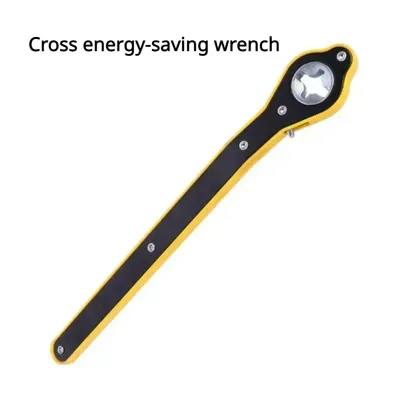
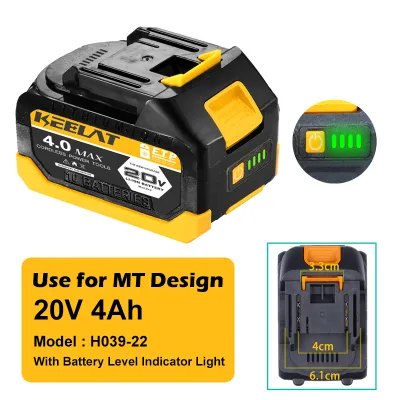
12 Lazada user ratings
Efficient lifting with double motor driver, Great value for money, Excellent customer service, Easy to use and operate, Safe and reliable fo…Read full reviewShow less
Efficient lifting with double motor driver, Great value for money, Excellent customer service, Easy to use and operate, Safe and reliable for car maintenance, Versatile with multiple power supply options,
👌Ease of Use:Durable and long-lasting, Powerful and efficient jack, Great value for money, Excellent customer service, 👜Portability:good 🔧Du…Read full reviewShow less
👌Ease of Use:Durable and long-lasting, Powerful and efficient jack, Great value for money, Excellent customer service, 👜Portability:good 🔧Durability:good
👌Ease of Use:Easy to use and operate, 👜Portability:Convenient and portable for car repairs, 🔧Durability:Good
Great product with great delivery
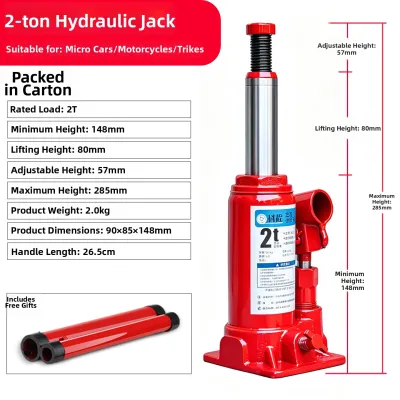
206 Lazada user ratings
The quality is great, but it turned out to be smaller than expected—it's definitely a mini version. The height of the max speed is a bit hig…Read full reviewShow less
The quality is great, but it turned out to be smaller than expected—it's definitely a mini version. The height of the max speed is a bit higher than the chassis, but that's okay; I'll just get a 5-ton one. The small mini version will come in handy, so I won’t be returning it.
The jack arrived, and although the box was a bit battered, the jack itself is in great shape and seems to be good quality. I tried it out an…Read full reviewShow less
The jack arrived, and although the box was a bit battered, the jack itself is in great shape and seems to be good quality. I tried it out and it works well. I bought it to keep in my small truck just in case I need it in the future.
The new jack just didn't work right away, so I suggest checking things out locally instead of settling for this option.
The product has a shiny, smooth appearance and feels solid in hand, really durable after it's set up!
The paint could be better, but it still has a unique look.
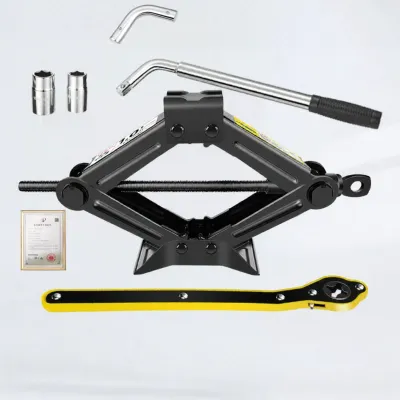
1 Lazada user ratings
The quality is excellent, and the materials are really thick. I'm very satisfied with the product.
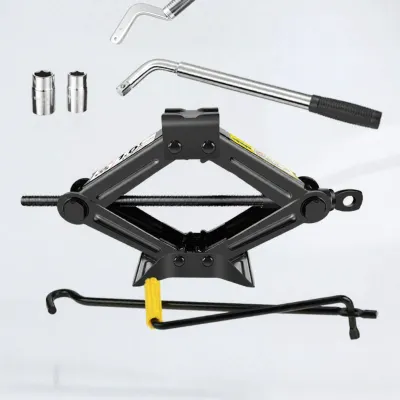
3 Lazada user ratings
The quality is great, and the seller really put effort into it. I definitely recommend it!
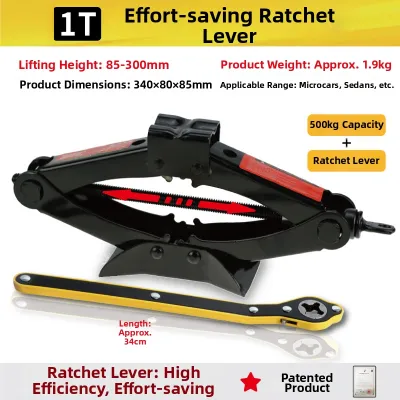
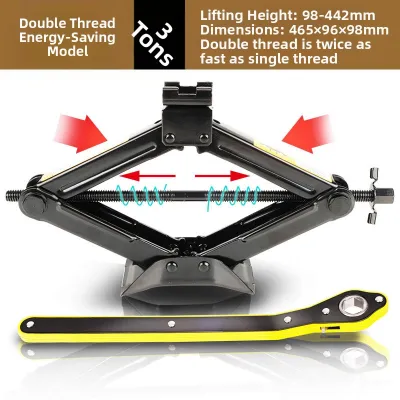
462 Lazada user ratings
It's really good, lifts the car up quickly, and the wrench is a great ratchet wrench.
The quality is great, it's easy to use, and the wrench operates smoothly.
The product quality is pretty good, and it's really convenient to use.
Really good, the quality is solid 👍
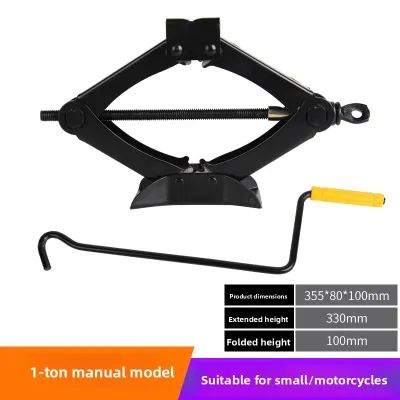
Prices are valid at publication and may change. Please refer to the product page for the latest price.
Finally, consult your vehicle’s owner’s manual to identify the exact manufacturer-designated lifting points. These areas are specifically reinforced to bear the concentrated weight of the vehicle during lifting. Placing a jack saddle under unreinforced body panels, floorboards, suspension arms, or steering components can lead to severe structural damage, bent frames, or sudden slippage. Always verify the location of these points visually before positioning your jack.
Choose the Right Jack Mechanism for Your Vehicle Class
Car jacks utilize different mechanical and hydraulic designs, each suited to specific vehicle classes and lifting scenarios. Scissor jacks are the most common mechanical option, often included as standard emergency equipment in vehicle boots. They operate via a central lead screw that draws the scissor arms together, raising the top saddle. Because they are highly compact, lightweight, and easy to store, they are excellent for emergency roadside tire changes on standard sedans. However, scissor jacks have a narrow footprint, offer limited lateral stability, and require significant physical effort to operate via a manual hand crank, making them unsuitable for heavy vehicles or regular garage maintenance.

Hydraulic floor jacks, also known as trolley jacks, feature a horizontal hydraulic cylinder mounted on a wheeled steel or aluminum chassis. They use a long pump handle to actuate a hydraulic piston, raising a lifting arm quickly and with minimal physical effort. Floor jacks provide exceptional stability due to their wide wheelbase and low center of gravity, making them the preferred choice for heavier SUVs, MPVs, and routine home garage maintenance. Their bulk and weight mean they are less portable, but their speed, safety, and precise lowering control make them indispensable for controlled environments like private driveways or multi-storey car park bays.
Bottle jacks utilize a vertical hydraulic cylinder shaped like a bottle, offering high lifting capacities in a relatively compact form factor. They are highly efficient at lifting heavy loads, making them popular for larger SUVs, light trucks, and modified off-road vehicles. However, bottle jacks have a high minimum starting height, meaning they cannot fit under low-clearance sedans. Additionally, their narrow base provides less lateral stability than a floor jack, requiring a perfectly flat, hard surface to operate safely.
Match the Jack to Your Repair Environment and Needs
Your choice of car jack should also reflect where and how you intend to use it. Emergency roadside use demands portability, lightweight construction, and compact dimensions so the tool can be stored safely in your boot without taking up valuable luggage space. In contrast, home garage maintenance prioritizes lifting speed, ergonomic comfort, and maximum stability, where a heavy-duty hydraulic floor jack is far superior despite its larger footprint.
The physical environment where you lift your vehicle introduces unique challenges. In Singapore, residential maintenance is often conducted on the flat concrete surfaces of HDB multi-storey car parks or private condominium driveways. These hard, level surfaces are ideal for wheeled floor jacks. However, if you encounter a roadside emergency on an uneven shoulder or soft ground, a standard jack can easily sink or tilt. In such scenarios, you must use a solid, wide support block or a specialized base plate to distribute the load and prevent the jack from tipping.
Material construction is another key consideration when balancing portability and durability. Aluminum jacks are significantly lighter than their steel counterparts, making them much easier to carry, position, and transport. However, they generally carry a higher price tag. Steel jacks are highly robust, durable, and cost-effective, but their substantial weight can make them cumbersome to lift in and out of a vehicle boot. Additionally, Singapore’s hot and highly humid climate can accelerate rust on steel components if they are stored in damp environments, making high-quality powder-coated steel or aluminum options highly desirable for long-term durability.
Verify Safety Margins and Physical Compatibility
Establishing strict safety boundaries is non-negotiable before purchasing or deploying any lifting equipment. When calculating the required capacity of your jack, never rely solely on the vehicle’s curb weight. A safe and reliable rule of thumb is to select a jack with a rated capacity that exceeds the weight of the vehicle’s heaviest axle, or choose a jack rated for at least 60% to 70% of the vehicle’s total GVWR. For example, a standard compact sedan can typically be lifted safely with a 2-tonne jack, whereas a mid-sized SUV or a fully loaded family MPV will require a jack rated for at least 3 tonnes to maintain a safe operating margin.
Physical compatibility between the jack saddle and your vehicle’s lifting points is equally critical. The saddle is the contact pad at the top of the jack that meets the vehicle’s frame. You must verify that the saddle shape and material align with your vehicle’s specific pinch weld or lifting pad geometry. Many modern vehicles feature thin pinch welds along the rocker panels that can easily bend under the pressure of a flat metal saddle. Using a slotted rubber adapter pad or a specialized jack pad protector prevents metal-on-metal contact, protecting the vehicle’s paint and undercoating from scrapes that could lead to corrosion.
Finally, you must adhere to the absolute safety rule of vehicle lifting: never place any part of your body under a vehicle supported only by a hydraulic or mechanical jack. Jacks are designed solely to lift a vehicle, not to support a static load over time. Hydraulic seals can fail without warning, causing the vehicle to drop instantly. Before commencing any work under or around the vehicle, you must lower the vehicle onto dedicated, properly rated jack stands placed on a flat, solid surface. Ensure the jack stands are rated to match or exceed the weight of the vehicle and are positioned at the manufacturer-approved support points.
Frequently Asked Questions (FAQ)
Can one car jack safely lift both a sedan and an SUV?
Yes, a single car jack can service multiple vehicle classes in a household, provided it meets the physical specifications of both cars. You must verify that the jack’s minimum collapsed height is low enough to slide under the sedan’s low-clearance lifting points, while its maximum lifting height and weight capacity are sufficient to safely raise and support the heavier SUV. A high-capacity, low-profile hydraulic floor jack is often the most versatile option for households with mixed vehicle types.
What are the signs that a hydraulic jack needs servicing?
Common indicators of hydraulic failure include a slow, unprompted descent while holding a load, a spongy feeling when pumping the handle, or a failure to reach its maximum lifting height. You may also notice visible hydraulic fluid leaking around the main piston or release valve. If you observe any of these signs, stop using the jack immediately. For safety reasons, do not attempt to disassemble the internal hydraulic chamber yourself; instead, consult a qualified professional or contact the manufacturer for seal replacement and proper maintenance.
Community discussion
Share your experience or ask a question. Comments are reviewed before publication.