
Selecting the correct car interior cleaner is a critical decision for any vehicle owner, as leather and fabric seats require fundamentally different chemical treatments to remain in optimal condition. Using an incompatible formula can strip away the essential protective coatings on leather or drive liquid stains deeper into fabric fibers, causing permanent damage. This guide provides the essential selection criteria, ingredient checks, and safety verification steps necessary to build a reliable shortlist of products tailored specifically to your vehicle’s upholstery and cleaning requirements.
To make an informed purchase, you should first understand how different cleaning agents interact with various materials. Leather requires pH-balanced, non-stripping formulas that preserve its moisture barrier, while fabric demands low-moisture foaming agents or deep-penetrating surfactants that lift stains without saturating the underlying foam. By matching the chemical properties of the cleaner to your specific seat material and the type of contamination you need to address, you can safely maintain your car’s interior value and comfort.
Identifying Seat Materials and Stain Types
Before purchasing any cleaning product, you should accurately identify your vehicle’s true seat material and assess the current level of contamination. Many modern vehicles feature a combination of materials, such as genuine leather seating surfaces paired with synthetic vinyl sides, or fabric inserts surrounded by faux-leather bolsters. Treating the entire seat with a single product without verifying these materials can lead to uneven wear or localized damage.
Products mentioned in this guide
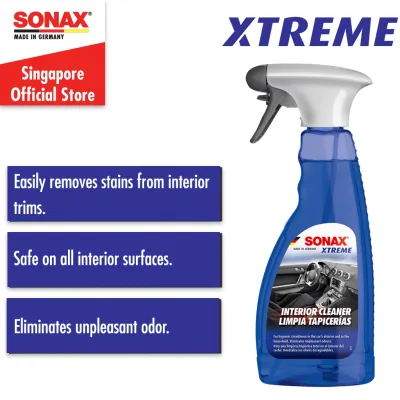
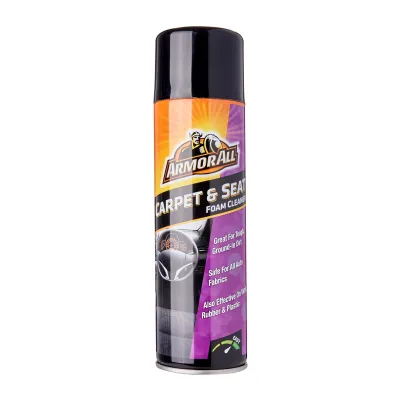
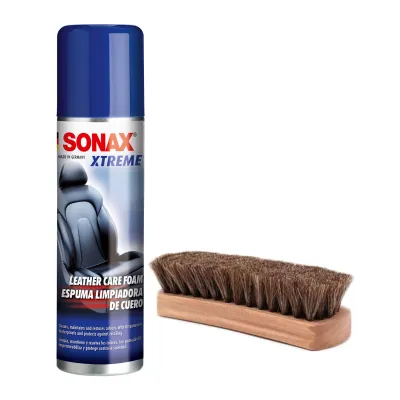
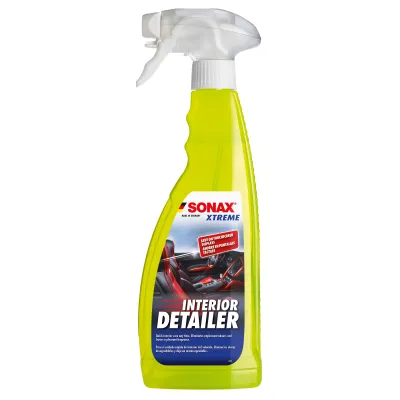
![Kyowashiko Car Interior Wipes 20P [Bundle Of 3]](https://img.lazcdn.com/g/p/aeae1114b0ccc1f70d39377ec23c74ac.jpg_400x400q80.jpg_.webp)
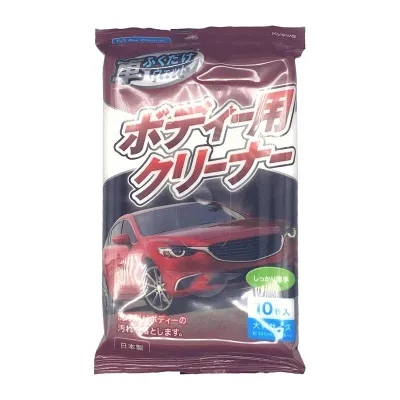
Prices are valid at publication and may change. Please refer to the product page for the latest price.
To distinguish between genuine leather, synthetic leather (often referred to as vinyl, PU leather, or leatherette), and fabric, you can use simple visual and tactile indicators. Genuine leather typically feels warm to the touch, features irregular grain patterns, and has a distinct, natural scent. If you apply a tiny drop of water to an inconspicuous, untreated area of genuine leather, it will slowly absorb the moisture. In contrast, synthetic leather feels more uniform, has a repeating grain pattern, and largely repels water droplets, which sit on the surface. Fabric or cloth seats are immediately recognizable by their woven textile structure, which is highly porous and absorbs liquids rapidly.
Once you have identified the material, evaluate the specific types of stains present on your seats, as this dictates the required chemical strength of the cleaner. Body oils, sweat, and skin lotions accumulate gradually on high-contact areas like headrests and side bolsters, requiring mild degreasing properties to break down organic lipids. Water-based spills, such as coffee, soda, or mud, require surfactants that can surround and lift the particles from the fibers. Dye transfer, which occurs when dark denim rubs off onto light-colored seats, is a stubborn chemical bond that requires specialized, gentle lifting agents rather than aggressive scrubbing.
Finally, check your vehicle owner’s manual before buying or applying any interior cleaner. Manufacturers often outline specific cleaning restrictions, list approved chemical types, or warn against certain ingredients that could void your interior trim warranty. For instance, some luxury vehicles with specialized semi-aniline leather require highly specific, ultra-mild care routines that differ significantly from standard coated leather maintenance.
What to Look for in Leather and Vinyl Cleaners
When shopping for leather and synthetic vinyl cleaners, your primary goal is to find a product that cleans effectively without degrading the material’s protective surface. Modern automotive leather is almost always finished with a thin, clear protective polyurethane topcoat designed to shield the hide from UV rays, friction, and minor spills. Using the wrong chemical can strip this topcoat, leaving the delicate leather underneath vulnerable to drying, cracking, and fading.

To protect this coating, look for product labels that explicitly state they are pH-balanced and free from harsh solvents, ammonia, or abrasive compounds. A neutral pH (around 7) helps ensure the cleaner will not react chemically with the polyurethane topcoat or the leather’s natural tanning agents. Avoid household detergents or industrial degreasers, which are highly alkaline and will rapidly dry out the material, leading to premature cracking.
You should also decide between dedicated leather cleaners and dual-action cleaner-and-conditioner products based on your seats’ current maintenance state. Dedicated leather cleaners focus solely on lifting dirt, oils, and grime from the pores and grain of the material, leaving a clean, residue-free surface. These are highly recommended for deep cleaning sessions or heavily soiled seats. Dual-action products, which combine cleaning agents with conditioning oils, are convenient for quick, routine maintenance of lightly soiled seats. However, using an all-in-one product on heavily soiled leather can trap dirt and oils beneath the new layer of conditioner, creating a sticky, dark buildup over time. For the best results, perform a deep clean with a dedicated cleaner first, then apply a separate leather conditioner.
Additionally, verify whether the product label explicitly states compatibility with modern coated leathers or perforated leather surfaces. If your vehicle features heated or ventilated seats, the leather will have thousands of tiny perforations. Thick, creamy cleaners or heavy paste waxes can easily clog these small holes, leaving unsightly white residues that are incredibly difficult to extract and can interfere with the seat’s ventilation system. For perforated surfaces, opt for thin, liquid spray formulas that can be misted lightly onto a microfiber cloth rather than sprayed directly onto the seat.
Key Features of Effective Fabric Seat Cleaners
Fabric seat cleaners are best selected with a focus on moisture control and fiber penetration. Unlike leather, which keeps liquids on the surface, fabric acts like a sponge. If you saturate a fabric seat with a liquid cleaner, the moisture will quickly penetrate deep into the polyurethane seat foam underneath. This trapped moisture can take days to dry completely, creating an ideal environment for mold, mildew, and unpleasant, musty odors to develop inside the cabin.
To prevent this issue, compare foaming aerosols against liquid spray formulations. Foaming cleaners are often more suitable for overall fabric cleaning because the thick foam sits on top of the fibers, lifting dirt and stains to the surface through capillary action without soaking the underlying cushion. This low-moisture approach helps ensure rapid drying times. Liquid sprays, on the other hand, are highly effective for targeted spot treatment of deep, localized stains, but they must be used sparingly and blotted immediately with a dry microfiber towel to prevent deep saturation.
Another key feature to look for is the inclusion of fabric guard or stain-repellent properties. Some advanced fabric cleaners leave behind a microscopic, hydrophobic polymer barrier on the fibers after they dry. This protective shield helps prevent future liquid spills from soaking into the fabric immediately, causing them to bead up on the surface so you can easily blot them away before a permanent stain forms.
Finally, pay close attention to the volatile organic compound (VOC) content and the odor profile of the cleaner. Because a car cabin is a small, enclosed space with limited airflow, chemical fumes can quickly become concentrated. Review product labels for low-VOC formulations and avoid products with heavy, synthetic fragrances that merely mask odors. Instead, look for cleaners that utilize active odor-eliminating technology to break down odor-causing molecules at the source, leaving a neutral, clean scent that is safe for passengers.
When to Use Multi-Surface Cleaners on Seats
All-purpose cleaners (APCs) and multi-surface interior cleaners are highly popular due to their versatility, but they must be used with caution on upholstered seats. Most APCs are concentrated alkaline solutions designed to cut through heavy grease on hard surfaces like engine bays, door jambs, and plastic trim. If applied to delicate seat materials at incorrect concentrations, they can cause severe chemical burns on leather or degrade fabric fibers.
If you choose to use an APC on your seats, you must carefully analyze the manufacturer’s dilution ratio requirements. A concentration that is safe for hard dashboard plastics (such as a 4:1 or 5:1 water-to-cleaner ratio) is often far too aggressive for leather or fabric. For seat cleaning, you will typically need to dilute the product significantly, often to a 10:1 or 20:1 ratio, to help ensure it does not strip coatings or fade dyes. Consider using distilled water for dilution to prevent mineral deposits from staining your upholstery.
It is also important to clarify which interior components are suitable for APCs and which typically require dedicated upholstery products. While APCs are excellent for cleaning hard plastics, vinyl door panels, steering wheels, and rubber floor mats, they should generally be avoided on genuine leather, Alcantara, and delicate woven fabrics. These sensitive materials lack the chemical resistance of hard plastics and require dedicated cleaners formulated with specific, gentle surfactants.
When dealing with unknown or mixed-material seat constructions, a recommended spot-testing procedure must be performed before widespread application. Apply a single drop of the diluted cleaner to a hidden area of the seat, such as the underside of the cushion or the lower back portion of the headrest. Let it sit for thirty seconds, then wipe it off with a clean, white microfiber cloth. Inspect the cloth for any color transfer and examine the seat material for changes in texture, stiffness, or gloss. If any negative reaction occurs, do not proceed with that cleaner.
Safety and Compatibility Checks Before You Buy and Use
Before finalizing your purchase of any car interior cleaner, whether from a local automotive store or an online marketplace, you should perform several safety and compatibility checks. Inspect the product packaging thoroughly to ensure it features a clear material compatibility list. Avoid products with vague labels that claim to clean all interior surfaces without specifying whether they are safe for genuine leather or delicate fabrics.
Additionally, check for intact safety seals and look for a manufacturing or expiration date on the bottle. Chemical formulations can break down, separate, or become unstable over several years, especially if stored in high-temperature environments like a garage or a car trunk. Purchasing a fresh, sealed product reduces the risk of applying an ineffective or chemically altered solution to your seats.
Once you have purchased the product, always execute a standardized colorfastness and material reaction test before applying it to visible seat surfaces. Dampen a clean, white microfiber cloth with a small amount of the cleaner and gently press it against an inconspicuous area of the seat for thirty seconds. Inspect the cloth; if any dye transfers to the cloth, or if the seat material darkens permanently or changes texture, stop using the product immediately.
Finally, understand the limits of DIY cleaning and know when to halt your efforts to seek professional automotive detailing services. If your vehicle has suffered deep-set mold infestation, or if a liquid spill has completely saturated the structural foam deep inside the seat, standard surface cleaners will not suffice. Attempting to clean deep foam saturation at home can lead to rusted seat frames, damaged electrical sensors for heated seats, or persistent mold. In these cases, seek professional automotive detailing services that utilize specialized hot-water extraction and ozone treatment equipment. Professional detailing services in the local market can range from S$150 to S$300 depending on the severity of the contamination, but this investment is necessary to preserve the structural and electrical integrity of your vehicle’s seats.
Frequently Asked Questions (FAQ)
Can I use household glass or multi-surface cleaners on car seats?
No, you should avoid using household glass or multi-surface cleaners on car seats. Household glass cleaners often contain ammonia, which strips the protective polyurethane topcoat off leather and dries out synthetic vinyl, leading to rapid cracking and peeling. General household multi-surface cleaners are typically formulated with high alkaline levels or harsh detergents designed for non-porous kitchen or bathroom surfaces. These chemicals can fade fabric dyes, leave sticky residues that attract more dirt, and void your vehicle’s interior warranty. It is highly recommended to use automotive-grade formulations designed specifically for the unique heat and UV exposure conditions of a car interior.
How often should I clean my leather versus fabric car seats?
Fabric seats should be vacuumed at least once a week to remove abrasive dirt and dust particles that wear down the fibers. A light surface cleaning with a low-moisture fabric cleaner should be performed every six months, or immediately when spills occur. Leather seats require a different cadence: wipe them down with a damp microfiber cloth every two to four weeks to remove body oils, and perform a deep clean followed by a dedicated leather conditioner every three to six months to maintain flexibility and prevent UV cracking.
Community discussion
Share your experience or ask a question. Comments are reviewed before publication.