
Finding the right car cup holder expander requires balancing the physical dimensions of your vehicle’s center console with the size of your favorite drinkware. If the expander’s base is too small, the entire unit will wobble and potentially spill hot liquids during transit. Conversely, if the upper receiver is too shallow or narrow, your premium insulated flasks or wide tumblers will remain unusable while you drive. By taking precise measurements of both your car’s factory cup holder and your daily bottles, you can select an accessory that remains secure, stable, and safe.
Many modern vehicles feature standardized cup holders designed primarily for disposable cups or small plastic bottles. However, drivers today increasingly prefer large, reusable insulated bottles that simply do not fit into these factory spaces. A cup holder expander bridges this gap, but choosing the wrong size can lead to loose fits, damaged consoles, or blocked gear shifters. Understanding how to measure your space and evaluate product specifications is the key to a successful upgrade.
Measure Your Vehicle's Existing Cup Holders
To find an expander that fits securely, you must first understand the exact geometry of your car’s built-in cup holders. Start by identifying the shape of the opening. While most factory holders are circular, some modern vehicles feature square, rectangular, or highly irregular shapes integrated into the center console. Use a precise measuring tool, such as a digital caliper or a standard tape measure, to find the maximum diameter of a circular holder, or the diagonal width of a non-circular opening.
Products mentioned in this guide
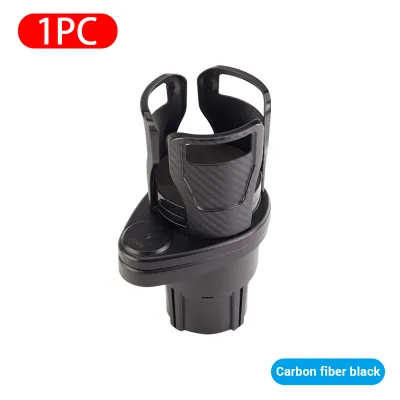
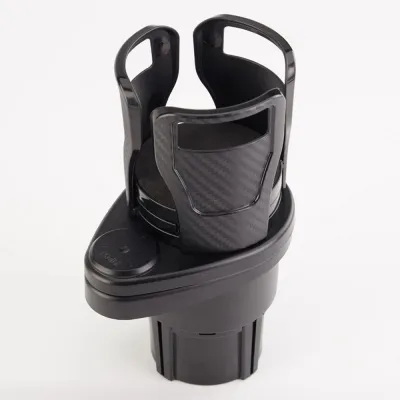
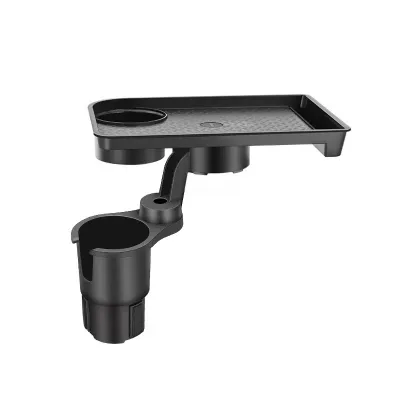
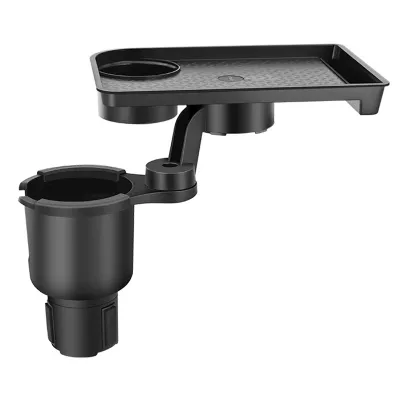
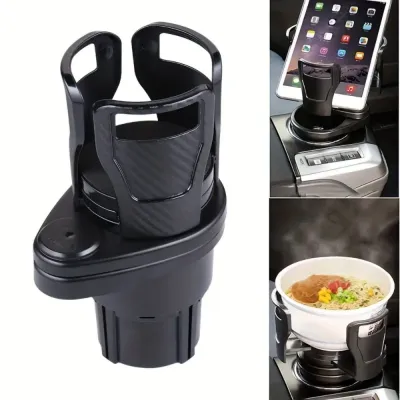
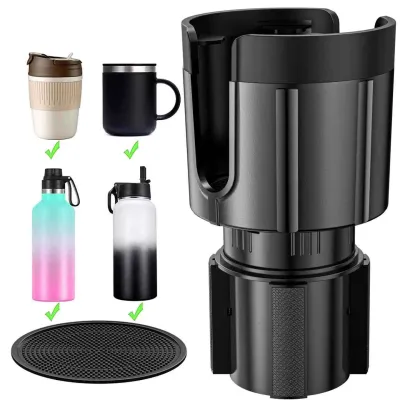
Prices are valid at publication and may change. Please refer to the product page for the latest price.
Next, measure the internal depth of the factory holder. Insert your measuring tool straight down until it touches the very bottom of the well. Note whether the bottom is flat or sloped, as a sloped base can cause an expander to sit at an angle. You must also check for any internal features that could obstruct an expander’s base. Many modern vehicles include spring-loaded tension tabs, rubber stabilizers, or removable plastic inserts designed to grip smaller cups. If these features are non-removable, they will reduce the usable diameter and depth of the holder, which you must account for in your final measurements.
Finally, observe the immediate surroundings of the console. Look for any physical obstructions that sit close to the rim of the cup holder. This includes low-hanging dashboard panels, climate control knobs, sliding console covers, or the gear shifter itself. If your factory cup holder is recessed deeply beneath an overhanging console lip, a wide expander may not have enough vertical or lateral clearance to sit flush. Documenting these spatial limitations now prevents the frustration of buying an accessory that physically cannot be installed.
Measure Your Bottles and Tumblers
Once you have mapped out your vehicle’s console, turn your attention to the drinkware you use on a daily basis. The primary goal of an expander is to accommodate oversized bottles, but it must also remain functional for smaller containers. Begin by measuring the widest point of your largest water bottle, insulated flask, or travel mug. If your bottle has a protective silicone boot or a tapered design, measure the diameter at the widest section that will sit inside the expander’s upper receiver.

Do not forget to measure the base of your smallest daily drink container, such as a standard coffee cup or a slim aluminum can. Some cup holder expanders feature a fixed, wide opening that cannot safely secure narrow bottles. If your smallest container is significantly narrower than the expander’s upper rim, it may rattle, tilt, or spill when you accelerate or brake. If you plan to carry a variety of bottle sizes, look for expanders that feature adjustable internal tension fins or stepped designs to accommodate multiple diameters.
Height is another critical dimension that directly impacts driving safety. Measure the total height of your tallest bottle when fully filled. A tall, heavy bottle raises the center of gravity of the entire assembly. When you navigate sharp turns, roundabouts, or sudden stops, this high center of gravity exerts significant leverage on the expander’s base. If the bottle is exceptionally tall, you will need an expander with a deeper upper receiver to provide adequate lateral support and prevent the bottle from tipping out of the holder entirely.
Match Expander Features to Your Measurements
With your measurements in hand, you can now evaluate the different expander designs available on the market. The most critical component to match is the base expansion mechanism. Many high-quality expanders utilize an adjustable twist-to-expand base. When you rotate the upper portion of the expander, it drives out adjustable plastic wedges or pads that press firmly against the walls of your factory cup holder. Compare the minimum and maximum expansion ranges stated in the product specifications with your factory holder’s diameter to ensure a tight friction fit.
Alternative base designs include drop-in models with flexible rubber or foam fins. These bases rely on the compression of the material to hold the expander in place. While these are quick to install, they are best suited for standard, circular factory holders that closely match the diameter of the foam base. If your vehicle has an irregular or slightly oversized holder, an adjustable mechanical base is generally more reliable. Always check the manufacturer’s specifications to verify that the base can expand at least a few millimeters wider than your measured factory opening to guarantee a secure lock.
Next, compare the dimensions of the expander’s upper receiver with your bottle measurements. The inner diameter of the receiver must be slightly larger than the widest point of your largest bottle, allowing for easy insertion and removal while driving. If you frequently use travel mugs with side handles, look specifically for expanders that feature a built-in handle slot. Additionally, review the product documentation for weight capacity limits. A full 40-ounce insulated flask filled with liquid and ice is heavy; ensure the expander’s materials and joint mechanisms are rated to support that weight without flexing or cracking over time.
Check Installation Clearances and Safety Boundaries
Before finalizing your purchase, you must visualize how the expander will interact with your vehicle’s cabin during active driving. An expander naturally sits higher and wider than the factory cup holder, which can create unexpected physical interference. Sit in the driver’s seat and simulate shifting gears, engaging the parking brake, and adjusting the infotainment or climate controls. Ensure that a wide expander, especially when holding a tall bottle, will not block your hand’s natural path to these critical controls.
You must also check the clearance of your center console’s storage compartments. Many vehicles feature a split-opening armrest or a sliding console lid directly behind or adjacent to the cup holders. If the expander’s upper receiver extends too far horizontally, it may prevent you from opening the armrest to access your belongings, or it may constantly rub against the console trim, causing unsightly scratches. Measure the distance from the center of your factory cup holder to the edge of the armrest to ensure there is sufficient clearance.
Safety must always remain your primary concern when modifying your vehicle’s interior. Under no circumstances should an expander or a large bottle obstruct your forward or side visibility, block your view of the side mirrors, or interfere with the deployment zones of your vehicle’s airbags. If your factory cup holders are located high on the dashboard or near the A-pillars, a tall bottle could create a dangerous blind spot. If you find that any potential setup compromises your ability to operate the vehicle safely, stop the installation immediately and consult a professional vehicle accessory installer or select a different mounting solution.
Install and Test the Expander for a Secure Fit
Once you have selected and received the correct expander, proper installation is key to ensuring long-term stability. Start by thoroughly cleaning your vehicle’s factory cup holder. Remove any dust, sticky residue, or loose coins, as these can prevent the expander’s base pads from making full contact with the plastic walls. If your expander features an adjustable twist base, place it into the holder and slowly rotate the expansion dial. Tighten the mechanism until you feel firm resistance, but avoid using excessive force, which could crack the factory console plastic.
With the expander installed, perform a series of static tests before hitting the road. Insert your largest, heaviest bottle while it is completely full of water. Grasp the top of the bottle and gently wiggle it in all directions. The expander’s base should remain firmly anchored inside the factory holder without lifting, tilting, or sliding. Next, insert your smallest container to verify that it does not rattle excessively or sit at an unstable angle.
Finally, conduct a low-speed dynamic test in a safe, controlled environment, such as an empty parking lot or a quiet residential street. Drive the vehicle through a series of gentle turns, accelerate moderately, and apply the brakes to simulate normal traffic conditions. Observe the behavior of the expander and the bottle. If you notice any shifting, popping out, or excessive vibration, park the vehicle and adjust the tension of the base. Regular checks are recommended, as cabin temperature fluctuations and road vibrations can cause adjustable mechanisms to loosen slightly over time.
Frequently Asked Questions (FAQ)
Can I use a cup holder expander in a car with a recessed or unusually shaped console?
Yes, but you must select an expander specifically designed with an offset or adjustable base. Some models allow the upper receiver to be positioned off-center relative to the base, which helps clear overhanging dashboard elements or nearby console walls. If your vehicle features a square or highly irregular factory holder, look for expanders that include specialized adapter pads or modular base inserts. Always consult the manufacturer’s compatibility guidelines or product specifications to verify if the base can adapt to non-circular shapes before purchasing.
Will an expander damage my car's interior or factory cup holder?
An expander can potentially scratch or crack your vehicle’s interior if installed incorrectly or if it lacks protective features. To prevent damage, choose an expander that features soft silicone, rubber, or high-density foam padding on the contact points of the expandable base. These materials grip the factory holder securely while protecting the plastic from scratches. Additionally, never force an adjustable base beyond its natural resistance point, as excessive expansion pressure can easily crack the delicate plastic housing of your center console.
Community discussion
Share your experience or ask a question. Comments are reviewed before publication.