
Choosing the right car cleaning wipes depends entirely on whether your vehicle has leather or fabric seats. Using a leather-specific wipe on fabric leaves a greasy, dust-attracting residue, while using a fabric-specific wipe on leather can strip away the essential protective topcoat, leading to premature cracking and fading. To maintain your car’s interior value and appearance, you must match the chemical formulation of the wipe to the specific physical properties of your seat material.
Car cleaning wipes offer a convenient, pre-moistened solution for quick maintenance and emergency spill cleanup. However, because leather and fabric possess completely different chemical structures and physical vulnerabilities, a single “one-size-fits-all” approach to cleaning can cause irreversible damage. Understanding the unique requirements of each material ensures your seats remain clean, comfortable, and structurally sound for years to come.
Identify Your Car Seat Material First
Before purchasing any car cleaning wipes, you must accurately identify the exact material of your vehicle’s seats. Modern automotive interiors utilize a wide range of materials, some of which are designed to mimic genuine leather so closely that a simple visual glance can be misleading.
Products mentioned in this guide
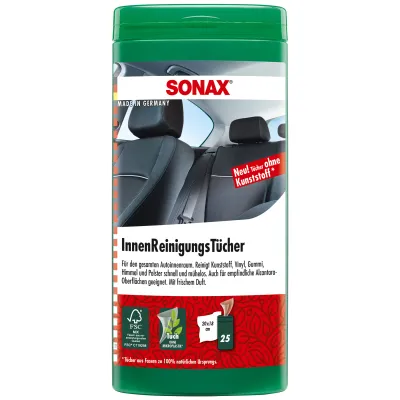
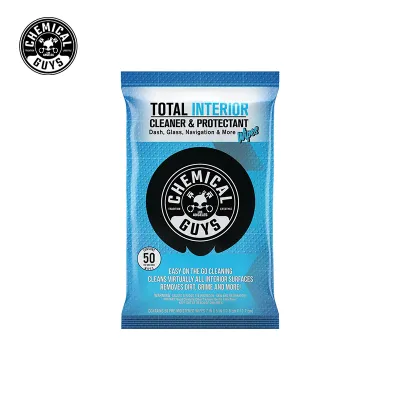
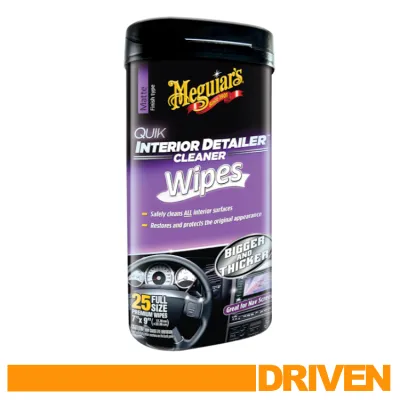

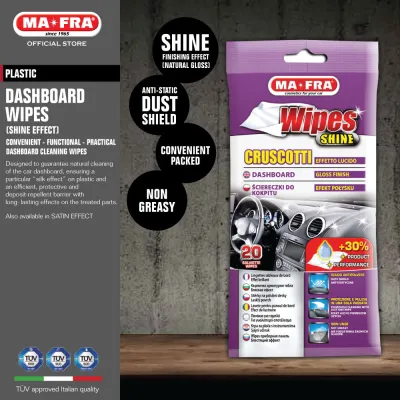
![[ Bundle of 2 ] 303 Automotive Protectant Wipes - 25 pieces per bottle](https://img.lazcdn.com/g/p/d3306005aba9eb4435fbf16f53e5fe5a.png_400x400q80.png_.webp)
Prices are valid at publication and may change. Please refer to the product page for the latest price.
To distinguish between genuine leather and synthetic leather (often referred to as vinyl, leatherette, or vegan leather), perform a tactile and visual inspection. Genuine leather features natural, irregular grain patterns with unique imperfections, pores, and a distinct organic scent. When pressed gently with a finger, genuine leather will typically show fine, radiating wrinkles around the point of pressure.
Synthetic leather, by contrast, displays a highly uniform, repeating grain pattern created by embossing machines. It tends to feel slightly more plastic-like, cool, or smooth to the touch, and it does not wrinkle in the same organic manner when pressed. Synthetic leather is highly non-porous, meaning it does not absorb liquids or conditioning oils in the same way genuine leather does.
Fabric seats are easily identified by their woven textile fibers, which are highly porous and soft to the touch. Common fabric materials include nylon, polyester, and jacquard knits. Additionally, some premium vehicles feature Alcantara or synthetic suede, which consists of ultra-fine microfibers that require extremely gentle, specialized care to prevent the delicate pile from matting.
If you are uncertain about your seat material, consult your vehicle owner’s manual or the original manufacturer specifications. Many modern vehicles feature mixed-material seats, such as genuine leather bolsters paired with fabric or synthetic suede center inserts. Identifying these distinct zones is crucial because each zone requires a different cleaning product.
Furthermore, you must determine if your leather seats are coated or uncoated. The vast majority of modern vehicles are equipped with coated leather, which features a thin, protective polyurethane topcoat applied at the factory. This coating protects the underlying leather from stains and wear but is highly sensitive to harsh chemical solvents. Uncoated leather, such as aniline or semi-aniline, is highly porous and will absorb liquids instantly, requiring specialized, ultra-gentle care products rather than standard wipes.
Understanding Leather-Specific Car Cleaning Wipes
Leather-specific car cleaning wipes are engineered to address the unique chemistry of both genuine and coated leather surfaces. Unlike household cleaners, these wipes are formulated to lift light surface dirt, dust, and body oils without stripping away the natural moisture or the protective factory topcoat.

The core function of a quality leather wipe is to provide gentle cleaning while depositing mild conditioning agents and UV protectants. Because leather is an organic material, exposure to sunlight and high cabin temperatures can cause it to dry out, stiffen, and eventually crack. The conditioning agents in the wipe help maintain the leather’s natural flexibility, while UV inhibitors shield the surface from solar degradation.
When selecting leather wipes, always verify the product label for specific safety indicators. Look for formulations that are explicitly described as “pH-balanced” and “alcohol-free.” The natural pH of automotive leather is slightly acidic, typically ranging between 4.5 and 5.5. Using highly alkaline or acidic cleaners can disrupt this balance, leading to premature breakdown of the leather fibers and the protective polyurethane coating.
Additionally, check the label to ensure the wipes do not contain harsh solvents, ammonia, or heavy silicones. While silicones can provide a temporary, high-gloss shine, they often leave a slippery, greasy residue that attracts dust and can degrade the leather’s breathability over time. A matte or satin finish is generally a sign of a healthier, cleaner leather surface.
Stop using any leather wipe immediately if you notice the product leaves a sticky film, causes the leather to feel stiff, or if the label does not explicitly state compatibility with automotive-grade leather. Household leather wipes, such as those designed for furniture or shoes, may contain heavier oils and waxes that are unsuitable for the thin protective topcoats used in modern car interiors.
Understanding Fabric-Specific Car Cleaning Wipes
Fabric-specific car cleaning wipes are designed to penetrate the porous, woven fibers of textile seats to break down and lift organic stains, dirt, and odors. Because fabric seats absorb liquids and trap dust deep within their weave, the cleaning chemistry must be highly effective at lifting particles without leaving a residue that attracts future dirt.
The core function of fabric wipes relies on mild surfactants that emulsify oils and suspend dirt particles, allowing them to be transferred onto the wipe. Many fabric-specific wipes also incorporate quick-drying agents to minimize the amount of moisture left behind, which helps prevent the growth of mold or mildew within the underlying seat foam. Some formulations may also include fabric protectors that leave a temporary water-repellent barrier on the fibers.
When verifying fabric wipes, check the product label to confirm suitability for “upholstery,” “automotive fabric,” or “cloth seats.” Read the application instructions carefully to determine if a subsequent wipe-down with a clean, damp microfiber cloth is recommended. Some surfactant-heavy wipes require this step to ensure no active cleaning agents remain on the fibers, as dried surfactant residue can act like a magnet for dirt, leading to rapid re-soiling.
Avoid using fabric wipes that contain heavy waxes, silicones, or gloss-enhancing chemicals. These ingredients are designed for hard plastics or leather and will leave a greasy, dark stain on woven textiles. Additionally, be aware of the physical limits of fabric wipes; they are highly effective for surface-level maintenance, dust removal, and immediate spill response, but they cannot extract deep, set-in stains or large liquid spills that have penetrated deep into the seat cushion.
If a fabric wipe fails to remove a deep stain, do not scrub aggressively, as this can fray the textile fibers and spread the stain. Instead, stop using the wipe and transition to a dedicated fabric extraction machine or consult a professional automotive detailer.
Key Decision Factors: Leather vs Fabric Wipes
Choosing the correct wipe requires a clear decision framework based on your vehicle’s specific interior configuration. Using the wrong product can lead to costly cosmetic damage that is difficult or impossible to reverse.
For vehicles with genuine leather, semi-aniline leather, or synthetic leather (vinyl/leatherette) seats, choose dedicated leather wipes. While synthetic leather does not absorb conditioning oils in the same way genuine leather does, it still benefits from the mild, pH-balanced, non-stripping cleaning agents found in leather wipes. Avoid using harsh fabric cleaners on synthetic leather, as they can dry out the vinyl and cause it to crack.
For vehicles with cloth, nylon, polyester, or Alcantara seats, choose fabric-specific wipes. Alcantara and synthetic suede require extreme caution; ensure the wipe is explicitly labeled as safe for Alcantara or delicate microfibers, and never use a standard leather wipe on these surfaces, as the oils will permanently mat the fine fibers.
If your vehicle features mixed-material seats—such as leather bolsters with fabric or Alcantara inserts—you must use both types of wipes, applying each product strictly to its designated material. Alternatively, you can use a high-quality, dedicated microfiber cloth lightly dampened with plain water for general dusting across both materials, reserving specialized wipes for targeted spot cleaning.
The risks of cross-contamination are significant. If you use a leather wipe on fabric seats, the conditioning oils and silicones will transfer directly onto the textile fibers, creating a dark, greasy spot that attracts dirt and is highly resistant to standard cleaning. Conversely, if you use a fabric wipe on leather, the surfactants and cleaning agents may strip the delicate polyurethane protective topcoat, leaving the leather vulnerable to UV damage, dye transfer from clothing, and physical cracking.
While “all-purpose” interior wipes are widely available, they are generally formulated as a compromise to clean hard plastics, vinyl dashboards, and rubber trim. They often lack the conditioning agents required to preserve leather and the specific surfactants needed to lift stains from woven fabric. Use all-purpose wipes only as a temporary emergency solution for non-porous surfaces, and rely on dedicated, material-specific products for your seats.
Safe Application and Testing Procedures
To prevent accidental damage to your car seats, always follow a systematic testing and application procedure when using any new cleaning wipe. Even products labeled as safe can react unexpectedly with aftermarket treatments, dye lots, or worn surfaces.
Before cleaning a highly visible area of your seat, perform a spot test on a hidden section. Excellent locations for spot testing include the lower side bolster near the seat adjustment controls, the back of the headrest, or the underside of the seat cushion. Gently wipe a small area, allow it to dry completely, and inspect the surface under bright, natural light. Check for any color transfer onto the wipe, surface discoloration, stiffening of the material, or unusual watermarks.
When applying the wipe to the seat, use light, circular motions without aggressive scrubbing. Pressing too hard can abrade the protective topcoat of leather or fray the woven fibers of fabric seats, driving the dirt deeper into the material. Work in small, manageable sections, and replace the wipe as soon as it becomes soiled to avoid transferring dirt back onto the seat.
Always observe key safety boundaries during application. Avoid getting excessive moisture near seat adjustment controls, heating or ventilation elements, and side-airbag seams. Liquid entering these electrical or safety-critical areas can cause malfunctions or damage sensitive electronic components. If your vehicle is equipped with ventilated seats, ensure the wipe is not so wet that liquid pools inside the perforations.
After wiping, allow the seats to air dry completely before sitting on them or closing the vehicle doors. Leaving the windows open slightly can help accelerate the drying process and prevent moisture from becoming trapped in the cabin. If the instructions on the cleaning wipe conflict with your vehicle manufacturer’s care guidelines, always defer to the vehicle manufacturer or consult a qualified professional detailer.
Frequently Asked Questions (FAQ)
Can I use baby wipes or household disinfecting wipes on car seats?
No, you should avoid using baby wipes or household disinfecting wipes on your car seats. Baby wipes are formulated for human skin and often contain moisturizers, oils, and fragrances that leave a slippery, dulling film on leather and a sticky residue on fabric that attracts dirt. Household disinfecting wipes typically contain high concentrations of isopropyl alcohol, bleach, or harsh chemical disinfectants designed for hard, non-porous surfaces. These ingredients will rapidly strip the protective polyurethane topcoat of leather, causing it to dry out, fade, and crack, and can degrade or discolor fabric dyes and fibers.
How often should I use cleaning wipes on my car interior?
For daily maintenance, a dry or slightly damp microfiber cloth is sufficient to remove dust and loose debris from both leather and fabric seats. You should use specialized cleaning wipes periodically—typically once every two to four weeks for high-use vehicles, or immediately after a spill occurs to prevent stains from setting. Adjust this frequency based on visible soiling, local climate conditions (such as high humidity and heat, which accelerate leather drying and mold growth in fabric), and the specific maintenance cycles recommended on the product label. Avoid over-using wet wipes, as excessive moisture and chemical exposure can prematurely wear down seat materials.
Community discussion
Share your experience or ask a question. Comments are reviewed before publication.