
Choosing the right car bumper lip requires balancing material durability, precise vehicle fitment, and aesthetic preferences against the practical realities of your daily driving environment. In Singapore, where steep multi-storey car park ramps, high speed bumps, and intense tropical heat are constant factors, selecting an inappropriate bumper lip can lead to costly damage, compromised vehicle safety, or clearance issues. A well-chosen bumper lip not only enhances the visual stance of your vehicle but can also offer minor protection to the lower edge of your factory bumper, provided it is selected and installed with careful attention to technical specifications.
Understanding Bumper Lip Materials and Durability
When selecting a car bumper lip, the material composition is the most critical factor determining how well the accessory withstands daily driving hazards and environmental exposure. The three most common materials used in aftermarket manufacturing are polyurethane (PU), Acrylonitrile Butadiene Styrene (ABS) plastic, and carbon fibre, each offering distinct physical properties, advantages, and trade-offs.
Polyurethane is highly favored for its exceptional flexibility and impact resistance. Because PU can bend and flex under physical stress, it is highly resilient against low-speed scrapes on curbs, steep driveways, or high speed bumps, often absorbing the impact without cracking or breaking. However, PU is heavier than alternative materials and can warp under prolonged exposure to high temperatures and intense UV radiation if it is not properly secured or painted with UV-inhibiting coatings. Painting PU also requires specialized elastomeric additives (flex agents) so the paint does not crack when the material flexes.
Products mentioned in this guide
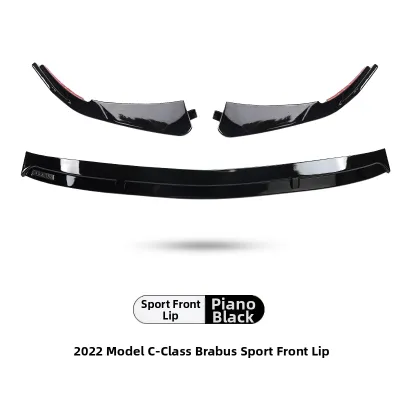
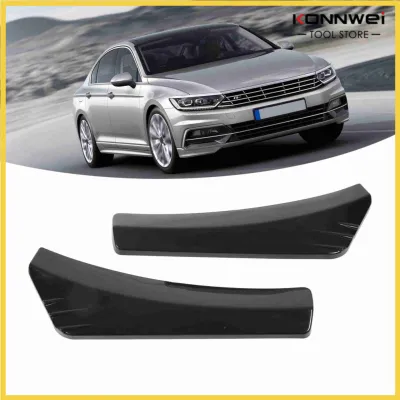
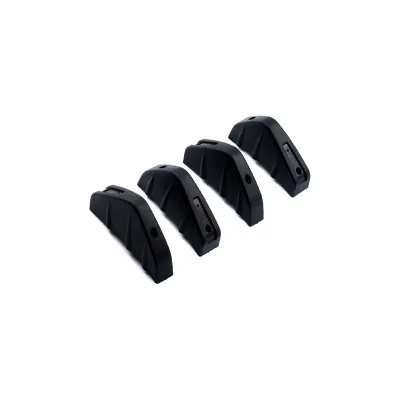
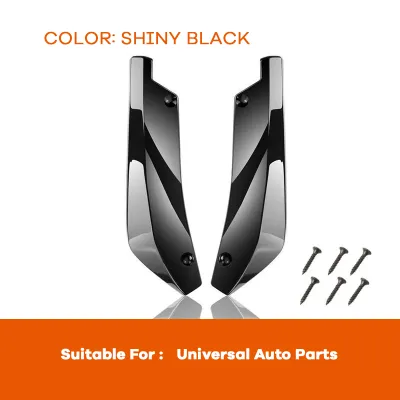
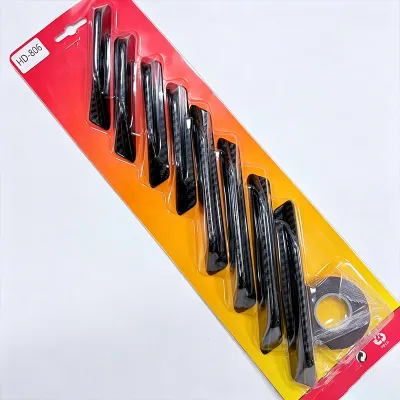
1 Lazada user ratings
It's easy to install and it really spruces things up, which is great!
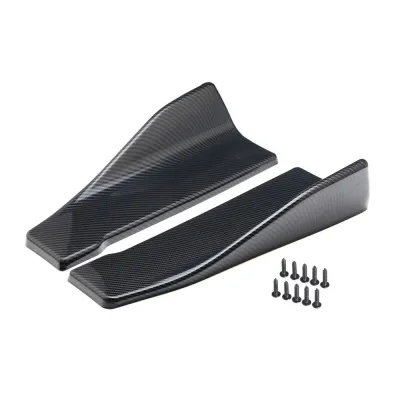
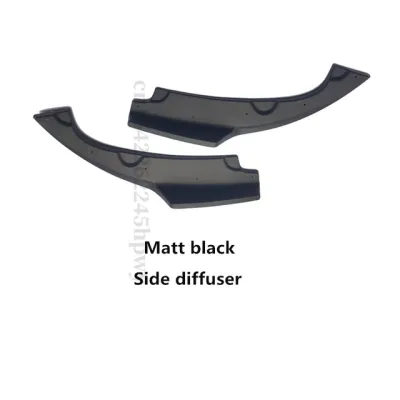
1 Lazada user ratings
The item arrived ahead of schedule, and the quality feels solid! 😊
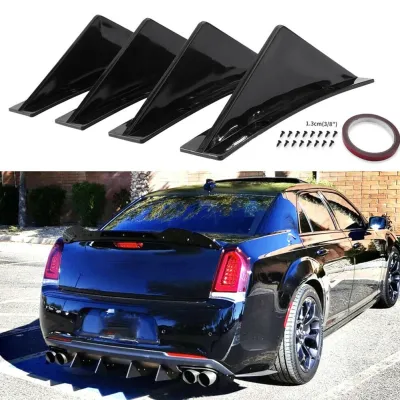
Prices are valid at publication and may change. Please refer to the product page for the latest price.
ABS plastic is a rigid, lightweight thermoplastic that is highly cost-effective and holds its molded shape perfectly under normal operating temperatures. It is widely used for original equipment manufacturer (OEM) trim. However, because ABS is rigid, it lacks the impact-absorbing flexibility of PU; a sharp impact with a high curb or road debris can cause ABS to crack or shatter rather than bend.
Carbon fibre reinforced polymer (CFRP) offers an exceptional strength-to-weight ratio and a highly sought-after motorsport aesthetic. It is extremely rigid and does not warp under thermal stress. However, carbon fibre has virtually no flexibility; any significant impact will result in structural cracking, splintering, or complete failure, which cannot be easily repaired. Additionally, the clear resin coat used to seal carbon fibre is highly susceptible to UV degradation in tropical climates, leading to yellowing, hazing, or delamination if the product lacks a high-quality, UV-resistant marine-grade clear coat.
To maintain the structural integrity of your bumper lip, perform regular visual inspections. Look for stress cracks around mounting holes, fading or chalking of unpainted plastics, and bubbling or peeling of the clear coat on carbon fibre components.
Evaluating Fitment: Custom vs. Universal Options
Achieving a secure and visually seamless fitment is essential for both aesthetic appeal and road safety. Bumper lips are generally categorized into model-specific custom-fit options and universal alternatives, each presenting unique structural and installation characteristics.

Custom-fit (model-specific) lips are engineered to match the exact contours, curves, and mounting points of a specific vehicle’s factory bumper. They offer a seamless, integrated appearance and typically utilize existing factory mounting holes or clips, minimizing the need for aggressive modifications. However, custom-fit options require precise verification of your vehicle’s chassis code, model year, and trim level (for example, a bumper lip designed for a standard bumper will not fit an sport-package bumper variant).
Universal bumper lips, often made of flexible rubber, foam, or multi-piece adjustable plastic sections, are designed to conform to a wide range of bumper shapes. While they are generally more affordable and widely available, they present significant structural trade-offs. Universal options often rely heavily on adhesive backing or self-tapping screws driven directly into the bumper underside, which may not provide sufficient structural integrity at highway speeds, leading to sagging or detachment.
Before purchasing any bumper lip, always cross-reference the manufacturer part number with your vehicle’s exact chassis code (e.g., checking the vehicle log card or chassis plate). Verify if your vehicle has undergone any facelift modifications, as mid-cycle refreshes often alter the lower bumper geometry. Ensure compatibility with any existing aftermarket body kits or splitters.
Installing a bumper lip can alter the vehicle’s aerodynamics and structural load distribution. Before undertaking any installation, consult your vehicle’s original manufacturer documentation regarding exterior modifications. If the installation requires removing the front bumper assembly, drilling into structural bumper reinforcements, or modifying active aerodynamic components (such as active grille shutters), stop immediately and seek qualified professional installation at a licensed body shop. Improperly secured lips can detach at high speeds, posing a severe safety hazard to you and other road users.
Matching Style and Aerodynamic Function
Selecting a bumper lip style involves balancing your aesthetic goals with the practical limitations of ground clearance and vehicle sensor systems. The visual impact of a bumper lip can range from subtle enhancements to aggressive, track-inspired designs.
Subtle OEM-style lips add a clean, understated extension to the factory lines, slightly lowering the visual profile without drastically reducing ground clearance. Aggressive front splitters extend further forward and outward, mimicking track-focused aerodynamics to create a wider, lower stance. Multi-piece lips offer modular styling but introduce more seams and potential failure points.
Adding a bumper lip inevitably reduces your vehicle’s approach angle—the maximum angle of a ramp that the vehicle can climb from a flat surface without scraping. In Singapore, navigating steep multi-storey car park ramps, drainage dips, and high speed bumps requires careful calculation. A lip that extends too far forward (increased overhang) or drops too low will frequently scrape, leading to rapid material degradation or structural damage to the bumper itself. Measure your current ground clearance and simulate the added depth before purchasing.
Modern vehicles are equipped with an array of front-facing sensors, including ultrasonic parking sensors, surround-view cameras, and radar units for adaptive cruise control or autonomous emergency braking. An aggressively styled or improperly positioned bumper lip can protrude into the field of view of these sensors, causing false collision warnings, system errors, or complete sensor failure. Before purchasing, verify the sensor mounting locations on your factory bumper and check if the lip design obstructs these areas.
Installation and Maintenance Checklist
A secure installation and a disciplined maintenance routine are vital to ensure your bumper lip remains safely attached and looks its best over its lifespan. Proper surface preparation and the right hardware are the foundation of a successful installation.
The mounting surface must be meticulously cleaned to ensure proper adhesion. Use only label-authorized automotive surface cleaners, such as isopropyl alcohol solutions, to remove road grime, wax, and grease without damaging the factory paint.
Secure installation typically requires a combination of high-strength, automotive-grade double-sided acrylic foam tape (such as 3M VHB) and mechanical fasteners (screws, bolts, and washers). Relying solely on adhesive tape is highly discouraged for rigid lips, as wind resistance at highway speeds can easily shear the adhesive bond. Use corrosion-resistant stainless steel or aluminum hardware to prevent rust.
Wash the bumper lip regularly using pH-neutral car shampoo and soft microfiber wash mitts. Avoid using abrasive polishes, harsh chemical solvents, or degreasers on painted or carbon fibre finishes, as these can strip protective coatings. When using a high-pressure washer, never direct the spray nozzle closely at the mounting seams or adhesive lines, as the high pressure can force water behind the tape and compromise the bond.
Regularly inspect the bumper lip for signs of loose fittings, missing screws, or structural cracking. If you observe any play or movement when applying light manual pressure, or if the adhesive tape begins to peel, stop driving the vehicle immediately. Loose components must be securely re-anchored or completely removed before operating the vehicle on public roads to prevent dangerous detachment.
Building Your Shortlist: Decision Matrix
Synthesizing your options into a practical shortlist requires evaluating your daily driving habits, budget, and the specific requirements of your vehicle. By aligning these factors, you can make an informed decision that balances style with long-term usability.
Create a decision path based on your daily driving routes and parking environments. If your daily commute involves navigating steep ramps in older multi-storey car parks, prioritize flexible polyurethane (PU) materials and subtle OEM-style profiles that preserve maximum ground clearance. If your routes are primarily flat highways and you prioritize aesthetic customization, rigid ABS or carbon fibre may be suitable, provided you accept the higher risk of impact damage.
When sourcing a bumper lip from online marketplaces or local distributors, verify the seller’s return policies and warranty terms. Ensure they offer clear guarantees regarding fitment compatibility and that they accept returns if the product does not align with your factory bumper contours without excessive modification. Avoid sellers who cannot provide precise chassis compatibility details.
A realistic budget must extend beyond the purchase price of the bumper lip itself. Factor in the costs of professional painting (to match your vehicle’s factory paint code), high-quality mounting hardware, and professional installation fees at a reputable body shop. Attempting to save costs on installation or hardware often results in premature product failure or damage to your vehicle’s original bumper, leading to higher long-term expenses.
Frequently Asked Questions (FAQ)
Will a bumper lip affect my car's ground clearance?
Yes, any aftermarket bumper lip will reduce your vehicle’s ground clearance and alter its approach angle. The extent of this reduction depends on the lip’s vertical thickness and how far it extends forward from the bumper. Even a modest lip can reduce clearance by 20mm to 50mm, which significantly increases the risk of scraping on steep driveways, speed bumps, and multi-storey car park ramps. If your vehicle has been lowered on aftermarket springs or coilovers, you must be exceptionally cautious and measure your remaining clearance before selecting a lip style.
Can I install a bumper lip myself, or do I need a professional?
While simple, flexible rubber universal lips can often be installed as a DIY project using basic hand tools and adhesive tape, rigid custom-fit lips generally require professional installation. Proper alignment is critical to ensure the lip is centered and does not create aerodynamic instability or block factory sensors. Professional installation is highly recommended if the process requires drilling new mounting holes into the factory bumper, removing the bumper assembly, or integrating the lip with active aerodynamic components. A professional body shop ensures secure mechanical fastening that can withstand highway-speed wind resistance.
How do I clean and maintain a carbon fibre or painted bumper lip?
To preserve the finish of a painted or carbon fibre bumper lip, wash it regularly using a pH-neutral car shampoo and a soft microfiber wash mitt. Avoid using abrasive compounds, harsh chemical solvents, or stiff brushes that can scratch the clear coat or paint. For carbon fibre lips, apply a high-quality, UV-blocking wax or sealant every few months to protect the resin from yellowing and degradation caused by intense tropical sunlight. When washing your vehicle, keep high-pressure spray nozzles at a safe distance from the mounting seams to prevent water intrusion from weakening the adhesive tape.
Community discussion
Share your experience or ask a question. Comments are reviewed before publication.