
Choosing the right car bumper guard requires balancing your vehicle’s specific design, your daily driving habits, and the physical constraints of your regular parking environments. In Singapore’s highly urbanised landscape, parking spaces are notoriously tight, making minor bumper scrapes and dings an almost inevitable part of vehicle ownership. A well-chosen bumper guard acts as a sacrificial barrier, absorbing low-speed impacts and protecting your car’s costly paintwork and structural integrity.
To make an informed decision, you must evaluate where you park, how your car is designed, and what materials can withstand the local climate. The ideal protective accessory should shield your vehicle from daily hazards without interfering with its safety systems, parking sensors, or aesthetic appeal. By matching the guard style to your specific parking risks and verifying compatibility with your vehicle model, you can preserve your car’s resale value and enjoy peace of mind on the road.
Assess Your Daily Parking Environment and Risk Level
Your typical parking routine is the primary factor that determines the level of bumper protection your car requires. Singapore’s parking infrastructure varies widely, from modern, spacious commercial bays to older, highly congested residential lots. Identifying where your vehicle spends most of its stationary time allows you to pinpoint the specific physical hazards it faces daily.
Products mentioned in this guide
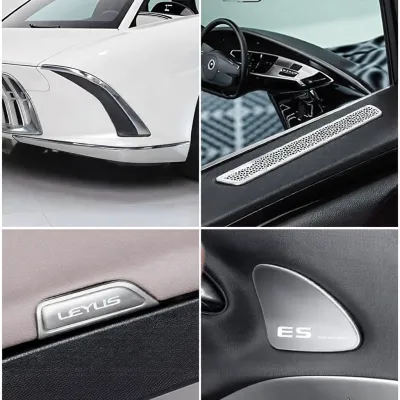
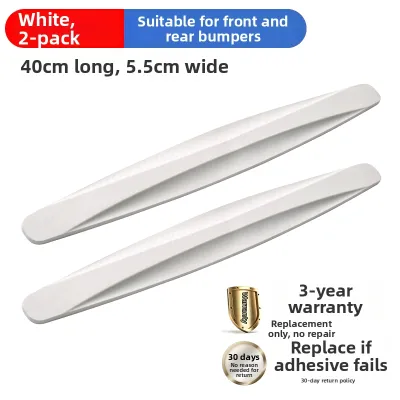
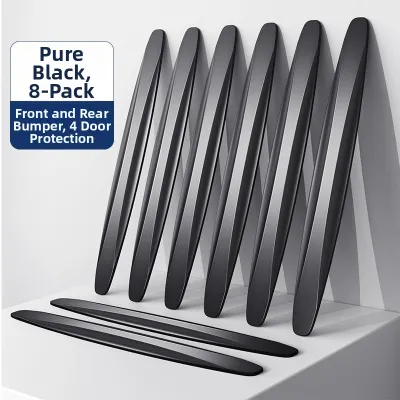
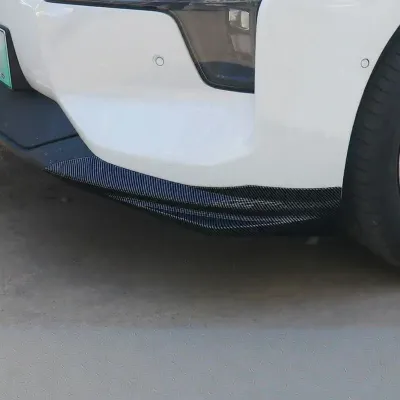
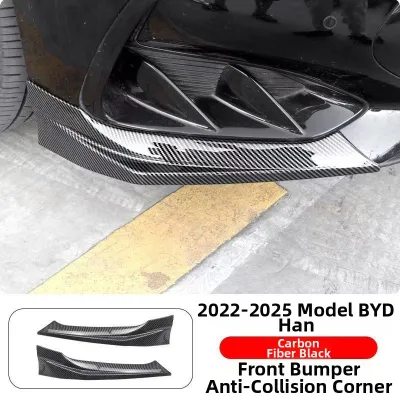
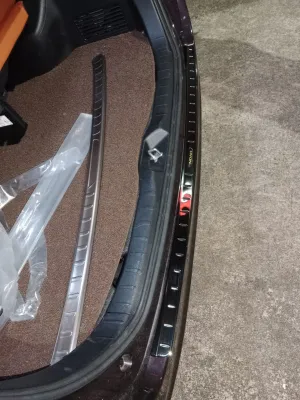
Prices are valid at publication and may change. Please refer to the product page for the latest price.
Multi-storey car parks (MSCPs), particularly older Housing & Development Board (HDB) estates and legacy shopping centres, present some of the most challenging environments for drivers. These structures often feature narrow ramps, tight turning circles, and closely spaced parking bays. In these environments, the corners of your bumpers are highly vulnerable to scraping against concrete pillars, low walls, or yellow-and-black painted kerbs during tight maneuvers.
Open-air surface lots and basement car parks introduce a different set of hazards. In busy supermarket or shopping mall parking lots, runaway shopping trolleys can easily roll into your vehicle, causing unsightly dents and deep scratches. Additionally, adjacent drivers opening their doors in tight spaces can leave impact marks on the sides of your bumpers, while high concrete wheel stops (parking kerbs) can scrape or crack low-hanging front splitters when parking head-in.
Before purchasing a guard, examine the current condition of your bumpers to determine your primary goal. If your vehicle is brand new or recently resprayed, your focus should be on proactive, preventative protection to maintain a flawless finish. Conversely, if your bumper already has minor scuffs or paint chips, you might look for a wider, more opaque guard that offers reactive coverage, hiding existing blemishes while preventing further deterioration.
Match Bumper Guard Styles to Your Specific Parking Scenarios
Bumper guards come in several distinct styles, each designed for specific coverage levels and risk profiles. Understanding the differences between these styles helps you select a product that provides adequate defense without unnecessarily compromising your vehicle’s appearance.

Full Bumper Covers and Heavy-Duty Protectors
Full-width bumper protectors, often made of thick, heavy-duty rubber or thermoplastic polyurethane (TPU), offer the highest level of physical defense. These guards are designed to cover the entire center section of the rear or front bumper, absorbing the kinetic energy of low-speed impacts from other vehicles during parallel parking maneuvers.
For daily commuters who frequently park in high-density HDB estates or busy street-side parallel lots, these heavy-duty options provide unmatched security. They are particularly effective at preventing the bumper-to-bumper contact scratches common in tight parking zones, acting as a robust cushion against careless parkers.
However, full-width protectors involve a clear trade-off in vehicle aesthetics. These guards are highly visible and can disrupt the sleek, original design lines of modern sedans and SUVs. To mitigate this, some drivers opt for temporary, trunk-mounted flip-out bumper mats that are deployed only when the vehicle is parked and tucked away safely inside the boot while driving.
Corner Guards, Lip Protectors, and Clear Films
If you want to protect your vehicle without dramatically altering its factory look, smaller modular guards or invisible films offer an excellent alternative. These products target specific high-risk zones rather than covering the entire bumper surface.
Corner guards are small, pre-curved segments of molded rubber or durable plastic that adhere directly to the outermost corners of the front and rear bumpers. These pieces are highly effective at absorbing side-swipe scrapes against pillars or adjacent vehicles in narrow multi-storey car park ramps, shielding the areas most prone to driver error during tight turns.
For vehicles with low ground clearance, front lip protectors or skid plates are invaluable. These low-profile strips attach to the underside of the front bumper, protecting the delicate lower plastic from scraping against steep driveway transitions, speed bumps, and high concrete parking kerbs.
Paint Protection Film (PPF) represents the most discreet option available. This thin, transparent polyurethane layer is professionally applied over the bumper paint, offering an invisible shield against stone chips, road debris, minor abrasions, and fingernail scratches around the boot lid. While PPF is highly effective at preserving paint clarity, it is important to note that it does not provide structural cushioning against heavier impacts from other vehicles or shopping trolleys.
Verify Fitment and Sensor Compatibility for Your Car Model
Modern vehicles are equipped with a sophisticated array of Advanced Driver Assistance Systems (ADAS) that rely on sensors embedded directly within the front and rear bumpers. Ensuring that your chosen bumper guard does not interfere with these safety systems is a critical step before making any purchase.
Ultrasonic parking sensors, which appear as small, circular cutouts on your bumper, send out high-frequency sound waves to detect nearby obstacles. If a thick rubber guard or plastic cover accidentally overlaps or sits too close to these sensors, it can block their signal path, causing constant false alarms, system errors, or a complete failure of your parking assist features. You must choose a guard that features precise cutouts or is designed to fit around your car’s specific sensor layout.
Beyond ultrasonic sensors, many modern cars house blind-spot monitoring radars and adaptive cruise control sensors behind the bumper fascia. Thick, dense materials or guards containing metallic elements can block these radar waves, potentially disabling crucial safety features. Always verify where your vehicle’s internal sensors are positioned before applying any aftermarket accessory over the bumper surface.
Physical clearance for essential vehicle components is equally important. Your bumper guard must never block the access panel for the emergency tow hook eyelet, as obstructing this point can delay roadside assistance and lead to bumper damage if your vehicle ever needs to be recovered. Additionally, ensure the guard does not obscure front or rear cameras, fog lights, or any portion of your license plates, as driving with an obscured license plate is a serious traffic offense under local road regulations.
To avoid compatibility issues, do not rely solely on generic product descriptions. Always consult your vehicle’s owner manual to identify all sensor and camera locations, and cross-reference this information with the guard manufacturer’s specific fitment guide for your exact car make, model, and production year.
Evaluate Material Durability and Installation Safety
Singapore’s tropical climate—characterized by intense, year-round ultraviolet (UV) radiation, high humidity, and sudden, heavy downpours—demands highly durable materials. A low-quality bumper guard can quickly degrade, warp, or lose its adhesive grip under these harsh environmental conditions.
When comparing materials, look for high-grade compounds designed for outdoor automotive use:
- EPDM Rubber: Offers exceptional resistance to UV rays, ozone, and extreme temperatures, maintaining its flexibility and impact-absorbing properties over many years without cracking or hardening.
- Thermoplastic Polyurethane (TPU): Combines the flexibility of rubber with the strength of hard plastic, providing excellent abrasion resistance, high impact absorption, and resistance to yellowing under the sun.
- ABS Plastic: A rigid, impact-resistant material often used for corner guards and lip protectors, though it can become brittle over extended periods of intense UV exposure if not treated with a UV-inhibiting clear coat.
Installation methods generally fall into two categories: adhesive-backed designs and bolt-on or clip-on systems. Adhesive guards are the most popular for passenger cars as they require no permanent modifications. They typically utilize high-strength, automotive-grade double-sided tapes, such as 3M VHB, which are engineered to withstand high moisture and heat.
To ensure a safe and secure installation, you must follow strict surface preparation steps. Before applying any adhesive guard, clean the bumper surface thoroughly with a wax-free automotive shampoo, followed by an isopropyl alcohol wipe to remove all grease, wax, and road grime. Always test any adhesive promoter or cleaning solvent on a small, hidden area of the bumper first to ensure it does not dull or dissolve your paint’s clear coat.
Apply the guard in a dry, shaded environment, pressing firmly along the entire length to activate the pressure-sensitive adhesive. Be aware that removing poorly applied or degraded adhesives can damage your car’s clear coat if not done carefully. For heavy-duty, bolt-on, or clip-on bumper guards that require drilling into the bumper support structure, always seek professional installation at a qualified workshop to avoid compromising your vehicle’s structural safety and warranty.
Maintain Your Bumper Guard and Know When to Replace
To ensure your bumper guard continues to protect your vehicle effectively, regular maintenance is required. Over time, road grime, fine grit, and environmental contaminants can accumulate around the edges of the guard, potentially causing cosmetic issues if left unaddressed.
Integrate the cleaning of your bumper guard into your regular car washing routine. Use a mild automotive soap, a soft microfiber wash mitt, and clean water to gently clean the guard and its surrounding edges. Avoid directing high-pressure water sprays from a pressure washer directly at the edges of adhesive-backed guards, as the intense pressure can compromise the adhesive bond and cause the edges to lift.
Periodically inspect the physical condition of your bumper guard for observable signs of failure. Look closely for:
- Lifting, peeling, or curling edges where the adhesive has begun to fail.
- Trapped dirt, sand, or moisture beneath the edges of the guard, which can act like sandpaper and scratch the underlying paintwork.
- Physical cracking, severe fading, or hardening of rubber and plastic materials.
- Deep gouges or structural deformation from previous impacts, indicating the guard has fulfilled its protective role and can no longer absorb energy effectively.
When it comes time to replace a worn adhesive guard, safe removal techniques are essential to prevent paint damage. Use a domestic hair dryer or a heat gun on a low, controlled setting to gently warm the guard, softening the underlying adhesive. Slowly peel the guard away at a shallow angle, applying a dedicated, paint-safe automotive adhesive remover to dissolve any remaining residue.
Never use metal scrapers, harsh abrasive pads, or strong chemical solvents like acetone, as these will permanently scratch or dissolve your car’s clear coat. If the adhesive is exceptionally stubborn, or if you are dealing with aftermarket paintwork, consult a professional automotive detailer to handle the removal and paint correction safely.
Community discussion
Share your experience or ask a question. Comments are reviewed before publication.