
Upgrading your vehicle with an aftermarket blind spot monitor is an effective way to enhance situational awareness and reduce the risk of side-collision accidents. However, finding the right system is not as simple as purchasing the most expensive option or relying on generic marketing claims. A successful upgrade requires a systematic evaluation of sensor technologies, alert configurations, and vehicle-specific compatibility. By matching these technical specifications to your daily driving environment and your vehicle’s physical dimensions, you can select a system that integrates seamlessly and provides reliable, timely warnings when changing lanes.
Understanding Radar vs. Ultrasonic Sensor Technologies
When shopping for an aftermarket blind spot monitor, the first major decision involves choosing between radar-based and ultrasonic sensor technologies. These two systems operate on entirely different physical principles, which directly influences their detection range, environmental resilience, and installation requirements. Understanding how each technology performs in real-world conditions is essential for selecting a system that aligns with your typical driving routes and local climate.
Radar-based systems generally operate at high frequencies, emitting electromagnetic waves that bounce off surrounding objects to calculate distance and relative speed. Because radar waves can penetrate non-metallic materials, these sensors are typically mounted completely hidden behind the vehicle’s plastic rear bumper cover. This hidden installation preserves the clean, original aesthetic of your vehicle. Furthermore, radar technology is highly resilient against adverse weather conditions. It remains effective in heavy rain, dense fog, and extreme heat, making it a highly reliable choice for highway driving and variable tropical climates.
Products mentioned in this guide
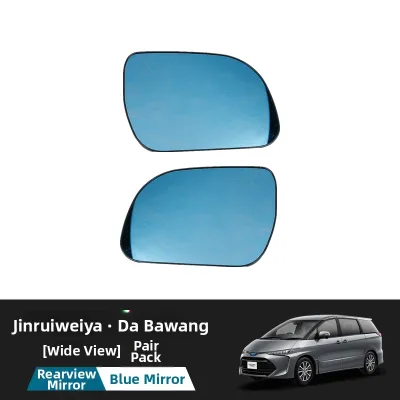
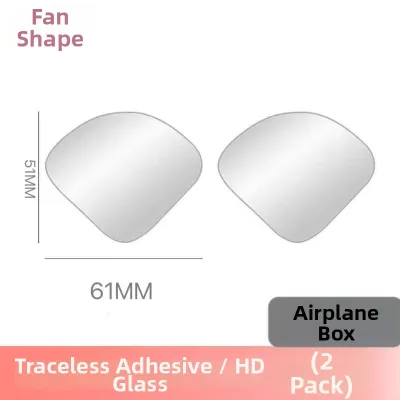
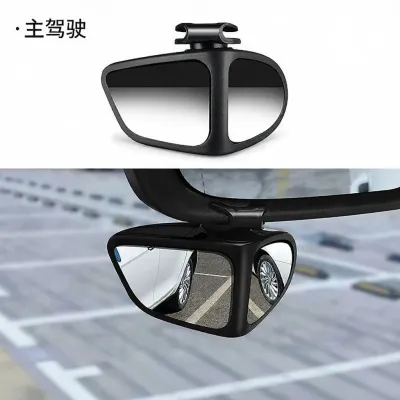
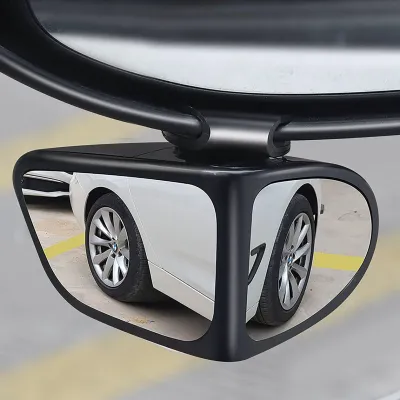
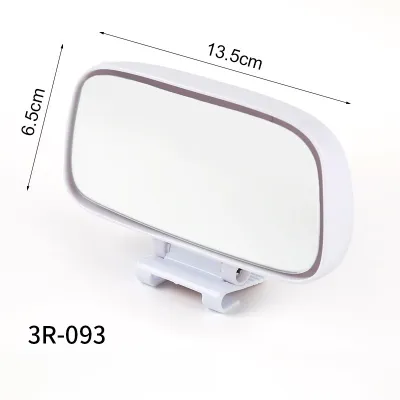
Prices are valid at publication and may change. Please refer to the product page for the latest price.
In contrast, ultrasonic systems utilize high-frequency sound waves to detect nearby objects. These sensors must have a direct line of sight to the environment, which means they are installed flush within the rear bumper, requiring holes to be drilled into the bumper cover. Ultrasonic sensors are highly effective at short distances and are commonly used for low-speed parking assistance. However, their detection range is typically much shorter than that of radar systems, and they are highly sensitive to environmental factors. Heavy rain, road debris, mud, or even thick dust settling on the sensor face can degrade their performance, leading to false alerts or missed detections during high-speed driving.
When deciding between the two, consider your primary driving environments and budget. If your daily commute involves high-speed highway driving where early warning of fast-approaching vehicles is critical, a radar-based system is generally the more suitable choice despite its higher initial cost. If you primarily navigate tight urban spaces at lower speeds and require assistance with close-range obstacles, an ultrasonic system may suffice. Additionally, you must verify your vehicle’s bumper material; vehicles with metal bumpers, such as certain utility trucks or older models, cannot use radar sensors mounted behind the bumper, as metal blocks radar signals.
Evaluating Key Specifications and Detection Capabilities
Selecting a blind spot monitor requires looking beyond basic product labels to understand how a system actually monitors the space around your vehicle. Not all aftermarket systems provide the same level of coverage, and a system that works perfectly on a compact hatchback may be entirely inadequate for a large sports utility vehicle (SUV) or a commercial van. To make an informed decision, you must evaluate specific zone coverage metrics and alert mechanisms against your vehicle’s physical footprint.

Matching Detection Range to Your Vehicle Dimensions
The effectiveness of a blind spot monitor depends heavily on its lateral and rearward detection zones. When reviewing product specifications, look for the defined detection width and length, which should ideally cover at least one full lane width on either side of your vehicle and extend several meters behind your rear bumper. For larger vehicles, such as long-wheelbase vans or SUVs, a system with a short detection range will fail to warn you of vehicles approaching rapidly from behind, leaving a dangerous gap in your situational awareness.
It is also important to distinguish between standard adjacent lane monitoring and rear cross-traffic alert capabilities. Standard blind spot systems focus primarily on the immediate diagonal zones next to your vehicle to assist with lane changes. Advanced systems, however, offer wider angles that can detect vehicles approaching horizontally from the sides when you are reversing out of a parking space. If you frequently park in busy commercial areas or have restricted rear visibility due to thick rear pillars, prioritizing a system with integrated rear cross-traffic detection can significantly improve safety.
Finally, consider any unique physical attributes of your vehicle that might obstruct the sensors’ field of view. Large side mirrors, aftermarket rear racks, or towing hitches can create physical barriers that block sensor signals. If you regularly tow a trailer, you must verify whether the system allows for range adjustments or temporary deactivation, as a trailer will continuously trigger the sensors and render the system unusable. Always measure your vehicle’s rear quarter panels and compare these dimensions with the manufacturer’s recommended mounting heights and angles to ensure unobstructed coverage.
Choosing the Right Alert Type for Daily Driving
Once a sensor detects a vehicle in your blind spot, the system must communicate this information to you quickly and clearly without causing a distraction. Aftermarket systems offer three primary types of alerts: visual, audible, and haptic. The ideal configuration depends on your personal preferences, cabin noise levels, and how easily you are distracted while driving.
Visual indicators are the primary line of defense and are typically designed to be mounted in one of two locations: directly on the side mirror glass or on the interior A-pillars. Mirror-mounted indicators are highly intuitive because they place the warning light directly in your natural line of sight when you check your mirrors before a lane change. However, they often require replacing your existing mirror glass or routing wires through the door assembly. A-pillar indicators are generally easier to install but require you to look slightly inward to see the warning. Regardless of the mounting position, ensure the indicators feature high brightness levels or automatic dimming so they remain clearly visible in direct sunlight and do not glare during night driving.
Audible alarms serve as a secondary warning, typically activating only when you turn on your indicator signal while a vehicle is detected in your blind spot. When evaluating systems, look for models that offer adjustable volume levels and distinct tones. A non-adjustable, overly loud buzzer can cause alert fatigue, leading drivers to disable the system entirely, while a tone that is too quiet may be drowned out by road noise or the car audio system. Haptic feedback, such as steering wheel or seat vibrations, offers a highly effective, non-intrusive alternative, though it is less common in aftermarket kits due to the complex integration required with the vehicle’s steering or seating components.
Verifying Vehicle Compatibility and Installation Safety
Before purchasing any aftermarket blind spot monitor, you must thoroughly verify its compatibility with your vehicle’s electrical system and physical structure. Unlike simple plug-and-play accessories, installing a blind spot monitor involves integrating electronic components into your vehicle’s existing wiring harness and mounting hardware securely to the exterior. Improper installation can lead to system malfunctions, vehicle damage, or even safety hazards.
First, evaluate the physical mounting requirements of the sensors. Ultrasonic sensors require drilling precise holes into your vehicle’s rear bumper, which demands specialized tools and careful measurement to avoid damaging internal bumper structures or factory wiring harnesses. Radar sensors, while hidden, require precise alignment behind the bumper cover. Even a slight deviation of a few degrees in the mounting angle can point the radar beam too high, too low, or directly into the ground, resulting in constant false alerts or a complete failure to detect vehicles. You must verify that the area behind your bumper is free of structural metal brackets or thick reinforcement bars that could block the radar signal.
Next, consider the electrical power requirements and wiring complexity. Most aftermarket systems need to be connected to multiple power sources, such as an ignition-switched power source, a ground connection, and the left and right turn signal circuits. Some systems also require a connection to the reverse light circuit or the vehicle’s OBD-II port to read speed data, ensuring the system only activates above a certain speed threshold. Connecting to these circuits requires a clear understanding of your vehicle’s wiring diagram and proper wire-splicing techniques to prevent short circuits or parasitic battery drain.
Because of these complexities, professional installation is highly recommended for most drivers. Modern vehicles are equipped with sensitive advanced driver-assistance systems (ADAS), parking sensors, and rear-view cameras that share space in the rear bumper. Attempting a DIY installation without proper knowledge can damage these factory systems, void your vehicle’s manufacturer warranty, or compromise the structural integrity of the bumper.
Safety Boundary: Always consult your vehicle’s owner manual and a qualified automotive electrician before modifying any wiring, drilling into bumpers, or mounting sensors near existing factory hardware. If the product instructions conflict with your vehicle’s official documentation, or if you are unsure of your vehicle’s specific wiring configuration, stop immediately and seek professional assistance.
Building Your Shortlist: A Pre-Purchase Verification Checklist
To ensure you select a blind spot monitor that fits your vehicle perfectly and performs reliably, use this step-by-step verification checklist before finalizing your purchase:
- Step 1: Inspect and Measure Your Vehicle's Bumper
Examine the rear bumper of your vehicle. Determine if it is made of plastic or metal, and check the space behind the bumper cover. Measure the height from the ground to the proposed mounting location to ensure it meets the manufacturer’s minimum and maximum height requirements.
- Step 2: Define Your Technology and Alert Preferences
Decide whether a radar-based or ultrasonic system fits your driving environment and budget. Choose your preferred visual indicator mounting location (A-pillar vs. mirror glass) and ensure the system features adjustable audible alerts to prevent driver distraction.
- Step 3: Confirm Electrical and System Compatibility
Review your vehicle’s wiring diagram and the product’s installation manual. Verify how the system draws power and reads vehicle speed (such as via OBD-II or hardwiring to turn signals). Ensure the system will not interfere with any existing factory-installed parking sensors or ADAS equipment.
- Step 4: Verify Warranty, Support, and Return Policies
Purchase from reputable retailers or manufacturers that offer clear warranty terms and accessible technical support. Verify the return policy so you can return the product if your installer discovers an unforeseen compatibility issue during the pre-installation inspection.
Frequently Asked Questions (FAQ)
Can I install a blind spot monitor on a car that already has factory parking sensors?
Yes, you can install an aftermarket blind spot monitor on a vehicle equipped with factory parking sensors, but careful planning is required. Factory parking sensors typically operate on ultrasonic frequencies and are designed for low-speed, close-range detection when reversing or parking. Most high-quality aftermarket blind spot monitors use radar frequencies, which operate on entirely different bands, preventing direct signal interference. However, physical placement is critical. You must ensure that the aftermarket sensors are mounted away from the factory parking sensors to avoid physical obstruction or cross-talk. It is highly recommended to have a professional installer assess your bumper layout to position the new sensors safely and independently.
Do aftermarket blind spot monitors work reliably in heavy rain or fog?
The reliability of an aftermarket blind spot monitor in adverse weather depends heavily on the sensor technology used. Radar-based systems are highly resilient and generally maintain reliable performance in heavy rain, dense fog, or mist, as electromagnetic waves can easily penetrate water droplets. Ultrasonic systems, however, are much more susceptible to weather-related interference. Heavy rain, road spray, or mud accumulation on the sensor face can scatter the sound waves, leading to delayed warnings or false alerts. Regardless of the technology, extreme weather conditions can temporarily degrade any system’s maximum detection range. Always remember that these monitors are supplementary driving aids; they do not replace the necessity of performing physical shoulder checks and maintaining active visual awareness.
Community discussion
Share your experience or ask a question. Comments are reviewed before publication.